The Enduring Power of Concept Art: Disney’s Legacy Fetches Millions at Auction Amidst AI Debate
In an era increasingly dominated by artificial intelligence, the value of human artistry is being re-examined with renewed intensity. Recent high-profile controversies, from the "Spider-Man AI scandal" to similar issues surrounding "Masters of the Universe," have seen AI-generated visuals defended as merely "concept art" – work that doesn’t ultimately appear in the finished product. However, a recent landmark auction of Disney art has powerfully underscored a fundamental truth: concept art is art, imbued with inherent artistic and monetary value, and its enduring appeal can far outlast fleeting digital trends.
The Heritage Auctions sale, which concluded recently, saw a staggering $3.43 million generated across 1,346 lots, showcasing a rich tapestry of Disney’s artistic journey. This remarkable sum, drawn from works spanning the Golden Age of animation through the Disney Renaissance and into the early 2000s, serves as a potent reminder of the tangible legacy and significant financial worth that meticulously crafted concept art can achieve. It raises a critical question: will AI-generated art ever command the same reverence and financial clout as these hand-crafted masterpieces?
The Genesis of Iconic Worlds: Disney’s Early Artistic Vision
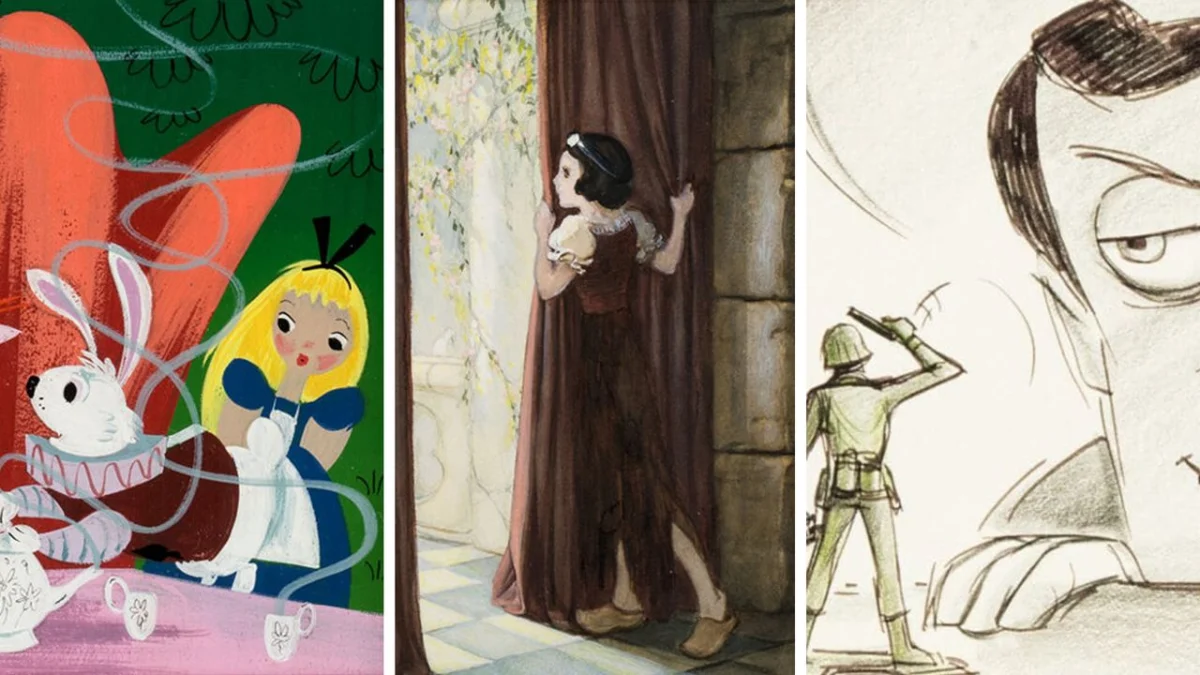
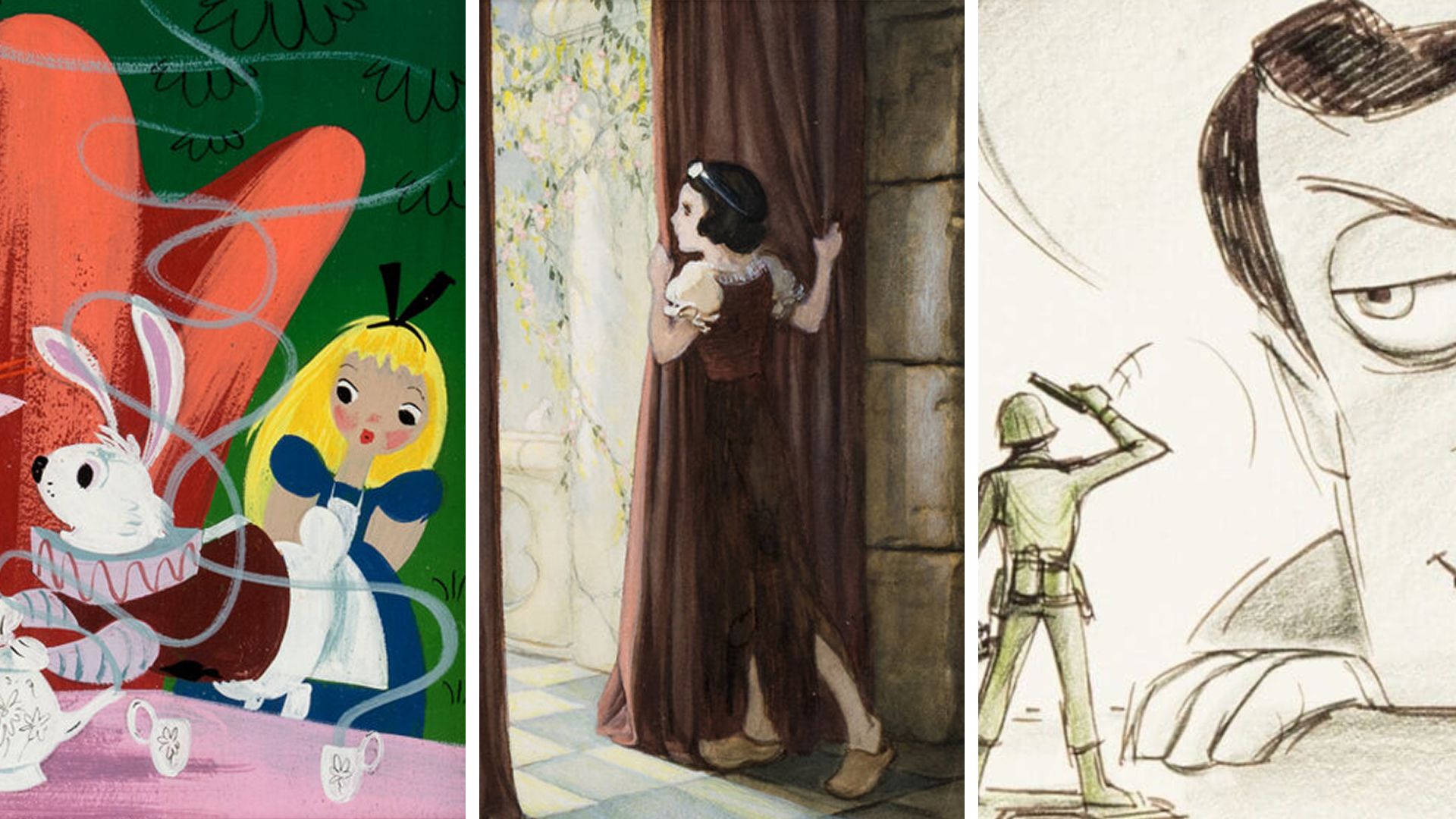
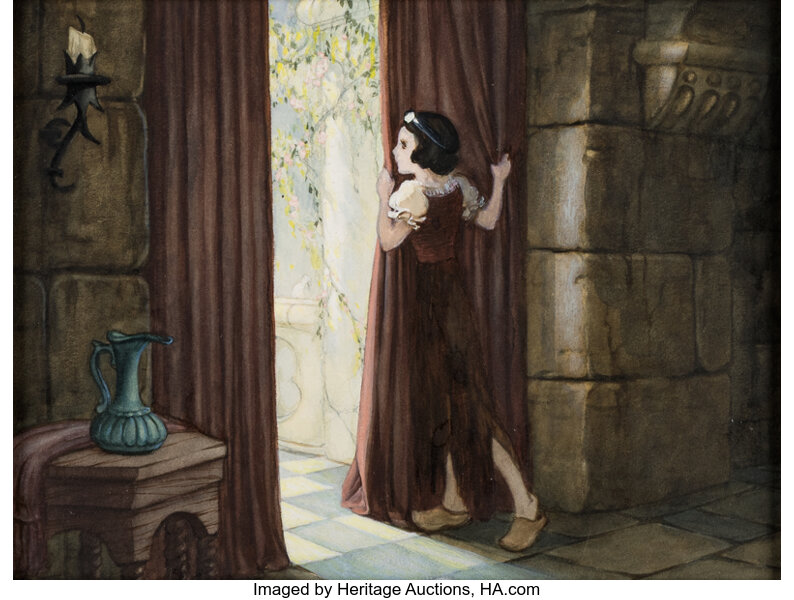
The auction’s undisputed stars were the original concept paintings by Gustaf Tenggren for Disney’s groundbreaking 1937 film, Snow White and the Seven Dwarfs. These pieces, born from a period when animation was a nascent art form, captured the imagination and set the visual tone for one of the most beloved animated films of all time. Tenggren’s atmospheric painting depicting Snow White captivated by the Prince’s song achieved an impressive $85,400, a testament to its emotional resonance and artistic merit.
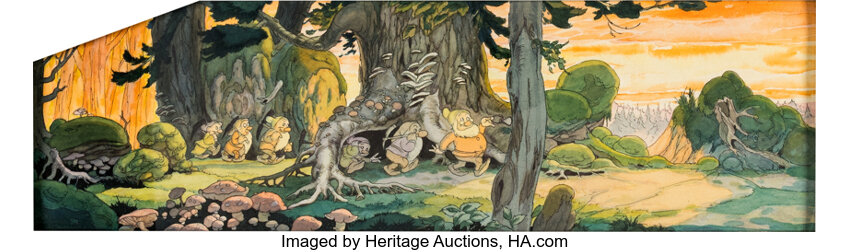
Further demonstrating the broad appeal of this early work, a panoramic painting showcasing the dwarfs returning to their cottage commanded $41,480. Another piece, portraying the Prince on horseback, sold for $36,600. These figures are not merely numbers; they represent the market’s recognition of the foundational artistry that brought these characters and their world to life. These weren’t just sketches; they were the visual blueprints that guided animators, designers, and directors, shaping the very essence of the film.
A Legacy of Innovation: From Snow White to the Modern Era
The auction’s breadth highlighted Disney’s consistent commitment to artistic excellence across decades. Beyond the pioneering work on Snow White, the sale featured significant pieces from other pivotal eras in Disney’s history.
The Enchanting Brushstrokes of Mary Blair
Mary Blair, an artist whose distinctive style profoundly influenced films like Alice in Wonderland and Peter Pan, was prominently featured. Her vibrant and imaginative concept art continues to resonate with audiences. A colorful painting intended for the Japan section of the "It’s a Small World" attraction sold for $31,720, showcasing her ability to translate cultural themes into captivating visuals.
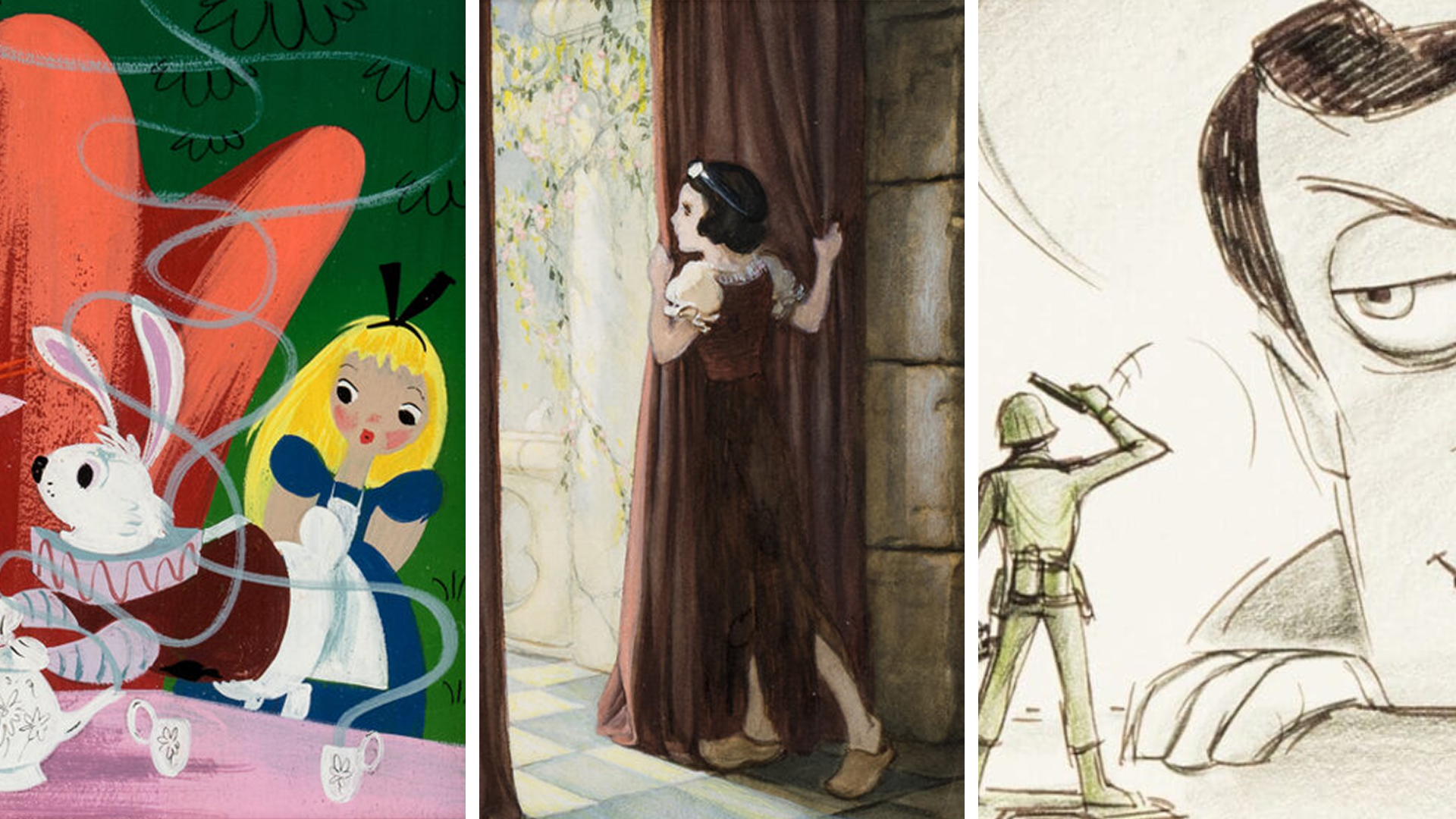
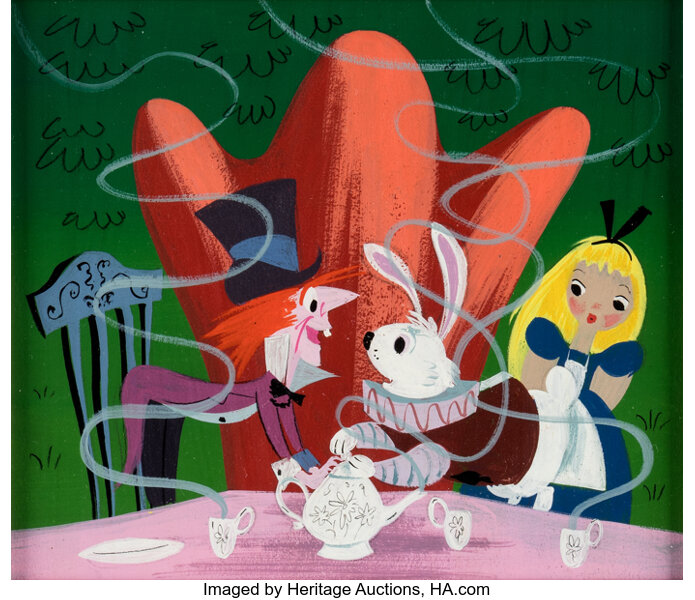
Furthermore, a concept and color-key painting from Alice in Wonderland, depicting the iconic Mad Hatter’s tea party with Alice and the White Rabbit, garnered $29,280. These pieces are not just illustrations; they are windows into the creative process, revealing the initial sparks of genius that would blossom into fully realized cinematic worlds. Blair’s work, in particular, exemplifies how concept art can transcend its initial purpose to become cherished art in its own right, influencing design across various Disney attractions and merchandise.
The Pixar Revolution: Storyboards and Early Concepts
The auction also provided a rare glimpse into the genesis of modern computer animation, with a significant collection of storyboards and concept art from the Joe Ranft Family Archive. These pieces offered insights into the development of beloved Pixar classics such as Toy Story, A Bug’s Life, Monsters, Inc., and Cars.
A hand-colored storyboard sequence for Toy Story, created by Joe Ranft himself, was a notable highlight. Ranft, a key figure in Pixar’s storytelling department, was instrumental in shaping the narratives of these groundbreaking films. The inclusion of his personal storyboards underscores the intimate and collaborative nature of animation development, where every sketch and frame plays a crucial role. The sale of these items from the Pixar era demonstrates that the appreciation for concept art extends beyond traditional cel animation, embracing the digital age as well.
The Market’s Verdict: Artistry Commands a Premium
The overwhelming success of the Heritage Auctions sale, with its substantial $3.43 million total, speaks volumes about the market’s perception of Disney concept art. Jim Lentz, Heritage Auctions’ Vice President of Animation and Anime Art, aptly summarized the sentiment: "The response reflects the global affection for Disney and the growing appreciation for animation art as a significant art form."
This statement is crucial. It acknowledges that animation art, including concept art, is not merely a utilitarian tool for filmmaking but a recognized and valued art form. The prices achieved at auction are a direct reflection of the skill, creativity, and emotional impact embedded within these pieces. They are tangible artifacts of cinematic history, preserved and celebrated for their artistic merit.
The AI Conundrum: Concept Art vs. Algorithmic Generation
The contrast between the enduring value of hand-crafted Disney concept art and the current debate surrounding AI-generated visuals is stark. While AI can rapidly produce a vast quantity of images, often mimicking existing styles, it lacks the human intent, emotional depth, and lived experience that imbue traditional art with lasting significance.
The argument that AI-generated images used in early development stages are "just concept art" fails to recognize the inherent artistic value of that work. Concept art, whether traditional or digital, is a testament to the artist’s vision and skill. It is often collected, displayed, and studied by fans and art enthusiasts alike. The Disney auction proves that these pieces become integral to a film’s legacy, contributing to its cultural and historical importance.
In 50 years, will AI-generated Spider-Man concept art be commanding millions at auction? It is highly unlikely. The allure of these pieces lies not just in their visual representation but in the story of their creation, the artists behind them, and the cultural impact they represent. AI-generated art, by its very nature, is often derivative and lacks the unique signature of a human artist. While it may serve a functional purpose in certain production pipelines, it is unlikely to ever achieve the status of collectible art in the same way that the meticulously crafted works of Tenggren, Blair, or Ranft have.
Implications for the Future of Art and Creativity
The Disney art auction serves as a powerful affirmation of the enduring value of human creativity. It underscores the importance of supporting and preserving traditional art forms, even as new technologies emerge. For artists, it is a reminder that their skill, vision, and emotional expression hold a unique and irreplaceable value.
As the industry grapples with the ethical and artistic implications of AI, the success of this auction provides a valuable benchmark. It highlights that while AI may offer efficiency and novel possibilities, it cannot replicate the profound connection and lasting legacy that human-created art achieves. The millions of dollars spent on Disney concept art are not just a financial transaction; they are a cultural investment in the power of human imagination and artistic expression. The question remains: will we prioritize the soul of art in the digital age, or will we settle for its algorithmically generated echo? The market, at least for now, has spoken decisively.