The Green-on-Green Revolution: How ‘Solar Shepherds’ are Redefining Agricultural Economics
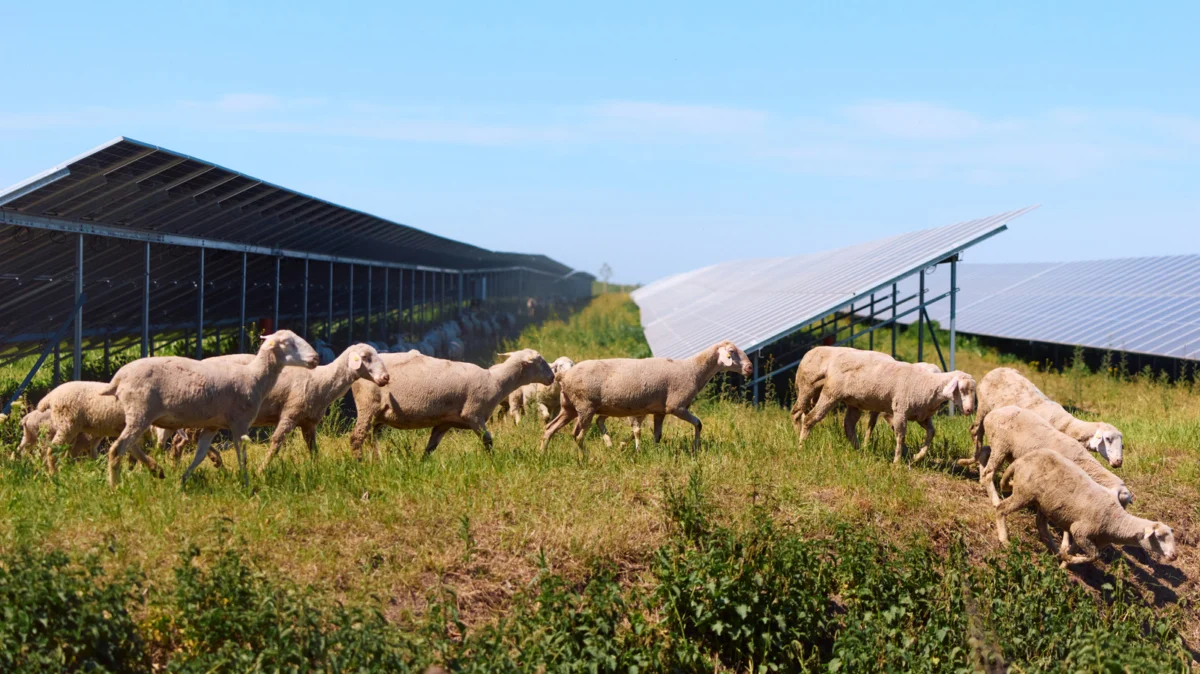
As the global transition toward renewable energy accelerates, a silent revolution is unfolding beneath the rows of sprawling photovoltaic arrays. The traditional image of a shepherd—tending to flocks on open hillsides—is being updated for the 21st century. A new study highlights the emergence of the "solar shepherd," a profession that combines ancient animal husbandry with cutting-edge renewable infrastructure. Not only is this synergy solving land-use conflicts, but it is also generating levels of income previously reserved for high-level white-collar professionals.
Main Facts: The Economic Windfall of Agrivoltaics
The practice of "agrivoltaics"—the co-location of agricultural production and solar energy generation on the same piece of land—is moving from a niche experimental concept to a major economic driver. Recent research conducted by the University of Western Ontario’s Ivey School of Business, in collaboration with professional shepherds from The Lara Costa farm, has revealed staggering financial potential for those grazing sheep on solar installations.
The core findings suggest that solar shepherding is no longer a mere side hustle for farmers. In regions like Canada, some solar shepherds are reporting annual incomes comparable to those of doctors, lawyers, and senior engineers. This financial boom is driven by a dual-revenue stream: the traditional sale of wool and meat, supplemented by lucrative "vegetation management" contracts paid out by solar farm operators.
Key statistics from the study include:
- Return on Investment (ROI): For farmers breeding their own ewes, ROI ranges between 16% and 31%. For those who purchase lambs via yearly auctions, the ROI is even higher, ranging from 22% to 43%.
- Income Comparison: While traditional shepherds in Canada earn an average of $58,000 per year, solar shepherds can expect to earn two to three times that amount.
- Operational Savings: Solar shepherds eliminate the need to lease expensive grazing land, as the solar farm provides the pasture for free or even pays the shepherd to be there.
Chronology: From Conflict to Co-existence
The relationship between solar developers and the agricultural community has not always been harmonious. To understand the rise of the solar shepherd, one must look at the evolution of land-use policy over the last two decades.
The Era of Exclusion (2000s–2010s)
In the early days of large-scale solar deployment, projects were often viewed as a threat to food security. Massive tracts of arable land were fenced off, the soil was stripped of its natural character, and "brownfield" development was the only way to avoid public outcry. Solar farms were industrial zones, and the vegetation beneath the panels was viewed as a nuisance to be suppressed with herbicides or diesel-powered mowers.
The Rise of Agrivoltaics (2015–2020)
As land became scarcer and more expensive, researchers began exploring "dual-use" possibilities. In Arizona, experiments showed that panels could provide shade for delicate crops, reducing water evaporation and protecting farmworkers from the desert sun. Simultaneously, in Europe and parts of the United States, developers began experimenting with "pollinator-friendly" solar farms, planting wildflowers to support local bee populations.
The Integration of Livestock (2021–Present)
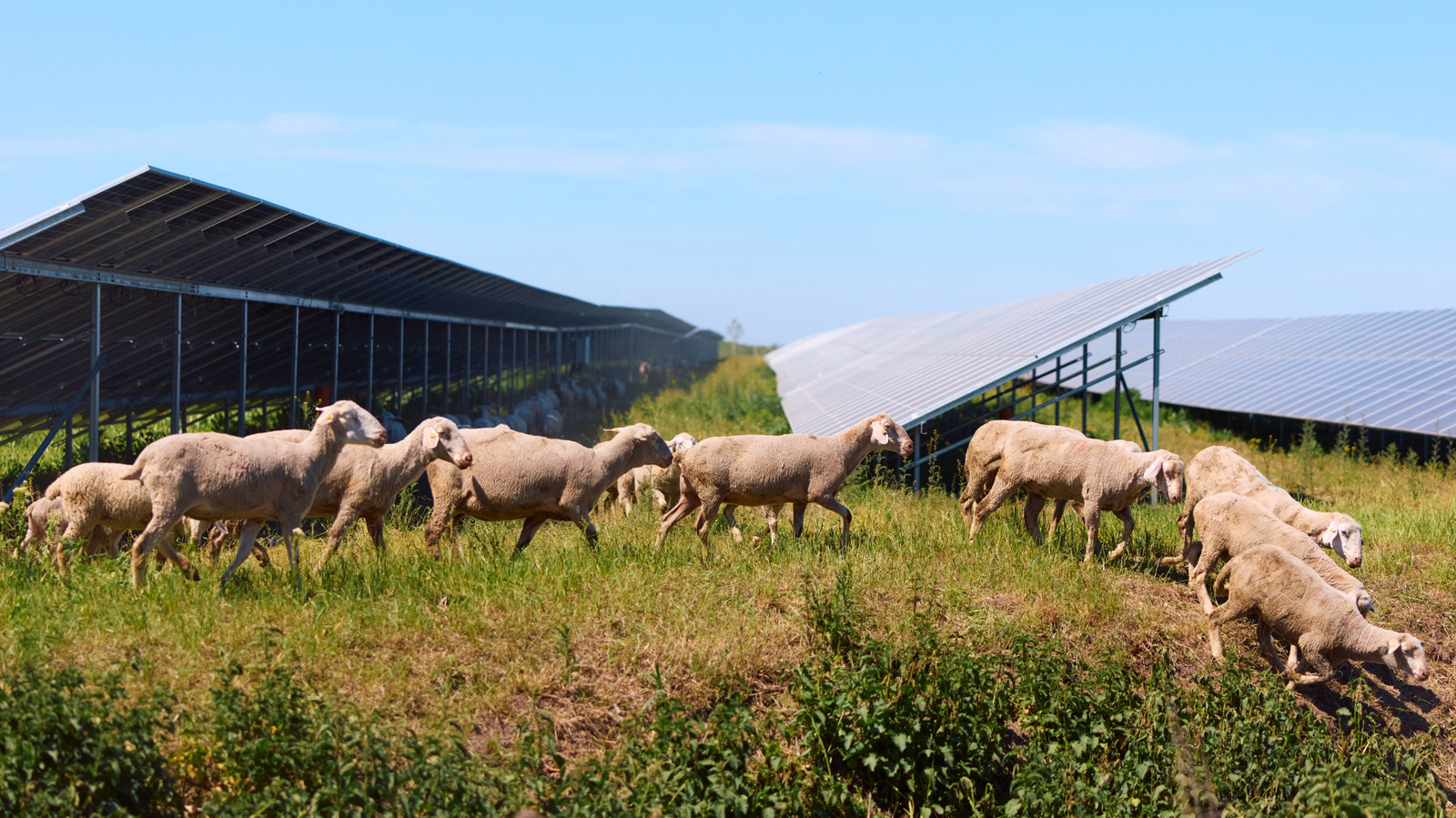
The most recent phase of this evolution is the integration of livestock, specifically sheep. Unlike cattle, which are too large and may damage the mounting structures, or goats, which tend to climb on panels and chew through wiring, sheep are the "Goldilocks" of solar maintenance. They are small enough to move under the panels, lack the urge to destroy the equipment, and are highly efficient at "mowing" the grass. This led to the professionalization of the sector, supported by organizations like Agrivoltaics Canada, which provide frameworks for these partnerships.
Supporting Data: The Mechanics of Profitability
The University of Western Ontario study breaks down exactly why solar shepherding is so much more profitable than traditional farming. The financial advantages are categorized into three primary "synergies."
1. Vegetation Management Premiums
Solar farm owners face a significant logistical challenge: grass and weeds. If left unchecked, vegetation can shade the panels, reducing energy efficiency, or create fire hazards. Traditional mechanical mowing is expensive, risks damaging the panels with flying debris, and kicks up dust that obscures the photovoltaic cells. Solar shepherds charge a premium for "biological mowing," which is often cheaper for the utility company than mechanical alternatives but highly profitable for the shepherd.
2. Microclimate Benefits
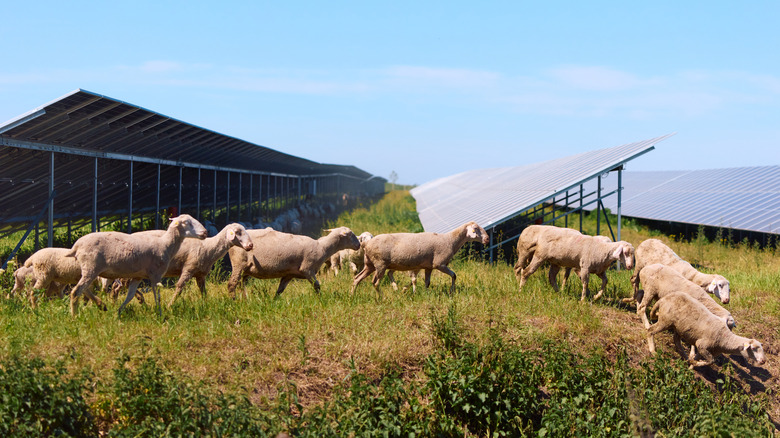
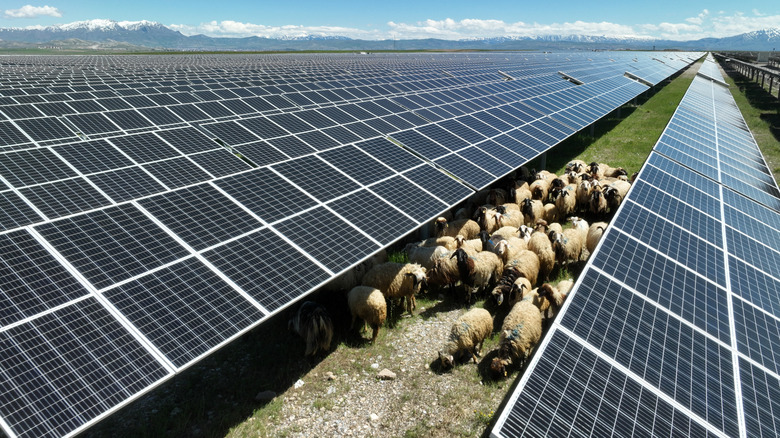
The microclimate created by solar panels acts as a natural growth enhancer for forage. The panels provide shade, which prevents the soil from drying out and keeps the grass succulent and nutrient-dense for longer periods, even during heatwaves. Researchers found that sheep grazing in the shade of panels required less supplemental feed and reached market weight faster than those on open pastures.
3. Infrastructure and Land Savings
The single largest overhead for most livestock farmers is land acquisition or leasing. Solar shepherds bypass this cost entirely. In many contracts, the shepherd is given exclusive access to hundreds of acres of fenced, secure land. Because the solar farm is already fenced to prevent theft and vandalism, the shepherd saves tens of thousands of dollars in infrastructure costs.
Official Responses and Operational Challenges
While the financial data is promising, industry experts and the authors of the Ivey School of Business study emphasize that solar shepherding is a sophisticated business requiring specialized knowledge.
The Lara Costa Farm Perspective:
Professional shepherds involved in the study noted that while the income is high, the "solar shepherd" must be part technician and part farmer. They must understand the layout of the solar arrays and manage "rotational grazing" meticulously. This involves moving sheep between different "cells" of the solar farm to ensure the grass is kept at a uniform height without overgrazing.
Agrivoltaics Canada:
The organization has been vocal about the need for standardized contracts. "This isn’t just about putting sheep in a field," a representative noted. "It’s about a service-level agreement. The shepherd is responsible for ensuring the utility’s assets are protected and that the vegetation never reaches a height that interferes with power production."
The Hurdles to Success
The study does not ignore the risks involved. Several challenges can impact the bottom line:
- Predation: Even with perimeter fencing, coyotes and other predators can be a threat. Solar shepherds often need to employ livestock guardian dogs or enhanced security measures.
- Water Logistics: Solar farms are often located in remote areas without existing plumbing. Installing water troughs and ensuring a steady supply for hundreds of sheep can be a complex engineering challenge.
- Parasite Management: The moist, shaded environment under panels can sometimes encourage the growth of certain parasites. Shepherds must implement rigorous health protocols to keep the flock healthy.
Implications: A New Model for Global Land Use
The success of solar shepherding in Canada and the United States has profound implications for the global energy transition. It provides a blueprint for how renewable energy can support, rather than displace, rural economies.
Environmental Impact
Beyond the financial gains, the environmental benefits are significant. Replacing diesel mowers with sheep reduces the carbon footprint of the solar farm itself. Furthermore, sheep manure acts as a natural fertilizer, sequestering carbon in the soil and improving land health over time. This creates a "regenerative" cycle that can restore the quality of the land during the 25-to-30-year lifespan of the solar project.
Global Scalability
The agrivoltaic model is already showing success in diverse environments:
- Tibet: Solar farms are being used to protect fragile grasslands while providing a steady income for local nomadic herders.
- Arizona: Crop-based agrivoltaics are allowing farmers to grow leafy greens in areas previously considered too hot for agriculture.
- Biodiversity: In some regions, solar farms are being designed as "refuges" for endangered species, with sheep maintaining the specific heights of grass required for certain ground-nesting birds or insects to thrive.
Conclusion: The Future of the Rural Economy
As land scarcity becomes a defining challenge of the 21st century, the "multi-purpose" use of land is no longer an option—it is a necessity. The rise of the solar shepherd proves that the transition to green energy does not have to come at the expense of traditional livelihoods. Instead, by merging the needs of the power grid with the rhythms of the pastoral world, we are seeing the birth of a more resilient, profitable, and sustainable agricultural future. For the next generation of farmers, the most valuable tool may not be a tractor, but a flock of sheep and a contract with a utility company.