The Harmony of Retirement: Exploring the Synesthetic World of Mr. Records
In the evolving landscape of indie gaming, few titles manage to strike a balance between the frantic energy of a rhythm game and the contemplative pacing of a business simulator. However, a new contender showcased at Gamescom, titled Mr. Records, seeks to harmonize these disparate genres. Developed with a keen eye for color and a deep appreciation for musicality, Mr. Records tells the story of George—a man who proves that retirement is not the end of a journey, but the beginning of a more melodic chapter.
The game offers a unique "synesthetic" experience, where the act of listening to music transcends the auditory and becomes a physical, vibrant journey. Based on recent hands-on demonstrations and the official reveal trailer, Mr. Records is positioning itself as a standout title for fans of "cozy" gaming and rhythm-action enthusiasts alike.
Main Facts: A Dual-Genre Symphony
At its core, Mr. Records is a narrative-driven experience that splits its gameplay between two distinct but interconnected pillars: high-energy rhythm platforming and thoughtful shop management.
The protagonist, George, is an "old dreamer" who has spent his life working toward a quiet retirement. Rather than fading into obscurity, George decides to transform the space beneath his home into a boutique record shop. However, George possesses a special gift: he is able to "become one" with the music he hears. This allows the player to dive into the literal soul of a record before it is sold to a customer.
Key Features at a Glance:
- Genre: Rhythm-Action / Shop Management Hybrid.
- Protagonist: George, a retiree with a vivid imagination.
- Core Loop: Acquire records, "play" through their musical worlds, and sell them to customers based on their specific tastes.
- Visual Style: High-contrast, neon-soaked aesthetics that shift according to the musical genre.
- Platform: PC (Steam), with a release date currently to be determined.
Chronology: A Day in the Life of a Musical Dreamer
The gameplay of Mr. Records follows a structured daily cycle, grounding the fantastical rhythm elements within a relatable routine. This loop ensures that players feel the progression of George’s business while consistently engaging with the core musical mechanics.
Phase 1: Acquisition and Exploration
Each morning, George’s day begins with the procurement of new stock. Players must decide which records to bring into the shop, curated from a rotating selection of new arrivals. This phase is more than just a menu-based transaction; it sets the tone for the day’s "adventures." Once a record is purchased, it must be "vetted."
Phase 2: Diving into the Groove
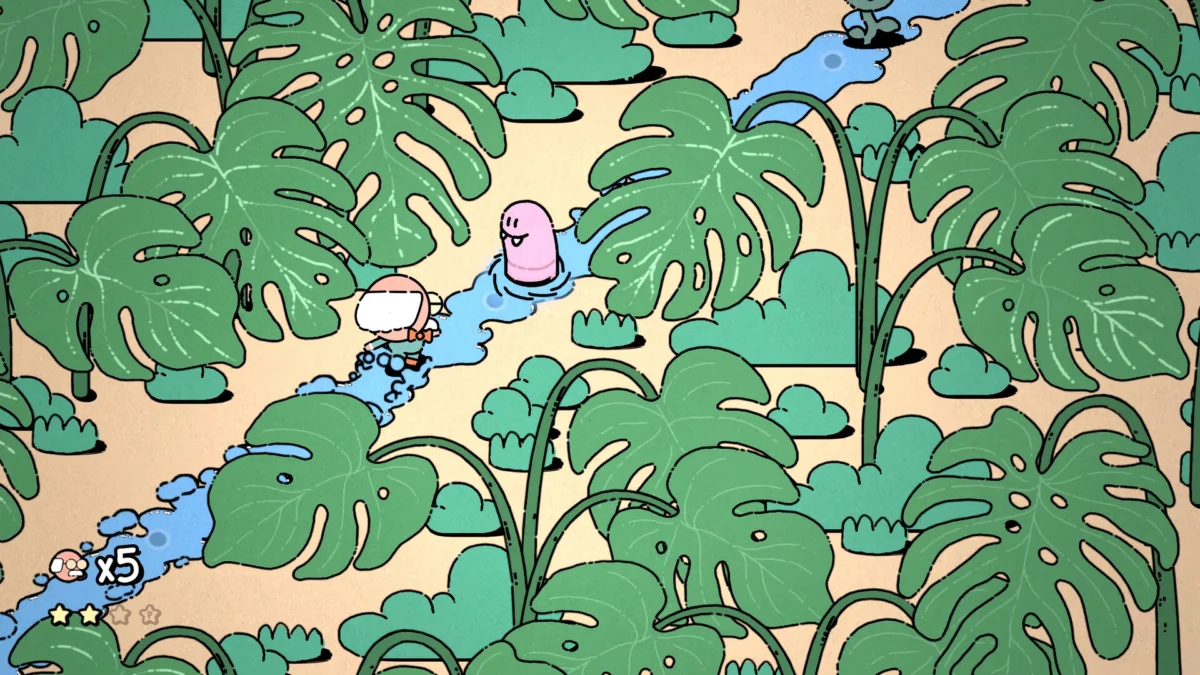
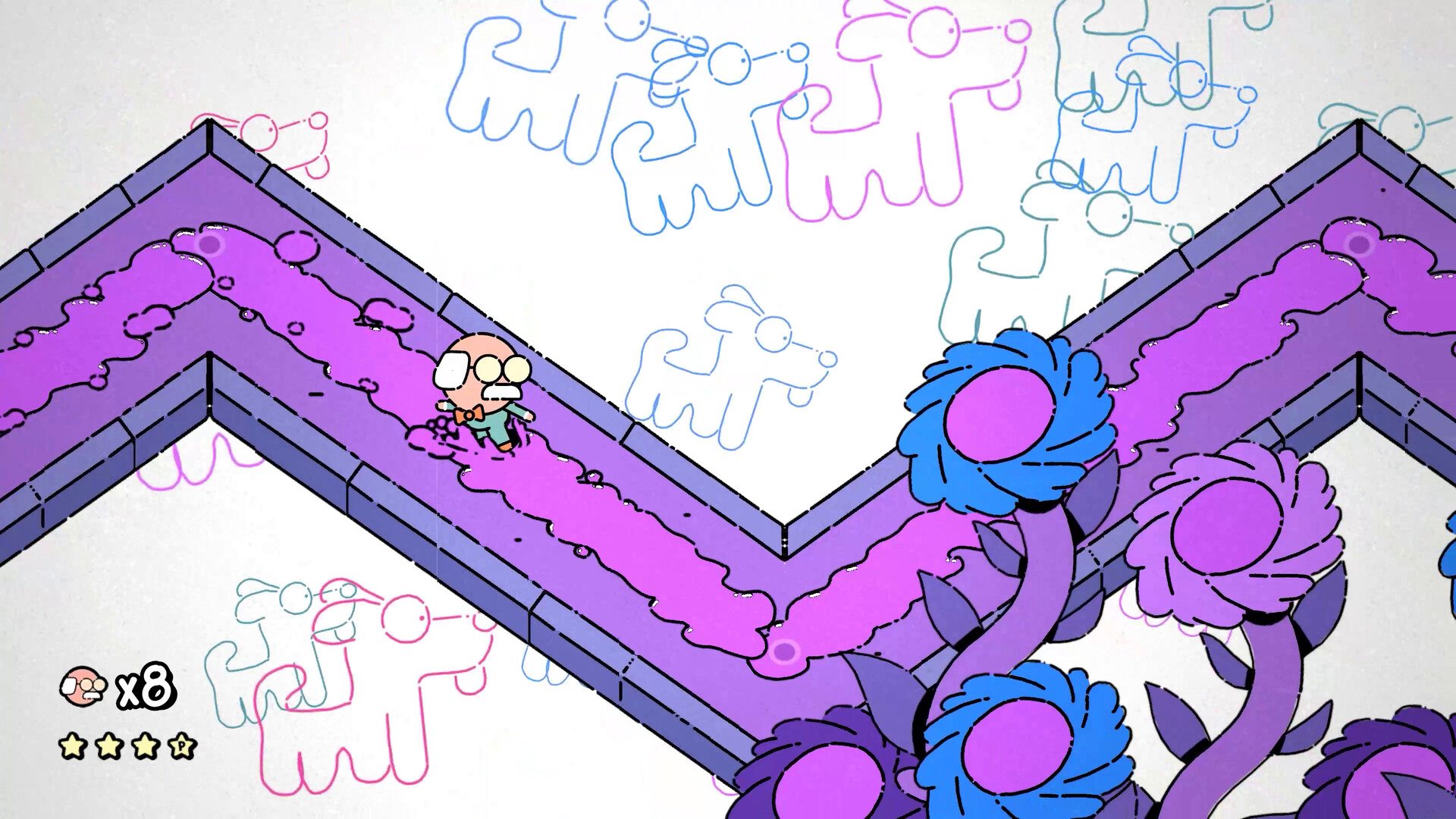
This is where the rhythm-action gameplay takes center stage. Before a record can be placed on the shelves, George must experience it. The game transitions from the cozy confines of the shop into surreal, vibrantly colored worlds. Whether it is a lush, tropical "jungle level" or a neon-purple synth-wave landscape, these levels require players to slide, punch, and navigate obstacles in perfect synchronization with the beat.
The demo at Gamescom highlighted the "flow state" these levels induce. The movement feels kinetic and responsive, providing a visceral connection to the soundtrack.
Phase 3: The Business of Vibes
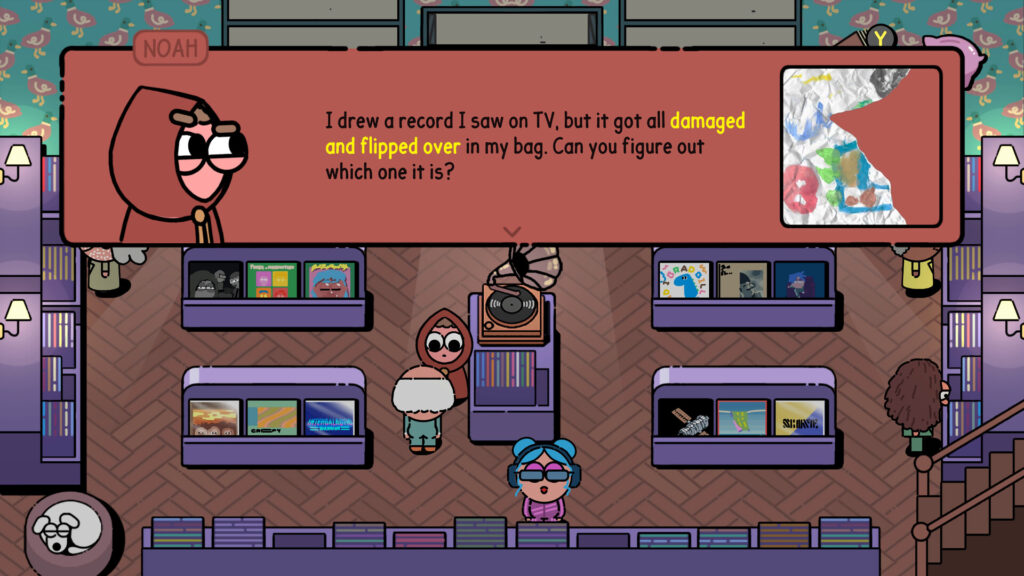
Once the shop opens, the pace shifts. Customers enter with varied requests. Some are looking for a specific memory—a song they heard once but can’t quite name—while others are searching for a "vibe" to match their current mood. The player must use their knowledge of the records they’ve just "played" to make the perfect recommendation. Success in this phase builds the shop’s reputation and provides the capital needed to buy more exotic and complex records.
Phase 4: The Evening Reflection
The day concludes in George’s living quarters above the shop. This narrative phase involves strange and often poignant phone calls with old friends. These interactions flesh out George’s backstory, moving the plot forward and providing context for his "dreamer" nature.
Supporting Data: The Mechanics of Rhythm and Retail
The success of Mr. Records hinges on how well it executes its two halves. Detailed analysis of the Gamescom demo reveals several layers of mechanical depth.
The Rhythm Mechanics: Beyond Button Mashing
Unlike traditional "falling note" rhythm games (like Guitar Hero), Mr. Records utilizes a character-based movement system. George moves through a 2.5D environment where the architecture of the level is dictated by the song’s waveform and tempo.
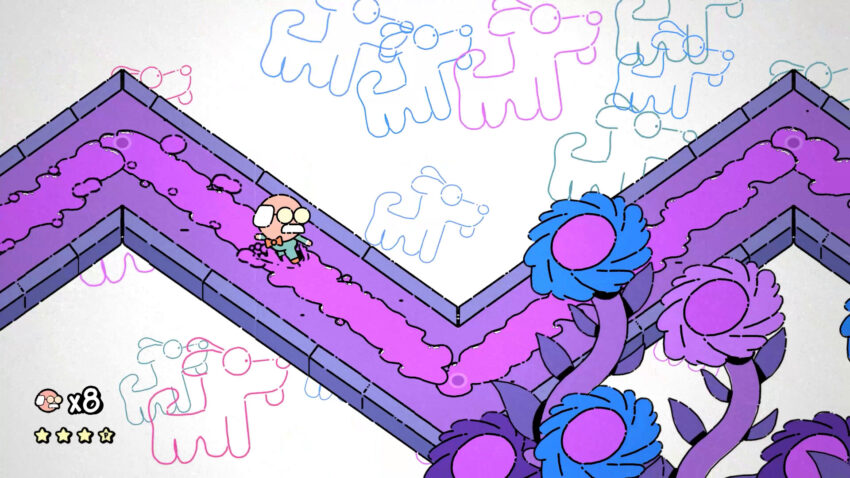
- Sliding and Flow: The "sliding" mechanic is central to the movement, allowing for a sense of momentum that matches long synth notes or legato strings.
- Kinetic Interaction: "Punching" obstacles or triggers provides the percussive feedback, often lining up with snare hits or bass drops.
- Visual Feedback: The environment reacts to the player’s performance. A perfect combo might cause the colors to saturate further or the background elements to dance, creating a rewarding sensory loop.
The Management Engine: The Psychology of Sales
The shop management isn’t just about profit margins; it’s a social puzzle. The recommendation system requires the player to pay attention to the "mood" of the records they played earlier in the day.
- Vibe Matching: Records are categorized not just by genre (Jazz, Rock, Electronic), but by emotional weight (Melancholy, Energetic, Nostalgic).
- Customer Profiles: Recurring characters visit the shop, and remembering their previous purchases or stated preferences can lead to "Perfect Sales," which yield higher rewards.
Official Responses and Developer Vision
While the developer behind Mr. Records has remained relatively low-profile, the official reveal trailer and the Gamescom presence have provided significant insight into the game’s creative direction.
The trailer emphasizes the "joy" inherent in the game’s design. The use of vibrant purples, deep greens, and electric blues suggests a rejection of the "gritty" aesthetic common in many modern titles. In official communications, the focus is placed on the "feeling" of the music. The developers have noted that the goal was to create a game where the player doesn’t just play to the music, but inside it.
The reception at Gamescom was overwhelmingly positive, with critics noting that the "sliding and sliding aspect of the records just feels right." This tactile satisfaction is often the deciding factor in the success of rhythm games, and early feedback suggests Mr. Records has nailed the fundamental physics of its musical movement.
Implications: A New Era for Cozy Rhythm Games
The emergence of Mr. Records speaks to a broader trend in the gaming industry: the "wholesome" or "cozy" game movement. However, it distinguishes itself by refusing to sacrifice mechanical challenge for atmosphere.
1. Genre Blending as a Standard
The fusion of shop management (popularized by titles like Recettear or Moonlighter) with a rhythm-action core suggests that indie developers are finding new ways to keep "loop-based" gameplay fresh. By making the "resource gathering" (playing the records) a high-skill rhythm game, the developers ensure that the "grind" never feels like a chore.
2. The Representation of Aging
George is a rare protagonist in a medium often dominated by the young. By focusing on a retiree, Mr. Records taps into a narrative of lifelong passion. It suggests that creativity and "dreaming" are not the exclusive domain of youth, potentially appealing to an older demographic of gamers while providing a charming, aspirational figure for younger players.
3. The "Synesthesia" Trend
Following in the footsteps of games like Sayonara Wild Hearts and Tetris Effect, Mr. Records leans heavily into the idea that visuals and sound should be inseparable. As hardware capabilities increase, indie developers are better equipped to create these high-fidelity sensory experiences that were once the province of AAA studios.
Conclusion: A Record Worth Spinning
Mr. Records is more than a simple indie title; it is a celebration of the relationship between the listener and the sound. By placing the player in the shoes of George, the game invites us to slow down, listen closely, and find the adventure hidden within a vinyl groove.
While the lack of a firm release date may be disappointing to those who missed the Gamescom demo, the ability to wishlist the game on Steam offers a way for fans to stay tuned to George’s frequency. If the final product maintains the "real joy" and fluid mechanics seen in its early stages, Mr. Records is poised to become a must-play title for anyone who believes that life—and gaming—is better when it’s set to a good beat.
As the industry continues to look for the next "breakout" indie hit, Mr. Records stands out by offering a harmonious blend of relaxation and exhilaration. It reminds us that every record has a story, and every dreamer, no matter their age, has one more song to play.