
J.T. Evans Celebrates a Decade of Insight and Evolution at Gnome Stew, Reflecting on TTRPG Industry Shifts

FOR IMMEDIATE RELEASE
March 28, 2026 – J.T. Evans, a respected voice within the tabletop role-playing game (TTRPG) community, marks an impressive ten-year milestone as a contributing writer for Gnome Stew, a prominent online resource for GMs and players. Since his inaugural article on March 28, 2016, Evans has penned nearly 130,000 words of advice, commentary, and analysis, establishing himself as a prolific and insightful contributor to the hobby. His journey reflects not only personal growth as a writer but also chronicles significant transformations within the broader TTRPG landscape, from the rise of indie publishers to the diversification of gaming experiences.
A Decade of Dedicated Insight at Gnome Stew
J.T. Evans’s ten-year tenure at Gnome Stew stands as a testament to sustained dedication and an enduring passion for tabletop role-playing games. His contributions have provided a wealth of guidance to a diverse audience, covering a wide array of topics pertinent to both Game Masters (GMs) and players alike. This significant anniversary offers an opportunity to reflect on his personal evolution as a writer and observer of the TTRPG world.
From March 2016: The Genesis of a Columnist’s Journey
Evans officially joined the Gnome Stew team, colloquially known as the "Gnomes," on March 28, 2016. His first published article aimed to delineate the intricate differences between gaming, narrating, and simulation within the TTRPG context—a topic he acknowledged as expansive and multi-faceted. Initially, his ambition led to a substantial first draft, exceeding 3,000 words. This comprehensive approach, while indicative of his deep engagement with the subject matter, soon encountered the practical realities of online content guidelines. Gnome Stew, known for its "bite-sized" articles, typically advises contributions between 700 and 1,000 words to ensure accessibility and readability for its audience.
Navigating Early Challenges: The ‘Rough Start’ and Editorial Resilience
The process of condensing his extensive initial draft into a 973-word article proved to be a challenging editorial exercise. Evans candidly admits that this compression did not fully capture the nuance and depth required for such a broad topic, resulting in an article that he felt did not do justice to the subject. The published piece subsequently attracted significant negative feedback in the comments section and across social media platforms. Some of the more vitriolic and hateful comments were later removed, and the individuals responsible barred from future engagement.
This initial wave of criticism nearly led to Evans’s premature departure from Gnome Stew. However, a crucial intervention by John Arcadian, who served as the Head Gnome at the time, provided the necessary support and perspective. Arcadian offered a timely pep talk, affirming the inherent quality of Evans’s writing while sagely pointing out that the scope of his topic was simply too vast for a single article. This mentorship proved invaluable, transforming a potential career-ending setback into a pivotal learning experience. Evans credits this guidance with teaching him the critical skill of breaking down complex subjects into a series of manageable, focused articles, a practice he has since adopted effectively.
Mastering the Craft: The Evolution of Content and Series
Inspired by this early experience, J.T. Evans refined his approach to content creation, successfully developing several multi-part series that allowed for a more thorough exploration of intricate themes. While specific article links are omitted for brevity, these series have become a hallmark of his contributions, providing readers with in-depth analyses across various TTRPG aspects. This strategic shift enabled him to deliver comprehensive insights without overwhelming the reader, adhering to Gnome Stew’s editorial philosophy.
Over his ten years, Evans has amassed an impressive body of work. Excluding his anniversary piece, he has written close to 130,000 words of advice, a significant volume that underscores his consistent output and commitment. This includes previous retrospectives such as his "100,000 Word Retrospective" in 2023, which highlighted key articles and insights from his initial seven years, and a "40-Year Retrospective" detailing his extensive experience in gaming and the evolution of the TTRPG arena over four decades. These previous reflections provide crucial context for his current observations on the industry.
The Shifting Sands of the TTRPG Landscape
Evans’s decade at Gnome Stew has coincided with a period of dynamic transformation within the tabletop role-playing game industry. His observations highlight a discernible shift in player and GM interest, moving increasingly towards independent publishers and away from the sole dominance of established giants.
The Indie Renaissance: A Post-OGL World
One of the most significant catalysts for this shift, as observed by Evans, was the contentious OGL (Open Game License) debacle approximately three years prior to this anniversary. The actions of Wizards of the Coast (WotC) and its parent company, Hasbro, regarding potential changes to the OGL, sparked widespread community backlash and an unprecedented exodus of creators and players towards alternative systems and publishers. While Dungeons & Dragons (D&D) published by WotC undoubtedly remains a colossal force in the TTRPG market—often described as the "800-pound gorilla in the room"—the OGL controversy inadvertently fostered an explosion of innovation.
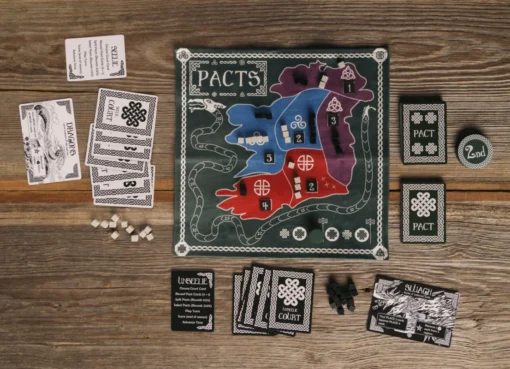
This period witnessed a remarkable proliferation of new games, concepts, rulesets, and creative tools from independent publishers. Evans expresses profound satisfaction at this diversification, viewing it as a substantial improvement in the options available to all types of players and GMs. The industry, in his assessment, has entered an "exciting time for gamers," characterized by a vibrant ecosystem where creativity and varied design philosophies flourish beyond the confines of a single dominant system. This indie renaissance has democratized the publishing landscape, allowing niche interests and innovative mechanics to find wider audiences.
Echoes of the Past: D&D’s Historical Hegemony vs. Modern Pluralism
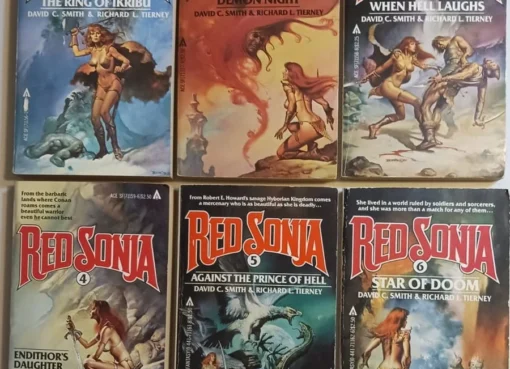
Reflecting on his own gaming history, which dates back to the early 1980s, Evans vividly recalls an era where Dungeons & Dragons was, for all practical purposes, the singular recognizable role-playing game. He acknowledges that other games did exist, but their availability and visibility were severely limited. Before the advent of the internet and the World Wide Web, discovering alternative TTRPGs was an arduous task. Physical bookstores like B. Dalton Books or Walden Books offered very few, if any, non-D&D options. The concept of a "search engine" to uncover diverse gaming content was nonexistent.
It wasn’t until his mid-teens that Evans experienced the fortune of a local game store in his hometown. Even then, the shelves dedicated to D&D vastly outnumbered those allocated to "those other games." This historical context underscores the dramatic transformation in accessibility and choice that modern gamers now enjoy. The landscape has shifted from a singular focus to a rich tapestry of genres, mechanics, and settings.
The Call for Diversity: Expanding Horizons Beyond a Single Flavor
Evans was fortunate that his local game store’s limited "other games" shelf still offered a diverse selection, including titles like Top Secret/SI, Gamma World, Tunnels & Trolls, and Traveller. Engaging with these non-D&D systems alongside D&D itself proved instrumental in honing his skills as both a player and a GM. This broader exposure expanded his creative horizons, challenging him to adapt to different rulesets, narrative structures, and world-building approaches.
Based on these personal experiences, Evans passionately advocates for players and GMs to explore beyond the confines of "only D&D." He emphasizes that while D&D offers a rich experience, the TTRPG world is replete with a multitude of "spices to taste." Engaging with diverse systems not only prevents stagnation but also fosters greater creativity, problem-solving abilities, and an appreciation for the vast potential of tabletop gaming. This is not a critique of D&D, but rather a fervent encouragement to embrace the wider spectrum of fun and adventure available in the modern TTRPG landscape.
Sustaining a Legacy: Gratitude and Future Horizons
As J.T. Evans looks back on a decade of contributions, his reflections are imbued with a deep sense of gratitude and an optimistic outlook for the future.
The Enduring Partnership with Gnome Stew
Evans reiterates his profound satisfaction with his role at Gnome Stew and expresses continued appreciation for John Arcadian’s timely pep talk, which ultimately ensured his continued presence. He also remains "extremely humbled" by the initial invitation extended by Arcadian to join the writing team, a sentiment that speaks to the collaborative and supportive environment fostered by Gnome Stew. His commitment to the platform remains strong, and he anticipates continuing to share his ideas and insights with the TTRPG community.
Acknowledging Support: The Role of Patrons
The ongoing success and ability of Gnome Stew to provide valuable content are significantly bolstered by the support of its patrons. Evans specifically acknowledges the "Block Party Podcast Network," which has consistently supported Gnome Stew since July 2019, playing a vital role in sustaining the platform’s mission to keep "the stew fires going."
In closing, J.T. Evans’s ten years at Gnome Stew encapsulate a journey of personal and professional growth, alongside a critical observation of the TTRPG industry’s dynamic evolution. His dedication, resilience, and commitment to exploring the breadth of tabletop gaming serve as an inspiration to both new and veteran members of the community, promising many more years of insightful commentary and engaging content.


Leave a Comment