Beyond the Veil: How Fangtopia is Redefining the Spooky-Cozy Puzzle Genre
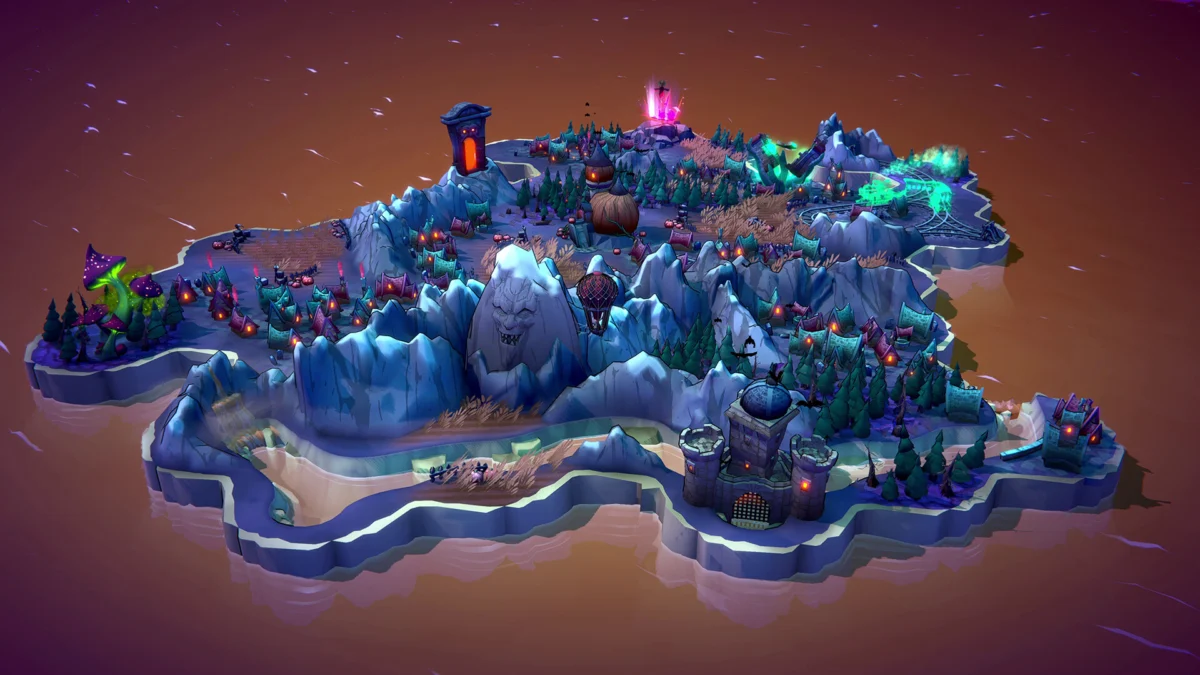
In the rapidly evolving landscape of independent gaming, a new sub-genre has emerged that blends the traditionally disparate elements of gothic horror and relaxing "cozy" gameplay. At the forefront of this movement is Fangtopia, a tile-placement puzzle game that invites players to construct a whimsical, haunted world for ghosts, ghouls, and monsters. Recently showcased at the "Brilliant Indie Treasures" event, Fangtopia has garnered significant attention for its unique aesthetic, forgiving mechanics, and surprisingly deep world-building systems.
This article provides an in-depth analysis of Fangtopia, exploring its core mechanics, its place within the broader gaming industry, and the implications of its success for the future of puzzle design.
1. Main Facts: The Architecture of a Haunted Paradise
Fangtopia is, at its heart, a relaxing world-builder that utilizes a hexagonal tile-placement system. Unlike traditional city-builders that demand resource management and high-stakes decision-making, Fangtopia prioritizes atmosphere and creative satisfaction.
Core Gameplay Mechanics
The player begins with a blank canvas—a void waiting to be filled. Through the placement of hexagonal tiles, players slowly expand their map. These tiles represent various environmental and structural elements, such as dense forests, spooky towns, and eerie water bodies.
- The Combo System: The game rewards players for logical placement. Adding trees to existing forests or houses to growing towns creates "combos," which exponentially increase the player’s score.
- Special Objectives: Periodically, the game presents the player with two choices of special tiles. These tiles come with specific requirements—mini-quests that must be fulfilled within the town to unlock further progress or attract specific supernatural residents.
- Monster Habitats: The ultimate goal is to create a welcoming environment for monsters. By completing objectives and linking specific tiles to buildings, players "draw" new monsters into their world. These creatures are not antagonists; they are the residents of the world the player is fostering.
Game Modes and Connectivity
Fangtopia offers a variety of experiences tailored to different playstyles:
- Bite-Sized Sessions: A short game mode designed for quick bursts of play.
- Large Island Mode: A sprawling, open-ended mode for players who wish to spend hours perfecting a single map.
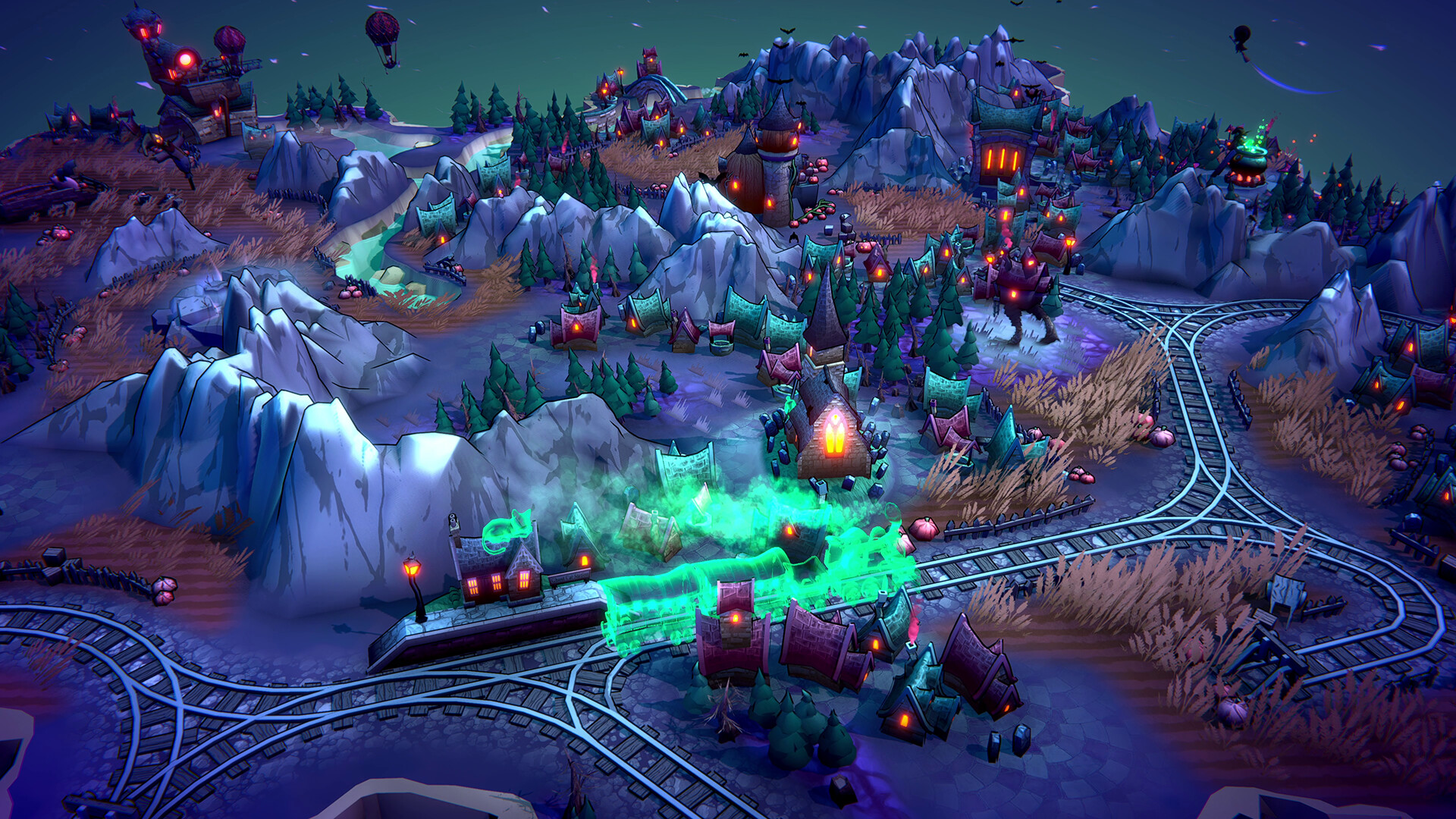
- Island Mode & Ghost Trains: Perhaps the most innovative feature is the ability to connect various archipelagos via "ghost train" tracks. This adds a layer of logistical planning to the otherwise free-form building, as players must navigate the terrain to ensure their ghostly transit system functions correctly.
2. Chronology: From Concept to "Brilliant Indie Treasures"
The development and public debut of Fangtopia follow a trajectory common to successful indie titles that prioritize community engagement and aesthetic polish.
- Phase 1: Initial Concept and Alpha Development: The developers sought to create a "low-stress" puzzle game that didn’t sacrifice the "spooky" atmosphere they loved. The decision to use hexagonal tiles was foundational, allowing for more organic-looking landmasses than traditional square grids.
- Phase 2: The Demo Launch: To gauge player interest, a demo was released on Steam. This version introduced the core building mechanics and the "Short Game" mode. The trailer for this demo showcased the game’s vibrant, yet dark, color palette and the fluid animations that occur as the world expands.
- Phase 3: Steam Integration: Fangtopia was officially listed on the Steam Store, allowing players to wishlist the game and follow its development updates. This stage was crucial for building a community around the game’s "spooky-cozy" identity.
- Phase 4: Industry Recognition at Brilliant Indie Treasures: The game’s inclusion in the "Brilliant Indie Treasures" showcase marked a turning point. Critics and players alike praised the game’s accessibility. It was here that the "Island Mode" and "Ghost Train" mechanics were more widely demonstrated, proving that the game had more depth than a simple tile-matcher.
3. Supporting Data: The Mechanics of Relaxation
To understand why Fangtopia is resonating with players, it is necessary to look at the data and design philosophy behind its "forgiving" nature.
The Psychology of "Low-Pressure" Design
In a market often saturated with high-intensity "Souls-like" games or competitive shooters, Fangtopia occupies a niche known as "Zen gaming."
- No Timer: There is no ticking clock in Fangtopia. Players can spend minutes or hours contemplating a single tile placement.
- Non-Punitive Scoring: While there is a point system, failing to optimize a tile placement does not result in a "Game Over." Instead, it simply means the player might take slightly longer to reach the next objective.
- Visual Feedback: Data from player playtests suggests that the "animations of life"—such as ghosts moving through houses or trees swaying—act as a psychological reward that is more satisfying than a high score.
Comparative Analysis: Fangtopia vs. Dorfromantik
Fangtopia is frequently compared to the 2021 hit Dorfromantik. While both use hexagonal tiles, the data shows a clear divergence in intent:
- Thematic Depth: Dorfromantik focuses on pastoral, idyllic landscapes. Fangtopia utilizes a "Gothic-Cute" aesthetic, which appeals to a demographic that enjoys Halloween-themed content year-round.
- The Sticker System: Fangtopia includes a collectible sticker system. By following specific goals and completing puzzles, players earn digital stickers. This provides a secondary layer of progression that encourages "completionist" behavior without the stress of difficult gameplay.
4. Official Responses and Design Philosophy
While the developers of Fangtopia have kept a modest profile, their design choices speak volumes about their philosophy toward modern gaming.
Accessibility as a Priority
In various promotional materials and during the Brilliant Indie Treasures event, the focus has remained on "welcoming" players. The game’s UI (User Interface) is intentionally minimalist to prevent "information overload."
The inclusion of the "Ghost Train" was an official response to early playtester feedback requesting more "kinetic energy" in the world. Developers noted that while the static tiles were beautiful, players wanted to see their creations functioning. The trains provided a way to link disparate parts of the world together, making the player feel like a true architect of a living ecosystem.
The "Spooky-Cozy" Aesthetic
The developers have often referred to the game’s style as "Fangtastic," a play on words that highlights the blend of fangs (monsters) and fantastic (whimsical) elements. The official stance is that "spooky" does not have to mean "scary." By stripping away jump scares and survival mechanics, they have created a space where the supernatural is presented as charming and neighborly.
5. Implications: The Future of the "Un-Builder" Genre
The success and reception of Fangtopia have several implications for the indie gaming industry and the puzzle genre at large.
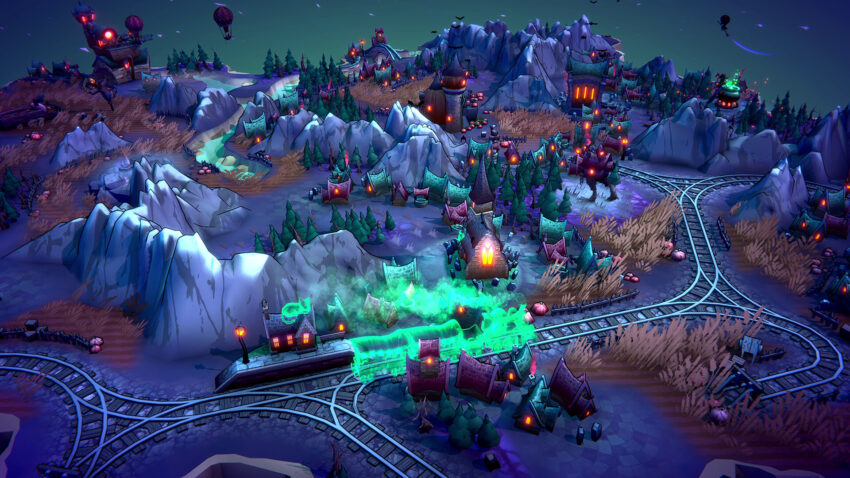
1. The Rise of the "Spooky-Cozy" Market
Fangtopia is part of a growing trend that includes titles like Cozy Grove and Graveyard Keeper. These games prove that there is a massive market for "dark" themes when they are paired with relaxing gameplay loops. We can expect to see more developers experimenting with "atypical" cozy themes—moving beyond farming simulators into more diverse territories.
2. Procedural World-Building as Art
Fangtopia demonstrates that procedural generation doesn’t have to feel "random" or "cold." By using hand-drawn assets and specific combo rules, the game ensures that every world a player builds looks like a curated piece of art. This "screenshot-worthy" gameplay is a powerful marketing tool in the age of social media sharing.
3. Shift Toward "Micro-Objectives"
The move away from grand, overarching narratives toward "bite-sized" objectives—like the ones found in Fangtopia’s short game mode—reflects a shift in player habits. Modern gamers often look for "palate cleanser" games that can be played in 15-minute intervals. Fangtopia’s structure perfectly accommodates this, providing a sense of accomplishment in a short timeframe.
4. Expansion of Non-Violent Supernatural Themes
For decades, monsters in video games have been relegated to the roles of enemies to be defeated. Fangtopia flips this script, positioning monsters as creatures to be cared for and housed. This narrative shift has broader implications for how developers might approach "creature" games in the future, focusing on ecology and community rather than combat.
Conclusion
Fangtopia is more than just a puzzle game; it is a testament to the versatility of the tile-placement genre. By combining a forgiving mechanical framework with a rich, "spooky-cute" aesthetic, it offers a sanctuary for players who want to engage with the supernatural without the stress of traditional horror games.
As it continues to gain traction on Steam and within the indie community, Fangtopia stands as a lighthouse for future developers, proving that sometimes, the most engaging worlds are the ones where we simply sit back, place a tile, and watch the ghosts move in.
Availability: Fangtopia is currently available for purchase and wishlisting on Steam. Players interested in the genre can also access the official demo to experience the "Ghost Train" and "Island Mode" mechanics firsthand.