
The Intangible Economy: Why the World’s Greatest Luxuries Are No Longer for Sale
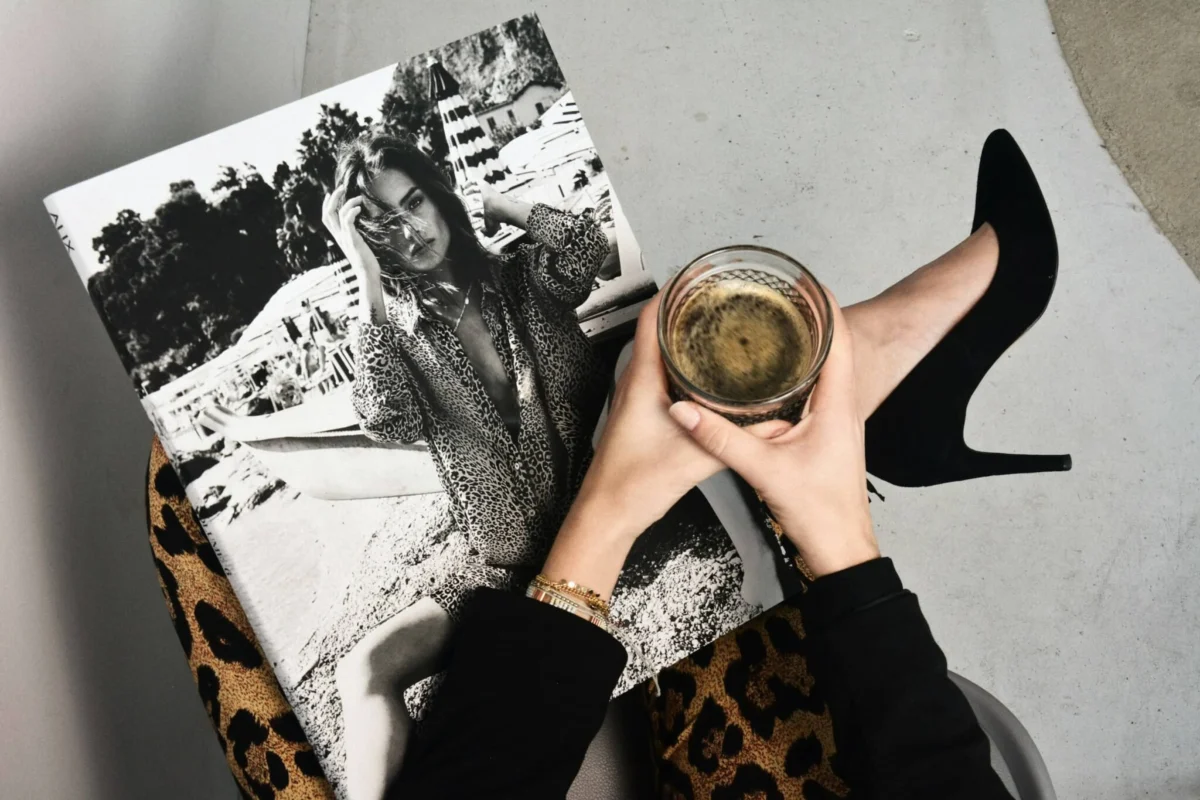
In an era defined by hyper-consumption and the relentless pursuit of "more," a singular, unassuming list has been quietly dismantling the modern definition of success. Circulating through social media feeds and appearing in the manifestos of the minimalist movement, the viral sentiment identifies six specific luxuries: time, health, a quiet mind, slow mornings, meaningful work, and a house full of love.
While the "luxury" industry has historically been measured by the craftsmanship of leather goods or the horsepower of an engine, a growing demographic of sociologists, economists, and psychologists suggests that a paradigm shift is underway. The "New Luxury" is no longer something one can buy at a store; it is something one must architect through intention.
The Counterfeit of Comfort: Redefining the Luxury Landscape
For decades, the global marketing machine has operated on a singular premise: that "a condition of abundance or great ease" (the dictionary definition of luxury) can be packaged and sold. From the Gilded Age to the "greed is good" ethos of the 1980s, luxury was synonymous with exclusivity and conspicuous consumption. It was a signal of status—a way to communicate one’s place in the social hierarchy through tangible assets.
However, as the digital age accelerated the pace of life, these traditional markers of wealth began to lose their luster. The "counterfeit" versions of luxury—the newer smartphone, the limited-edition sneaker, the exotic vacation curated for Instagram—provide a dopamine hit that is notoriously fleeting. This phenomenon, known in psychology as "hedonic adaptation," ensures that the satisfaction derived from a purchase quickly fades, leaving the consumer on a treadmill of perpetual wanting.
The viral list of six luxuries represents a rebellion against this cycle. It posits that true abundance is not found in the acquisition of objects, but in the reclamation of one’s life.
A Chronology of Values: From Materialism to Meaning
The shift toward intangible luxury did not happen overnight. It is the result of several decades of socio-economic evolution:
- The Post-War Boom (1950s-1970s): Luxury was defined by the "American Dream"—homeownership, appliances, and the family car.
- The Era of Excess (1980s-1990s): Luxury became "designer." Labels mattered more than utility. The accumulation of wealth was the ultimate scorecard.
- The Digital Disruption (2000s-2010s): As technology made everything "faster," the scarcest resource became human attention. The first cracks in the materialist facade appeared with the rise of the "Experience Economy."
- The Post-Pandemic Reckoning (2020-Present): Global lockdowns forced a collective pause. Faced with mortality and isolation, millions realized that their "things" provided little comfort. This period accelerated the "Great Resignation" and the "Quiet Quitting" movements, both of which were essentially a search for two items on the viral list: time and meaningful work.
Today, we see the rise of "Quiet Luxury" and "Slow Living," movements that prioritize quality, silence, and presence over the loud, frantic consumption of the past.
The Six Pillars of Intangible Wealth
To understand why these six items are now considered the ultimate luxuries, we must examine the "abundance" they provide.
1. Time: The Ultimate Currency
Unlike money, time is a non-renewable resource. In a 24/7 connected world, the ability to choose how one spends their hours is the highest form of autonomy. "Time affluence"—the feeling that one has sufficient time to pursue activities that are personally meaningful—is now more closely correlated with well-being than a high salary.
2. Health: The Foundation of Experience
Modern luxury marketing often focuses on "wellness" as a product (expensive supplements, high-end gym memberships). However, true health—the absence of chronic stress and the presence of physical vitality—cannot be bought. It is a long-term investment made through daily, often unglamorous, choices.
3. A Quiet Mind: Silence in a Noisy World
We live in an "Attention Economy" where every app and screen is designed to hijack our focus. A quiet mind—free from the "internal noise" of anxiety and the "external noise" of constant notifications—is perhaps the rarest luxury of the 21st century. It requires a level of digital discipline that few possess.
4. Slow Mornings: The Rejection of the Haste
The traditional "hustle culture" celebrates the 5:00 AM grind and the immediate checking of emails. To have a "slow morning"—to drink coffee without a screen, to read, to breathe, or to speak with family—is a profound act of resistance against the cult of productivity.
5. Meaningful Work: Beyond the Paycheck
Economists are seeing a shift in the labor market where "purpose-alignment" is becoming a primary driver for talent. Meaningful work provides a sense of agency and contribution that a high-status, high-stress "bullshit job" (a term coined by anthropologist David Graeber) can never replicate.
6. A House Full of Love: Relational Security
In an age of loneliness, a home that serves as a sanctuary of emotional safety is the ultimate luxury. While a store can sell a "house" and the "decor" to make it look perfect, it cannot sell the presence and vulnerability required to foster love.

Supporting Data: The Science of "Enough"
Research consistently supports the idea that material wealth has a ceiling regarding happiness. The "Easterlin Paradox," a key concept in happiness economics, suggests that while people in higher-income countries are generally happier than those in lower-income countries, a country’s happiness does not continue to rise as its wealth increases beyond a certain point.
Furthermore, a study by the Journal of Consumer Research indicates that "experiential purchases" (spending time on hobbies or with loved ones) provide more enduring happiness than "material purchases." The data shows that we "adapt" to things, but we "remember" and "grow" from experiences.
In the realm of mental health, data from the World Health Organization suggests that stress-related illnesses are the leading cause of disability worldwide. This highlights why "a quiet mind" and "slow mornings" are not just poetic ideals, but biological necessities that have become luxuries due to their scarcity.
Official Responses: Expert Perspectives
Sociologists argue that the viral popularity of this list is a symptom of "consumer burnout."
"We have reached a point of saturation," says Dr. Elena Rossi, a sociologist specializing in modern lifestyle trends. "The market has sold us everything it can, yet the rates of anxiety and loneliness are at record highs. When people share a list about ‘slow mornings’ and ‘meaningful work,’ they are expressing a collective grief for the lives they feel they have lost to the machine of efficiency."
From a psychological perspective, experts suggest that the difficulty in attaining these luxuries lies in their "barrier to entry."
"Buying a luxury watch is easy if you have the credit," says clinical psychologist Mark Haddon. "But cultivating a ‘quiet mind’ requires sitting with oneself. It requires the hard work of self-examination. We often choose the ‘counterfeit’ luxury—the shopping trip—because it is a distraction from the fact that we don’t know how to build a ‘house full of love’ or find ‘meaningful work.’ The material version is a shortcut that leads nowhere."
Implications: Building the Unbuyable Life
The transition from a material-based definition of luxury to an intangible one has profound implications for the future of society.
1. The Economic Shift: As more people prioritize time and health over "stuff," we may see a cooling of the fast-fashion and "disposable" goods markets. The "Circular Economy" and "Minimalism" are not just trends; they are economic responses to a changing value system.
2. The Future of Work: Employers who cannot provide "meaning" or "time autonomy" will struggle to retain talent. The "luxury" of a flexible schedule is already becoming more attractive to many workers than a traditional corner office.
3. Environmental Impact: A life focused on intangible luxuries is inherently more sustainable. "Time" and "a quiet mind" have a zero-carbon footprint. By redefining luxury, society may inadvertently find the solution to the overconsumption driving the climate crisis.
Conclusion: The Intentional Architect
The world offers us counterfeits because they are easier to manufacture and profit from. It is easier to sell a scented candle than to teach a family how to resolve conflict. It is easier to market a "productivity app" than to encourage someone to work less.
The greatest luxuries in life—time, health, a quiet mind, slow mornings, meaningful work, and love—cannot be bought, but they are not out of reach. They are built through a series of intentional, often difficult decisions. They require us to say "no" to the culture of "more" so that we can say "yes" to the reality of "enough."
In the end, a life rich in meaning is the only true luxury that lasts. It is built not in a store, but in the quiet, thoughtful moments where we decide what truly matters.


Leave a Comment