
The Intersection of Heritage and Innovation: Inside Colima 71 and the Architectural Renaissance of Roma Norte
Mexico City has undergone a profound transformation over the last decade, evolving from a sprawling megalopolis into what is arguably the most alluring cultural capital in the Western Hemisphere. At the heart of this metamorphosis is the neighborhood of Roma Norte—a district defined by its leafy boulevards, Porfirian-era mansions, and a relentless creative energy. Within this vibrant ecosystem, a new landmark has emerged: Colima 71 Art Community Hotel.
Designed by the world-renowned architect Alberto Kalach and his firm T.A.X., Colima 71 is more than a boutique lodging; it is a physical manifestation of Mexico City’s current zeitgeist. By marrying a profound reverence for local tradition with a sharp, modern aesthetic, the property offers a blueprint for the future of urban hospitality.
Main Facts: A New Standard for the Art Community Hotel
Colima 71 is situated on the street that bears its name, Colima, which serves as the primary artery for high-end fashion, contemporary art galleries, and world-class gastronomy in Roma Norte. The hotel defines itself as an "Art Community Hotel," a designation that signals its intent to function as a bridge between the visiting traveler and the local creative elite.
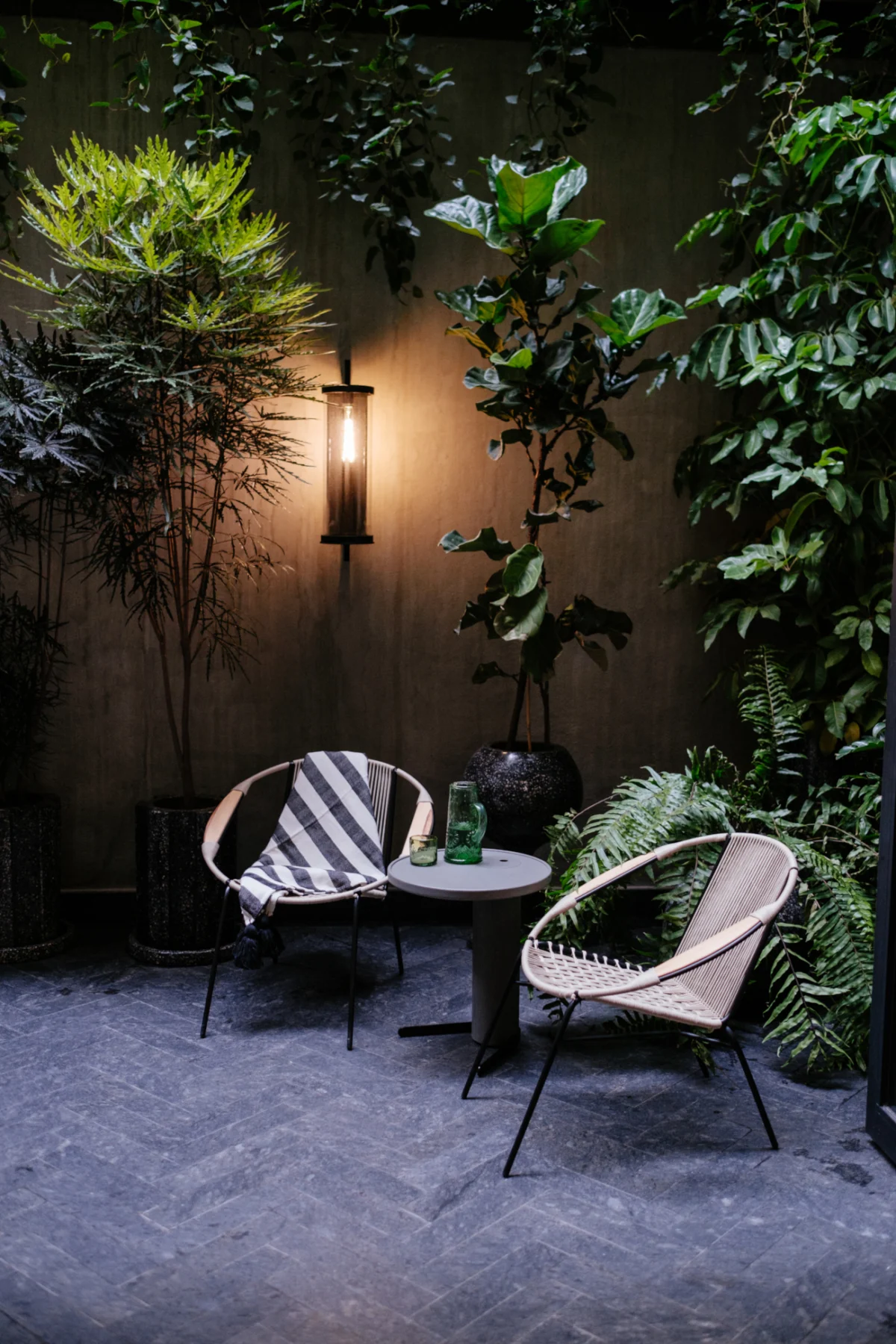
The property features a residential-inspired design that prioritizes privacy, comfort, and sensory engagement. Unlike traditional luxury hotels that often isolate guests from their surroundings through grand, impersonal lobbies, Colima 71 utilizes a courtyard-centric layout. This architectural choice, deeply rooted in Mexican history, allows for a seamless flow of air and light, creating a sanctuary that feels both open to the city and shielded from its frenetic pace.
Key highlights of the property include:
- Architecture: Led by T.A.X. / Alberto Kalach.
- Interior Design: A collaboration between Nomah Studio and Karla Celerio.
- Artistic Curation: Site-specific installations by Darío Escobar, Iñaki Bonilla, and Sofía Taboas.
- Philosophy: A "residential" feel that incorporates raw materials like stone, wood, and metal to reflect the urban landscape of Mexico City.
Chronology: From Porfirian Grandeur to Modern Revival
To understand the significance of Colima 71, one must understand the historical trajectory of Roma Norte. Developed at the beginning of the 20th century during the "Porfiriato" (the era of President Porfirio Díaz), the neighborhood was designed to emulate the grand boulevards of Paris. It became the enclave of the city’s aristocracy, characterized by French-style architecture and Art Nouveau flourishes.
However, the mid-20th century saw a shift as the wealthy moved further west to neighborhoods like Polanco. The 1985 earthquake dealt a devastating blow to the area, leaving many of its historic structures in ruins. For decades, Roma was a neighborhood in flux, characterized by a bohemian, somewhat dilapidated charm.
The 2010s marked the beginning of a sharp ascent. Young creatives, chefs, and architects began reclaiming the abandoned mansions, turning them into studios, "bistronomy" hubs, and concept stores. This revival set the stage for projects like Colima 71. The developers recognized that the modern traveler no longer sought the standardized luxury of a five-star chain; they sought the "Roma experience"—an authentic connection to the neighborhood’s storied past and its avant-garde present.
The development of Colima 71 followed a meticulous timeline of integration. The goal was not to replace the existing fabric of the street but to enhance it. By hiring Alberto Kalach—an architect known for his monumental yet environmentally conscious works—the project signaled a commitment to architectural excellence that would honor the neighborhood’s legacy while pushing it into the 21st century.
Supporting Data: The Architecture of Integration
The success of Colima 71 lies in its technical execution and material palette. Alberto Kalach, perhaps most famous for the Biblioteca Vasconcelos—a "mega-library" often cited as one of the most beautiful in the world—brought his signature "integration of nature" to this smaller-scale project.
Structural Materials and Light
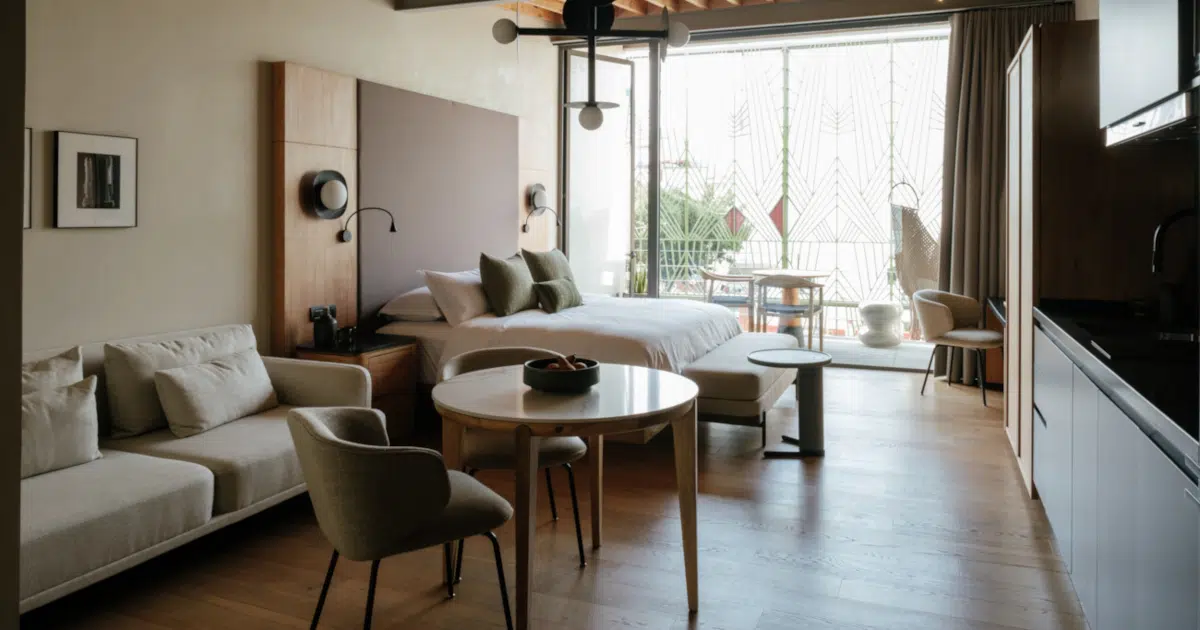
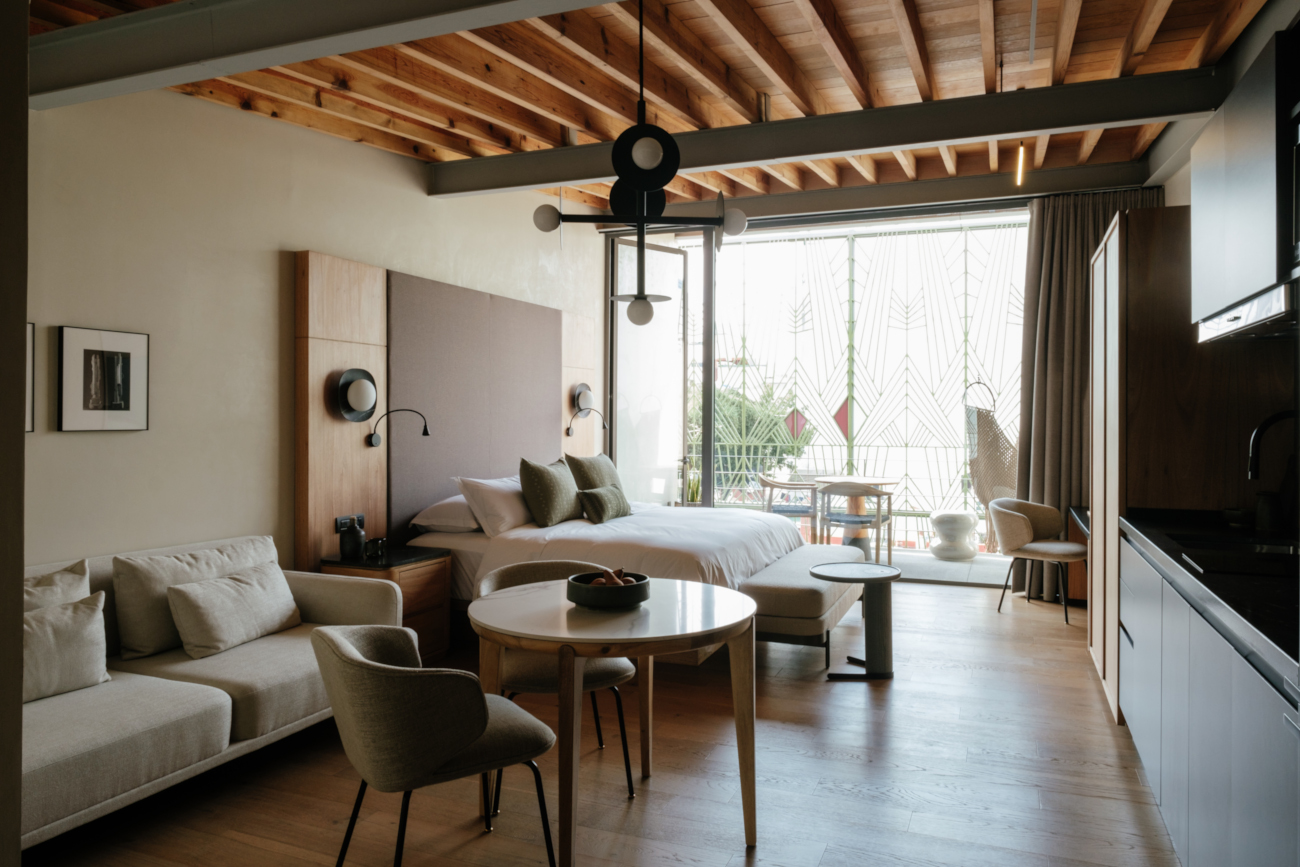
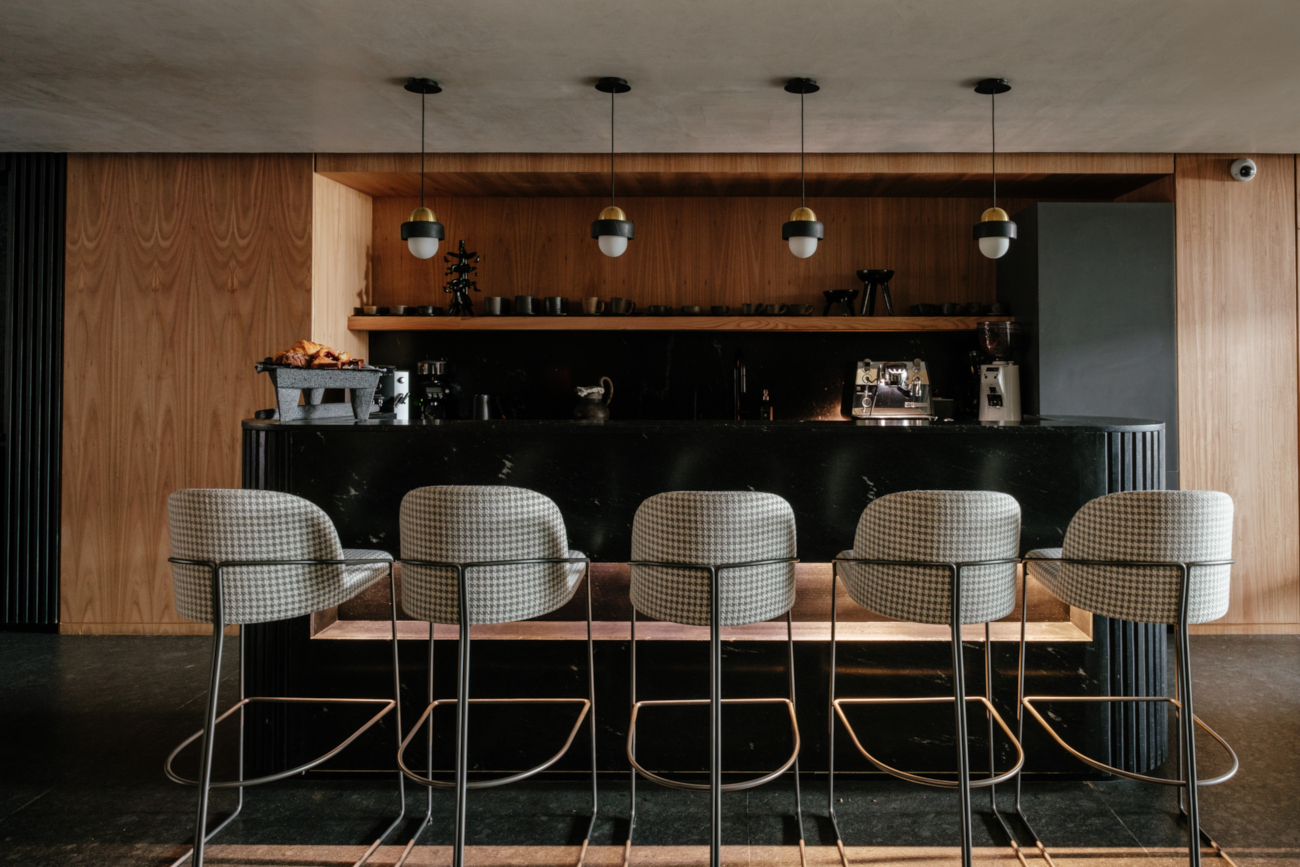
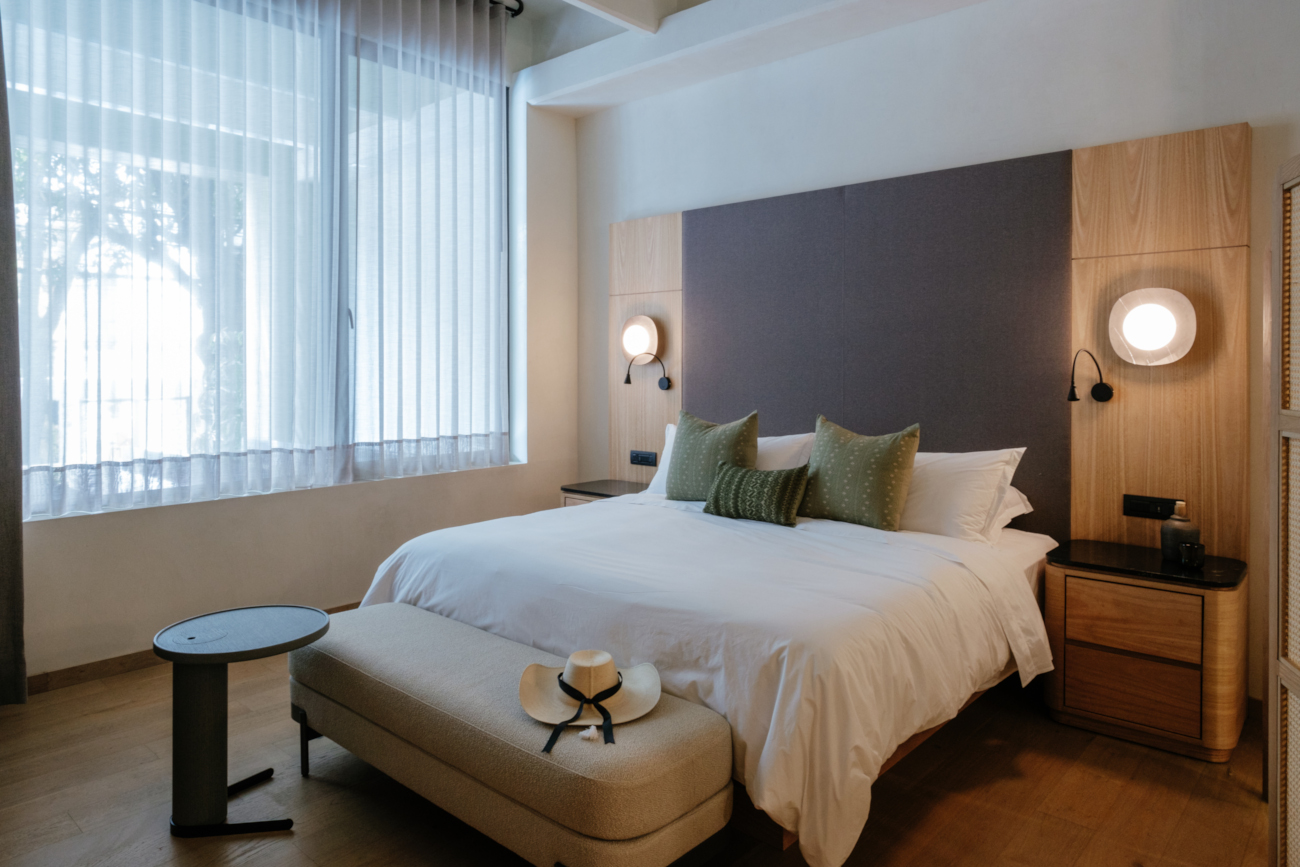
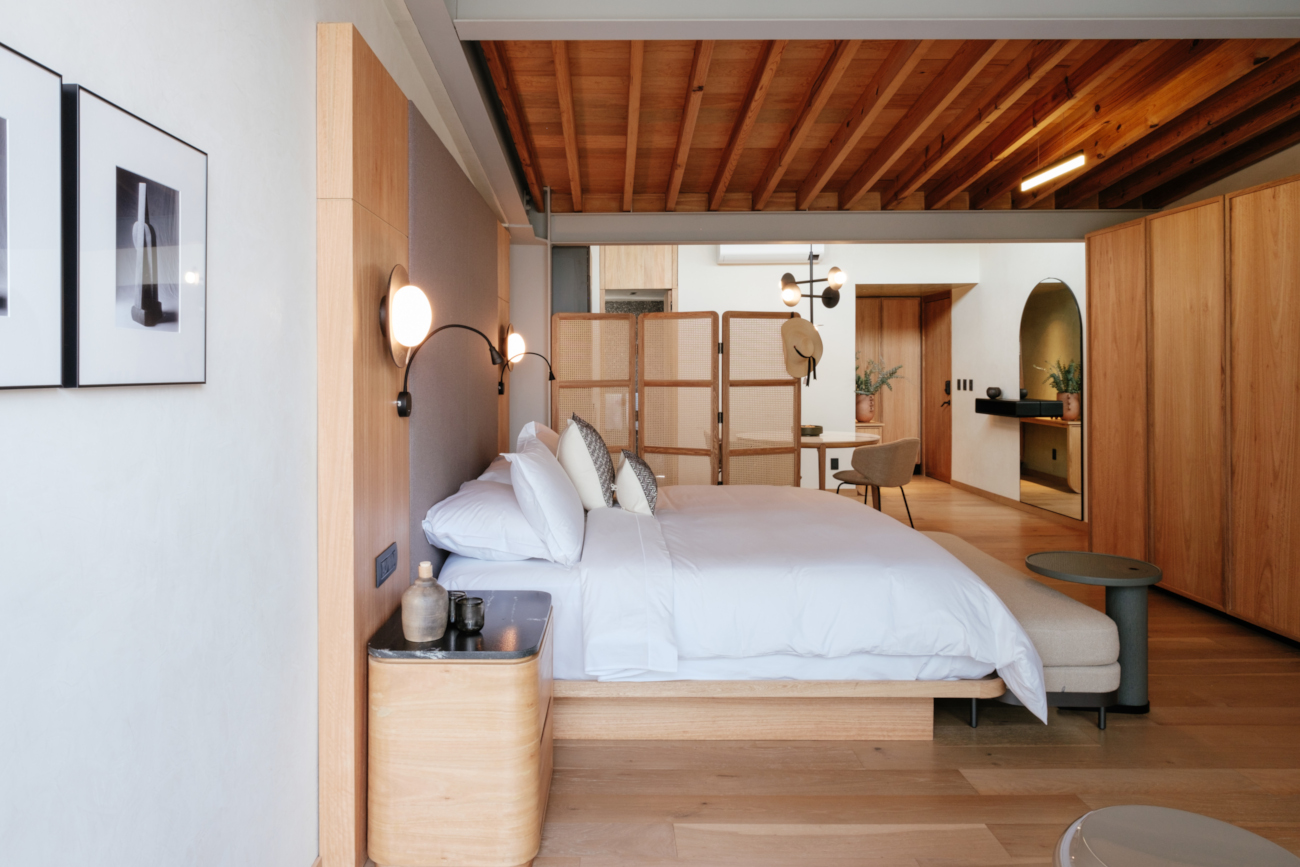
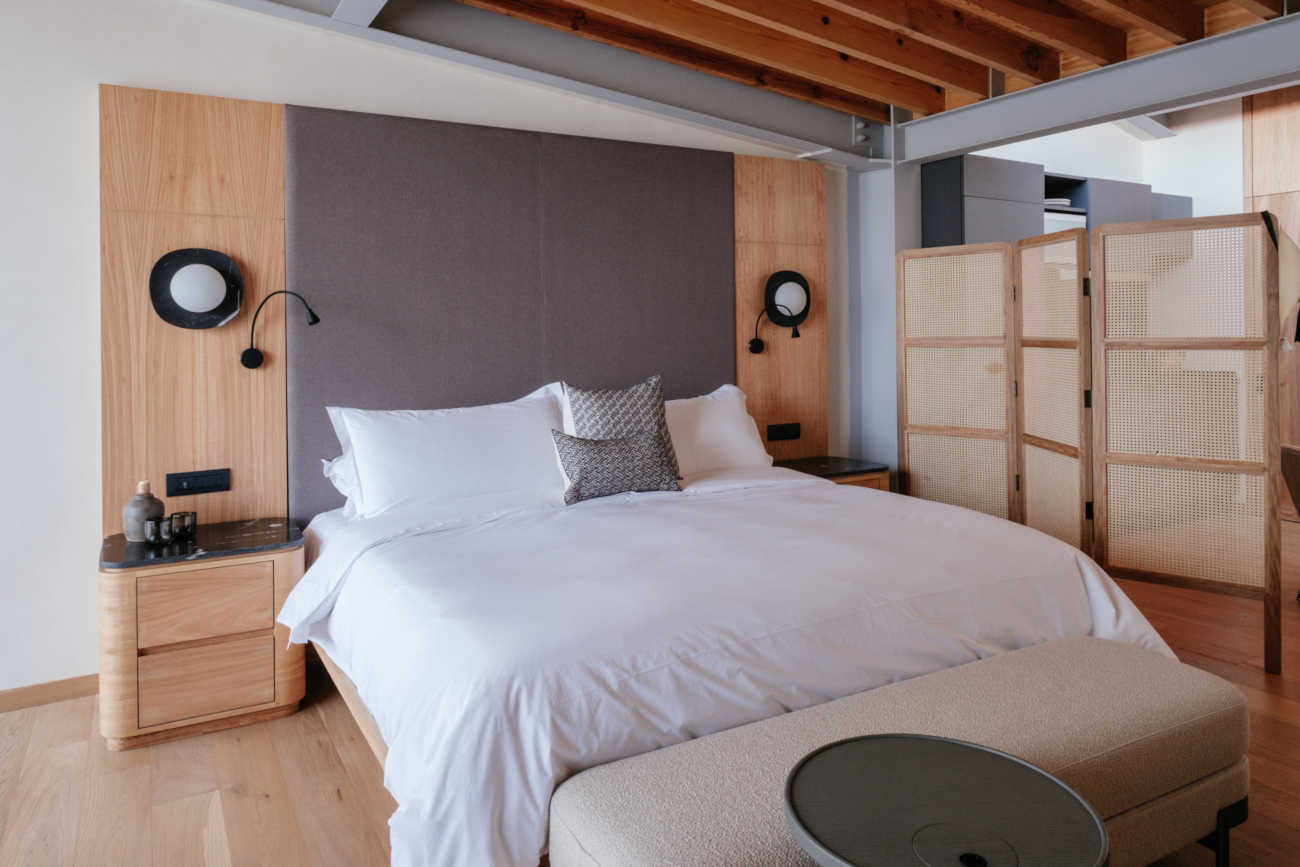
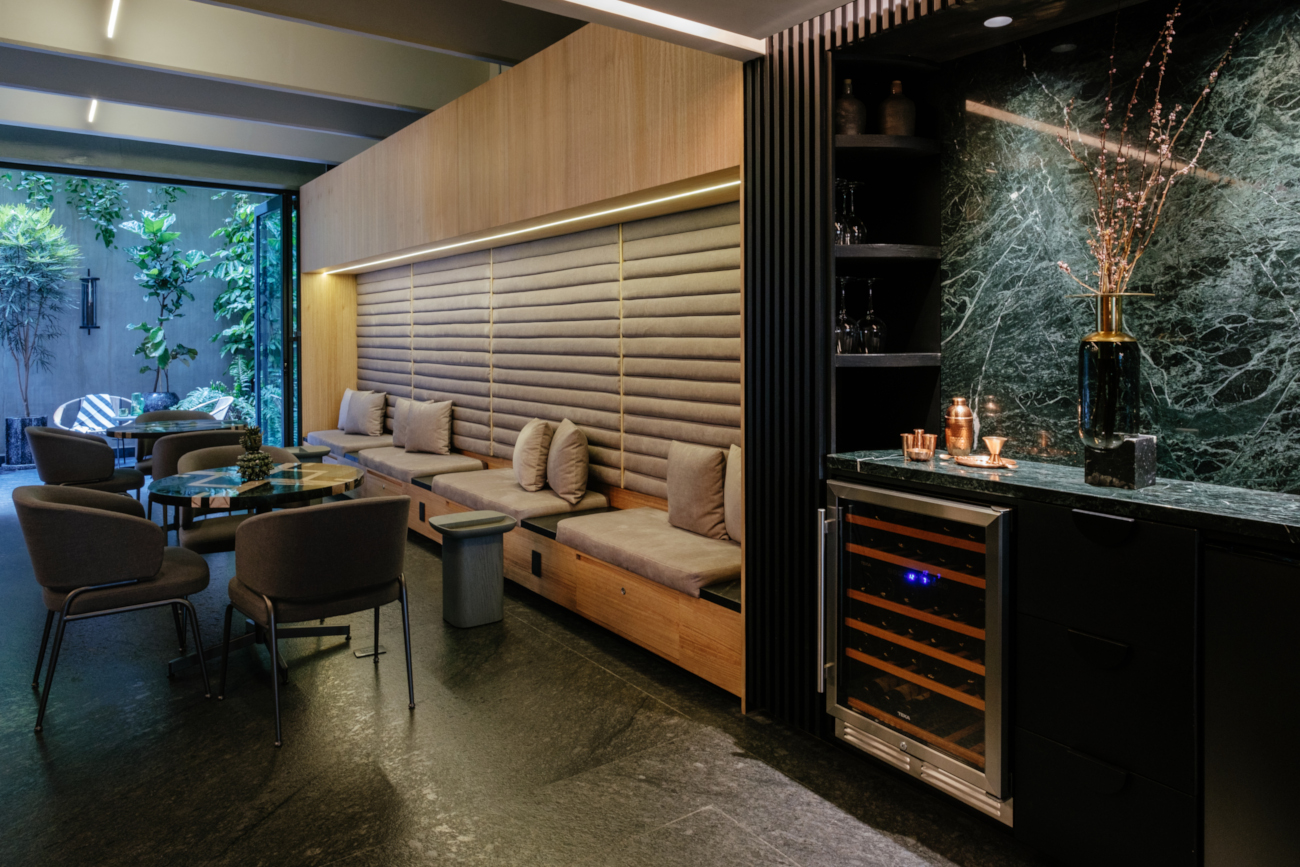
The architectural team utilized a palette of metal, stone, and wood to create a "clean yet cozy" environment. The use of exposed concrete and dark metal frames provides a structural honesty that reflects Mexico City’s industrial side, while the extensive use of warm timber and natural stone softens the edges.
The hotel is designed around a central courtyard, a feature that serves two purposes:
- Passive Cooling and Light: The courtyard acts as a thermal regulator, allowing natural ventilation to reduce the need for air conditioning. It also ensures that every room is washed in daylight, a rarity in dense urban environments.
- Visual Connectivity: The private balconies overlooking the courtyard allow guests to feel part of a collective space without sacrificing their personal privacy.
Interior Design: The Marriage of Eras
While Kalach provided the "bones" of the building, Nomah Studio and Karla Celerio provided the "soul." The interior design strategy was to create a dialogue between the "grandeur of yesteryear" and contemporary luxury.
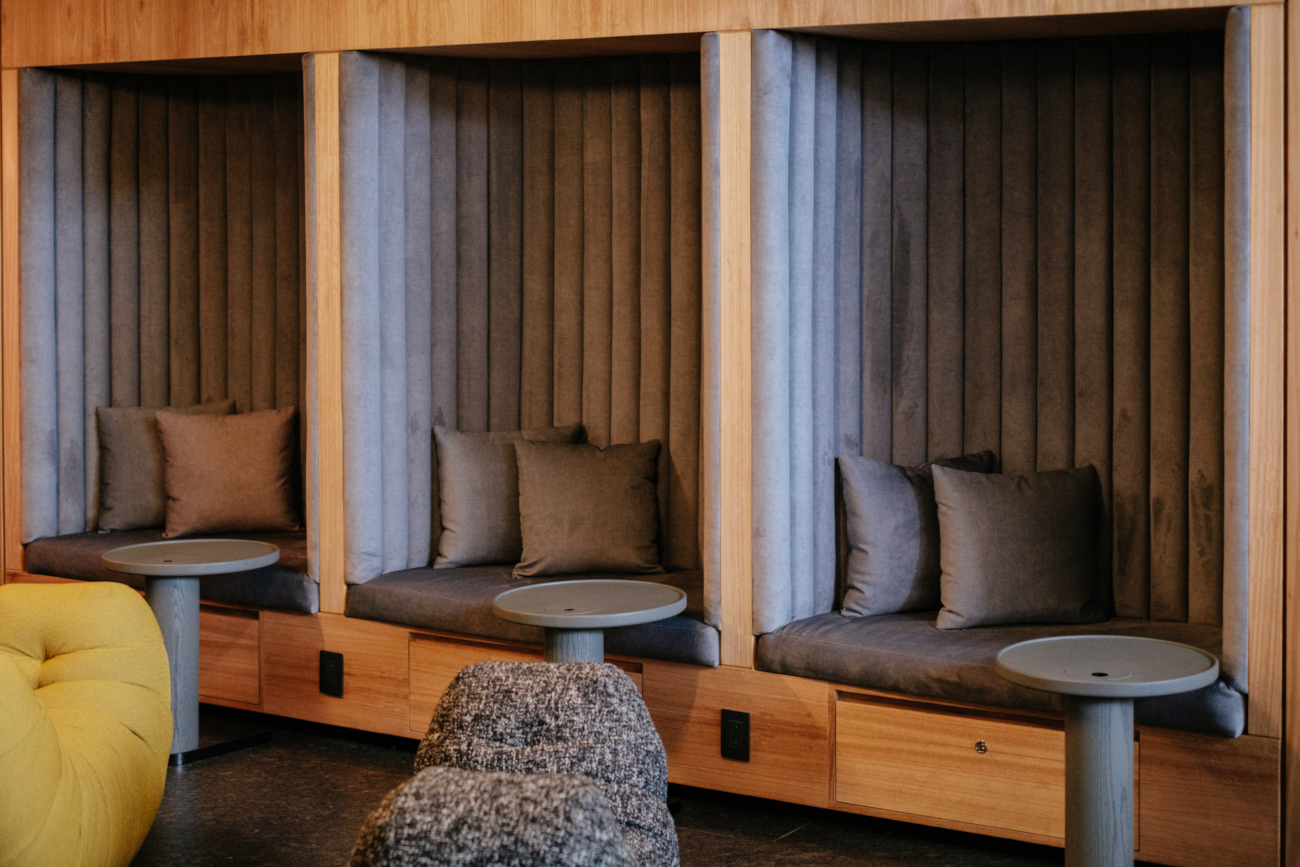
This was achieved through the juxtaposition of textures. Sleek marble surfaces and polished wood are paired with forward-looking furniture pieces upholstered in rich velvet. French tapestries provide a nod to the neighborhood’s European-inspired origins, while the minimalist lines of the custom furniture ensure the space feels firmly rooted in the present.
The Art as Architecture
The hotel’s commitment to the "Art Community" moniker is evidenced by its permanent collection, which features works that are integrated into the building’s very structure:
- Darío Escobar: His towering sculptural installation is the centerpiece of the vertical circulation. Using bicycle tires, stainless steel, and brass, Escobar creates a piece that comments on urban movement and the cycle of life. It frames the glass-and-metal escalator, turning a functional transit space into a gallery experience.
- Sofía Taboas: Her Art Deco-inspired latticework installation is a direct homage to the "herrería" (ironwork) found on the windows of classic Colonia Roma houses. It serves as both a security feature and a piece of historical commentary.
- Iñaki Bonilla: His photography collection provides a contemporary lens through which to view the city, grounding the guest’s experience in the reality of modern Mexico.
Official Responses: A Vision for Immersive Hospitality
The leadership at Colima 71 views the hotel not as a standalone business, but as a stakeholder in the neighborhood’s cultural health. Ana Ongay, the Managing Director of Colima 71 Art Community Hotel, has been vocal about the project’s mission to provide more than just a bed for the night.
“This is a very special project for Mexico City, and in particular, Colonia Roma Norte,” Ongay stated during the hotel’s launch. “At Colima 71, we wish to take our guests on an immersive journey through the neighborhood’s unique culture and lifestyle that begins as soon as they set foot in our hotel.”
Ongay emphasizes that the hotel serves as a "home base" for exploration. By intentionally limiting on-site amenities like massive dining halls, the hotel encourages guests to step out and engage with the local economy. “We’re just minutes from the best restaurants in the city, the most inspiring art galleries, and eccentric artisan shops,” Ongay added. “We want to provide our guests with a comfortable, design-forward home base and encourage them to explore the vibrant surrounding neighborhoods.”
This sentiment reflects a broader shift in the hospitality industry toward "conscious tourism," where the hotel acts as a curator and facilitator of local experiences rather than an all-inclusive bubble.
Implications: The Future of Urban Luxury and Tourism
The emergence of Colima 71 has significant implications for the future of Mexico City’s tourism and its architectural landscape.
1. The Rise of "Hyper-Local" Hospitality
Colima 71 proves that there is a high demand for hotels that reflect the specific identity of their zip code. As travelers become more sophisticated, the "anywhere-ness" of global luxury brands is losing its appeal. Projects that prioritize local architects, local artists, and local materials are setting the new gold standard.
2. Architectural Preservation Through Innovation
The project demonstrates how new construction can coexist with historic neighborhoods. Rather than attempting to "fake" a historic look, Colima 71 uses modern materials to interpret historic themes (like the courtyard and the latticework). This approach preserves the spirit of Roma Norte while allowing the neighborhood to evolve.
3. Economic Impact on the Creative Class
By positioning itself as an "Art Community Hotel," Colima 71 provides a platform for Mexican artists and designers to reach an international audience. This symbiotic relationship between hospitality and the arts helps sustain the very creative energy that makes Roma Norte a desirable destination in the first place.
4. Mexico City as a Global Design Leader
The involvement of a heavyweight like Alberto Kalach in a boutique hotel project underscores Mexico City’s status as a premier destination for architecture enthusiasts. It signals that the city is no longer just a place to see ancient ruins or colonial history, but a place to witness the cutting edge of contemporary design.
In conclusion, Colima 71 is a microcosm of the new Mexico City. It is sophisticated, deeply aware of its history, and unapologetically modern. For the traveler, it offers a sanctuary; for the city, it serves as a testament to the power of thoughtful, community-oriented design. As Roma Norte continues to lead the city’s cultural charge, Colima 71 stands as its most refined ambassador.



Leave a Comment