The Mad King Takes the Stage: Royal Shakespeare Company Unveils Star-Studded Cast for Groundbreaking Game of Thrones Play
Stratford-upon-Avon, UK – August 1, 2026 – The hallowed halls of the Royal Shakespeare Theatre are set to resonate with the echoes of dragonfire and madness as the Royal Shakespeare Company (RSC) today officially announced the full cast for their highly anticipated stage adaptation, George R. R. Martin’s Game of Thrones: The Mad King. This ambitious production, poised to premiere on August 8th, delves into a pivotal, yet largely unseen, period of Westerosi history, a decade before the events of the beloved A Song of Ice and Fire book series and the Emmy-winning television adaptation.
The premiere of The Mad King marks a significant moment, not just for the Game of Thrones fandom, but for the theatrical world as well. By bringing George R. R. Martin’s intricate lore to the live stage, the RSC is venturing into uncharted territory, promising audiences an intimate and dramatic exploration of the personalities and political machinations that ultimately set the stage for the devastating War of the Five Kings. The play is set to focus on the waning years of King Aerys II Targaryen’s reign, a period steeped in paranoia, ambition, and the simmering tensions that would eventually erupt into widespread conflict.
A Glimpse into the Court of Madness: The Unveiled Cast
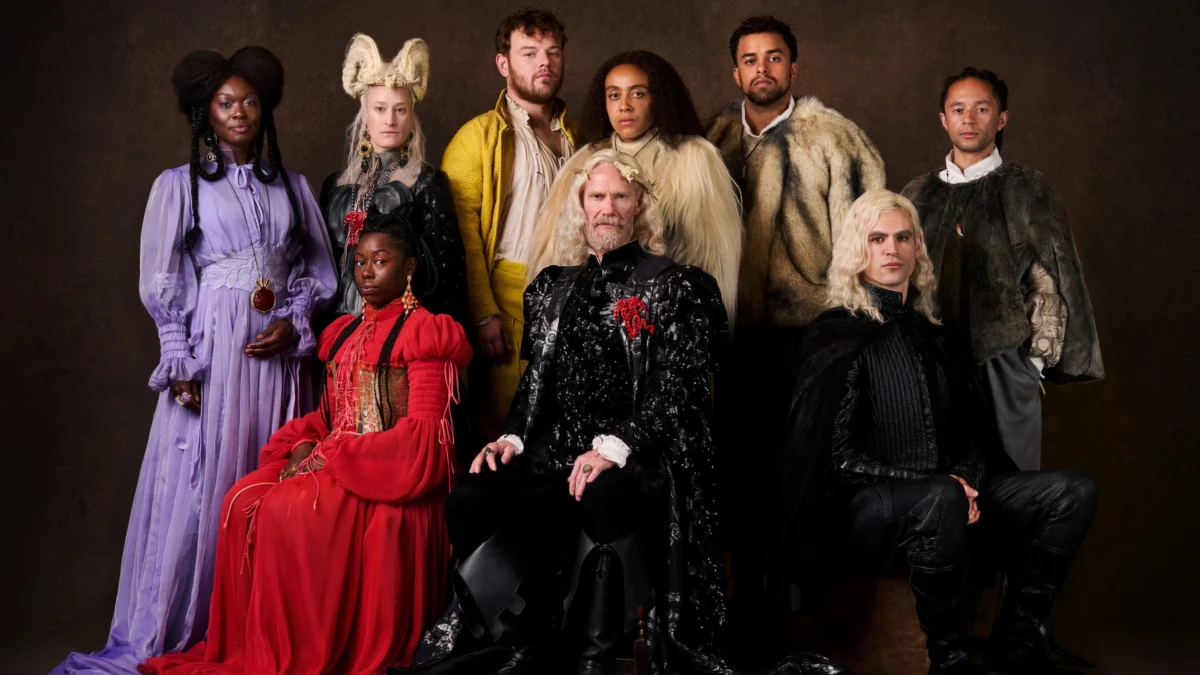
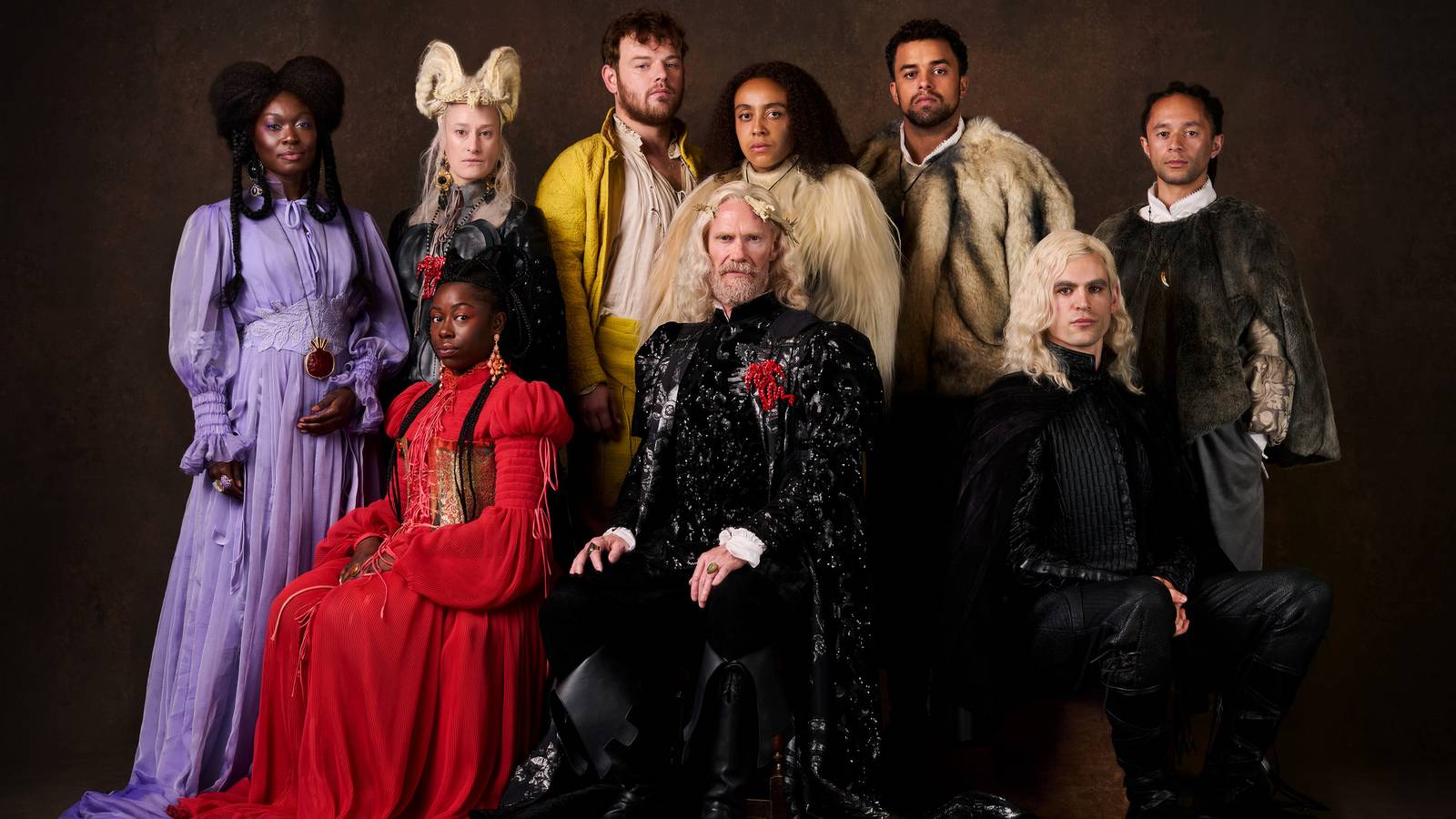
A striking promotional image, released today, offers the first official look at the principal cast members in their regal, and in some cases, foreboding, attire. Dominating the center of the frame is Michael Shaeffer, embodying the tormented King Aerys II Targaryen. His presence is surrounded by a constellation of characters who played crucial, often tragic, roles in the prelude to the Targaryen dynasty’s downfall.
The ensemble cast includes actors portraying:
- Ashara Dayne: A noble lady of Starfall, whose connection to the events of the era is shrouded in mystery and tragedy.
- Elia Martell: The beloved Princess of Dorne and wife to Prince Rhaegar Targaryen, whose fate would become a defining symbol of the brutality of war.
- Rhaella Targaryen: Queen and mother to the royal heirs, a woman who endured the escalating madness of her husband and the turmoil of her realm.
- Robert Baratheon: The charismatic and formidable lord who would eventually lead the rebellion against the Targaryens.
- Lyanna Stark: The spirited and independent daughter of Lord Rickard Stark, whose story is intrinsically linked to the catalyst for the war.
- Brandon Stark: Eldest son of Lord Rickard Stark, whose impetuous actions would have far-reaching consequences.
- Rhaegar Targaryen: The enigmatic and poetic Crown Prince, whose choices and allegiances would profoundly shape the future of Westeros.
- Eddard Stark: The honorable and stoic Lord of Winterfell, whose moral compass would guide him through the unfolding chaos.
This visual reveal not only introduces the actors bringing these iconic figures to life but also provides a tantalizing hint at the aesthetic and tone of the production. The costumes, meticulously crafted, appear to blend historical inspiration with the distinctive fantasy elements that define the Game of Thrones universe, promising a visually rich theatrical experience.
Chronology of Descent: Setting the Stage for Ruin
George R. R. Martin’s Game of Thrones: The Mad King is strategically set approximately ten years before the narrative begins in A Game of Thrones, the first novel in the A Song of Ice and Fire series. This temporal placement is crucial, allowing the play to explore the gradual erosion of King Aerys II’s sanity and the political landscape that allowed his tyranny to fester. The play is expected to center around a pivotal dinner banquet, a seemingly ordinary social gathering that will serve as the crucible for escalating tensions, veiled threats, and the seeds of rebellion.
This era, often referred to as the "Targaryen twilight," is a fascinating and complex period in Westerosi history. It was a time when the seeds of discontent were sown, fueled by the king’s increasing paranoia, his irrational decrees, and the growing resentment among the Great Houses. The play’s focus on this specific period allows for an in-depth examination of the characters who, though perhaps less central in the initial narrative of the books and show, were instrumental in shaping the events that followed. Their motivations, their relationships, and their silent observations of the king’s descent into madness will undoubtedly form the dramatic core of the production.
The RSC’s decision to adapt this particular period is a testament to the rich and intricate tapestry of Martin’s world-building. While the major events of Robert’s Rebellion are widely known, the play offers a unique opportunity to explore the subtle, yet profound, human dramas and political maneuverings that precipitated such widespread conflict. Audiences will be privy to the internal struggles of characters like Rhaella Targaryen, who must navigate the increasingly erratic behavior of her husband, and the growing unease among lords who witness the erosion of justice and reason.
Supporting Data: The Rich Lore of the Mad King’s Reign
The lore surrounding King Aerys II Targaryen is extensive and offers fertile ground for dramatic interpretation. Known for his obsession with wildfire, his cruel punishments, and his eventual descent into outright madness, Aerys’s reign was a period of significant instability. The play’s focus on this period allows for the exploration of key events and relationships that are only hinted at in the main narrative.
For instance, the presence of characters like Ashara Dayne and Lyanna Stark in the central image suggests that the play will delve into the complex and often tragic relationships that existed between the noble houses. The rumored affair between Rhaegar Targaryen and Lyanna Stark, a central mystery and a major catalyst for Robert’s Rebellion, is likely to be a significant element of the narrative. The play has the potential to shed new light on the circumstances surrounding their interactions and the impact on those closest to them.
Furthermore, the inclusion of characters like Elia Martell and Rhaella Targaryen highlights the often-overlooked perspectives of the women within the royal court. Their experiences, their resilience, and their complicity or resistance to the king’s actions will undoubtedly add layers of complexity and emotional depth to the production. The play has the opportunity to explore the pressures and constraints faced by these women in a patriarchal society dominated by the whims of a mad king.
The play’s title, The Mad King, itself is a direct nod to Aerys II’s infamous moniker. His reign was marked by increasing paranoia, fueled by his belief that enemies were conspiring against him. This paranoia led to the brutal executions of many perceived traitors, including Lord Rickard Stark and his son Brandon. These events, which occurred shortly before the full-blown rebellion, are likely to be a significant backdrop to the events depicted in the play, even if they occur just outside the immediate focus of the banquet.
The RSC’s meticulous approach to adapting literary works is well-documented. Their commitment to historical accuracy in their Shakespearean productions suggests that The Mad King will be grounded in the established lore of Martin’s universe, while also allowing for creative interpretation and dramatic license. The stage offers a unique intimacy that can amplify the psychological torment of Aerys and the palpable fear and tension experienced by those around him.
Official Responses: A Collaborative Vision for Westeros on Stage
While direct quotes from George R. R. Martin himself regarding this specific production have yet to be widely disseminated, the involvement of the RSC in adapting his work speaks volumes. The company is renowned for its commitment to bringing complex literary narratives to life with integrity and artistic vision. Their previous adaptations of classic and contemporary literature have consistently earned critical acclaim, suggesting that The Mad King will be a production of considerable theatrical merit.

The RSC’s artistic director, in a statement released earlier this year, expressed immense enthusiasm for the project. "To bring the rich and intricate world of George R. R. Martin’s Game of Thrones to the stage is an extraordinary opportunity," the statement read. "We aim to explore the human cost of unchecked power and the delicate balance of loyalty and ambition that defines this legendary saga. The Mad King offers a unique lens through which to examine the very foundations of the conflicts that have captivated millions."
This sentiment underscores the RSC’s intention to go beyond a simple retelling of events, aiming instead for a nuanced exploration of character and theme. The production promises to be a deep dive into the psychological and political landscape that led to the eventual downfall of the Targaryen dynasty, offering a fresh perspective for both seasoned fans and newcomers to the Game of Thrones universe.
Implications: Reshaping the Narrative Landscape
The implications of George R. R. Martin’s Game of Thrones: The Mad King extend beyond the immediate theatrical experience. By bringing this specific period to the forefront, the play has the potential to reshape how audiences understand the overarching narrative of Game of Thrones. It elevates the significance of the events and characters that were previously relegated to backstory or brief mentions, providing a more comprehensive and nuanced understanding of the motivations and consequences that drove the main storyline.
For fans who have long pondered the intricacies of Westerosi history, this play offers an unprecedented opportunity to witness these formative moments unfold live. The intimate setting of the theatre can amplify the emotional impact of character interactions, the palpable tension of political intrigue, and the tragic inevitability of the unfolding events. It allows for a deeper connection with the characters, fostering empathy and understanding for their choices, even in the face of immense pressure and moral compromise.
Furthermore, this stage adaptation signifies a growing trend of bringing beloved fantasy worlds to new mediums. While video games and animated series have become commonplace, the theatre offers a unique and challenging platform. The success of The Mad King could pave the way for further theatrical interpretations of epic fantasy narratives, demonstrating the medium’s capacity to explore complex storytelling and character development in a live, visceral experience.
The casting of actors like Michael Shaeffer in the central role of King Aerys II Targaryen is also significant. It highlights the RSC’s commitment to bringing in experienced actors capable of conveying the immense complexity and dramatic weight of such a character. The performances of the entire ensemble will be crucial in bringing the turbulent atmosphere of King Aerys’s court to life, making the audience feel the pervasive sense of unease and the ever-present threat of the king’s volatile temper.
Ultimately, George R. R. Martin’s Game of Thrones: The Mad King is more than just a stage play; it is an ambitious endeavor to illuminate a crucial, yet often shadowy, chapter in one of the most celebrated fictional universes of our time. As the Royal Shakespeare Company prepares to raise the curtain, audiences can anticipate a compelling theatrical journey into the heart of madness, ambition, and the tragic events that forever altered the course of Westeros. The play is scheduled to run at the Royal Shakespeare Theatre in Stratford-upon-Avon from August 8th to September 5th, offering a limited engagement for fans to experience this pivotal moment in Game of Thrones history.