The Neon Horizon: Nevada’s Landmark Decision to Greenlight 8,000 Robotaxis in Las Vegas
LAS VEGAS — In a move that signals a paradigm shift for the future of urban mobility, the state of Nevada has officially opened its doors to a massive influx of autonomous vehicles. On Thursday, the Nevada Transportation Authority (NTA) issued a unanimous approval for three pivotal permits that will allow Tesla, Uber, and Waymo to launch and scale commercial robotaxi services within Clark County.
This decision marks one of the most significant regulatory milestones in the history of autonomous transportation. By authorizing a combined fleet of up to 8,000 driverless vehicles to operate in the world-renowned hub of Las Vegas, Nevada is positioning itself as the primary laboratory for the commercialization of AI-driven transit. However, the move has ignited a fierce debate between tech optimists envisioning a frictionless future and local labor advocates who fear the "Silicon Valley-fication" of the Nevada workforce.
Main Facts: A Triple-Threat Expansion
The NTA’s ruling provides a clear roadmap for three of the industry’s largest players to monetize their autonomous technologies. The permits are structured to allow for a phased but aggressive rollout over the next 12 months.
The Permit Breakdown
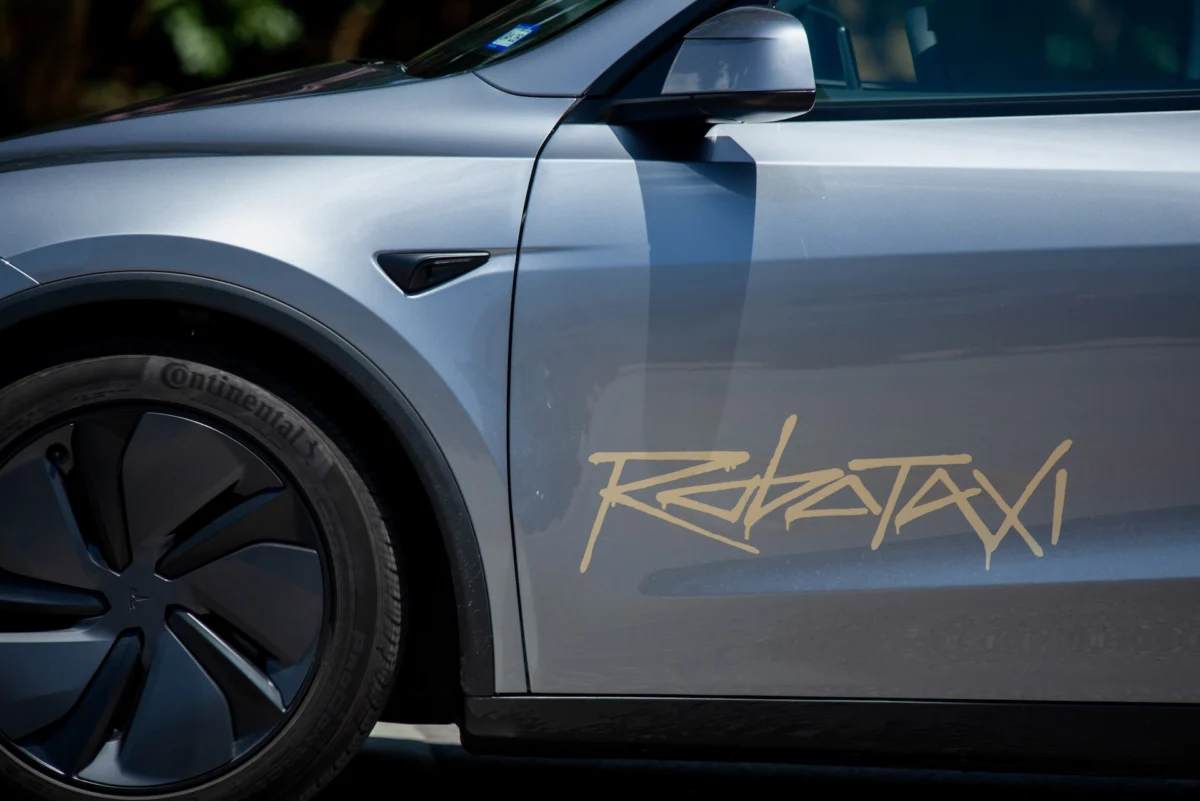
- Tesla: The biggest winner in terms of raw numbers, Tesla received a permit to deploy up to 5,000 robotaxis. This aligns with CEO Elon Musk’s long-standing promise to turn the existing Tesla fleet (and the upcoming "Cybercab") into a revenue-generating autonomous network.
- Waymo: The Alphabet-owned subsidiary, which already operates successful commercial services in Phoenix, San Francisco, and Los Angeles, was granted a permit for 1,000 vehicles. Waymo is widely considered the industry leader in terms of safety miles and "level 4" autonomous maturity.
- Uber: In a strategic pivot, Uber was approved for 1,000 robotaxis. Unlike Tesla and Waymo, Uber does not currently manufacture its own autonomous hardware. Instead, it will act as the platform layer, utilizing vehicles from its partners, Motional (a Hyundai-Aptiv joint venture) and Zoox (owned by Amazon).
- Zoox: Already a player in the region, Zoox holds a separate autonomous vehicle network company permit allowing for an additional 100 vehicles.
Together, these permits represent a potential 8,000-vehicle surge in a county already grappling with unique traffic challenges. If fully realized, this would make Clark County the densest robotaxi market in the world.
Chronology: From Pilot Programs to Commercial Primetime
The path to Thursday’s unanimous vote has been years in the making. Las Vegas has long served as a "sandbox" for autonomous technology due to its wide boulevards, predictable weather, and high demand for short-range tourist trips.
- 2018–2022: The Testing Phase. Companies like Motional (formerly Aptiv) began running piloted tests on the Las Vegas Strip, primarily through the Lyft and Uber apps, but always with a human safety driver behind the wheel.
- 2023: The Shift to Driverless. Zoox and Waymo began more rigorous "rider-only" testing in specific geofenced areas, including the "Golden Triangle" and downtown Las Vegas.
- Early 2024: The Legislative Push. The NTA began reviewing applications for full commercialization, moving beyond "testing" permits to "commercial service" permits that allow for per-mile billing without human intervention.
- October 2024: The NTA Hearing. The pivotal meeting occurred this past Thursday, where representatives from the tech giants faced off against local taxi unions and livery operators before the board reached its unanimous decision.
Supporting Data: Reality vs. Projections
While the permits allow for 8,000 vehicles, industry experts and the companies themselves suggest that the actual number of cars hitting the pavement by late 2025 will be significantly lower. The discrepancy between the "ceiling" and the "expected deployment" highlights the logistical hurdles of scaling robotaxis.
Tesla’s Conservative Scaling
During the NTA hearing, Eric Early, Tesla’s Cybercab chief engineer, offered a rare moment of corporate temperance. Despite holding a permit for 5,000 cars, Early admitted that the company is unlikely to reach that capacity within the year.
"The 5,000 has always been a ceiling for us," Early testified. "I don’t think we’ll be in a position by this time next year to deploy 5,000 vehicles, and it’s not [because of] the technology… I think we would be extremely happy and satisfied if we could get ourselves up to 2,500, maybe a bit higher than that in the next year."
The Geographic Concentration
The deployment is not spread evenly across Clark County’s 8,000 square miles. Instead, it is concentrated in the "Golden Triangle"—the high-traffic corridor between Harry Reid International Airport, Las Vegas Boulevard (The Strip), and the downtown core.
Data suggests that nearly 90% of current AV testing and planned deployment is focused on this 10-mile radius. This concentration is the primary driver of concerns regarding roadway oversaturation.
Official Responses: A Clash of Visions
The NTA meeting served as a forum for two diametrically opposed visions of the American city.
The Opposition: Labor and Traffic Concerns
Kimberly Maxson-Rushton, a prominent attorney representing the Livery Operators Association, voiced the anxieties of the traditional taxi and limousine industry. She argued that the NTA is moving too quickly without considering the infrastructure or the human cost.
"These applications raise two grave concerns," Maxson-Rushton stated. "One deals with the oversaturation of the commercial transportation industry as a whole in Nevada. And the second one deals with the overcrowding of the roadways, and specifically the Golden Triangle."
Local taxi drivers, many of whom have seen their earnings stagnate since the arrival of ride-hailing apps a decade ago, view the robotaxi influx as an existential threat. They argue that unlike human drivers, robotaxis do not spend their earnings in the local economy, potentially leading to a net drain on Nevada’s middle class.
The "Goldilocks" Defense: Uber’s Hybrid Strategy
Uber has adopted a unique rhetorical position in this debate. Recognizing that a total shift to autonomous vehicles might alienate its massive human driver base and invite regulatory blowback, Uber is advocating for a "hybrid approach."
During the meeting, Uber representatives pitched a system where human drivers and autonomous vehicles work in tandem. Under this model, humans would handle complex routes, peak-hour surges, and specialized assistance, while robotaxis would handle high-volume, predictable routes. Uber has even lobbied for regulations that would require autonomous operators to partner with existing ride-hailing networks that utilize human drivers—a move seen by some as a way to gatekeep the industry against Waymo’s "closed-loop" model.
Implications: The Transformation of the "Gig Economy"
The NTA’s decision carries implications that extend far beyond the borders of Nevada. As the first state to authorize such a large-scale commercial deployment, Nevada is setting the legal and economic precedent for the rest of the country.
1. The Workforce Evolution
The most immediate implication is the shift in labor. Critics argue that 8,000 robotaxis could displace thousands of human drivers. Conversely, proponents argue that the autonomous industry will create a "new category" of high-tech blue-collar jobs. These include:
- Fleet Technicians: Specialized mechanics for sensors and Lidar systems.
- Remote Assistance Operators: Humans who "tele-operate" or guide vehicles through confusing construction zones from a central command center.
- Sanitization and Charging Crews: Rapid-response teams to maintain fleet hygiene and energy levels.
2. Urban Planning and Congestion
Las Vegas is a city designed for cars, but its infrastructure is already at a breaking point during major events like Formula 1 or CES. The addition of thousands of autonomous vehicles—which often "deadhead" (drive empty) to reach passengers or charging stations—could lead to unprecedented gridlock. The NTA will likely face pressure to implement "congestion pricing" or "empty-mile taxes" to prevent the Golden Triangle from becoming a permanent parking lot.
3. The Competitive Landscape
The "Robotaxi Battleground" is now officially set.
- Waymo brings the most reliable, "vision-plus-Lidar" technology but scales slowly.
- Tesla brings a massive existing fleet and a "vision-only" approach that is cheaper to produce but remains controversial among safety advocates.
- Uber brings the customers. With millions of users already on its app, Uber’s ability to "turn on" a robotaxi option for its existing user base gives it a massive distribution advantage over standalone apps.
4. Safety and Public Trust
The eyes of the world will be on Clark County. Any high-profile accident involving an autonomous vehicle in the next 12 months will not only impact the companies involved but could lead to a nationwide regulatory freeze. The NTA’s "unanimous" support suggests a high level of confidence, but as these 8,000 vehicles move from the controlled environment of a permit application to the chaotic reality of the Las Vegas Strip, that confidence will be put to the ultimate test.
As Nevada prepares for this rollout, one thing is certain: the "Neon City" is about to become the "Sensor City," and the way we think about work, travel, and urban life is about to change forever.