The New Frontier of Sports Cinematography: ‘The Longest Day’ and the Immersive Evolution of the Apple Vision Pro
The landscape of sports documentary filmmaking is undergoing a seismic shift, moving away from the traditional "flat" screen and into the realm of spatial computing. The latest catalyst for this evolution is The Longest Day, a seven-minute immersive sports documentary that has recently debuted on the Apple Vision Pro. Available for free via the Amplium and Theater applications, the film offers more than just a glimpse into the life of an elite athlete; it serves as a technical manifesto for the future of immersive storytelling.
Main Facts: A New Benchmark for Spatial Media
The Longest Day follows the grueling journey of French triathlete Jules Wagner as he prepares for an Ironman competition with the singular goal of qualifying for the World Championships. While the narrative focus is on Wagner’s physical and mental fortitude, the project’s significance lies in its technical execution and its distribution on Apple’s high-end spatial headset.
Produced by the creative studio altitude.101, the film distinguishes itself by eschewing the static, "fly-on-the-wall" perspective common in early VR experiences. Instead, it employs a sophisticated array of cinematic techniques designed to maximize the capabilities of the Apple Vision Pro’s micro-OLED displays and spatial audio system.
Key facts regarding the release include:
- Platforms: Distributed through the Amplium and Theater apps on visionOS.
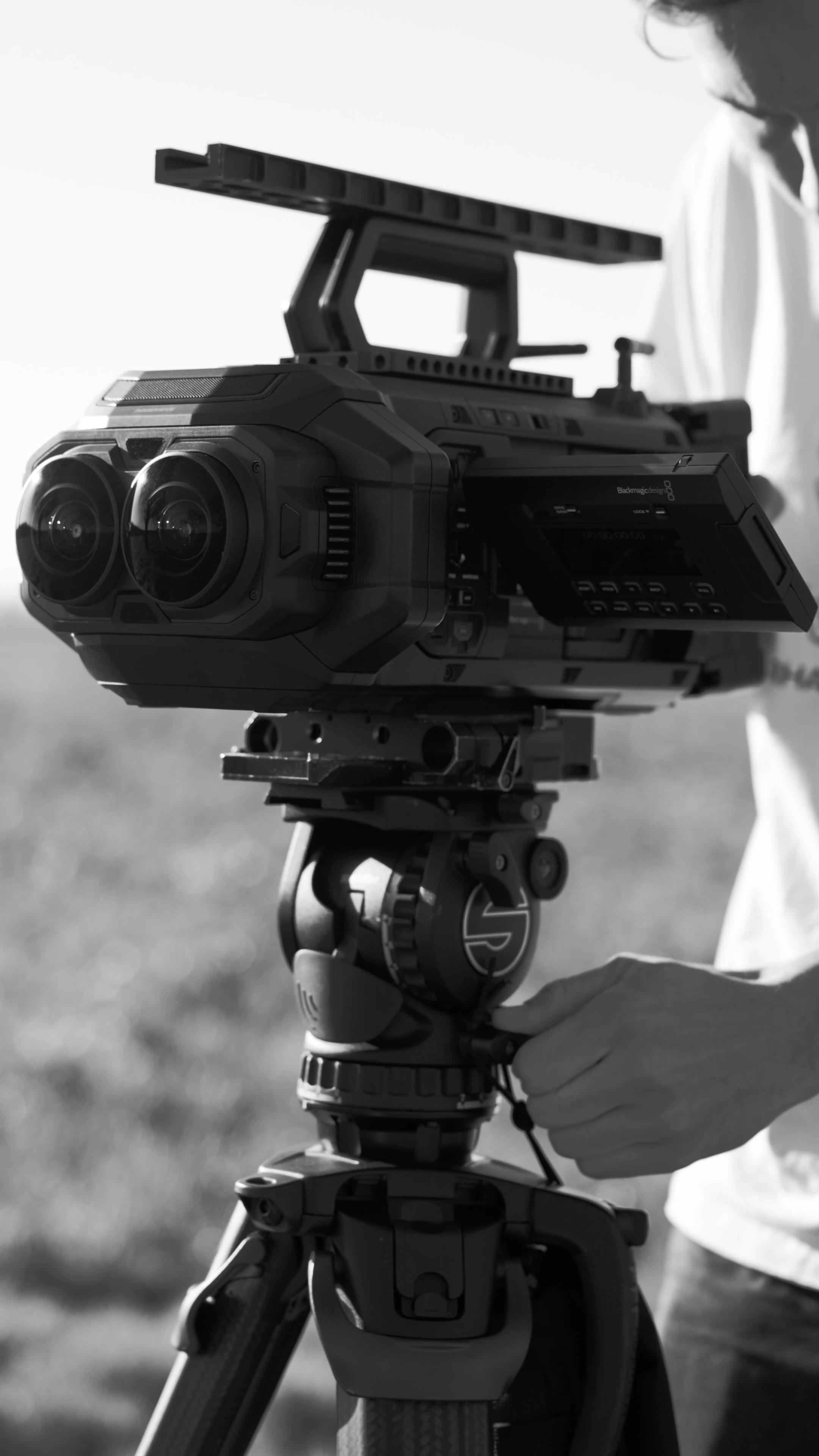
- Technology: Captured using the premium Blackmagic URSA Cine Immersive camera system.
- Creative Scope: Features a blend of high-speed tracking shots, underwater cinematography, and stylized data overlays.
- Accessibility: Includes subtitles in English, German, and Japanese, catering to a global audience despite the protagonist speaking French.
Chronology: From Training Grounds to the Global Stage
The narrative structure of The Longest Day is designed to mirror the rhythmic, often punishing nature of a triathlete’s life. The film does not merely present a chronological sequence of events but rather a curated "day in the life" that represents months of preparation.
The Preparation Phase
The documentary opens by grounding the viewer in Wagner’s environment. Unlike traditional documentaries where the viewer is a detached observer, the immersive format places the audience within inches of the athlete. The early scenes focus on the quiet, internal discipline required for Ironman training—the early mornings and the repetitive nature of the grind.
The Intensity Escalation
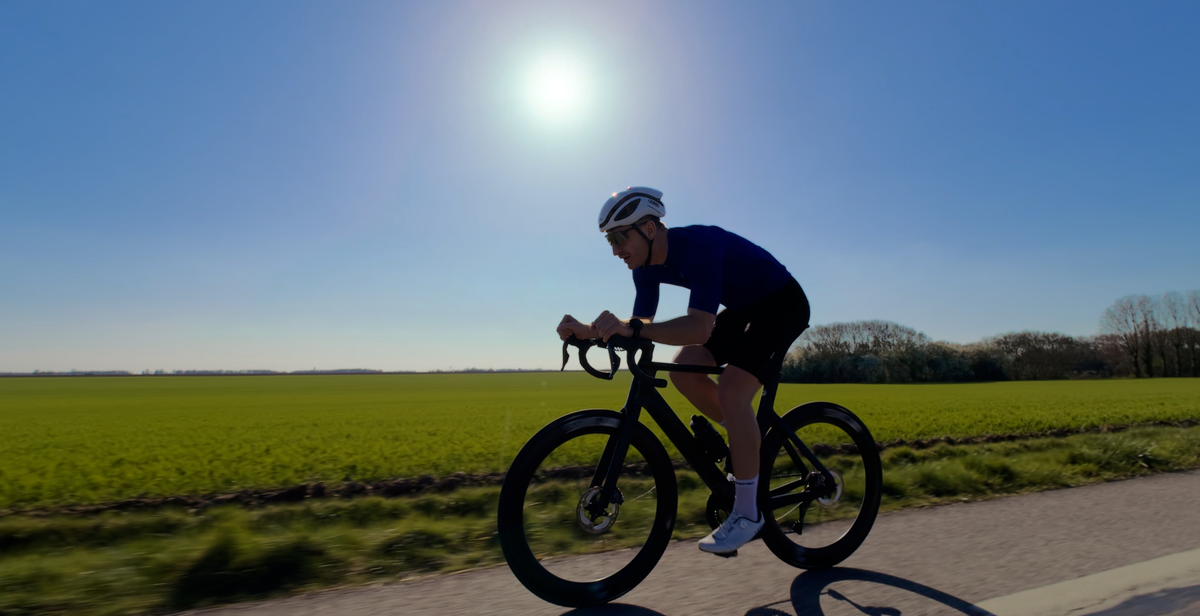
As the film progresses, the pace quickens. The production team utilizes a camera crane mounted to a Jeep, driven at full speed alongside Wagner as he runs. This sequence is pivotal; it marks a transition from observational storytelling to experiential storytelling. The viewer isn’t just watching a man run; they are subjected to the visual cues of his velocity.
The Final Push
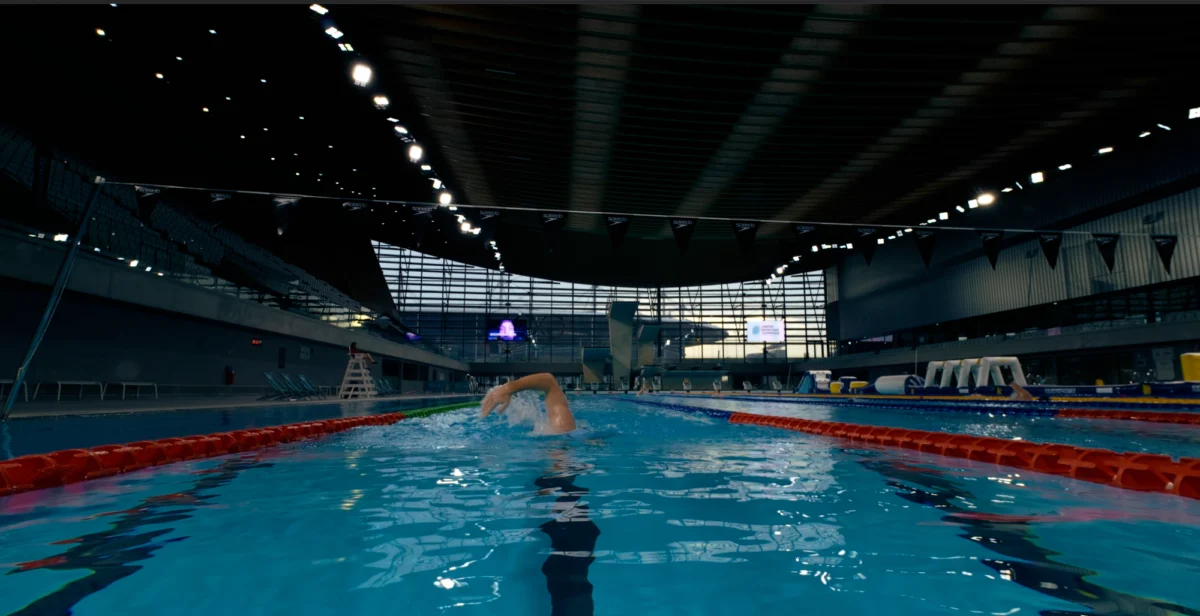
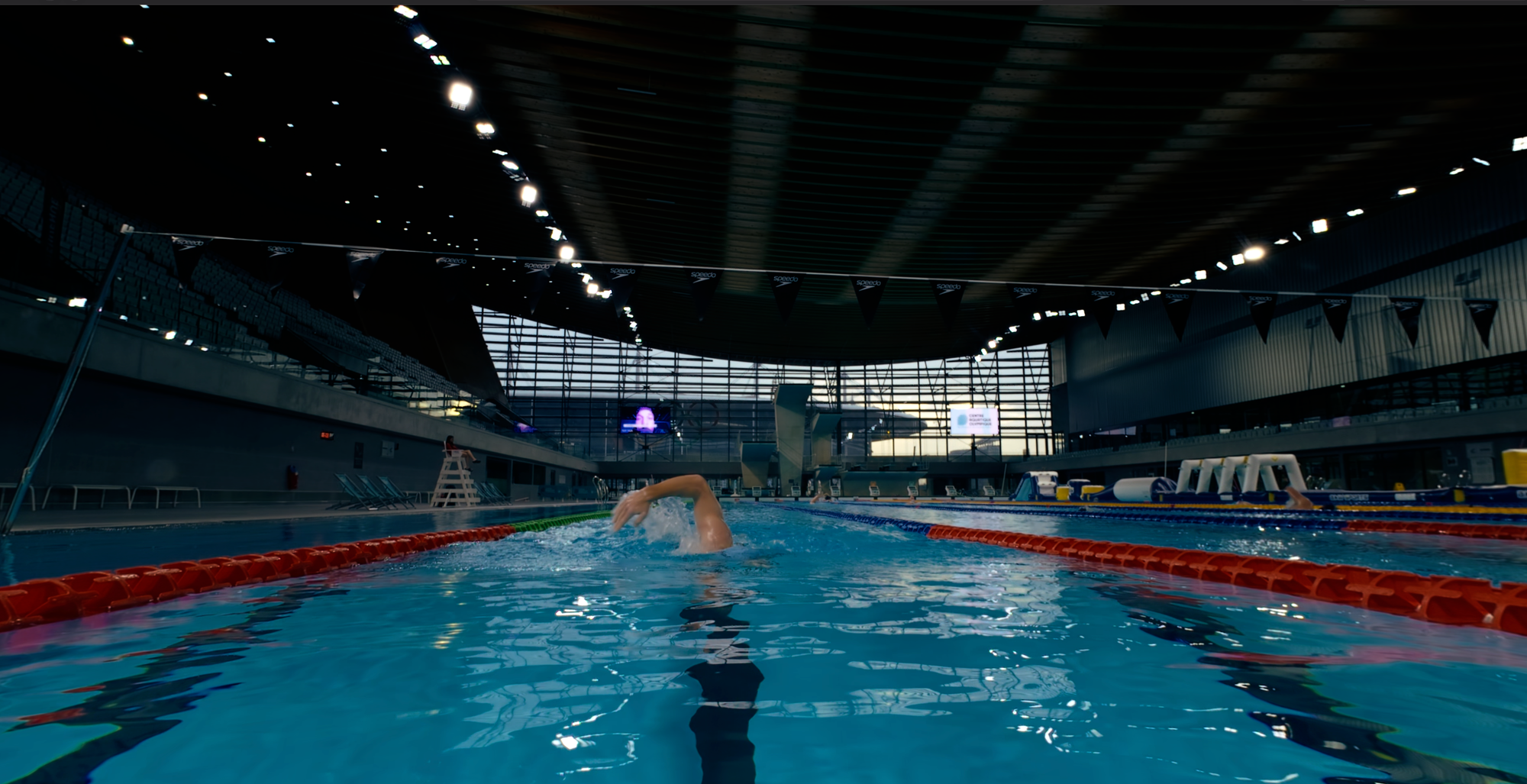
The climax of the short film captures the visceral nature of the swim and the transition to the bike. By utilizing custom-built waterproof housing for the Blackmagic cameras, altitude.101 places the viewer directly in the water. The film concludes not just with the result of a race, but with an inspirational message regarding the human spirit’s capacity to endure setbacks—a theme that resonates beyond the specific confines of triathlon.
Supporting Data: The Technology and Economics of Immersion
To understand the impact of The Longest Day, one must look at the technical and economic data points that define the current state of spatial media.
The Hardware Edge
The use of the Blackmagic URSA Cine Immersive camera is a critical data point. This camera system is specifically designed to capture the high resolution and frame rates necessary to prevent motion sickness in VR while maintaining "retina-level" clarity. In spatial computing, any drop in resolution or frame rate can break the "presence"—the psychological sense of actually being in a location. The Longest Day maintains this presence through:
- High Dynamic Range (HDR): Ensuring the bright Mediterranean sun and the dark depths of the water are both rendered with lifelike detail.
- Spatial Audio: The sound of splashing water and rhythmic breathing moves around the viewer, providing 360-degree orientation.
Market Valuation
The release of this documentary coincides with a period of massive projected growth in the sports media sector. According to a 2025 report by consultancy firm Kearney, the global sports market is currently valued at over $400 billion. This valuation is driven by:
- Media Rights: $100B+
- Sponsorships and Licensing: $150B+
- Betting and Fan Engagement: $100B+
Immersive content like The Longest Day is increasingly seen as a "value-add" for these multi-billion dollar media rights. By providing a deeper level of engagement than a standard broadcast, franchises and individual athletes can command higher sponsorship premiums and foster deeper fan loyalty.
Official Responses and Creative Philosophy
While official statements from Apple are typically reserved for first-party "Apple Immersive Video" content, the creative team at altitude.101 has signaled a clear philosophy through their production choices. Their approach suggests a move toward "Active Immersion."
Addressing Motion and Comfort
One of the most discussed aspects of The Longest Day is its "bold" use of camera movement. Historically, VR creators were told to keep the camera static to avoid user discomfort. However, the creators of this documentary chose to push these boundaries. By mounting cameras on moving vehicles, they aimed to capture the "sensation of speed."
Industry analysts note that as hardware like the Apple Vision Pro improves—specifically regarding "photon-to-motion" latency—creators are becoming more comfortable with dynamic camera movements. The "official response" from the creative community, as evidenced by this film, is that the "rules" of VR are being rewritten to favor cinematic intensity over conservative stability.
Stylistic Integration
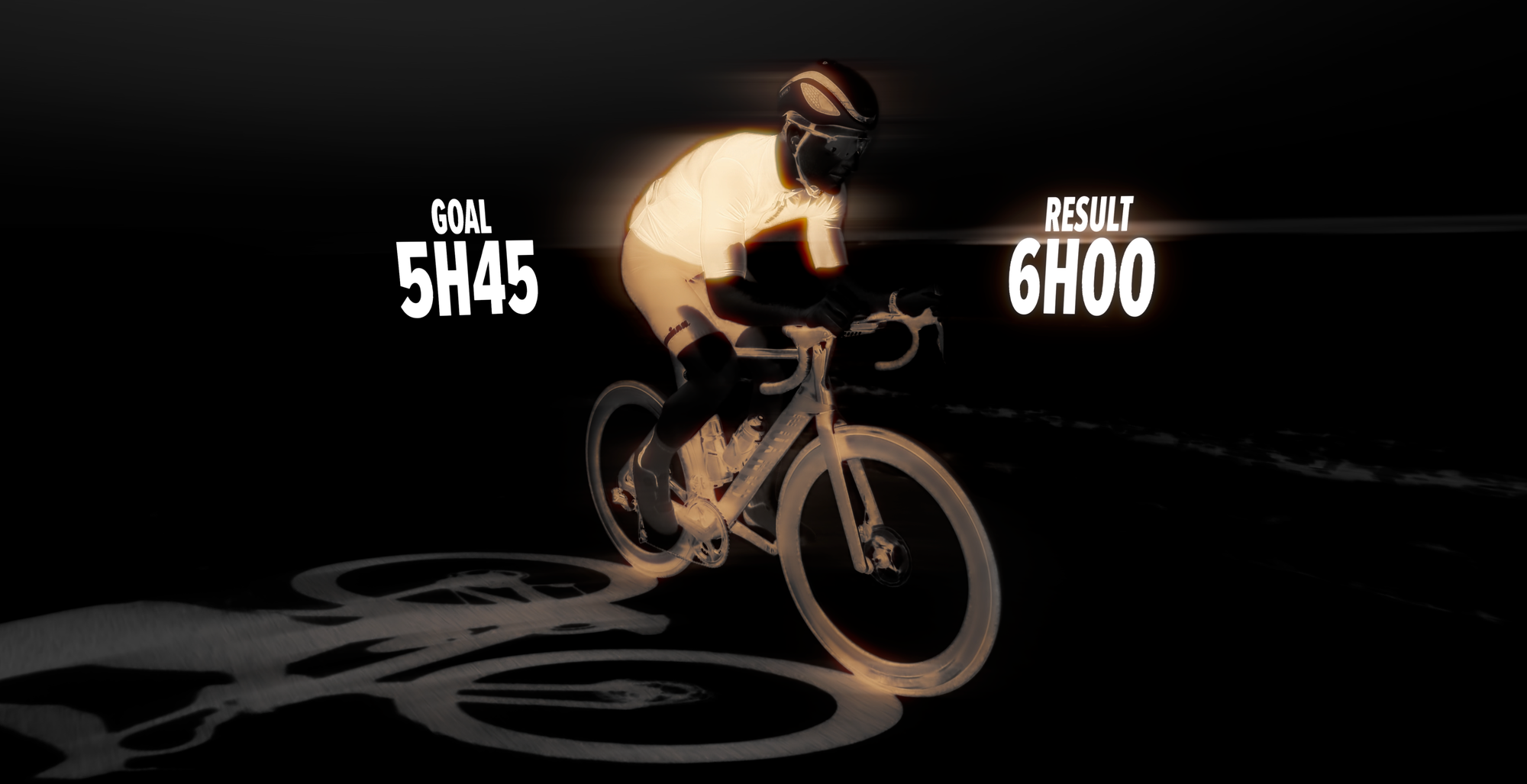
The film also experiments with the integration of 2D and 3D elements. By using heat-map-style visual effects and text overlays, altitude.101 is responding to the need for "data-driven storytelling." In a world where sports fans are obsessed with metrics (heart rate, pace, wattage), the documentary integrates these data points directly into the 3D environment, creating a hybrid experience that is part film and part interactive dashboard.
Implications: The Future of the "Human Interest" Story
The release of The Longest Day has several long-term implications for the media industry, the sports world, and the evolution of the Apple Vision Pro ecosystem.
1. Beyond the "Best Seat in the House"
Early forays into immersive sports were often limited to placing a 360-degree camera at mid-court or on the sidelines of a stadium. While novel, these experiences lacked narrative depth. The Longest Day implies that the true future of immersive sports lies in human-interest narratives. The goal is not just to see the game, but to feel the "weight" of the athlete’s journey. This aligns with the success of "behind-the-scenes" docuseries like Netflix’s Drive to Survive, but with the added layer of physical presence.
2. The Democratization of High-End Immersive Production
Previously, high-quality immersive video was the exclusive domain of companies with massive R&D budgets (like Apple or Meta). The fact that a studio like altitude.101 can produce a film of this caliber using off-the-shelf professional tools like the Blackmagic URSA Cine Immersive suggests that the "barrier to entry" for high-fidelity spatial content is lowering. This will likely lead to an explosion of independent immersive documentaries in the coming years.
3. Strengthening the Apple Vision Pro Ecosystem
For Apple, the success of the Vision Pro depends heavily on the availability of "killer content" that justifies the device’s premium price tag. While Apple produces its own immersive content (such as Real Madrid: The Weight of Greatness), third-party contributions like The Longest Day are essential for building a robust library. These films prove that the device is a viable platform for high-end cinema, not just a productivity tool or a novelty.
4. Personal Branding for Athletes
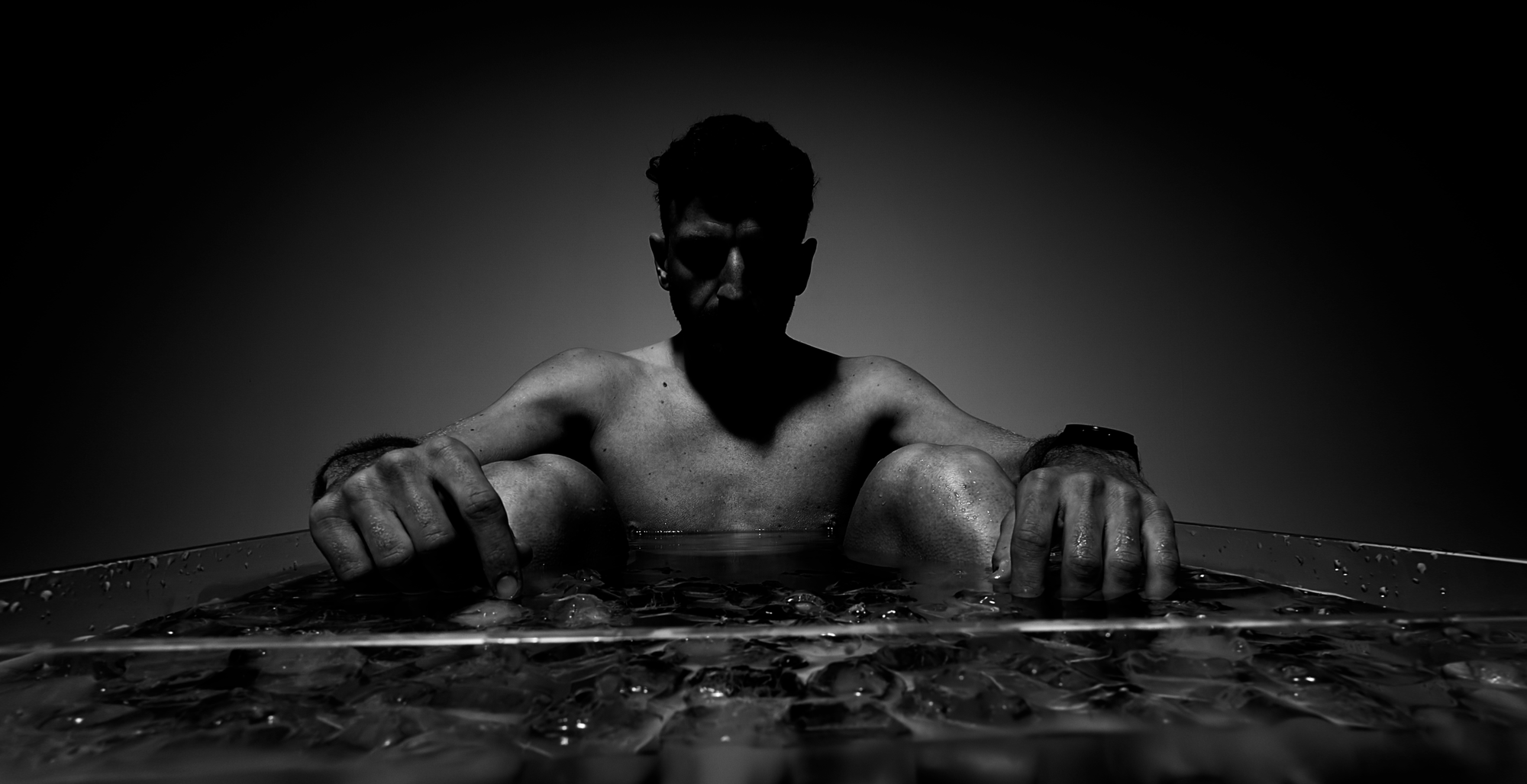
For athletes like Jules Wagner, immersive media offers a powerful new way to build a personal brand. In a 7-minute spatial experience, a viewer develops a sense of intimacy—through eye contact and shared physical space—that is impossible to replicate on a smartphone screen. This "intimacy at scale" could revolutionize how niche athletes (in sports like triathlon, climbing, or surfing) attract sponsors and connect with global audiences.
Conclusion
The Longest Day is more than a short film about a triathlete; it is a proof of concept for the next decade of digital media. By combining high-speed cinematography, custom technical solutions, and a deeply personal narrative, altitude.101 has demonstrated that the Apple Vision Pro is capable of delivering emotional, visceral experiences that transcend traditional filmmaking. As the global sports market continues to seek new ways to unlock value, the "longest day" for fans may soon be a 24/7 immersive journey into the lives of their sporting heroes.