The legend of Robin Hood is perhaps one of the most recycled narratives in the history of Western cinema. From the swashbuckling acrobatics of Errol Flynn in 1938 to the gritty, mud-soaked realism of Ridley Scott’s 2010 interpretation, and even the satirical flair of Mel Brooks, the Prince of Thieves has been reimagined for every generation. However, the latest entry into this storied canon, A24’s The Death of Robin Hood, directed by Michael Sarnoski, seeks to dismantle the myth entirely.
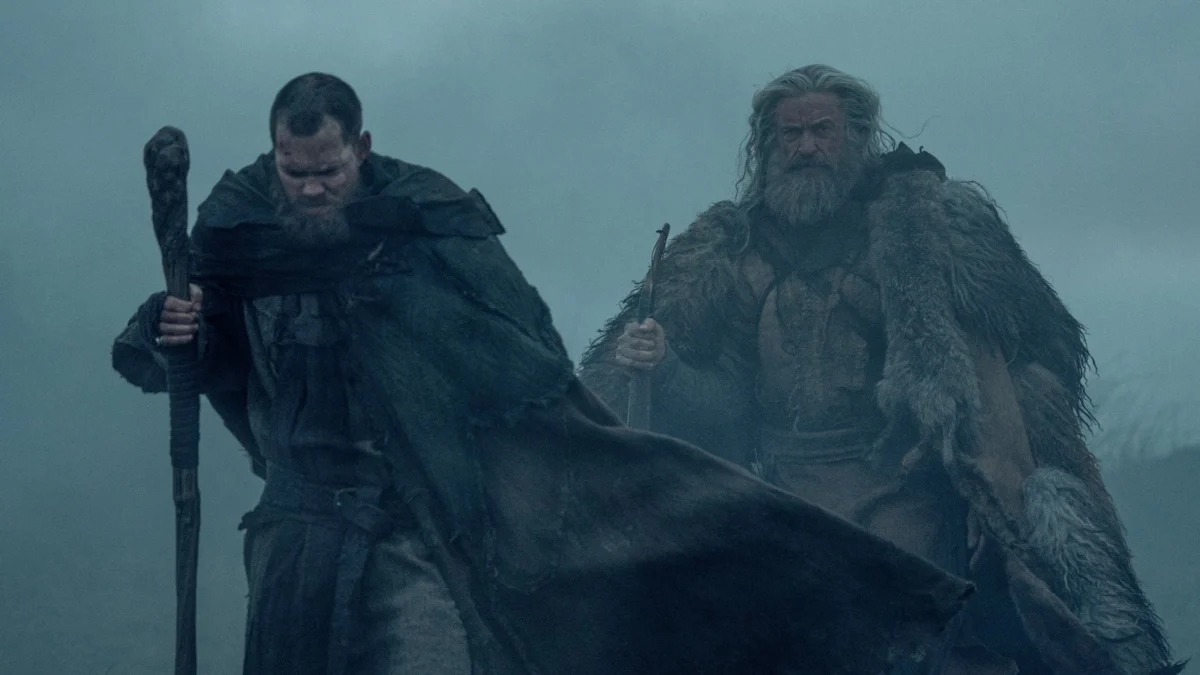
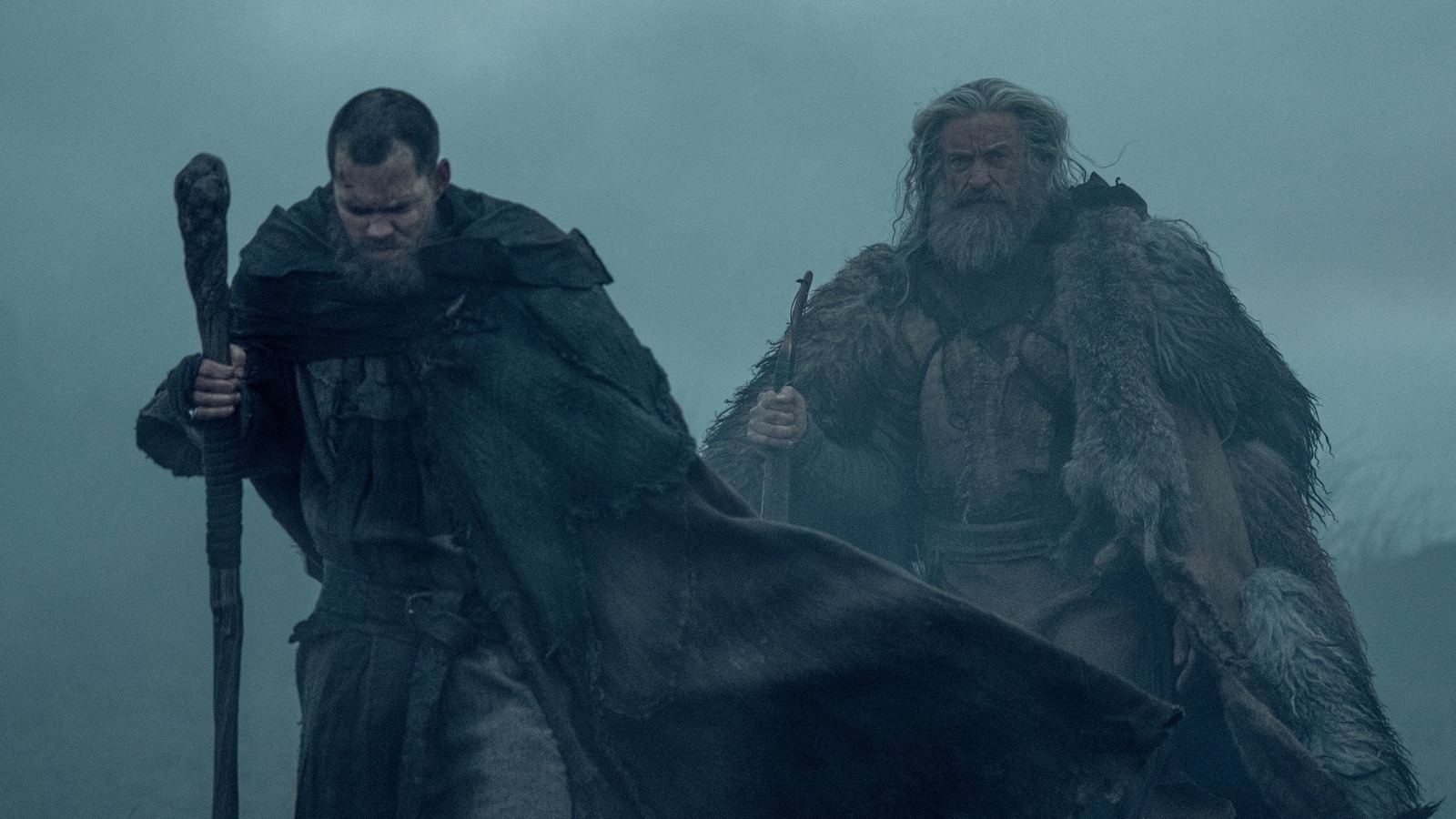
At the heart of this deconstruction is a duo of powerhouse performances: Hugh Jackman as a weary, aging Robin, and a nearly unrecognizable Bill Skarsgård as his loyal companion, Little John. While Jackman’s presence is immediately felt, Skarsgård’s portrayal has left audiences questioning where they have seen the rugged, bearded "Edward" before. The answer lies in the career of one of Hollywood’s most versatile and transformative chameleons.
Main Facts: A Somber End for the Prince of Thieves
The Death of Robin Hood is not a tale of merry men and high-seas-style archery. Instead, it is a meditative, ultra-violent exploration of a man facing his own mortality. Directed by Michael Sarnoski—who gained critical acclaim for the Nicolas Cage-led Pig—the film follows an older Robin (Jackman) who has spent a lifetime defined by crime, murder, and the heavy burden of his own legend.
The story finds Robin gravely wounded following a brutal skirmish. Believing his end is near, he is accompanied by his long-time brother-in-arms, Little John. In a departure from tradition, Little John is referred to as "Edward" for a significant portion of the film, a creative choice that strips away the legendary title to focus on the human bond between two outlaws. When Robin is handed over to a mysterious, ethereal woman for healing, the film shifts from a survivalist thriller into a philosophical journey toward salvation.
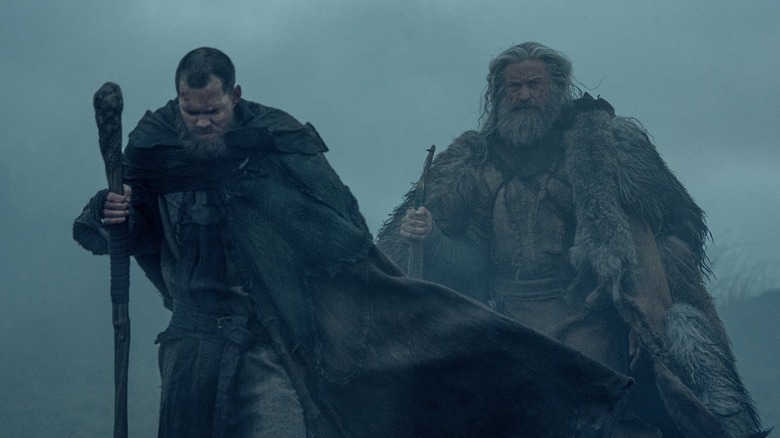
Bill Skarsgård’s casting as Little John serves as the film’s secret weapon. Known for his ability to disappear into grotesque or intense roles, Skarsgård utilizes a thick accent, a heavy beard, and a layer of cinematic grime to portray a version of Little John that feels more like a battle-hardened survivor than a jovial forest dweller.
Chronology: The Evolution of a Revisionist Myth
The development of The Death of Robin Hood represents a growing trend in Hollywood: the "Revisionist Mythos." To understand how we arrived at this somber A24 production, one must look at the timeline of the Robin Hood property and Sarnoski’s own trajectory.
1. The Post-Heroic Era (2010–2018)
Following the blockbuster fatigue of traditional "origin stories," the 2010s saw several attempts to ground Robin Hood. Ridley Scott’s Robin Hood (2010) attempted a political prequel, while the 2018 Robin Hood starring Taron Egerton tried to infuse the story with modern action sensibilities. Both were met with mixed reactions, leading to a period of "IP dormancy."
2. The Sarnoski Influence (2021–2023)
In 2021, Michael Sarnoski subverted expectations with Pig, a film that looked like a John Wick clone but was actually a quiet study of grief. This success gave him the creative capital to tackle a massive piece of public domain IP like Robin Hood. His vision was clear from the start: he didn’t want to show Robin’s rise, but rather the psychological toll of his fall.
3. Casting and Production (2023–2024)
Hugh Jackman was attached early on, fresh off his return to the "older hero" archetype in the Marvel Cinematic Universe. However, the casting of Bill Skarsgård in 2023 signaled that the film would lean heavily into character-driven drama. Production focused on practical locations and a muted color palette, moving away from the lush greens of Sherwood Forest in favor of foggy, desolate landscapes that mirror the characters’ internal states.
Supporting Data: The Transformative Resume of Bill Skarsgård
The reason audiences may find Little John familiar—yet struggle to place him—is due to Skarsgård’s reputation as a "visual shapeshifter." Unlike many leading men who maintain a consistent "brand" or look, Skarsgård has built a career on being unrecognizable.
The Pennywise Phenomenon
Skarsgård’s mainstream breakout occurred in 2017 with Andy Muschietti’s It. As Pennywise the Dancing Clown, Skarsgård utilized his unique physical features—including a self-induced lazy eye and a haunting smile—to create a horror icon. The fact that he was just as unsettling during table reads without makeup became a legendary piece of Hollywood trivia, proving his performance was rooted in physicality rather than just prosthetics.
The Genre Specialist
Following It, Skarsgård carefully avoided being typecast. His filmography reveals a pattern of intense, often hidden roles:
"Barbarian" (2022): Playing Keith, he subverted his "creepy" persona by playing a seemingly normal, subdued man, keeping audiences on edge throughout the film’s first act.
"John Wick: Chapter 4" (2023): As the Marquis de Gramont, he channeled a flamboyant, aristocratic villainy that stood in stark contrast to his rugged turn in Robin Hood.
"Nosferatu" (2024): In Robert Eggers’ upcoming Gothic horror, Skarsgård undergoes an even more radical transformation into Count Orlok, further cementing his status as the heir to Lon Chaney.
In The Death of Robin Hood, Skarsgård uses his 6’4" frame to provide the physical presence required for "Little" John, but he internalizes the character’s weariness. The "familiarity" audiences feel is the ghost of these previous performances—the intensity of Roman Godfrey from Hemlock Grove mixed with the brooding silence of his more recent work.
Official Responses: Director and Studio Intent
While A24 has kept the promotional campaign for the film characteristically enigmatic, statements from the creative team shed light on why this specific version of the story was told.
Michael Sarnoski has been vocal about his desire to move away from the "merry" aspect of the Merry Men. In interviews regarding the film’s tone, Sarnoski noted:
"We’ve seen the archery contests and the stealing from the rich. What we haven’t seen is what happens when the adrenaline wears off and you’re just an old man with a lot of blood on your hands. I wanted to explore the companionship between Robin and John not as a fun adventure, but as a shared trauma."
Regarding Skarsgård’s performance, sources from the set indicated that the actor spent weeks perfecting a specific dialect that suggests a man who has lived on the fringes of society for decades. The decision to call him "Edward" was reportedly a way for the actors to distance themselves from the baggage of the names "Robin and Little John" during filming, allowing for a more grounded, naturalistic chemistry.
A24’s strategy with the film has been to market it as a "prestige action-drama," similar to The Green Knight. By focusing on the "familiarity" of Skarsgård and Jackman while placing them in an unfamiliar context, the studio aims to capture both the blockbuster audience and the arthouse crowd.
Implications: A New Path for Public Domain IP
The success and unique execution of The Death of Robin Hood have significant implications for the film industry and the careers of its stars.
1. The "Deconstructionist" Trend
As audiences grow weary of standard superhero and action tropes, there is a rising market for films that take well-known figures (like Robin Hood, King Arthur, or Hercules) and strip them of their "superpowers." Sarnoski’s film suggests that the future of public domain IP lies not in bigger budgets, but in deeper psychological exploration.
2. Bill Skarsgård’s Ascendance
For Skarsgård, this role marks a transition into a new phase of his career. While he will likely always be drawn to horror and transformative makeup, his turn as Little John proves he can carry a high-stakes drama alongside an A-list veteran like Jackman without the need for supernatural elements. He is moving from being a "horror actor" to a "prestige character actor."
3. The Legacy of Robin Hood
By focusing on the death of the character, Sarnoski ironically breathes new life into the legend. The film posits that Robin Hood is not just a man, but a cycle of violence and redemption. By the time the credits roll, the "familiarity" of Little John and Robin has been replaced by a new understanding of who these men were: not heroes of a bedtime story, but human beings seeking a quiet end in a loud world.
The Death of Robin Hood is currently playing in theaters, offering a grim, beautiful, and ultimately haunting look at the end of an era. Whether you recognize Bill Skarsgård through the dirt and the beard or not, his performance—alongside Jackman’s—ensures that this version of the myth will not be forgotten anytime soon.
The landscape of 21st-century American comedy was, for nearly two decades, defined by the creative synergy between Seth Rogen and James Franco. From the cult-classic halls of high school in Freaks and
In the modern landscape of Hollywood, "disasters" are often predictable. We see them coming in the form of ballooning budgets, public spats between directors and studios, or release dates th
The cinematic landscape of 2026 has been defined by a singular, resounding return to form for Pixar Animation Studios. With the release of Toy Story 5, the franchise that effectively launched the era