The Last Picture Show in Kips Bay: The Battle to Save a Manhattan Cultural Anchor
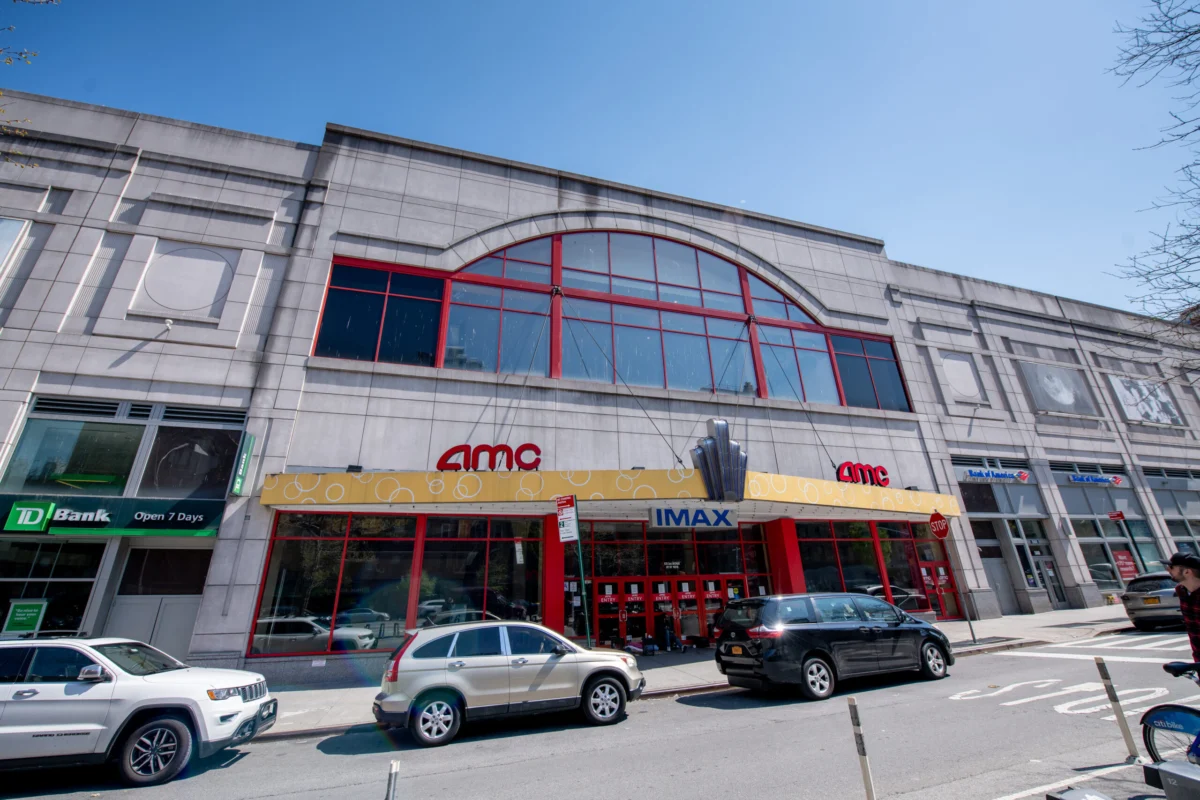
The neon lights of the AMC Kips Bay 15 have served as a beacon for cinephiles on Manhattan’s East Side for over a quarter-century. However, following a recent announcement that the multiplex is slated for closure at the end of 2026, a burgeoning grassroots movement is clashing with the institutional expansion of one of the city’s largest healthcare providers. The looming shuttering of the theater—and the potential displacement of the adjacent Fairway Market—has ignited a fierce debate over the erosion of community "third places" and the relentless transformation of New York City’s real estate landscape.
Main Facts: A Neighborhood Under Siege
The controversy began in late August 2024, when AMC Theatres confirmed it would vacate its massive subterranean space at 570 Second Avenue by the end of 2026. The news sent shockwaves through the Kips Bay and Murray Hill communities, where the 15-screen theater serves as the primary entertainment hub for a diverse demographic of students, medical professionals, families, and senior citizens.
The building’s landlord, NYU Langone Health, is reportedly planning to convert the theater space into medical offices and clinical facilities. This move aligns with the hospital’s aggressive expansion across the First and Second Avenue corridors. For many residents, the loss of the theater represents more than just the disappearance of a place to watch movies; it signifies the loss of a vital community amenity that supports local foot traffic and sustains neighboring restaurants and shops.
Public resistance has been swift and organized. Two separate online petitions have collectively garnered over 11,000 signatures in a matter of weeks. The "Save Kips Bay" coalition has emerged as a central organizing body, demanding transparency from NYU Langone and seeking a compromise that would allow the theater to coexist with the hospital’s medical needs.
Chronology: From Multiplex Boom to Institutional Expansion
To understand the weight of the Kips Bay closure, one must look at the timeline of the site and the broader trend of cinema closures in the borough:
- 1998: The Kips Bay multiplex opens during the height of the 1990s theater boom. It quickly becomes a flagship location, known for its spacious layout and, later, its luxury recliner seating.
- 2018–2019: A "cinema desert" begins to form on the East Side. Key closures include the CMX Cinebistro Lenox Hill (October 2018), the City Cinemas 86th Street (May 2019), and the Beekman Theatre on Second Avenue (September 2019).
- 2020–2023: The COVID-19 pandemic severely impacts theatrical exhibition. While AMC Kips Bay survives the initial lockdowns, the shift toward streaming and high Manhattan rents puts immense pressure on large-format venues.
- Early 2024: Real estate brochures begin circulating, marketing the 570 Second Avenue space for medical use, though no public announcement is made to the community.
- August 2024: AMC officially announces its intention to close the location by the end of 2026.
- September 2024: A coalition of seven high-ranking lawmakers sends a formal letter to NYU Langone leadership, urging a dialogue on the future of the space.
Supporting Data: The Erosion of the East Side’s Cultural Map
The potential loss of AMC Kips Bay 15 is not an isolated incident but the latest domino to fall in a decade-long decline of Manhattan movie theaters. Data provided by neighborhood advocates highlights a stark reality: if Kips Bay closes, residents between 14th Street and 86th Street on the East Side will have virtually no remaining commercial multiplex options.
The Shrinking Cinema Footprint
The "Save Kips Bay" organizers point to a pattern of closures that has left the East Side underserved:

- Ziegfeld Theatre: Closed in 2016 (converted to an event space).
- Lincoln Plaza Cinemas: Closed in 2018.
- Regal UA Court Street: Closed in 2023.
- Cinema 123 by Angelika: Currently on the market and facing an uncertain future.
The Real Estate Equation
The transition from entertainment to medical use is driven by cold economic logic. Medical office space in Manhattan often commands higher, more stable rent than theatrical venues, which are subject to the volatility of the film industry. NYU Langone’s expansion is part of a broader "medicalization" of the neighborhood. The hospital has spent billions over the last decade upgrading its main campus and acquiring surrounding properties to accommodate a growing patient base and research staff.
However, the "Save Kips Bay" group notes a lack of public filing. Despite the marketing brochures, as of September 2024, no formal rezoning applications have been filed with the city’s Department of Buildings that would officially transition the theater’s "Use Group" from entertainment to medical. Furthermore, city tax rolls have not yet been updated to reflect a change in ownership or usage, leading to accusations of a "behind-closed-doors" deal.
Official Responses: Lawmakers and Institutions Weigh In
The involvement of high-level government officials has elevated the local issue into a citywide conversation about urban planning and community needs.
The Legislative Front
U.S. Representative Jerry Nadler, Manhattan Borough President Brad Hoylman-Sigal, and New York State Assemblymember Keith Powers are among the seven signatories of a letter addressed to NYU Langone. The letter expresses "grave concern" over the loss of community amenities.
"We hope to work with you on a plan that allows existing community amenities to coexist with medical uses," the letter reads. The lawmakers are specifically concerned about the "double whammy" of losing both the theater and the Fairway supermarket, which serves as a primary grocery source for the area.
Assemblymember Keith Powers, who has represented the district for years, has been particularly vocal. Speaking to IndieWire, Powers emphasized the personal and communal stakes: "I spent 30 years watching many of my favorite movies from one of those recliner seats. I’d run into friends and neighbors. It was a true community hub." Powers argued that forcing residents to travel to Times Square for a movie is a "poor consolation," especially for seniors and teenagers who rely on local accessibility.
The Institutional Silence
As of this writing, NYU Langone has remained largely tight-lipped. A spokesperson for the hospital did not provide a detailed response to requests for comment regarding the specific timeline for the medical office conversion or whether they would consider a "mixed-use" compromise that preserves a smaller cinema presence.

AMC Theatres, meanwhile, has characterized the move as a strategic exit as they re-evaluate their global real estate portfolio. While the chain has seen a rebound in box office numbers thanks to blockbusters like Dune: Part Two and Deadpool & Wolverine, the high overhead of maintaining 15 screens in a premium Manhattan location appears to have outweighed the site’s cultural value in their corporate ledger.
Implications: The Death of the "Third Place"
The battle over AMC Kips Bay 15 is a microcosm of a larger crisis facing urban centers: the disappearance of "third places"—social environments separate from the two usual social environments of home ("first place") and the office ("second place").
Impact on Local Commerce
Theaters are powerful economic engines for their immediate surroundings. The "dinner and a movie" economy supports a ecosystem of bars, pizzerias, and sit-down restaurants. If the 15-screen theater is replaced by medical offices, the evening foot traffic in Kips Bay is expected to plummet. Medical offices typically operate on a 9-to-5 schedule, leaving the streets quiet after dark—a shift that could lead to further closures of local small businesses.
The Cultural Divide
There is also a socioeconomic implication to these closures. While luxury "boutique" cinemas like Metrograph or Alamo Drafthouse continue to thrive by catering to a niche audience with higher price points, the "everyman" multiplex—where a family can see a summer blockbuster at a relatively accessible price—is becoming a rarity in Manhattan.
A Call for Creative Urbanism
Community organizers are calling for "Creative Urbanism"—a planning approach where institutional growth does not have to come at the expense of cultural heritage. Suggestions have included:
- Subsidized Rent: Asking NYU Langone to offer a community-benefit lease to a smaller independent cinema operator.
- Mixed-Use Integration: Utilizing the upper levels for medical offices while maintaining 4–6 screens on the lower levels.
- Public-Private Partnerships: Seeking city intervention to designate the space as a cultural landmark or providing tax incentives to keep the theater operational.
Conclusion: An Uncertain Final Act
As the petitions continue to grow and lawmakers press for a meeting with NYU Langone, the fate of AMC Kips Bay 15 remains a cliffhanger. The community’s motivation is clear: they are fighting for the soul of their neighborhood. But in a city where real estate is the ultimate power, nostalgia often loses to the bottom line.
The coming months will be critical. If no compromise is reached, the end of 2026 will mark the end of an era for the East Side, leaving a void that a medical office—no matter how necessary—cannot fill. For the thousands of New Yorkers who signed their names to save the theater, the goal is simple: they want to ensure that the "Last Picture Show" in Kips Bay hasn’t already played.