The Path Grows Longer: Analyzing the Reported Delay of The Witcher Season 5 to 2027
The trajectory of Netflix’s flagship fantasy epic, The Witcher, has been anything but linear. From its explosive debut in 2019 to the seismic departure of its lead actor and fluctuating critical reception, the series has remained at the center of the cultural zeitgeist. However, new reports suggest that the road to the Continent is stretching further into the horizon than fans initially anticipated. While Season 4 is currently the primary focus of the production cycle, industry whispers and digital footprints indicate that the fifth and final season may not grace screens until 2027.
This potential delay marks a significant shift in Netflix’s release strategy for the franchise and raises poignant questions about the future of the IP, the challenges of a lead-actor transition, and the pressure to deliver a satisfying conclusion to a saga that has increasingly divided its audience.
Main Facts: The 2027 Shift
The speculation regarding a delay originated with reports from What’s on Netflix, a publication known for its tracking of the streaming giant’s internal movements. According to their findings, The Witcher Season 5 has been "quietly scrubbed" from public-facing promotional materials and media center schedules that outline Netflix’s 2026 slate.
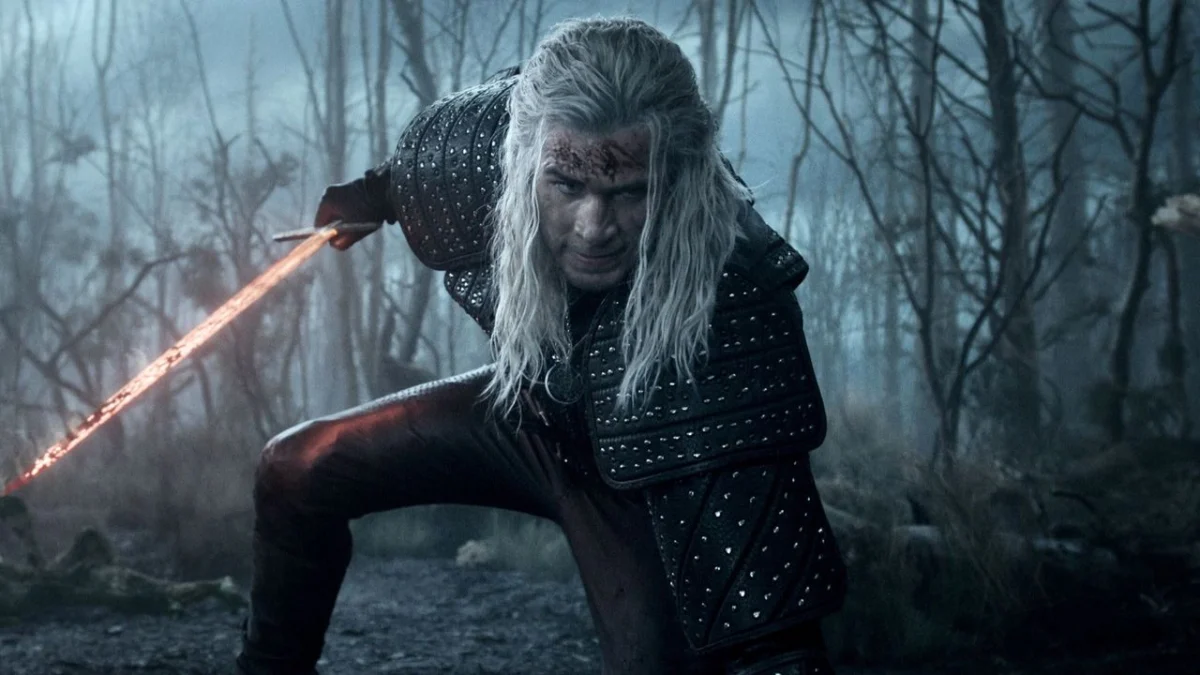
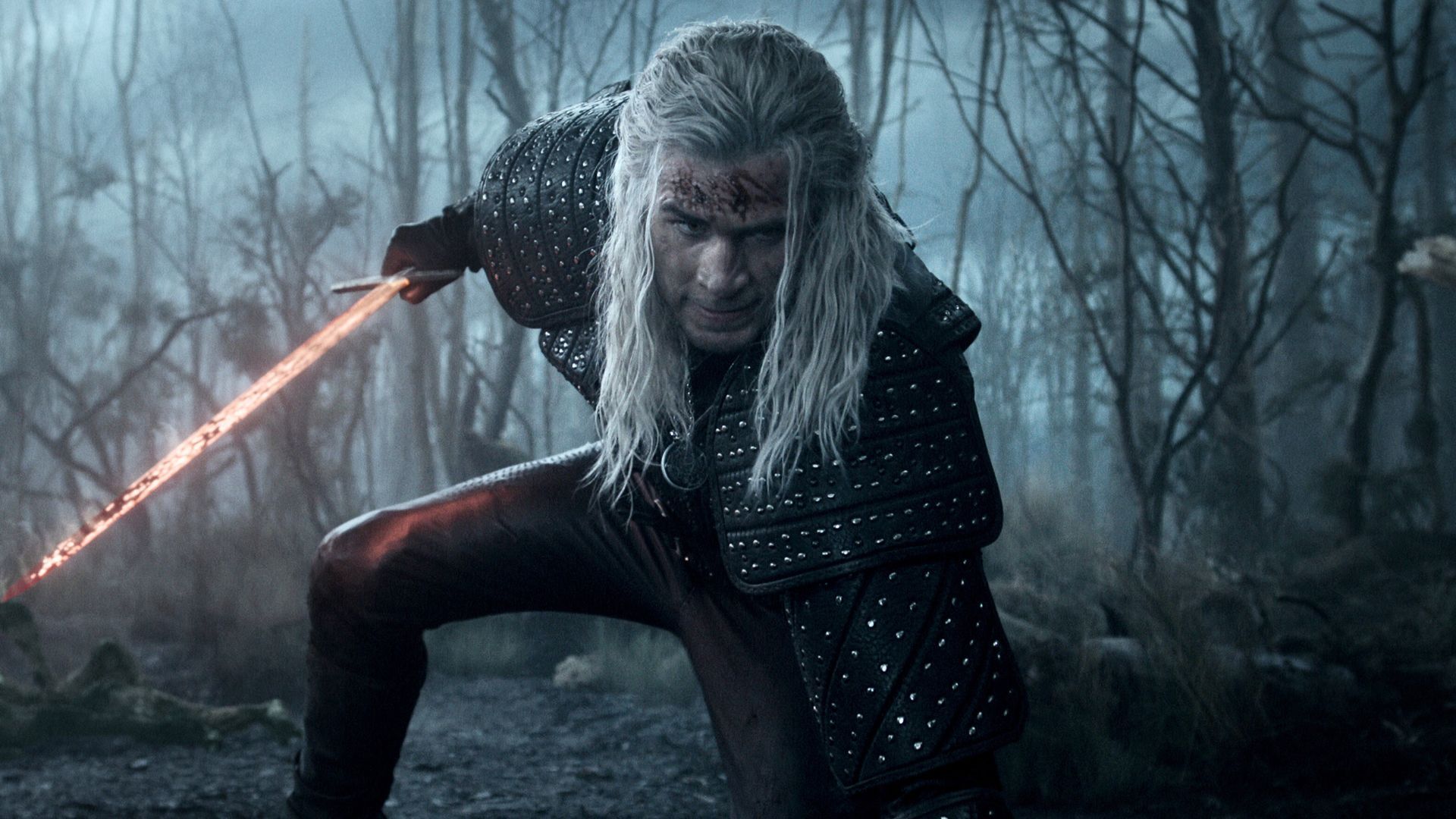
While Season 4—the first to feature Liam Hemsworth in the role of Geralt of Rivia—is expected to arrive in 2025 or early 2026, the fifth season was previously rumored to follow closely behind, given Netflix’s announcement that Seasons 4 and 5 would be filmed back-to-back. However, the removal of the final season from the 2026 roadmap suggests a tactical retreat.
Netflix has not yet issued a public confirmation of this delay, nor have they locked in a specific 2027 window. Nevertheless, the digital erasure of the title from upcoming promotional cycles is often a harbinger of internal scheduling adjustments. For a series that serves as one of the platform’s most expensive and ambitious undertakings, such a delay suggests either a need for extended post-production or a strategic decision to distance the finale from the initial transition period of its new lead actor.
Chronology: A Franchise in Flux
To understand why a 2027 release for Season 5 is significant, one must look at the timeline of the show’s production and the hurdles it has faced since its inception.
The Rise and the Cavill Era (2019–2022)
The Witcher premiered in December 2019 to massive viewership, buoyed by Henry Cavill’s star power and his well-documented passion for the source material. Season 2 faced significant delays due to the COVID-19 pandemic, eventually arriving in late 2021. Despite the wait, the show maintained a strong foothold in Netflix’s "Top 10" lists globally.
The Turning Point (2023)
2023 was a year of upheaval for the franchise. Season 3 was released in two volumes, a move that met with mixed reactions. More importantly, it served as the swan song for Henry Cavill. His departure was announced amidst rumors of creative differences regarding the show’s adherence to Andrzej Sapkowski’s original novels. This period also saw the release of the prequel series The Witcher: Blood Origin, which was panned by critics and fans alike, signaling the first major cracks in the franchise’s armor.
The Hemsworth Transition and Production Backlog (2024–Present)
Production for Season 4 began in early 2024, with Liam Hemsworth stepping into the iconic silver wig. Netflix’s plan was ambitious: film Season 4 and Season 5 back-to-back to minimize the "aging out" of younger cast members like Freya Allan (Ciri) and to keep the momentum of the final narrative arc. However, the complexities of high-fantasy production—including extensive VFX requirements and large-scale battle choreography—appear to have slowed this ambitious schedule.
Supporting Data: Ratings, Reception, and the "Hemsworth Hurdle"
The decision to potentially delay the final season cannot be viewed in a vacuum. It is heavily influenced by the data surrounding the show’s recent performance.
The Rotten Tomatoes Deficit
The reception of The Witcher has seen a precipitous decline in audience sentiment. Season 4, while not yet released, sits under the shadow of Season 3’s lackluster reception. Current data for the series highlights a growing disconnect between professional critics and the core fanbase:
- Critic Scores: Have generally remained in the "Fresh" territory (hovering around 59–80% across various seasons).
- Audience Scores: Hit a franchise low during the Season 3/4 transition period, with some metrics showing an abysmal 19% audience approval rating.
Viewership Attrition
While Netflix does not release granular data, third-party analytics suggested a "decay rate" in viewership between Season 2 and Season 3. The challenge for Season 4 is not just to maintain the existing audience, but to win back those who left following Cavill’s exit. A delay for Season 5 might be a calculated move to ensure Season 4 has enough "breathing room" to establish Liam Hemsworth’s Geralt before the series rushes to its conclusion.
Comparative Production Timelines
The Witcher is not the only "prestige" show facing long gaps. Stranger Things Season 5 and Apple TV+’s Severance Season 2 have both seen three-year intervals. However, those shows maintained high critical acclaim. The Witcher is in the precarious position of asking fans to wait two more years for a finale to a story they may already be losing interest in.
Official Responses: The Sound of Silence
As of this writing, Netflix’s official stance remains one of focused promotion for Season 4. The streaming service has released teaser footage of Hemsworth in character, attempting to build a narrative of "a new era" for the show.
Showrunner Lauren Schmidt Hissrich has previously defended the creative direction of the series, emphasizing that the goal is to adapt the final books of the Witcher saga—The Tower of the Swallow and The Lady of the Lake—with the "grandeur they deserve."
The lack of an official comment on the 2027 delay is standard industry practice. Streaming platforms prefer to announce "delays" as "firm release dates" later in the cycle to avoid negative PR. However, the removal of the title from the 2026 media center remains the most "official" piece of evidence available to the public, suggesting that the internal calendar has indeed shifted.
Implications: What This Means for the Continent
A delay of this magnitude carries several implications for the cast, the narrative, and the broader Netflix ecosystem.
1. The Risk of Franchise Fatigue
By 2027, it will have been eight years since The Witcher premiered. In the fast-paced world of streaming, eight years is an eternity. With competitors like HBO’s House of the Dragon and Amazon’s The Rings of Power operating on more consistent (albeit still slow) biennial cycles, The Witcher risks falling out of the cultural conversation entirely.
2. The Pressure on Liam Hemsworth
Liam Hemsworth faces an uphill battle. If Season 4 is released in 2025 and Season 5 does not arrive until 2027, Hemsworth will have to sustain fan interest through a two-year gap after only one season of work. This puts an immense burden on the quality of Season 4; if his debut doesn’t immediately "click" with the audience, the long wait for Season 5 could lead to a total collapse of the viewer base before the finale even airs.
3. Narrative Density and Scale
The final two books in the Witcher series are incredibly dense, involving multi-dimensional travel, massive continental warfare, and a complex resolution to Ciri’s prophecy. A 2027 release might actually be a positive sign for the quality of the show. It suggests that Netflix is willing to invest the necessary time in post-production and VFX to ensure the "Continent-wide war" looks spectacular rather than rushed.
4. The Future of Witcher Spin-offs
Netflix has attempted to build a "Witcher Cinematic Universe," including the anime film Nightmare of the Wolf and the upcoming Siren of the Deep. A delay in the main series may force Netflix to lean more heavily on these animated or smaller-scale spin-offs to keep the IP alive in the interim.
5. Ending on a High Note
The most significant implication is the "Game of Thrones" factor. The television industry is haunted by the specter of high-fantasy shows that failed to stick the landing. By pushing Season 5 to 2027, the producers may be giving themselves the space to ensure that the conclusion of Geralt, Yennefer, and Ciri’s story is emotionally resonant and narratively sound, potentially redeeming the show in the eyes of its harshest critics.
Conclusion
The reported move of The Witcher Season 5 to 2027 is a double-edged sword. For a fanbase already weary of casting changes and lore deviations, another long wait could be the final straw. Conversely, for a production team tasked with concluding one of the most complex fantasy sagas in modern literature, the extra time could be the difference between a forgotten failure and a legendary finale.
As we wait for Season 4 to provide our first true look at the post-Cavill era, the 2027 horizon serves as a reminder that in the world of high-stakes streaming, the path to the end is rarely a straight line. Whether Liam Hemsworth’s Geralt can carry the weight of this delay remains to be seen, but one thing is certain: the Continent’s final chapter will be one of the most scrutinized events in Netflix history.