
The Architect of Critical Fandom: Celebrating the Life and Legacy of Larry Stark (1932–2026)
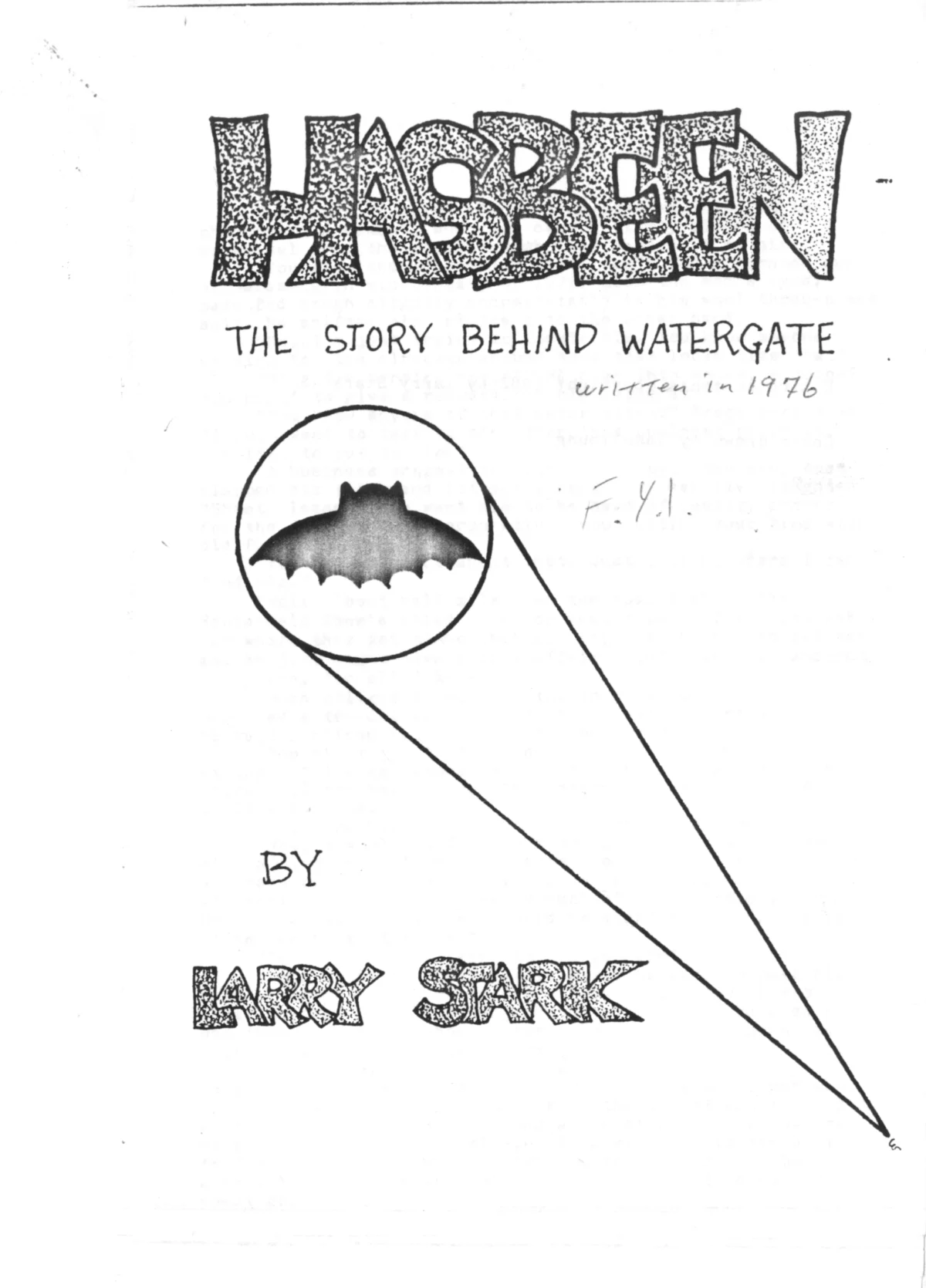
The world of American letters and the niche but fervent community of comic book scholarship lost one of its most foundational figures this month. Lawrence Edward Stark III—known to generations of readers, artists, and theater-goers simply as Larry Stark—passed away peacefully of cardiac failure on May 1, 2026, at Boston Medical Center. He was 93 years old.
Stark’s death marks the end of an era for the medium of sequential art. Often cited as the "official number one fan" of EC Comics, Stark was more than a mere enthusiast; he was the first individual to treat the comic book as a serious vessel for literary merit. His rigorous, often demanding critiques of 1950s horror and science fiction titles helped elevate the medium from a maligned pastime for children to a recognized art form. Later in life, he transitioned this critical eye to the stage, becoming a fixture of the Boston theater scene for over six decades.
A Chronology of Critical Excellence
The Formative Years and the Discovery of EC
Born on August 4, 1932, in New Brunswick, New Jersey, Lawrence Stark’s early life was defined by the intellectual rigor of the post-war era. He attended Rutgers University from 1950 to 1956, a period that coincided with the "Golden Age" of EC Comics. Under the leadership of Bill Gaines, EC (Entertaining Comics) was publishing titles that stood in stark contrast to the caped crusaders of the time. Books like Tales from the Crypt, Weird Science, and The Vault of Horror featured sophisticated plotting, moral ambiguity, and world-class illustration.
While his peers viewed these magazines as disposable entertainment, Stark saw them as contemporary literature. In 1954, amid a national moral panic regarding the "corrupting influence" of comic books, Stark began a correspondence with Bill Gaines that would change the course of the industry. Stark did not send typical "fan mail." Instead, he sent dense, multi-page literary critiques, dissecting plot holes, analyzing character motivations, and critiquing the artistic pacing of every issue.
The "Stark File" and the Birth of Fandom
By the mid-1950s, Stark’s influence within the EC offices was legendary. Bill Gaines, recognizing the value of a reader who held his writers to the standards of Hemingway or Faulkner, established the "Stark File"—a dedicated drawer in his desk where Larry’s letters were kept for the staff to study.
This era saw Stark essentially co-invent "Comic Book Fandom." Alongside fellow pioneer Bhob Stewart, Stark began publishing his critiques in mimeographed fanzines such as Potrzebie. This was a revolutionary act; at a time when psychologists like Fredric Wertham were claiming comics caused juvenile delinquency, Stark and Stewart were proving that the medium could sustain a sophisticated critical infrastructure.
Transition to the Boston Theater Scene
When the Comics Code Authority effectively neutered the creative freedom of EC in the mid-1950s, Stark famously "gave up comics forever"—a vow he kept for several decades, though he remained a lifelong subscriber to Mad magazine. He redirected his analytical prowess toward the stage.
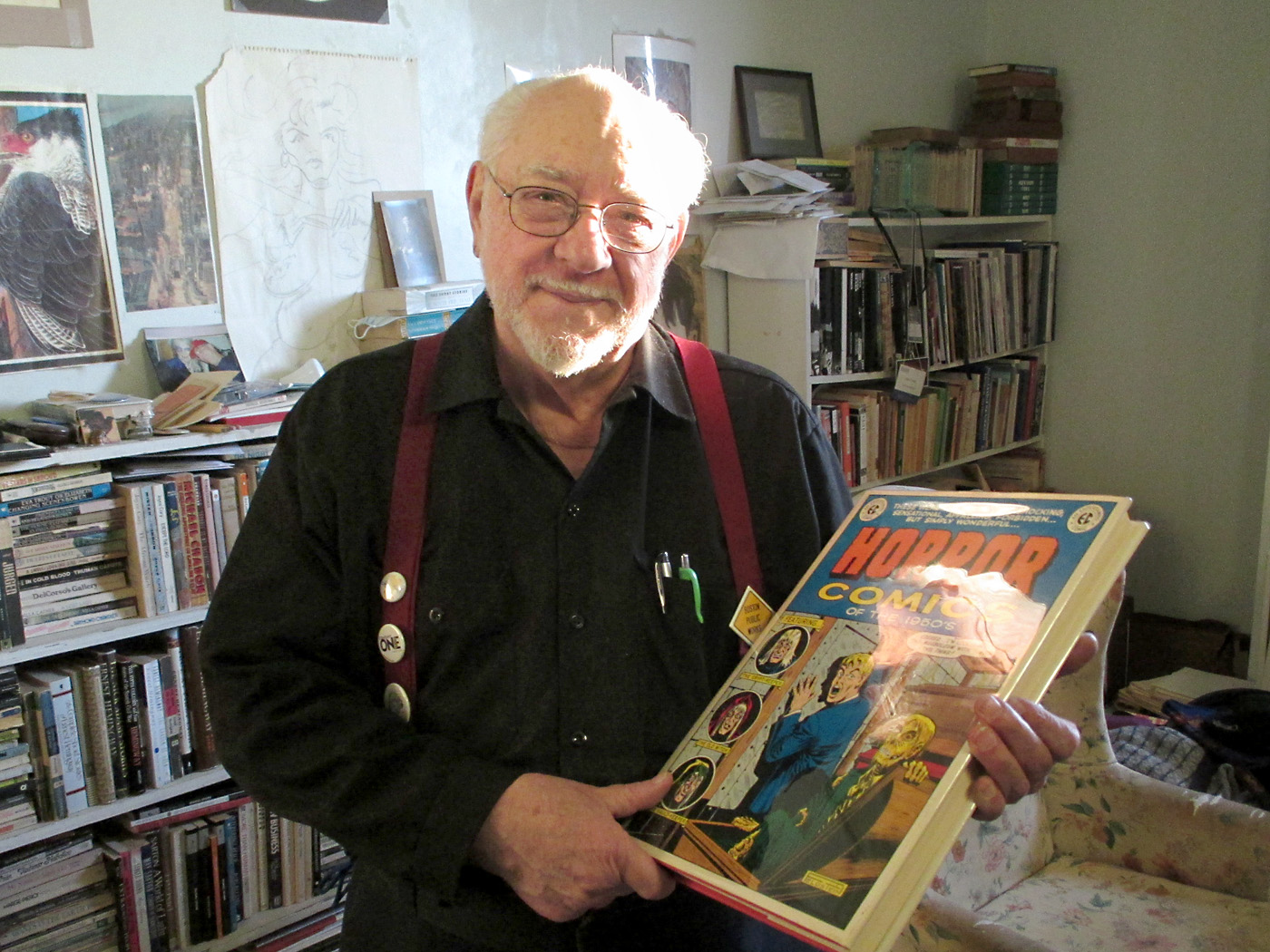
Moving to Boston in the early 1960s, Stark began writing theater reviews for The Tech at MIT, and later for influential alternative weeklies like Boston After Dark and The Cambridge Phoenix. For over 50 years, Stark was the most prolific theater critic in New England, eventually founding Theater Mirror, a digital repository that became the "gold standard" for Boston stage criticism.
The Late-Career Return to Comics
In the 2010s, Stark’s "past caught up with him." The rise of the internet allowed a new generation of EC "Fan-Addicts" to discover his early writings. He was lured back into the fold, contributing introductions to prestige hardcover collections of artists like Wallace Wood and Will Elder. In 2016, he was honored as a Guest of Honor at the San Diego Comic-Con, finally meeting the thousands of fans who had been influenced by his work.
Supporting Data: The Impact of the "Stark Critique"
The depth of Stark’s influence on the creators of EC Comics cannot be overstated. He was not merely an observer; he was a de facto editor who worked from the outside in.
- The "God Help Us" Sign: EC artist Marie Severin famously hand-lettered a sign for Bill Gaines’s office that read: "God Help Us To Write Stories That Will Please Larry Stark!" This was only half-joking; the writers and artists truly feared and respected his intellect.
- Narrative Influence: EC artist George Evans noted in a 1995 interview with The Comics Journal that the staff would often adjust the endings of stories based on Stark’s letters. If Stark pointed out a logical fallacy or a predictable twist, the creative team would "play around with different endings" to meet his standards.
- "Elegy" (1956): Stark’s most famous essay, "Elegy," originally published in the fanzine Hoohah!, is widely considered the first piece of "serious" comic book scholarship. It has been reprinted in nearly every historical retrospective of the 1950s comic industry, serving as a primary source for the atmosphere of the era.
- Prolific Output: During his peak years as a theater critic, Stark was known to attend four to five plays per week. His website, Theater Mirror, contains thousands of reviews, forming one of the most comprehensive archives of regional theater in the United States.
Official Responses and Tributes
Following the announcement of his passing, tributes have poured in from both the comic book and theater communities.
Thommy Burns, administrator of the EC Fan-Addict Club and a close friend who accompanied Stark to his 2016 Comic-Con appearance, stated: "Larry was the bridge between the original era of the 1950s and the modern age of scholarship. He taught us that it was okay—and necessary—to take this art form seriously. He was our North Star."
The Boston theater community also voiced their grief. A spokesperson for the local arts scene noted, "Larry Stark didn’t just watch plays; he lived them. He was a champion of small, independent theater companies that would have otherwise gone unnoticed. His reviews were honest, sometimes biting, but always rooted in a deep love for the craft."
In 2013, Red Dragonfly Films released the documentary Stark Review: The Heart of Boston Theater. Upon his death, the filmmakers released a statement: "Larry was a man of immense intellect and surprising humility. He saw himself as a servant to the arts. Whether it was a ten-cent comic book or a high-budget Shakespearean production, Larry gave it his full, undivided attention."
Implications: The Legacy of Serious Criticism
Larry Stark’s life offers a profound case study in the power of the "critical fan." Before the existence of "Film Studies" or "Graphic Novel Theory" in universities, Stark was practicing a form of grassroots academia.
The Professionalization of Fandom
Stark’s work in the 1950s laid the groundwork for the modern "geek culture" economy. By insisting that comics be reviewed with the same scrutiny as literature, he helped create the demand for high-quality, adult-oriented graphic novels. The sophisticated storytelling seen in modern works by creators like Alan Moore or Neil Gaiman owes a direct debt to the "Stark File" and the culture of excellence he demanded from Bill Gaines.
The Democratization of Criticism
In the theater world, Stark was an early adopter of the internet. By moving his reviews to Theater Mirror in 1994, he bypassed the "gatekeepers" of major newspapers, providing a platform for fringe theater and experimental works. He proved that a single, dedicated voice could hold as much weight as a major metropolitan daily, provided the criticism was rooted in expertise and passion.
A Life of Fellowship
Beyond his writing, Stark’s legacy is one of fellowship. He was a mentor to young critics and a friend to the artists he once critiqued. He leaves behind a wealth of writing that continues to be studied by historians of both the stage and the page.
Lawrence Edward Stark III lived a life that proved the "low arts" were only low if the audience refused to look closer. Because Larry Stark looked closer, the rest of the world eventually learned to do the same. He is survived by a global community of "Fan-Addicts" and a Boston theater scene that will feel significantly quieter in his absence.
Services will be private, though a public memorial celebrating his contributions to the arts is expected to be announced by the Boston theater community later this summer. In lieu of flowers, the family suggests supporting local community theater or revisiting a classic EC archive—preferably with a critical eye.



Leave a Comment