The Symphony of Retirement: Inside the Vibrant World of ‘Mr. Records’
In an era where high-octane shooters and sprawling open-world epics often dominate the gaming headlines, a quieter, more rhythmic revolution is taking place in the indie development scene. Revealed to enthusiastic crowds at Gamescom, Mr. Records is the latest title to challenge the boundaries between cozy management simulators and precision-based rhythm games. Centered on the life of an aging dreamer named George, the game offers a poignant and neon-soaked exploration of music, memory, and the pursuit of passion in one’s twilight years.
Developed with a keen eye for aesthetic flair and auditory synchronization, Mr. Records invites players to step into the sensible shoes of a retiree who refuses to let his love for sound fade into the background. As George opens a boutique record shop beneath his home, players are treated to a dual-layered experience that balances the frantic energy of a platforming rhythm game with the soulful, slow-paced satisfaction of running a community-focused business.
Main Facts: A Dual-Genre Harmony
At its core, Mr. Records is a hybrid title that refuses to be pigeonholed. The game is structured around two distinct yet interconnected gameplay loops: the "Discovery Phase" and the "Retail Phase."
The Discovery Phase: Rhythm as Exploration
In the world of Mr. Records, music is not merely something George listens to; it is a physical space he inhabits. To stock his shop, George must first "experience" the records he intends to sell. This manifests as high-energy rhythm levels where the protagonist slides, punches, and maneuvers through environments that pulsate in time with the soundtrack.
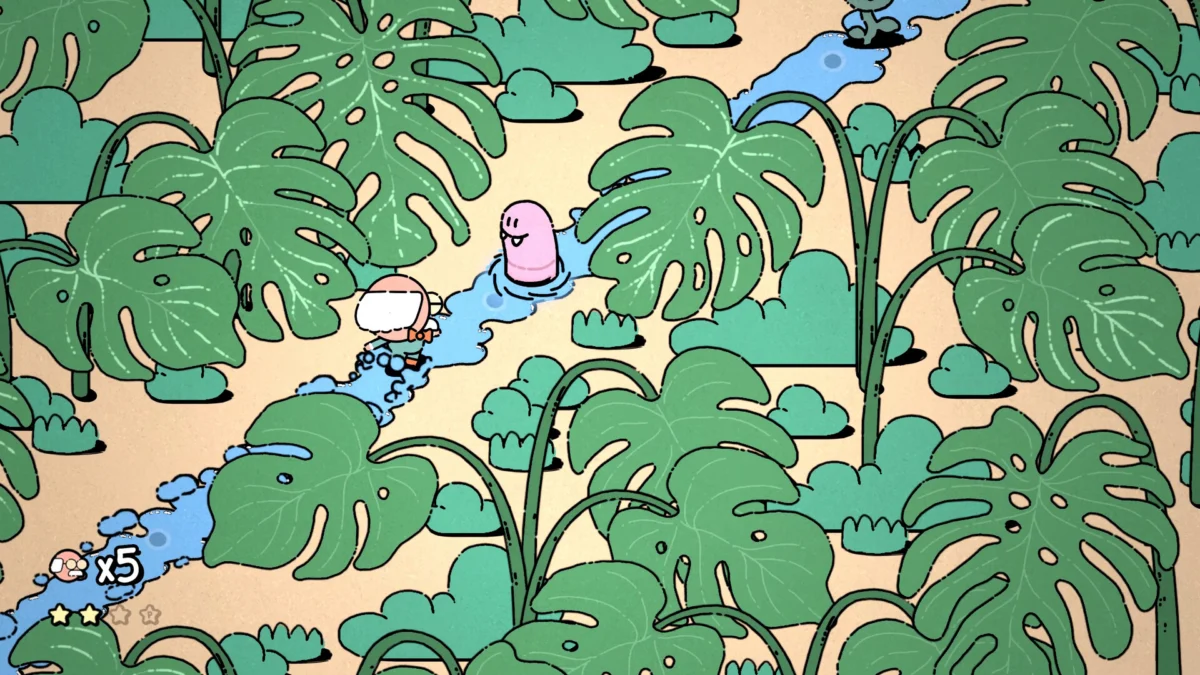
Unlike traditional rhythm games that rely solely on button prompts, Mr. Records utilizes a flow-based movement system. The "slipping and sliding" mechanics are designed to mimic the sensation of a needle gliding across vinyl. These levels are characterized by an explosion of color—vivid purples, jungle greens, and neon palettes—that shift dynamically based on the genre of the music being played.
The Retail Phase: The Art of the Recommendation
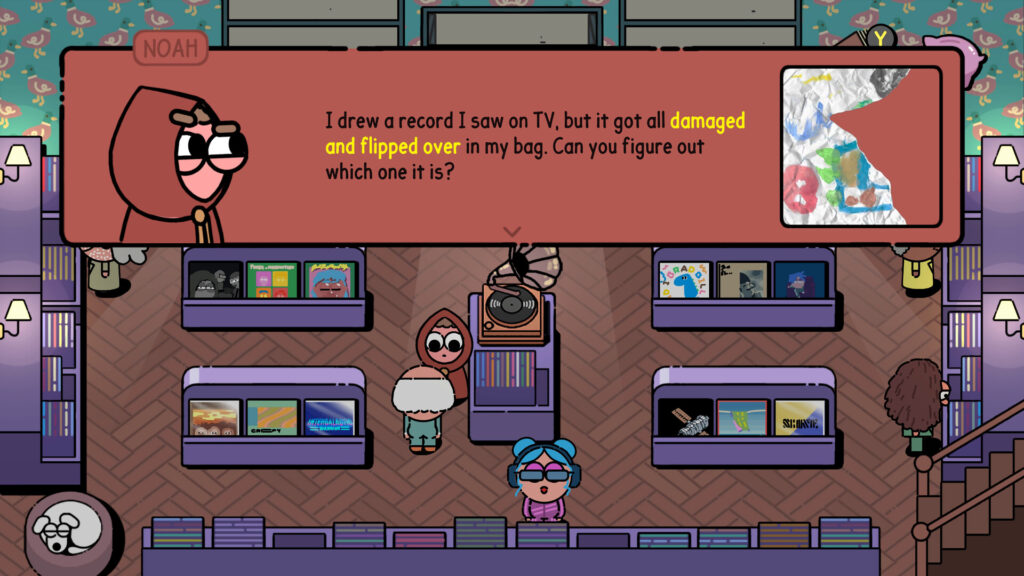
Once a record has been mastered in the rhythmic realm, it is added to the shop’s inventory. This transitions the player into a management simulation. However, instead of focusing on profit margins and supply chains, the retail aspect of Mr. Records focuses on the human element of music.
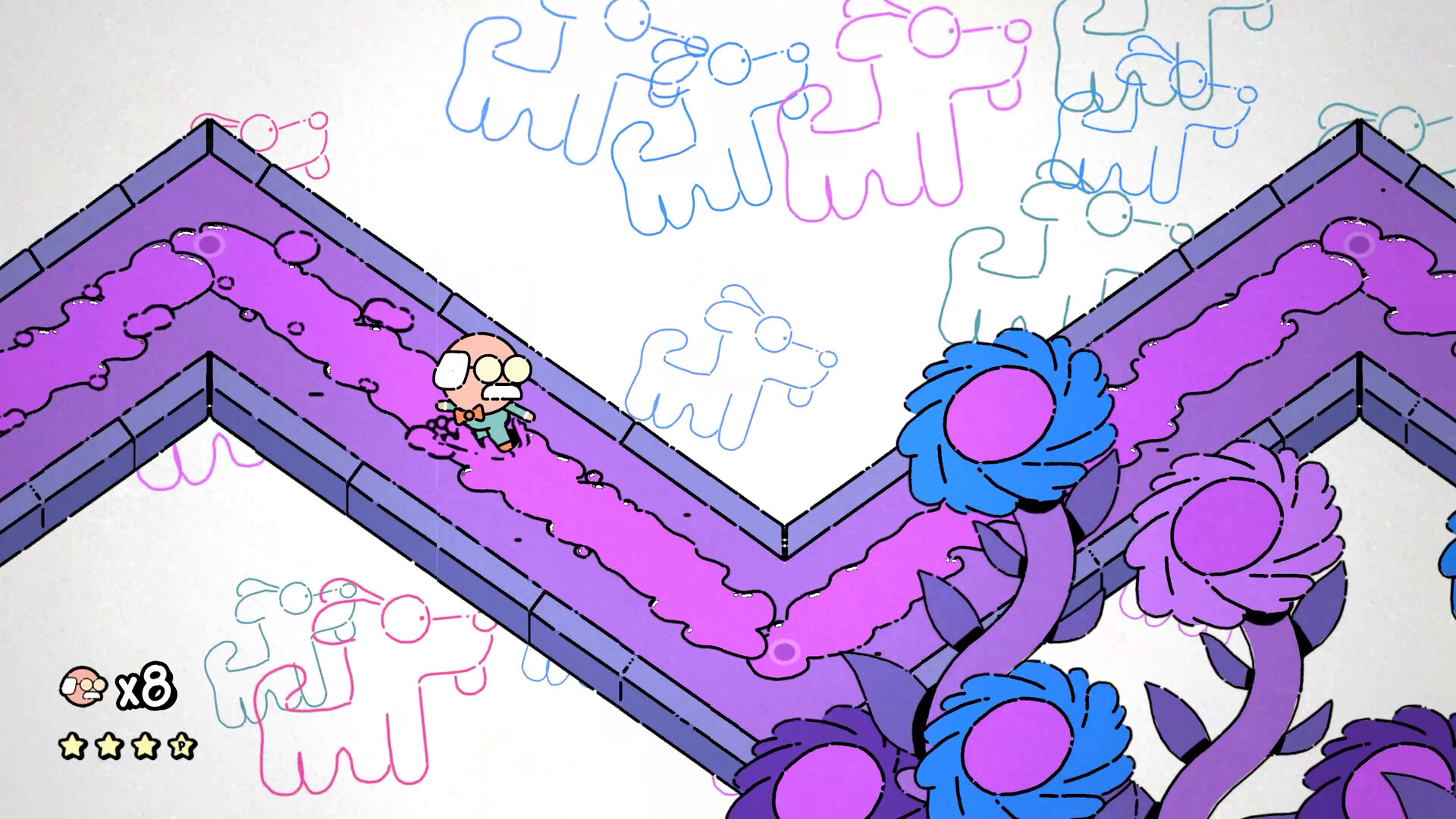
Players interact with a diverse cast of customers, each seeking a specific "vibe" or trying to recover a faded memory of a song they once heard. Success in this phase requires the player to have a deep understanding of their inventory, matching the right record to the right customer based on emotional cues rather than just price tags.
Chronology: A Day in the Life of George
The narrative and gameplay of Mr. Records are framed within a structured daily cycle, providing a sense of routine that mirrors the peaceful life of a retiree while slowly peeling back the layers of George’s history.
Morning: The Hunt for Sound
Each day begins with George in his apartment above the shop. The initial hours are dedicated to procurement. Players browse catalogs and acquire new, untested records. This serves as the gateway to the rhythm levels. Before a record can be sold, George must "verify" its quality by entering its musical world. This phase represents George’s internal life—his dreams and his uncanny ability to become "one with the music."
Afternoon: Doors Open to the Community
As the shop opens, the pace shifts. The vibrant, fast-forward energy of the rhythm levels gives way to a lo-fi, atmospheric management style. Customers enter with varied requests. Some are regulars looking for the latest underground hit, while others are strangers searching for a melody that haunted their dreams. This phase emphasizes the "cozy" nature of the game, focusing on dialogue and the tactile satisfaction of placing records on shelves and operating the storefront.
Evening: Reflection and Connection
The day concludes after the shop closes, but the story continues. George returns to his living quarters, where the game shifts its focus to character development. Through "strange phone calls" with old friends and quiet moments of reflection, players learn about George’s past. These narrative interludes suggest that the record shop is more than a business; it is a way for George to stay connected to a world that often overlooks the elderly.
Supporting Data: The Rise of "Rhythm-Management"
The emergence of Mr. Records follows a growing trend in the indie gaming industry where developers combine disparate genres to create "lifestyle" games. According to market analysis of the "Cozy Game" phenomenon—a genre that saw a 30% increase in Steam tags over the last two years—players are increasingly seeking experiences that offer both mechanical engagement and emotional resonance.
Visual and Auditory Synergy
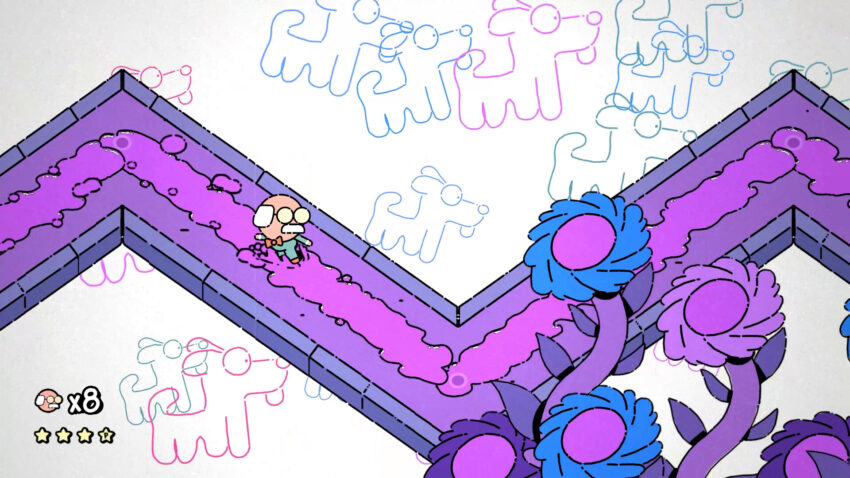
Data from the Gamescom demo indicates that the game’s appeal lies heavily in its sensory cohesion. The "Purple Level," featured prominently in promotional materials, showcases a 1:1 synchronization between environmental obstacles and bass-heavy synth tracks. Early playtester feedback highlighted the "tactile" feel of the movement, noting that the "punching" mechanic provides a rhythmic punctuation that makes the platforming feel more like a dance than a challenge.
Technical Specifications and Accessibility
While a definitive release date has not been set, the technical build showcased at Gamescom suggests a high level of polish. The game utilizes a proprietary engine optimized for low-latency audio processing—a necessity for any rhythm-heavy title. Furthermore, the inclusion of "vibes-based" matching in the retail phase suggests an accessibility-forward design, allowing players who may struggle with high-speed rhythm sections to still find success and enjoyment in the narrative and management aspects of the game.
Official Responses: The Vision Behind the Records
Following the official reveal trailer, the development team has shared insights into the creative philosophy driving the project. The core inspiration for George was the idea of the "active retiree"—the individual who views the end of a career not as a conclusion, but as an opportunity to finally pursue a lifelong dream.
"George represents all of us who have ever felt that a song could take us to another world," a representative for the project stated during a press Q&A at Gamescom. "We wanted to create a game where the music isn’t just a background track, but the actual architect of the world you’re playing in. When George puts on a record, the walls of his shop should melt away. That’s the feeling we’re chasing."
The developers also addressed the "strange phone calls" mentioned in the gameplay loop, hinting that the narrative will explore themes of legacy and the changing nature of the music industry. "There is a bit of a mystery to George’s past. Why now? Why this shop? Those are questions the player will answer one record at a time."
Implications: A New Note for Indie Gaming
The announcement and subsequent demo of Mr. Records have significant implications for the indie landscape, particularly regarding how games portray aging and specialized hobbies.
Redefining the Protagonist
Typically, rhythm and action games feature young, agile protagonists. By casting George—an older man—as the hero, the developers are tapping into a "silver gamer" demographic while also providing younger players with a different perspective on aging. George’s agility in the rhythm world is a metaphor for the timelessness of the human spirit, suggesting that while the body ages, the imagination remains vibrant.
The Evolution of the "Shop Sim"
Mr. Records moves the "shop simulator" genre away from pure economics. In many contemporary sims, the goal is infinite growth. In Mr. Records, the goal appears to be curation and connection. This reflects a broader cultural shift toward "slow gaming," where the quality of the interactions is valued over the quantity of in-game currency accumulated.
Anticipation and Market Impact
Currently available for wishlisting on Steam, Mr. Records has already begun to climb the charts of "most anticipated indie titles." Its success could pave the way for more "hybrid" titles that use rhythm mechanics as a storytelling tool rather than just a skill check. As the industry looks toward the next year of releases, Mr. Records stands out as a testament to the power of a good beat and a well-placed record.
For those who missed the Gamescom showcase, the official reveal trailer remains the best window into George’s world—a world where the needle never skips, and every day brings a new melody to share with the neighborhood. Though the release date remains "TBA," the buzz surrounding this rhythmic dreamer suggests that Mr. Records will be a chart-topping hit for fans of music and heart-led storytelling alike.