The Return of a Fashion Landmark: Janus Films Set to Re-Release Restored ‘Unzipped’
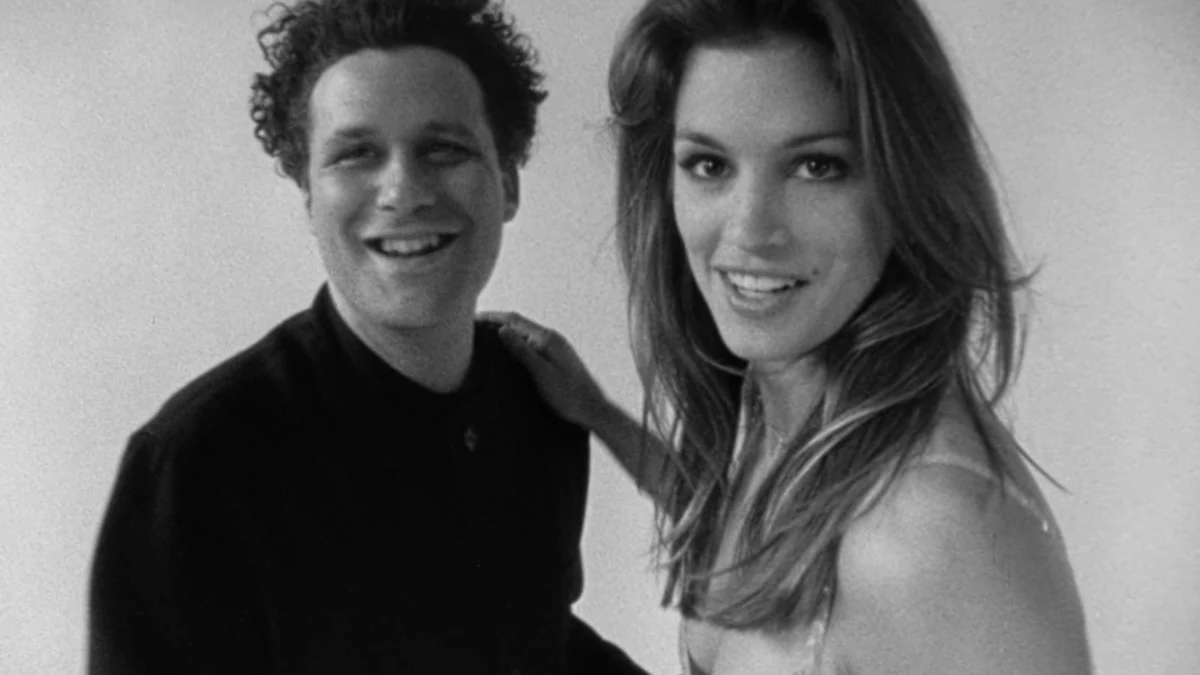
The 1990s represented a tectonic shift in the landscape of global culture, a decade where the rigid boundaries between high art, street style, and celebrity began to dissolve into a singular, vibrant medium. At the epicenter of this transformation was the New York fashion world, an industry then defined by the statuesque presence of the "Original Supermodels" and the mercurial genius of designers who were becoming household names. Perhaps no single piece of media captured this lightning-in-a-bottle moment more effectively than Douglas Keeve’s 1995 documentary, Unzipped.
Nearly thirty years after its initial debut, Janus Films has announced a major theatrical re-release of the film, featuring a meticulous new digital restoration. This revival offers a new generation of fashion enthusiasts and cinephiles a chance to witness the "daily agonies and ecstasies" of Isaac Mizrahi as he navigates one of the most pivotal moments of his career.
Main Facts: A Restoration of Style and Substance
The re-release of Unzipped is not merely a nostalgia trip; it is a significant archival event. The film has been digitally restored through a collaborative effort between the Sundance Institute and the UCLA Film & Television Archive. This technical overhaul ensures that the gritty, intimate textures of 1990s New York—and the vibrant colors of the runway—are preserved for modern high-definition projection.
Janus Films, a distributor renowned for its commitment to world cinema and historical importance, will spearhead the theatrical rollout. The release schedule is strategically designed to build momentum, beginning in the heart of the American fashion industry:
- New York City: Opening Friday, September 25, at the prestigious Film Forum.
- Los Angeles: Opening Friday, October 9, at the Laemmle Royal and Glendale.
- National Rollout: A wider domestic release will follow the initial coastal premieres.
Directed by Douglas Keeve—who was Mizrahi’s partner at the time of filming—the documentary provides a level of access that remains unparalleled in the genre. It tracks Mizrahi during the creation of his Fall 1994 collection, a high-stakes endeavor following a previous season that had been poorly received by critics. The result is a film that balances the "glitz and glamour" of the runway with the raw, often vulnerable reality of the creative process.
Chronology: From the Runway to the Archive
To understand the weight of this re-release, one must look at the timeline of Unzipped and its evolution from a personal project to a cinematic staple.
1994: The Creative Crucible
In early 1994, Isaac Mizrahi was a designer under immense pressure. The fashion industry of the mid-90s was brutal, and Mizrahi was reeling from a stinging review of his previous collection. Douglas Keeve began filming Mizrahi not just as a documentarian, but as a partner witnessing a man at a crossroads. The filming captured the frantic months leading up to the Fall 1994 show, characterized by Mizrahi’s inspirations—ranging from The Nanook of the North to 1960s starlets—and the logistical nightmares of producing a world-class fashion show.
1995: Sundance and Critical Acclaim
Unzipped premiered at the 1995 Sundance Film Festival, where it immediately resonated with audiences. In an era before the proliferation of reality television and "behind-the-scenes" social media content, the film offered a shocking and refreshing look at the humanity behind the vanity. It won the Sundance Audience Award, signaling that its appeal extended far beyond the "fashionistas" of Manhattan.

2024: The Restoration Process
The decision to restore the film comes at a time of renewed interest in 90s aesthetics. The Sundance Institute and UCLA Film & Television Archive recognized the film’s status as a "time capsule." The restoration involved cleaning the original film elements to highlight the cinematography of Ellen Kuras and Robert Leacock, whose work famously toggles between grainy, black-and-white vérité footage and the explosion of color found in the final runway presentation.
Supporting Data: The "Supermodel" Pantheon and Technical Artistry
One of the primary draws of Unzipped—both then and now—is its cast. The film features what many consider the "Mount Rushmore" of the modeling world. Viewers are treated to candid, unfiltered interactions with:
- Naomi Campbell
- Cindy Crawford
- Linda Evangelista
- Kate Moss
- Christy Turlington
These women were not just faces on a magazine; they were global icons who wielded immense power within the industry. Unzipped captures them in the "trenches," getting fitted, joking backstage, and manifesting the charisma that defined an era.
Beyond the celebrity, the film’s technical credentials are formidable. Ellen Kuras, who would go on to serve as cinematographer for Eternal Sunshine of the Spotless Mind, brought a sophisticated eye to the project. The film’s use of 16mm and 35mm film stock creates a visual language that mirrors Mizrahi’s own creative fluctuations—the black-and-white segments represent the anxiety and preparation of the studio, while the color segments represent the "triumph" of the finished art.
Official Responses and Cultural Endorsements
The announcement of the restoration has been met with enthusiasm from both the film and fashion communities. Janus Films’ official synopsis describes the movie as a "seminal artistic portrait" that "transcends glitz and glamour to offer an extraordinary view of the charisma and force of will inherent to genius."
Modern cultural figures have also championed the film’s return. Pop icon Charli XCX recently highlighted the documentary in an interview with Vogue, emphasizing its educational and emotional value.
"If you love fashion, you have to see this documentary," Charli XCX stated. "All the legends are there… but most importantly, the film perfectly captures the artist’s creative process: bursts of inspiration, self-doubt, vulnerability, and finally, triumph."
This endorsement from a contemporary artist underscores the film’s enduring relevance. It suggests that while the clothes may change, the fundamental cycle of the "creative burn"—the fear of failure followed by the rush of success—remains a universal human experience.

Implications: Why ‘Unzipped’ Matters in the Digital Age
The re-release of Unzipped carries several implications for the current media and fashion landscapes.
1. The Preservation of Fashion History
Fashion is inherently ephemeral; collections are shown, sold, and eventually replaced. Documentaries like Unzipped serve as the permanent record of the industry’s history. By restoring this film, the Sundance Institute and UCLA are asserting that fashion history is cultural history, deserving of the same preservation efforts as classic narrative cinema.
2. A Counterpoint to Social Media
In today’s world, "behind-the-scenes" content is curated and polished for Instagram and TikTok. Unzipped offers a stark contrast. It is raw, raucous, and often unflattering. There are moments of genuine temper, exhaustion, and absurdity that modern PR-managed documentaries often scrub away. The return of Unzipped reminds audiences of what true vérité filmmaking looks like—honest, intrusive, and deeply human.
3. The "90s Renaissance"
We are currently witnessing a massive resurgence of 1990s trends in fashion, music, and film. For younger generations who are currently adopting the "heroin chic" or "minimalist" aesthetics of that decade, Unzipped provides the primary source material. It explains the why behind the trends, showing the intellectual and cinematic inspirations that drove designers like Mizrahi.
4. The Evolution of the Fashion Documentary
Unzipped paved the way for subsequent hits like The September Issue, Dior and I, and McQueen. It established the template for the fashion documentary as a character study rather than a mere promotional tool. Its theatrical return allows viewers to see the blueprint that defined a genre.
Conclusion
As Janus Films prepares to bring Isaac Mizrahi’s Fall 1994 collection back to the big screen, the fashion world stands ready to rediscover a masterpiece. Unzipped remains a vital work because it refuses to look at fashion as a superficial pursuit. Instead, it treats the catwalk as a battlefield and the designer as a weary but determined commander.
Whether it is the sight of Kate Moss in her prime, the witty banter of Mizrahi, or the lush cinematography of Ellen Kuras, the restored Unzipped promises to be more than just a movie; it is an invitation to witness the moment when fashion truly became the dominant language of pop culture. Beginning September 25, audiences will once again be able to see the stitches, the stress, and the sheer brilliance of a legend "unzipped."