
Witnessing the "Open-Air Prison": A Comprehensive Analysis of Mohammad Saba’aneh’s Welcome to Hell
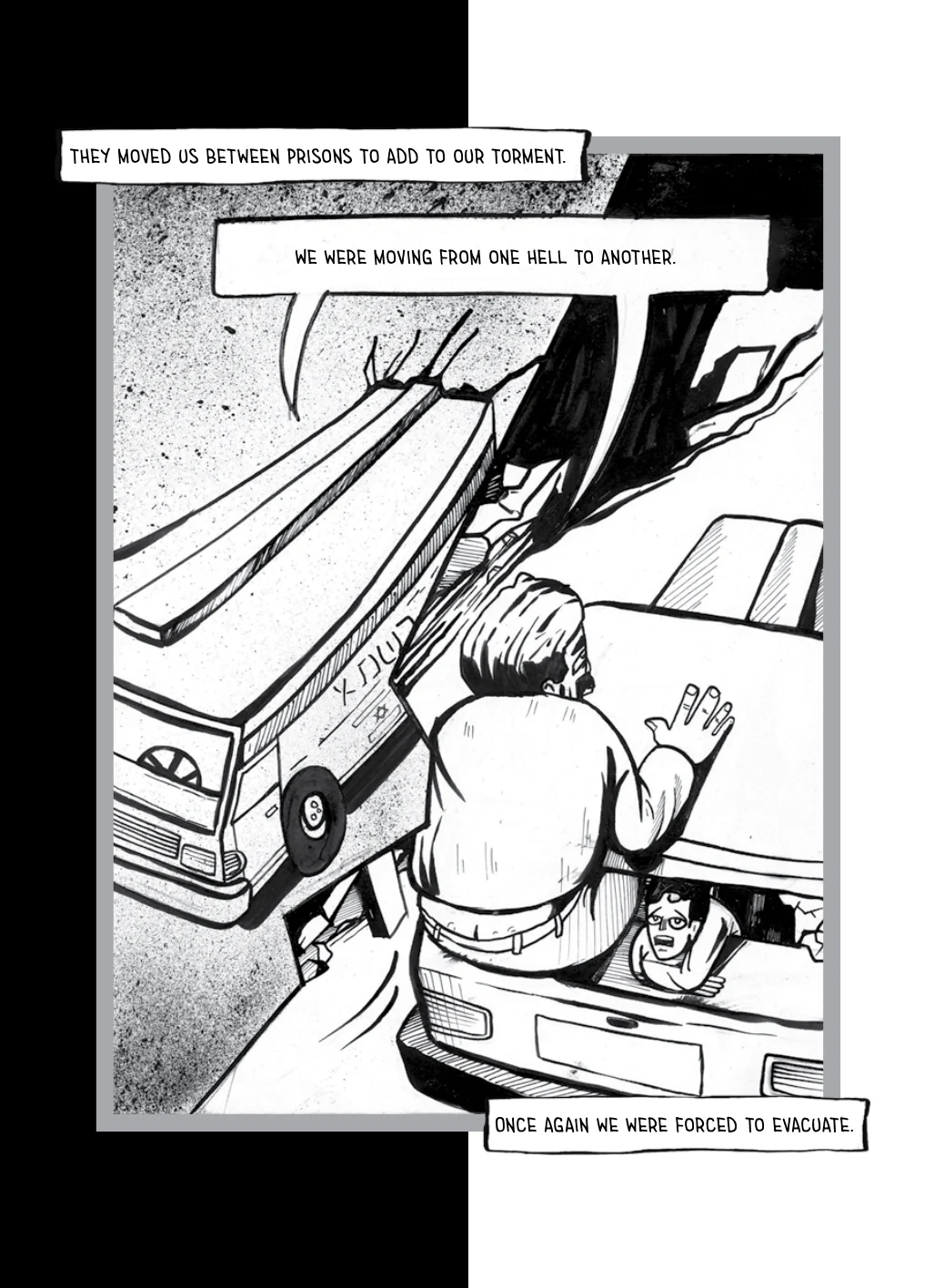
The intersection of art and geopolitical tragedy has rarely been as visceral as in the latest work by Palestinian political cartoonist Mohammad Saba’aneh. His new graphic memoir, Welcome to Hell: From the West Bank to Gaza (Street Noise, 2026), serves as both a harrowing document of contemporary history and a sophisticated artistic exploration of confinement. By weaving together the literal incarceration of his brother with the metaphorical and physical blockade of the Palestinian territories, Saba’aneh challenges the global community to confront a reality many have chosen to ignore.
Main Facts: The Architecture of Confinement
Welcome to Hell: From the West Bank to Gaza is the follow-up to Saba’aneh’s critically acclaimed Power Born of Dreams. While his previous work utilized the medium of sequential art to explore the psychological landscape of political prisoners, his latest memoir expands the "prison" metaphor to encompass the entirety of the Palestinian experience.
The book’s central thesis is that the distinction between the walls of an Israeli prison cell and the borders of Gaza or the West Bank is increasingly academic. To Saba’aneh, Palestine has been transformed into a series of interconnected carceral spaces where movement is restricted, dignity is stripped, and surveillance is omnipresent.
Key elements of the memoir include:
- Narrative Parallelism: The book alternates between the story of Saba’aneh’s brother, Thamer, who is held in an Israeli prison, and the civilian population of Gaza and the West Bank.
- Artistic Medium: Saba’aneh employs the labor-intensive technique of linocut, a form of relief printing that lends the work a heavy, textured, and indelible quality.
- Thematic Focus: The work centers on the "mirroring" of experiences—how the deprivation of basic needs in a prison cell is reflected in the systemic blockade of an entire civilian population.
Chronology: From Book Tour to the Frontlines of Trauma
The genesis of Welcome to Hell is rooted in a moment of profound irony. In late 2023, Saba’aneh was traveling internationally on a book tour for Power Born of Dreams. While he was discussing the resilience of the Palestinian spirit in comfortable lecture halls, the geopolitical landscape shifted violently. The invasion of Gaza began, and the "dreams" he had written about were eclipsed by a waking nightmare.
The memoir begins at this juncture, capturing the author’s perspective as an observer from afar who is suddenly pulled back into the gravity of his homeland’s crisis. This opening scene sets the stage for a shift in his creative focus: he moves from the individual internal struggle of the prisoner to a broader, more structural analysis of the occupation.
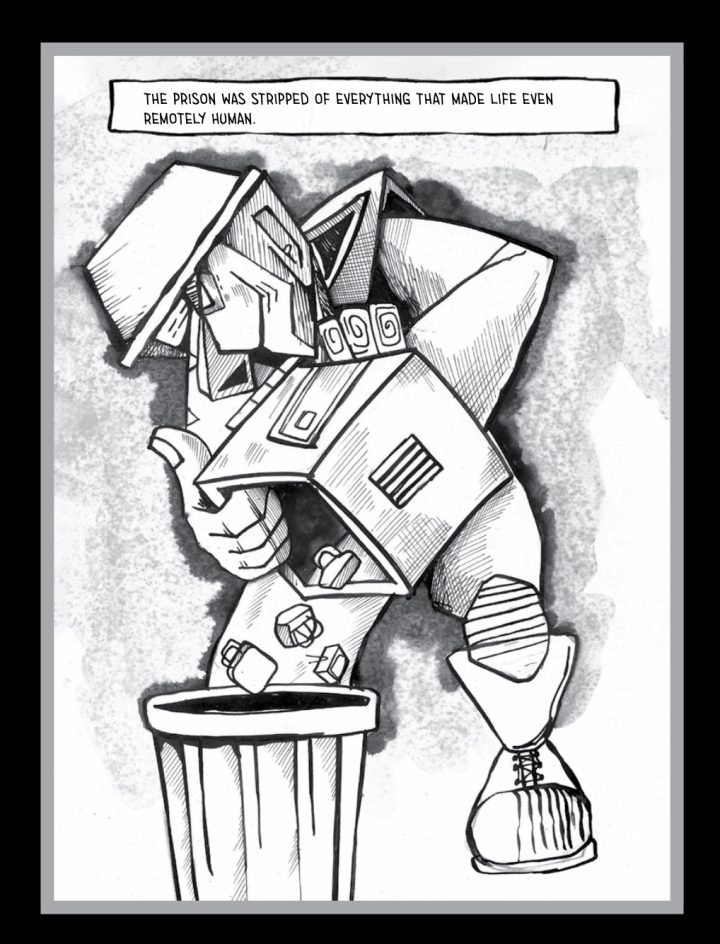
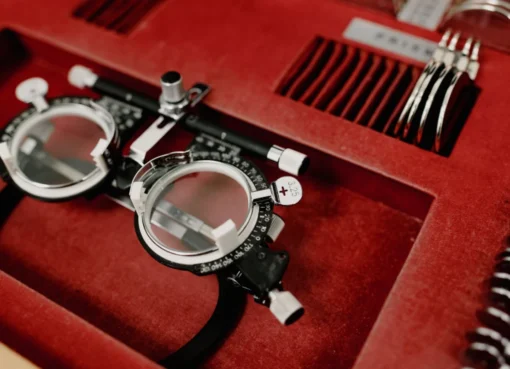
As the conflict intensified, the personal and the political merged. The incarceration of his brother, Thamer, provided a focal point for the narrative. The timeline of the book follows Thamer’s journey through the Israeli carceral system—from the initial arrest and the shattering of his eyeglasses to his transfer between various detention facilities. Simultaneously, the book tracks the escalating humanitarian crisis in Gaza, creating a chronological "double-helix" of suffering that suggests these events are not merely happening at the same time, but are part of the same machinery of control.
Supporting Data: The Visual Language of Oppression and Humanity
Saba’aneh’s background as a political cartoonist for Palestinian newspapers is evident in his mastery of visual metaphor. However, in Welcome to Hell, he elevates his style to a form of "Graphic Witnessing."
The Linocut Aesthetic
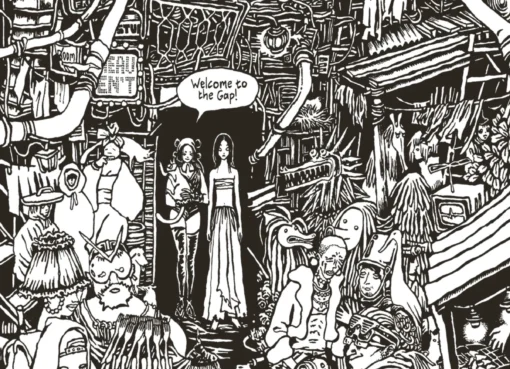
The choice of linocut is essential to the book’s impact. Unlike digital illustration or traditional ink drawing, linocut requires the artist to physically carve away material to create an image. This "subtractive" process mirrors the way the occupation carves away at Palestinian life. The resulting images are dominated by heavy blacks and stark whites, creating a claustrophobic atmosphere.
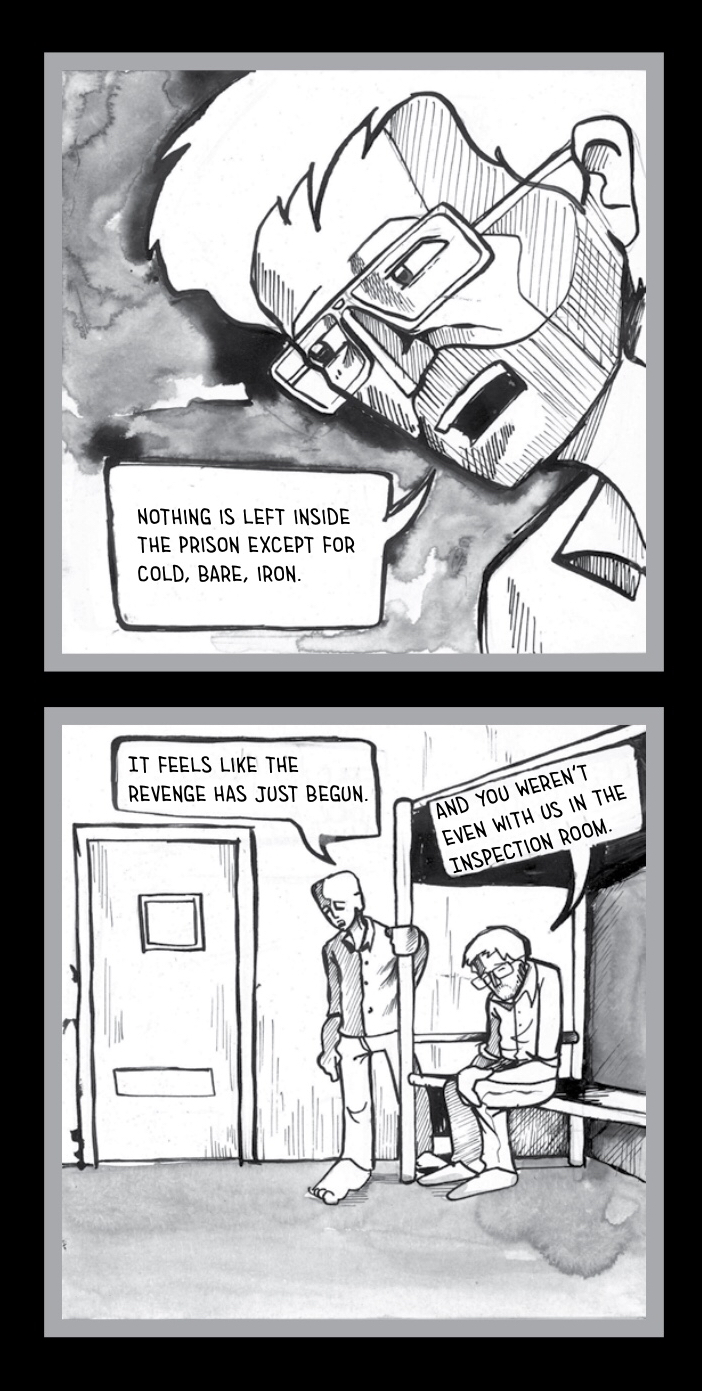
Saba’aneh uses this medium to differentiate states of "freedom" and "captivity." In the rare scenes representing relative freedom, the artwork features more white space and lacks rigid borders, suggesting breath and movement. Conversely, scenes of the West Bank and the prisons are characterized by dense black backgrounds and small, restrictive panels that mimic the sensation of a cage.
Artistic Dehumanization vs. Realism
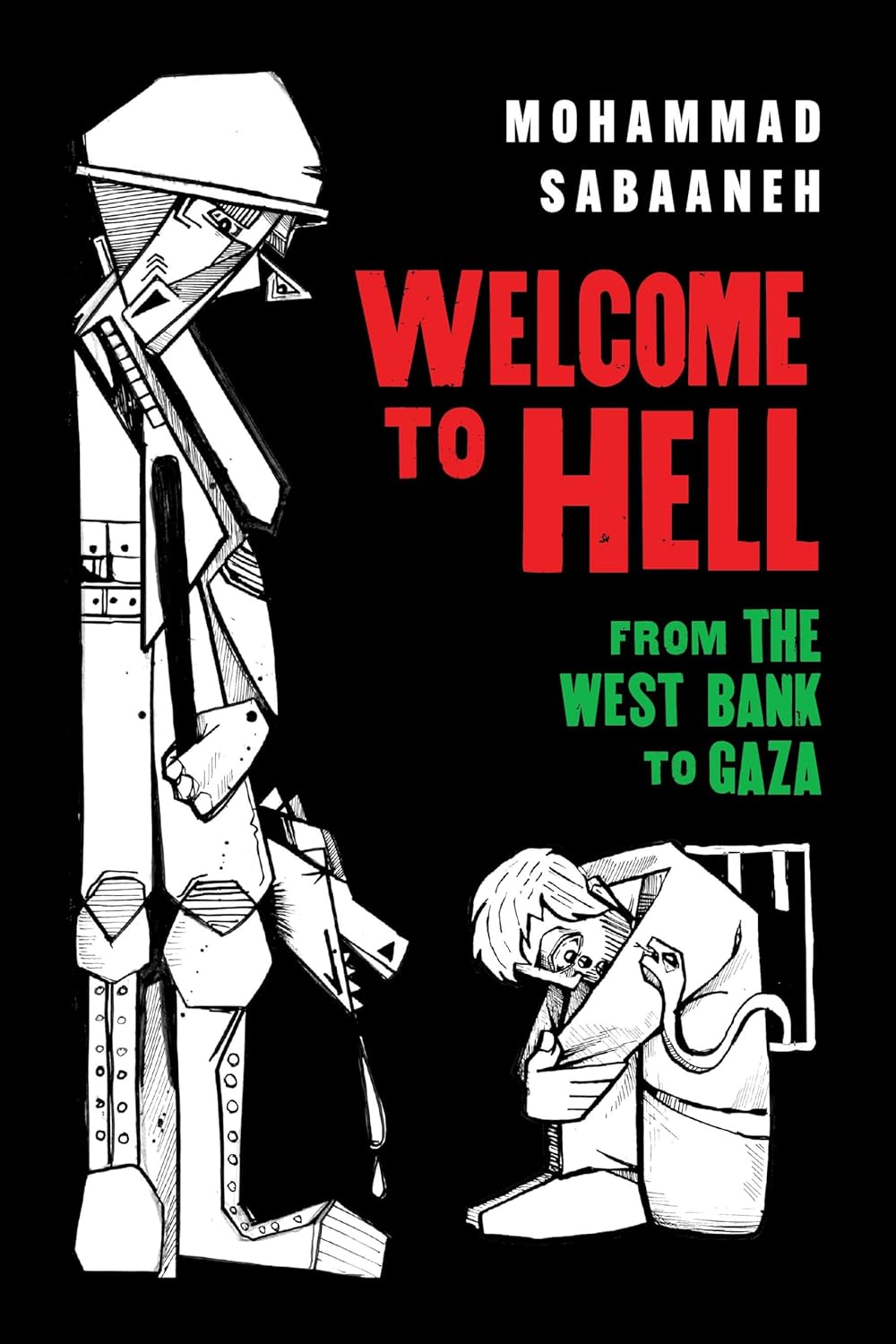
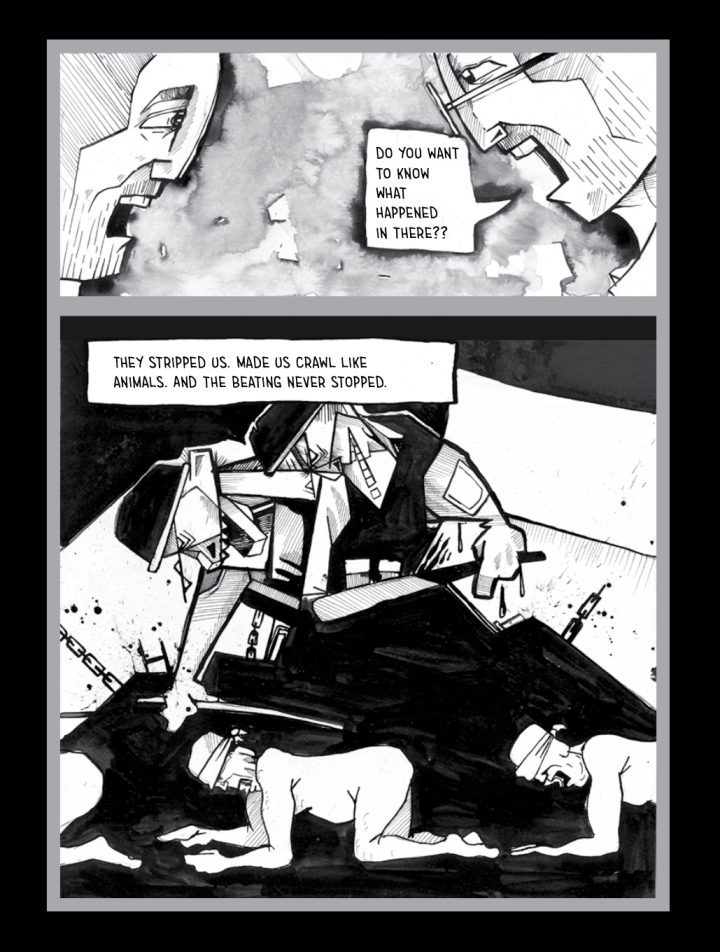
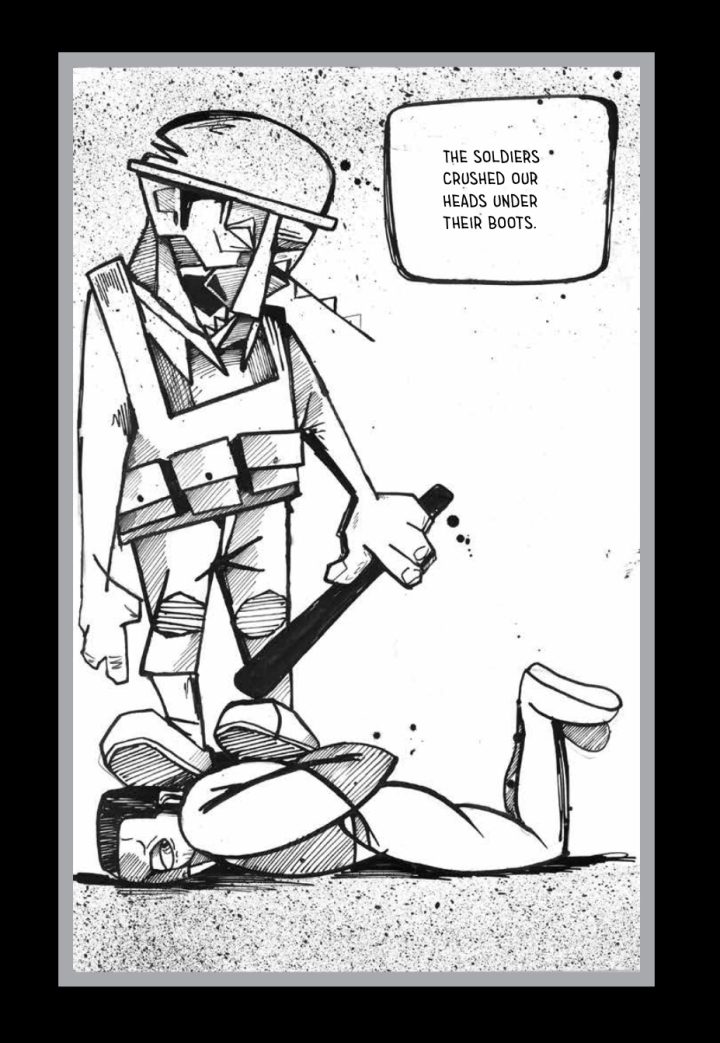
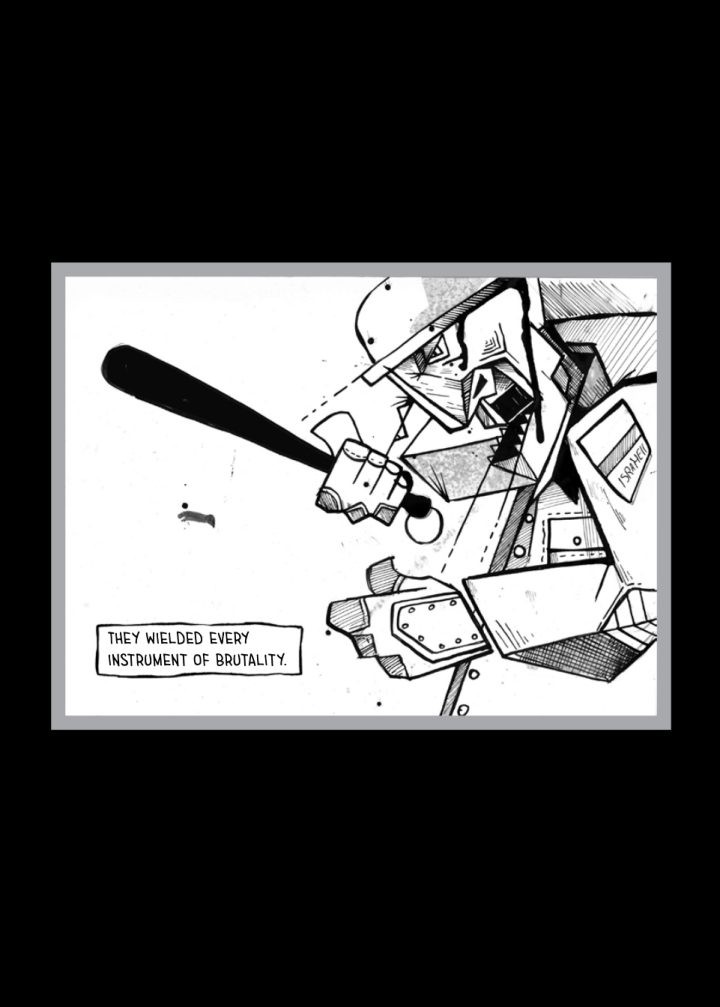
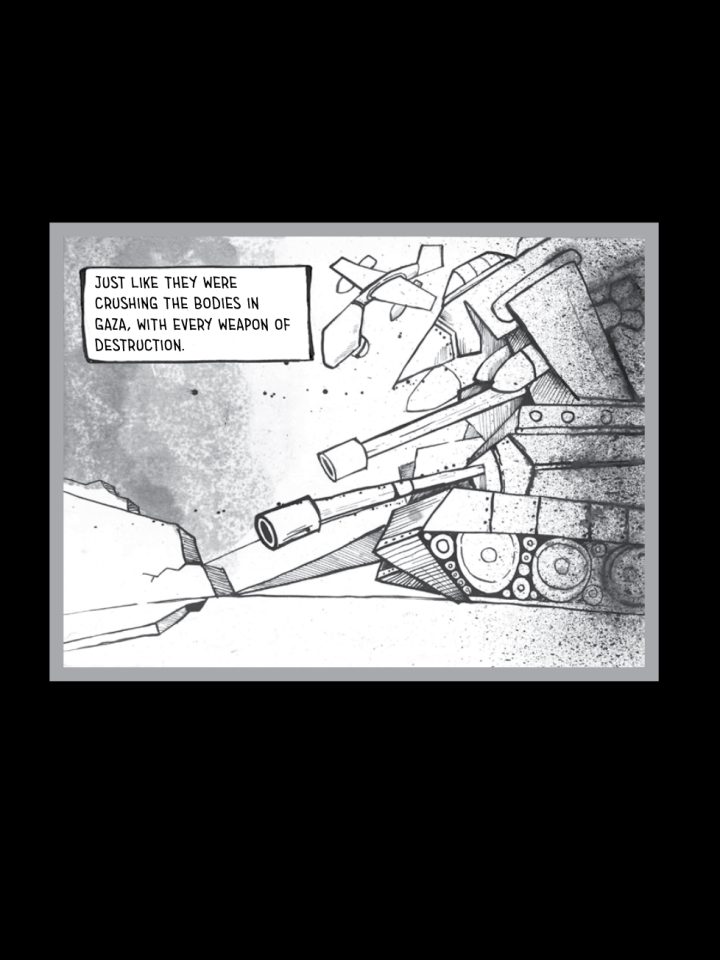
One of the most striking aspects of the work is the application of Cubism. When portraying Israeli soldiers and prison guards, Saba’aneh leans into a jagged, Cubist style. These figures appear mechanical, often depicted with rivets on their skin or hands that resemble tank treads. This artistic choice serves a dual purpose: it reflects the way prisoners perceive their captors as part of an unfeeling machine, and it visually links the individual soldier to the larger military apparatus (tanks, bulldozers, and drones) destroying Gaza.
In contrast, the Palestinian characters—the prisoners and the civilians—are rendered with more lifelike, rounded features. Despite their suffering, they retain a visible humanity. This juxtaposition forces the reader to acknowledge the personhood of the victims in a conflict where they are often reduced to statistics.
Narrative Mirroring
The data of daily life under siege is presented through a technique of "echoed dialogue." A pivotal moment in the book involves a woman named Safa in Gaza, who, after being displaced, laments the loss of "clothes, pillows, and mattresses." A few pages later, Thamer, in his prison cell, utters the exact same words. This linguistic symmetry underscores Saba’aneh’s argument: the "hell" of the prison and the "hell" of the blockaded territory are one and the same.
Official Responses and the Role of Graphic Journalism
While the memoir is a personal work, it enters a global discourse that has seen increasing friction between human rights organizations and state actors. International bodies, including various UN agencies and NGOs like Amnesty International, have frequently used the term "open-air prison" to describe the Gaza Strip—a term Saba’aneh adopts and visualizes with uncompromising literalism.
The "official" response to such work in the region is often one of suppression. Palestinian artists frequently face travel restrictions, censorship, and, in some cases, detention. By publishing with an American house like Street Noise, Saba’aneh bypasses local censorship to reach a global audience, positioning his work within the tradition of "Graphic Journalism" established by figures like Joe Sacco (Palestine, Footnotes in Gaza).
Critics have noted that Saba’aneh’s work does not aim for the "objective" distance of traditional journalism. Instead, it offers "subjective truth"—the lived experience of a population under military rule. This approach has gained traction in academic circles as a vital form of counter-narrative to state-sanctioned histories.
Implications: Survival, Resistance, and the "Paradox of Autumn"
The concluding chapters of Welcome to Hell move beyond the documentation of suffering to explore the mechanics of survival. Saba’aneh identifies a "paradox of sight" throughout the memoir. When the soldiers shatter Thamer’s glasses, they attempt to strip him of his ability to witness his own reality. The world, too, is accused of "turning a blind eye."
However, the book suggests that witnessing is an act of resistance. In his preface, Saba’aneh explicitly calls on the reader to "witness the stories of those who survive this oppression." He frames the memoir not merely as a tragedy, but as a "story of power, resistance, and the relentless fight for freedom."
The Symbolism of the Tree
The most enduring metaphor in the work is that of the tree. Early in the book, a tree is shown lopped of its limbs, resembling a blindfolded, mutilated prisoner. This represents the totalizing effect of the occupation. Yet, later, the narrative introduces a peach tree in a prisoner’s garden that survives eighteen months of neglect.
Saba’aneh uses this to illustrate the concept of Sumud (steadfastness). The "spring" he writes about is not a naive optimism, but a biological and spiritual necessity. He writes: "All the paradoxes of autumn. All the bitter winds of winter—spring gathers them in its gentle bloom. And for us, with spring, there is always another season."
Final Outlook
The implications of Welcome to Hell are sobering. It suggests that as long as the "prison" exists—whether it be the concrete walls of a cell or the invisible borders of a territory—the cycle of "moving from one hell to another" will continue.
Saba’aneh’s work is a demand for a change in perspective. By refusing to look away, and by documenting the humanity of those trapped within these "hells," he challenges the reader to consider the future of both the West Bank and Gaza. The book serves as a reminder that while the artwork is dark and the themes are heavy, the act of creating the book itself is an act of hope—a belief that stories can eventually break through the walls that steel and wire cannot.

Leave a Comment