Radical Frivolity and the Knife of Art: Raquelle Jac’s ‘Bimbo Agitprop’ Set for August Release
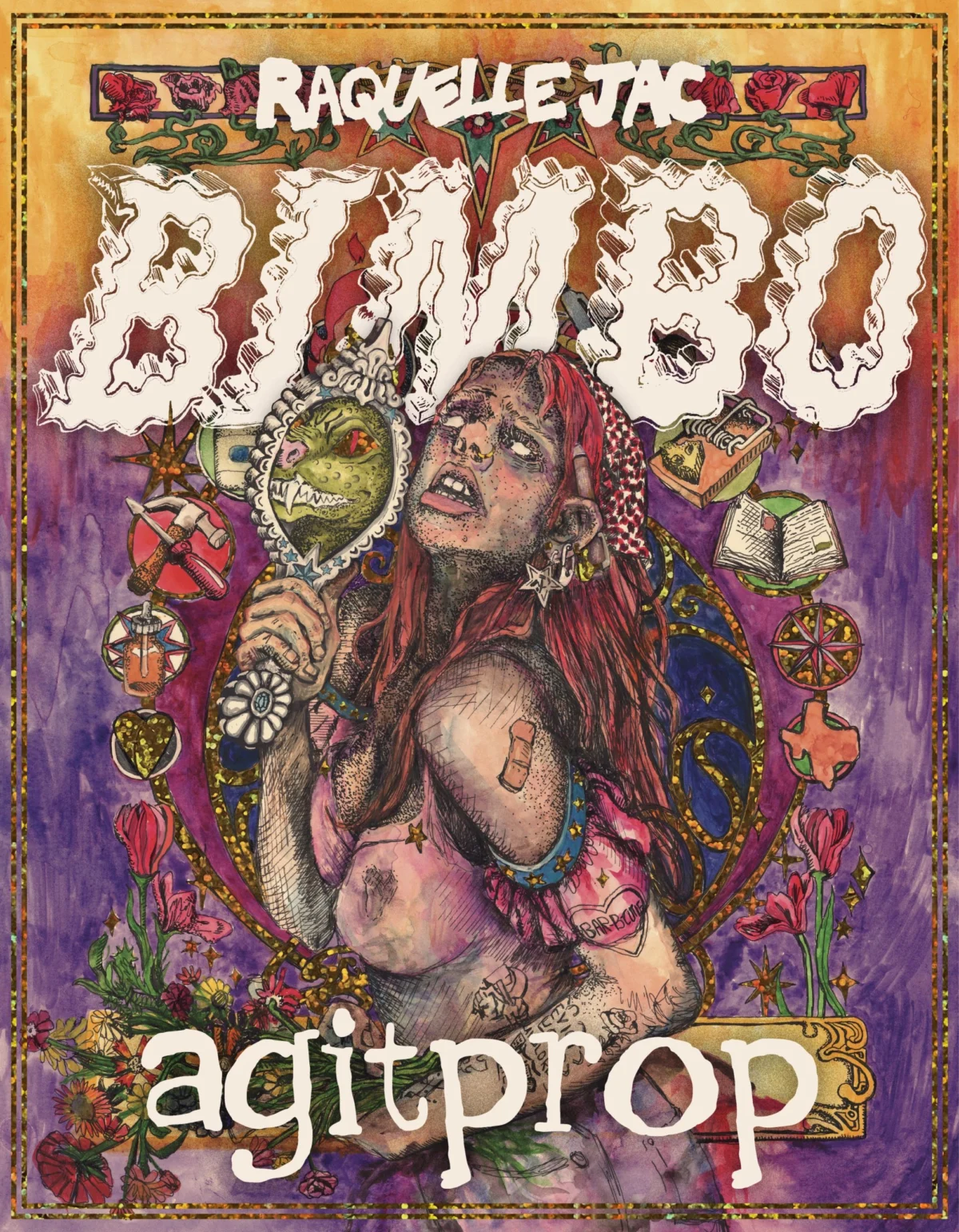
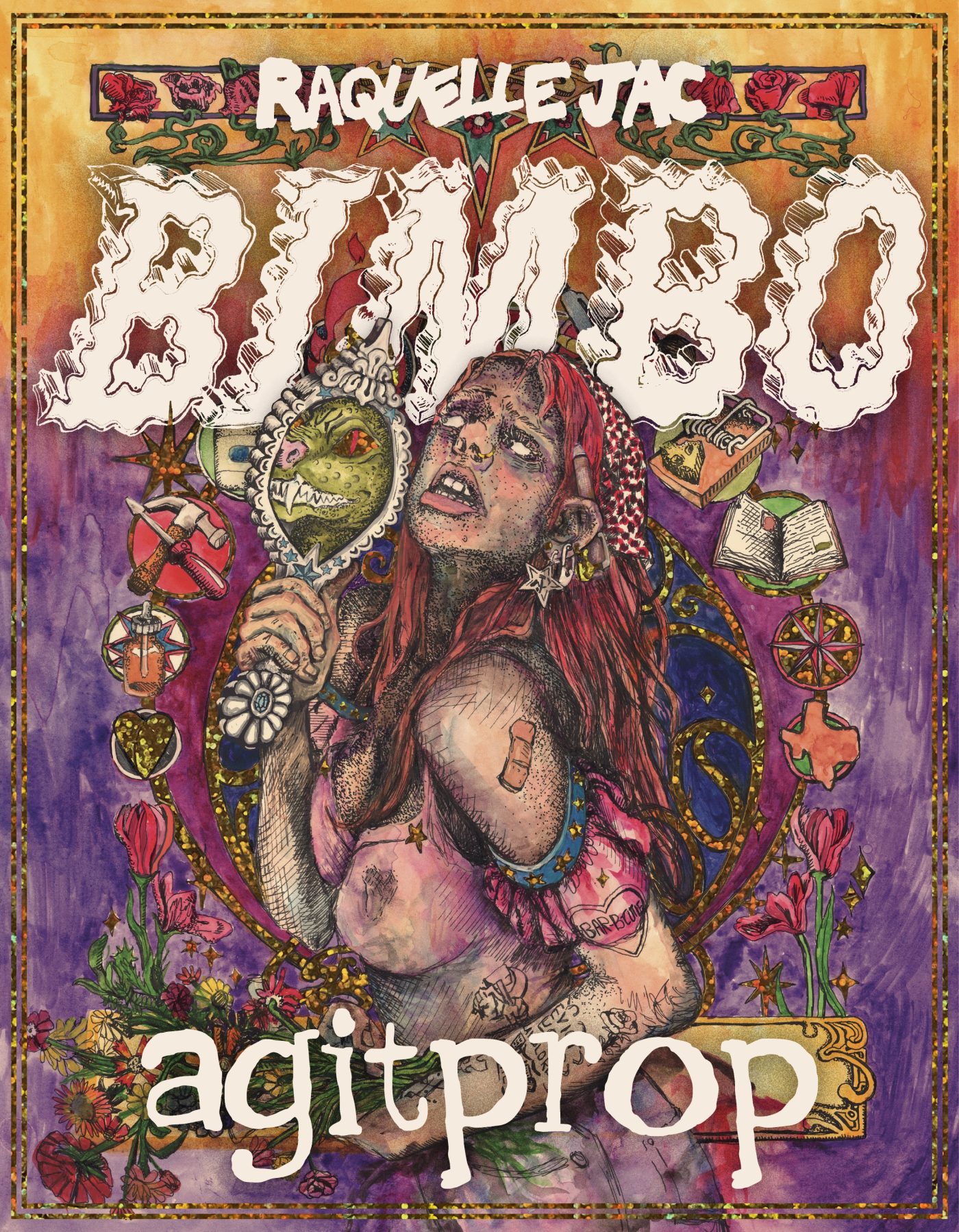
SEATTLE — In an era where the graphic novel has increasingly leaned toward polished, sanitized aesthetics, a new voice is emerging from the dust of West Texas to reclaim the raw, confrontational power of the underground comix movement. Fantagraphics, the premier publisher of alternative comics, has announced the upcoming release of Bimbo Agitprop, the 360-page debut graphic novel from artist Raquelle Jac. Scheduled for a nationwide release on August 4, 2026, the book is already being hailed as a seminal work that bridges the gap between the hyper-individualism of the internet age and the radical, anti-establishment spirit of the 1960s.
Priced at $34.99, Bimbo Agitprop arrives at a pivotal moment for the medium. By blending personal trauma with political manifesto, Jac seeks to "organize, agitate, and dismantle" the systems of modern immiseration through a lens she calls "bimboism."
Main Facts: A Debut Steeped in Underground Tradition
The publication of Bimbo Agitprop represents a significant investment by Fantagraphics into a new generation of autobiographical storytellers. Raquelle Jac, born in the late 1990s, represents the "Gen Z" transition—a demographic that grew up amidst the terminal decline of the analog world and the explosive, often volatile rise of the digital panopticon.
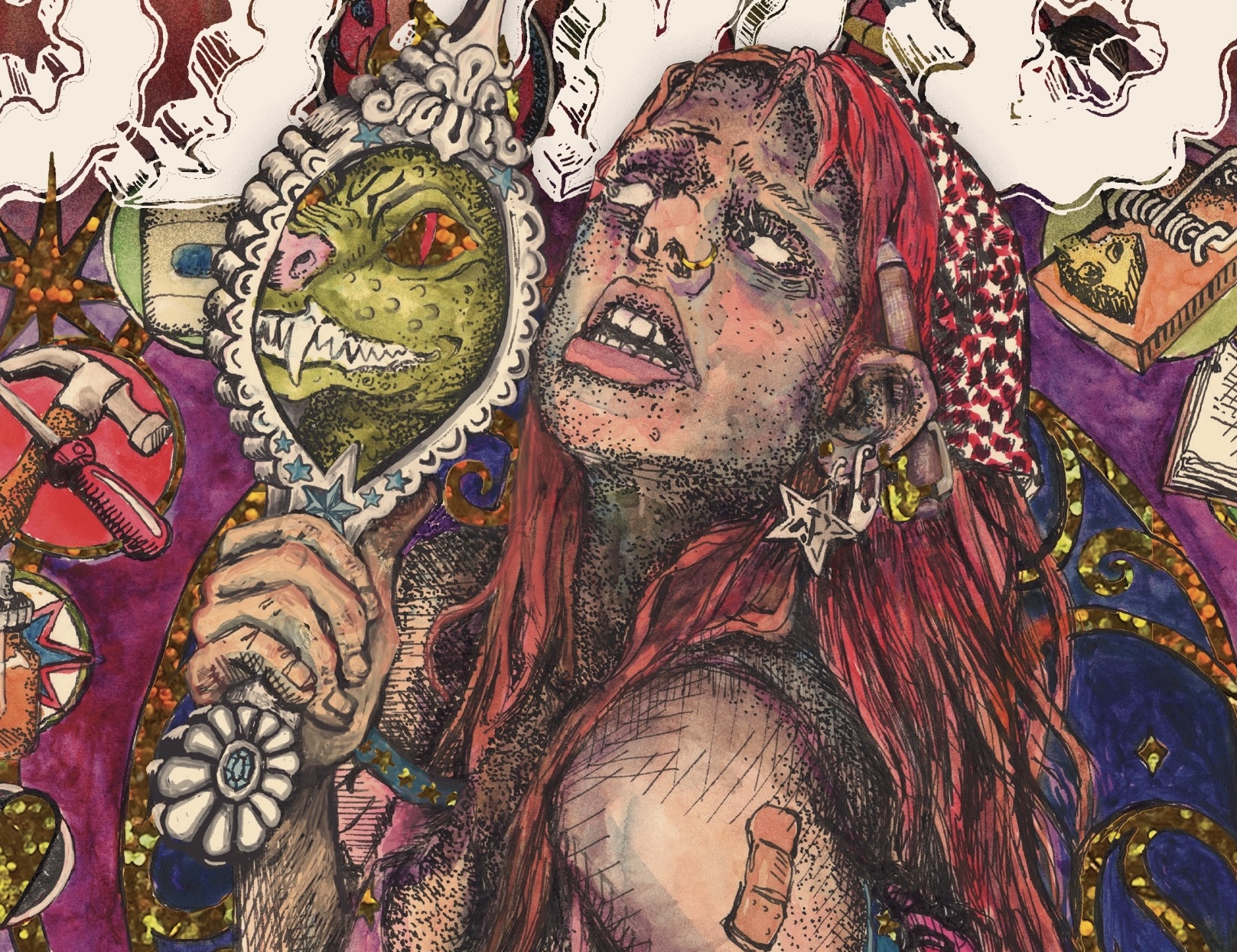
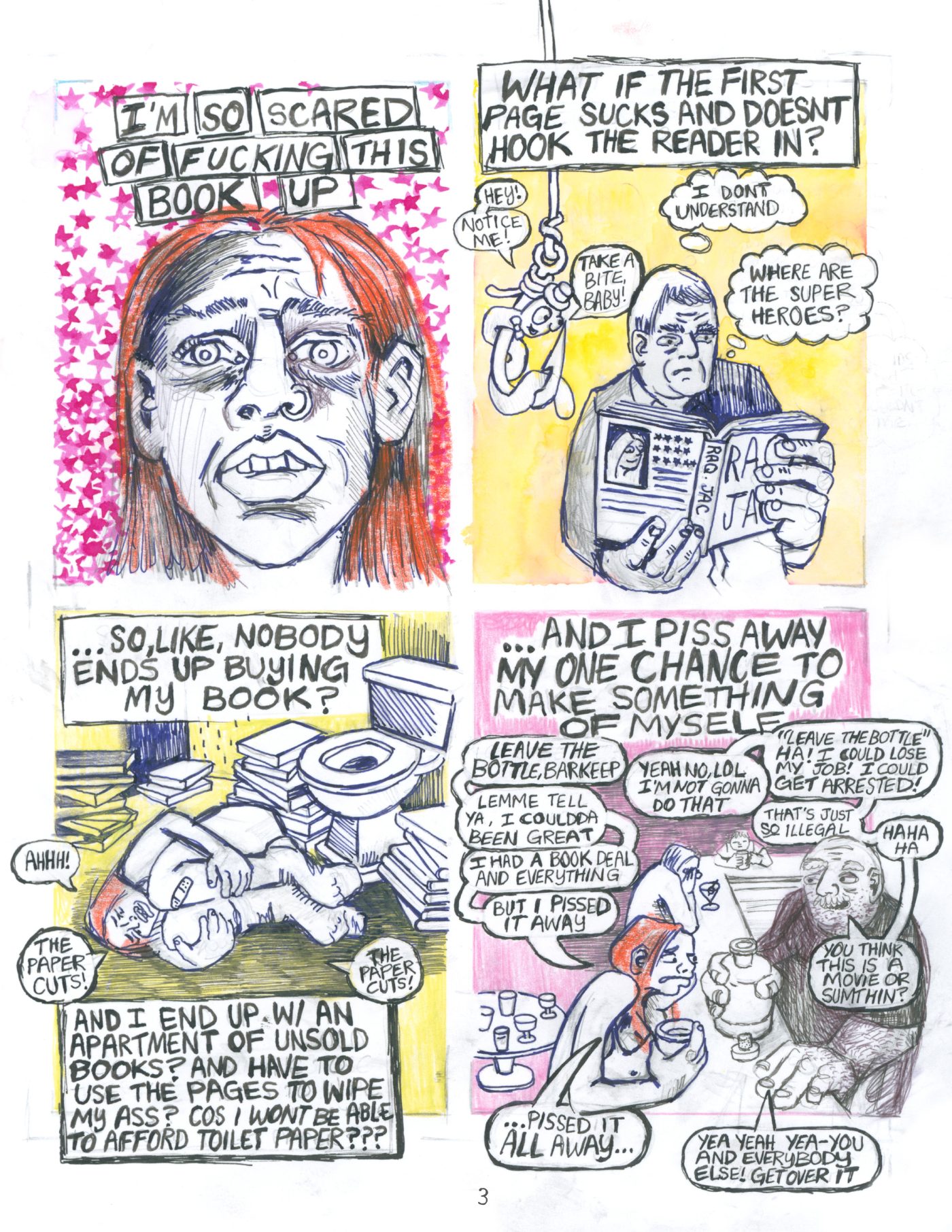
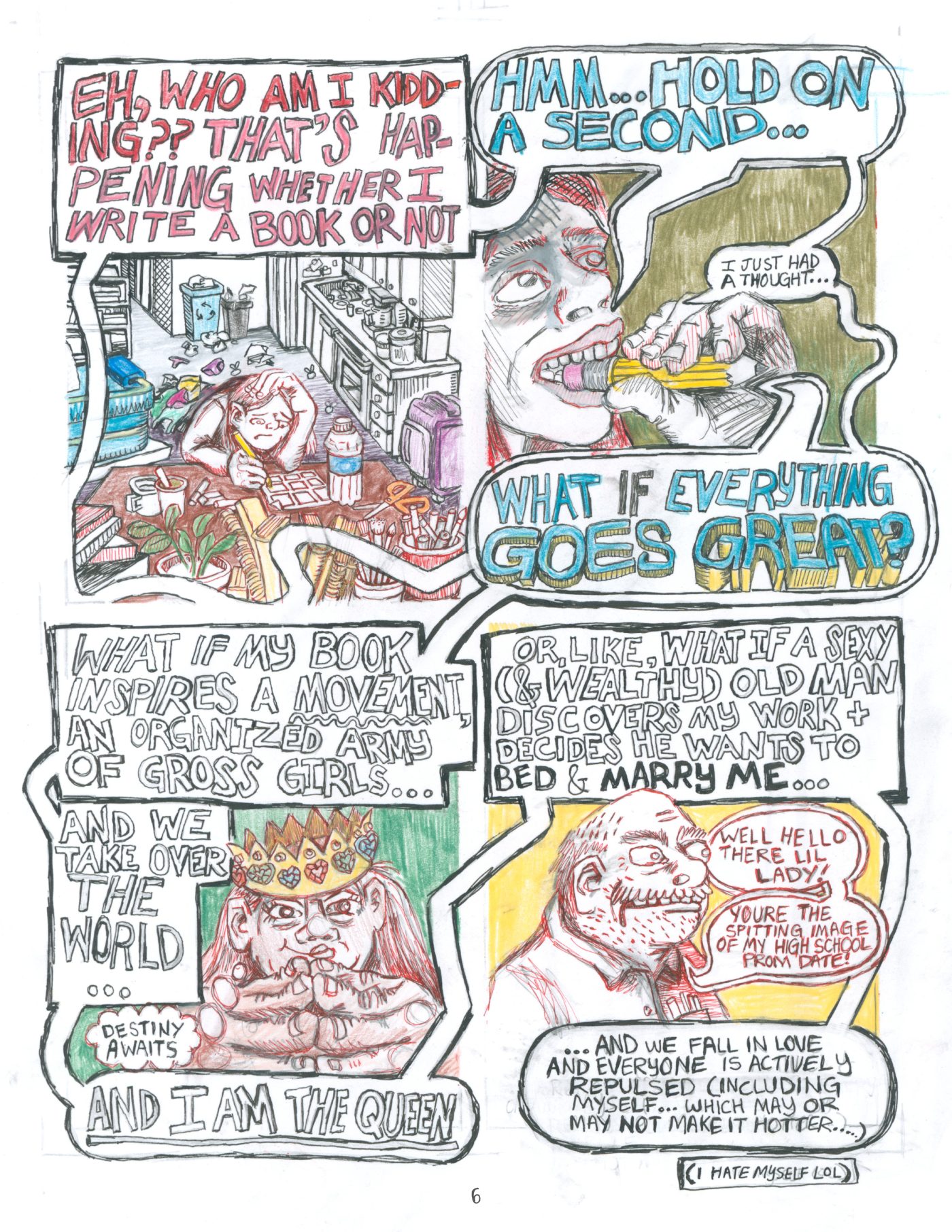
The book is structured as a dense, obsessive 360-page volume. Unlike the minimalist trends seen in many contemporary webcomics, Jac’s work is characterized by "handmade, radically anti-establishment" art. Critics and early readers have noted the visceral nature of her linework, which the publisher describes as "wielding art like a knife."
The title itself—a portmanteau of the derogatory "bimbo" and the Soviet-era "agitprop" (agitation propaganda)—suggests a deliberate subversion of gendered expectations. Jac uses the "bimbo" archetype not as a signifier of vacuity, but as a tactical embrace of frivolity used to interrogate the heavy realities of the 2020s, including psychedelic exploration, sexual trauma, and the shifting tides of political discourse.
Chronology: From West Texas to the Digital Age
The narrative arc of Bimbo Agitprop provides a comprehensive cultural history of the early 21st century as seen from the periphery of the American South. The book tracks Jac’s upbringing and development through several distinct historical and cultural epochs:
The Late 90s and the Satanic Panic
Though the peak of the national "Satanic Panic" occurred in the 1980s, its echoes remained deeply entrenched in the religious landscape of West Texas during Jac’s childhood. The book explores the psychological toll of growing up in an environment where moral panics dictated social boundaries and fueled a culture of surveillance and fear.
Y2K and the Digital Dawn
Jac captures the specific anxiety of the turn of the millennium. For a child of the late 90s, Y2K was more than a technical glitch; it was the first taste of a global, existential dread—a precursor to the climate and economic anxieties that would define her later years.
The Great Recession and Domestic Turmoil
The mid-to-late 2000s serve as the backdrop for the book’s more intimate struggles. Jac documents the intersection of macroeconomic collapse and personal instability, detailing experiences with abusive parental figures and the "predatory systems" that she argues are designed to keep the marginalized in a state of perpetual struggle.
The 2010s: Hyper-Individualism and "Oversharing"
A significant portion of the work reflects on the late 2010s internet culture. Jac examines the phenomenon of hyper-individualist oversharing—the act of turning one’s trauma into digital currency. Rather than merely participating in this culture, Bimbo Agitprop critiques it, attempting to ground these digital experiences in the physical, messy reality of ink and paper.
Supporting Data: The Lineage of the "Art-Knife"
To understand the positioning of Bimbo Agitprop, one must look at the artistic lineage Fantagraphics has placed it within. The publisher explicitly compares Jac to two titans of the medium: Aline Kominsky-Crumb and Phoebe Gloeckner.
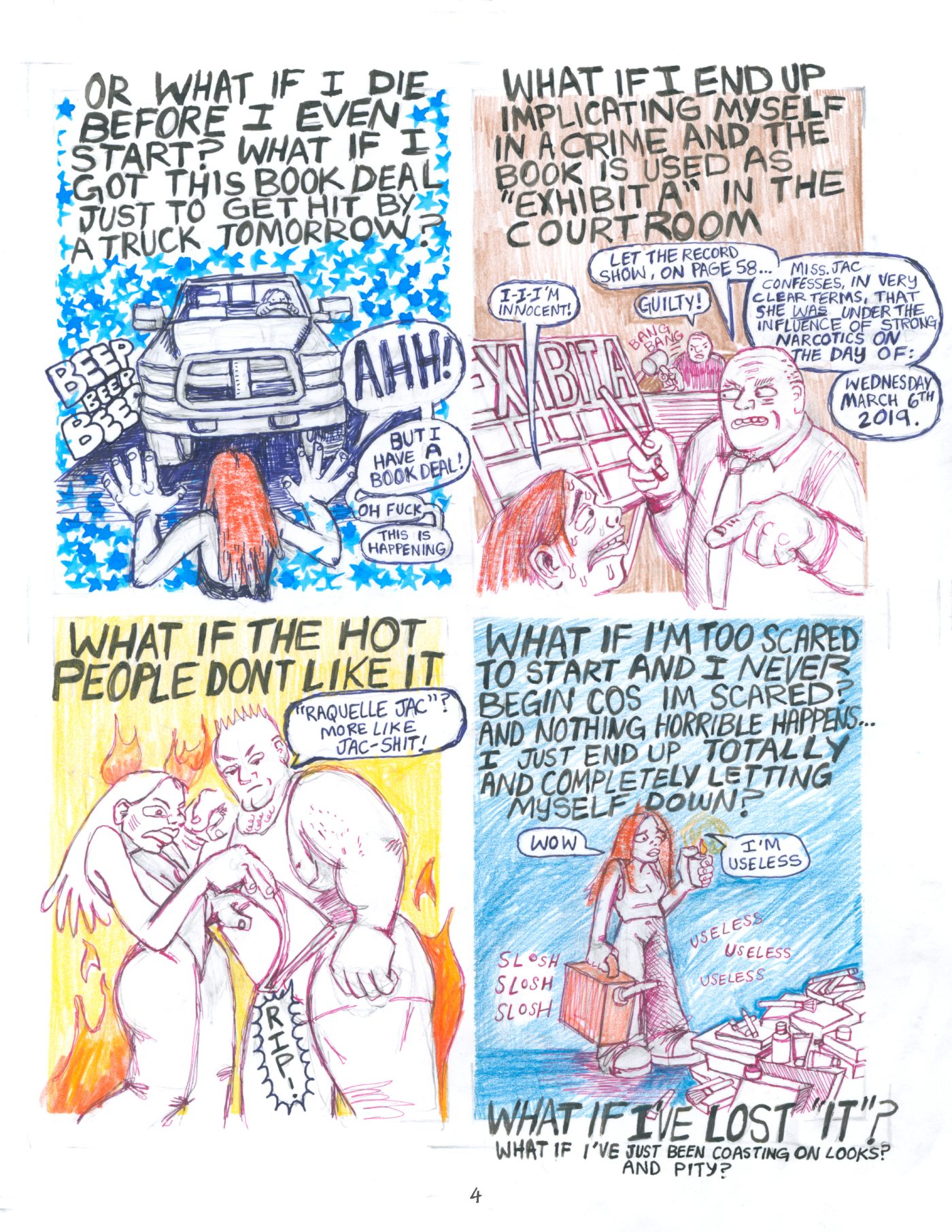
- Aline Kominsky-Crumb: As a pioneer of the "confessional" comic, Kominsky-Crumb’s work was revolutionary for its refusal to depict the female form or psyche in a traditionally "pleasing" way. Jac adopts this "ugly-honest" approach, utilizing dense pages and unfiltered narration to prevent the reader from looking away.
- Phoebe Gloeckner: Known for The Diary of a Teenage Girl, Gloeckner’s work deals with the harrowing realities of sexual awakening and exploitation. Jac follows this path by refusing to sanitize her experiences with "shitty men" and "bad sex," instead using these moments as fuel for her broader political critique.
The book’s physical specifications also speak to its ambitions. At 360 pages, it is significantly longer than the average debut graphic novel. This length allows for what the publisher calls "ping-ponging" between disparate themes: a psychedelic trip might be followed by a treatise on "woke/anti-woke" pendulum swings, creating a reading experience that mirrors the fractured nature of modern consciousness.
Official Responses: A "Call to Arms"
In a statement accompanying the announcement, Fantagraphics described the work as more than just a memoir. "Raquelle Jac keeps her wounds fresh and open to both remember the past and protect herself in the future," the publisher stated. "At turns explicit, hilarious, profane, and defiant, Bimbo Agitprop is both an act of self-preservation and a call to arms."
The "Bimboism" aspect of the book has already sparked discussion among cultural critics. The term has seen a resurgence on platforms like TikTok and Instagram, where young women have "reclaimed" the bimbo identity as a form of leftist, anti-capitalist performance—rejecting the "girlboss" hustle culture in favor of a performative, radical silliness. Jac’s work appears to be the first major literary attempt to codify this movement into a comprehensive manifesto.
Industry insiders suggest that Bimbo Agitprop may be a frontrunner for major awards in the 2027 season, noting that Fantagraphics has a history of launching transformative careers with such bold, uncompromising debuts.
Implications: The Future of the Graphic Manifesto
The release of Bimbo Agitprop carries several implications for the future of the comics medium and the broader cultural landscape:
1. The Death of the "Polished" Memoir
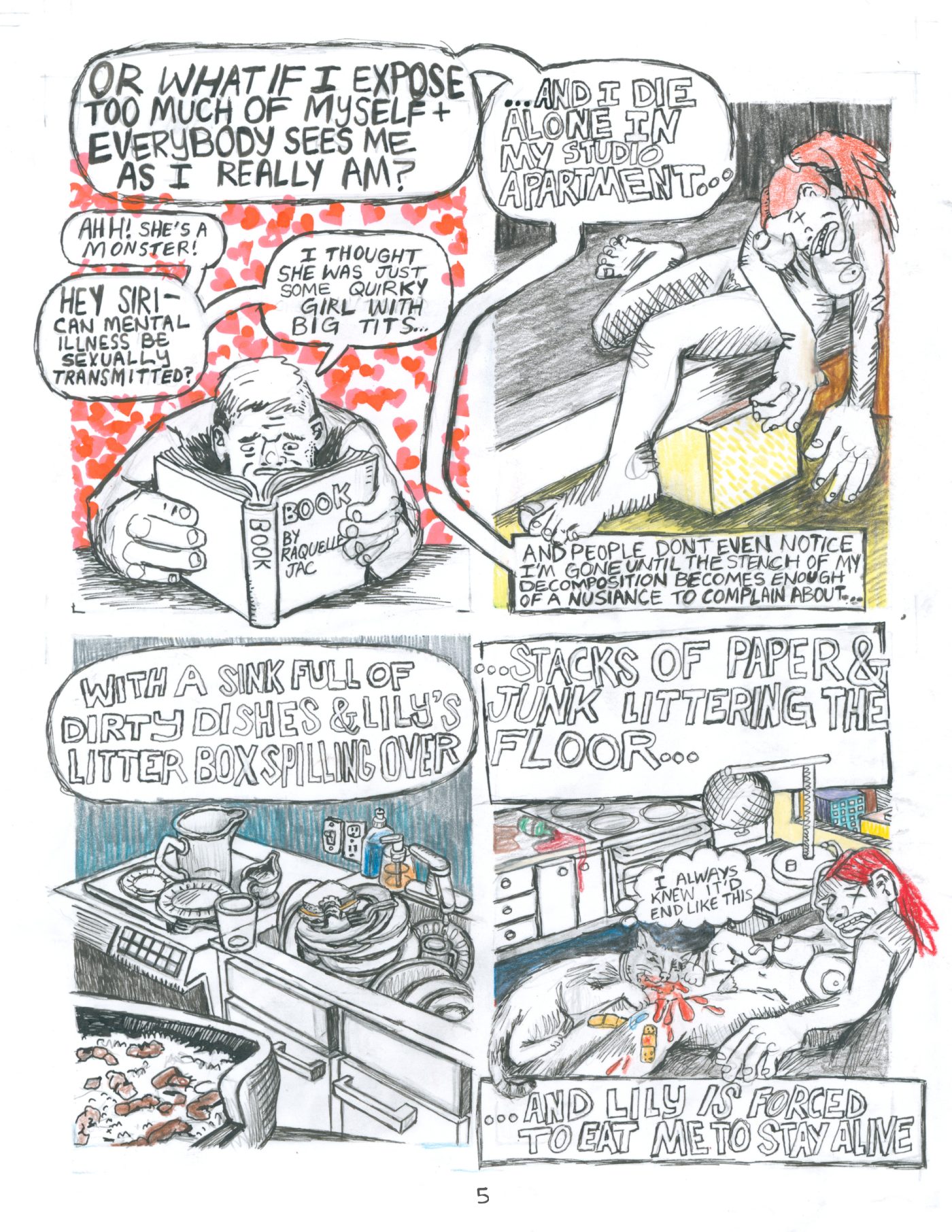
Jac’s success may signal a shift away from the "clean-line" aesthetic that has dominated the graphic memoir market for the last decade. By returning to the "unfiltered, handmade" style of the 1960s underground, she proves that there is a hunger for art that feels tactile and dangerous.
2. Regionalism in the Age of the Internet
By grounding her story so firmly in West Texas, Jac challenges the coastal bias of the American arts scene. Her work suggests that the "Satanic Panics" and recessions of the interior are essential to understanding the American identity, providing a counter-narrative to the often-homogenized stories of urban digital nomads.
3. Politics Beyond the Pendulum
Perhaps most significantly, Bimbo Agitprop seeks to move beyond the "woke/anti-woke" binary that defines contemporary social media. By labeling her work "Agitprop," Jac suggests that true political agitation does not come from choosing a side in a culture war, but from dismantling the "predatory systems" that underpin both sides. Her use of comedy and "frivolity" serves as a survival mechanism in a world that she argues has become increasingly unlivable.
4. The "Bimbo" as a Revolutionary Figure
Jac’s interrogation of "bimboism" suggests a new form of feminism that is neither exclusionary nor corporate. It is a feminism that acknowledges trauma without being defined by it, and one that uses the "manifesto" format to demand a more radical, empathetic future.
As the August 4 release date approaches, Bimbo Agitprop stands as a testament to the enduring power of the graphic novel to act as a mirror to society’s most uncomfortable truths. Raquelle Jac has not just written a book; she has fired a warning shot, announcing the arrival of a voice that refuses to be silenced, sanitized, or ignored. For a generation raised on the "hyperindividualist over-sharing" of the internet, Jac offers a way out: turning the knife of art outward to carve a new path through the chaos of the 21st century.