The Pen as a Mirror and Shield: A Global Retrospective on the State of Modern and Historical Cartooning
The world of cartooning and sequential art is currently undergoing a period of profound reflection, bridging the gap between the revolutionary pioneers of the early 20th century and the burgeoning talent of the mid-21st century. From the coastal resorts of Norfolk, England, to the industrial heritage of Buffalo, New York, and the historical archives of the American Midwest, the medium continues to prove its resilience as a tool for local charm, political dissent, and literary homage.
As 2026 unfolds, several key developments—ranging from the retirement of beloved street artists to the publication of seminal historical graphic novels—highlight the enduring power of the drawn line. This report examines the current landscape of cartooning, the preservation of its history, and the pedagogical efforts to ensure its future.
I. Main Facts: A Convergence of Eras
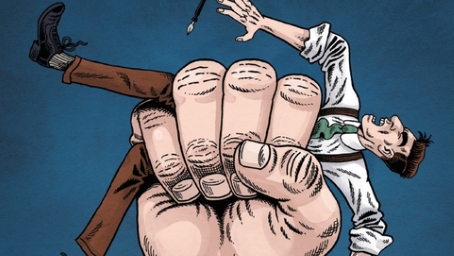
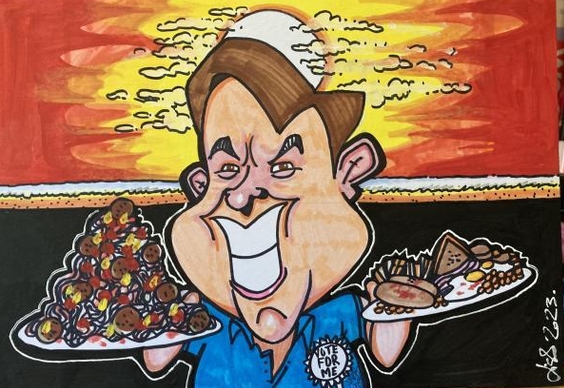
The summer of 2026 has become a focal point for several distinct yet thematic milestones in the cartooning world. In the United Kingdom, Jonathan "JJ" Lucia-Wright has announced his retirement from a prolific eight-year stint as a seaside caricaturist, marking the end of a specific era of "community art" in Great Yarmouth. Simultaneously, the literary world is bracing for the September release of The Dissidents by acclaimed author John Backderf, a work that explores the high-stakes world of political cartooning during World War I.
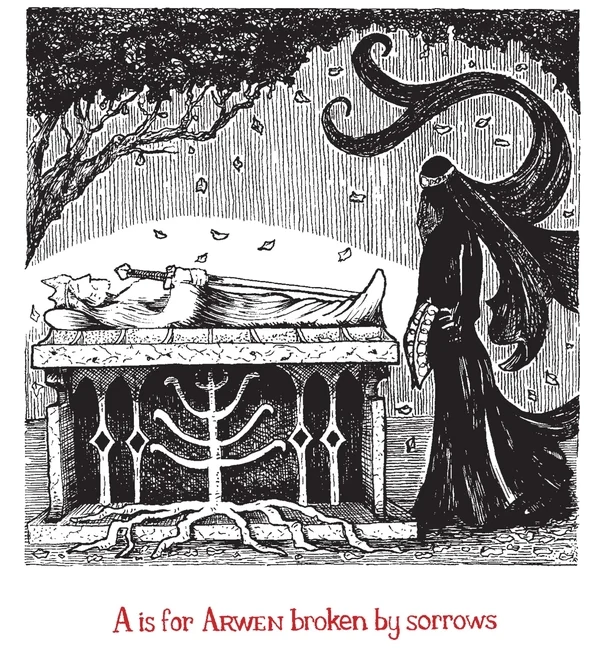
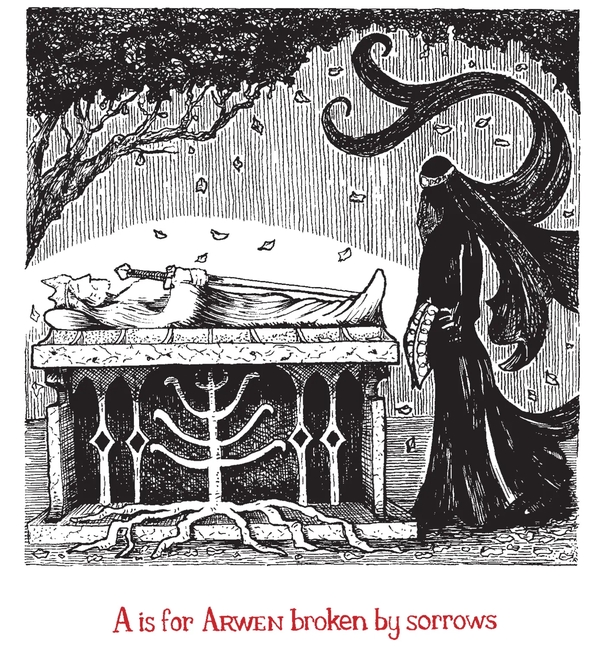
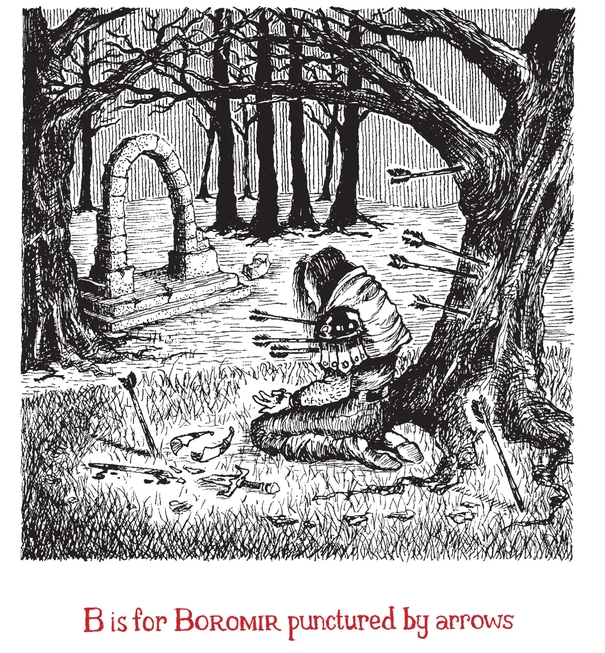
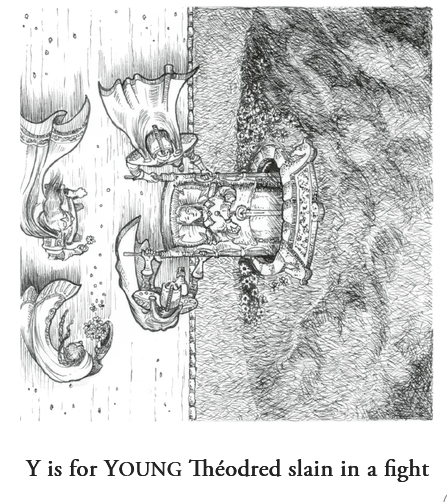
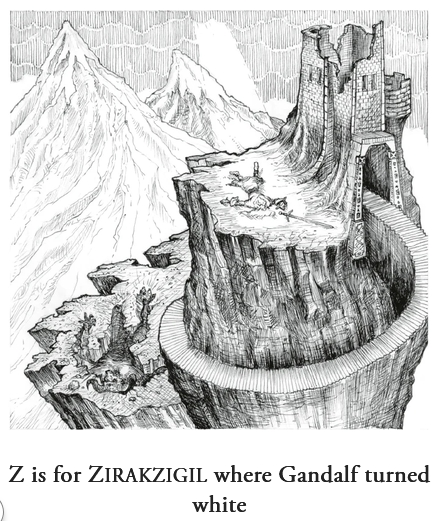
In the realm of tribute and parody, Tom Racine’s Doomed to Die has successfully bridged the gap between J.R.R. Tolkien’s high fantasy and Edward Gorey’s macabre Victorian aesthetics. Meanwhile, the institutional health of the medium is being bolstered in the United States by the Fairfield County District Library’s celebration of Richard Felton Outcault and The Buffalo News’ annual recognition of student editorial cartoonists. Together, these events represent a full-circle moment for the industry: honoring the "founding fathers," analyzing the "radicals" of the past, and nurturing the "voices" of tomorrow.
II. Chronology of the Craft: From 1895 to 2026
To understand the significance of these modern events, one must look at the chronological evolution of the medium as presented in recent exhibits and publications.
The Birth of the Modern Strip (1895–1915)
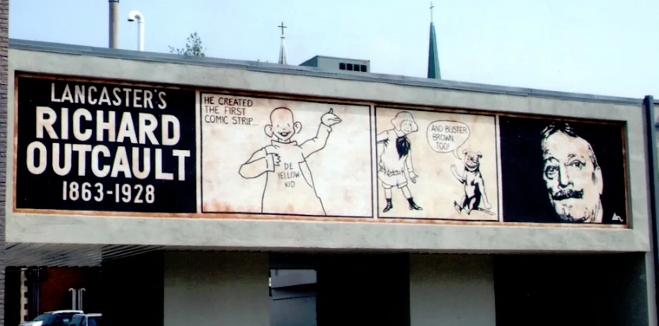
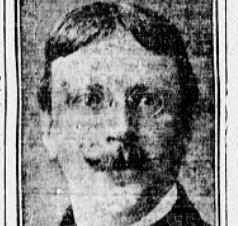
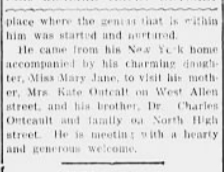
The history begins with Richard Felton Outcault, often cited as the father of the American comic strip. His creation of The Yellow Kid in 1895 revolutionized the industry by introducing speech balloons and recurring characters. In July 2026, his hometown of Lancaster, Ohio, will host the exhibit "Lancaster’s Own: Richard Outcault and the Birth of the American Comic Strip." This retrospective highlights Outcault’s 1915 return to Lancaster, a period when he was a national celebrity, accompanied by his daughter Mary Jane—the namesake for the iconic character in his Buster Brown series.
The Radical Era (1911–1918)
Following Outcault’s commercial success, the medium took a sharp political turn. As detailed in John Backderf’s forthcoming The Dissidents, the magazine The Masses (launched in 1911) utilized cartooning as a weapon of dissent. By 1917, as President Woodrow Wilson led the U.S. into World War I, these artists faced federal prosecution under the Espionage Act. This era established the cartoonist not just as an entertainer, but as a political target and a defender of the First Amendment.
The Contemporary Community and Homage (2018–2026)
In the modern era, the focus has shifted toward accessibility and genre-blending. Over the last eight years, Jonathan Lucia-Wright brought the "common man" into the frame through his 250+ caricatures of Great Yarmouth’s working class. In 2024, Tom Racine began his "Inktober" project, which would eventually become the 2026 volume Doomed to Die, showcasing how digital-age challenges can evolve into mainstream publishing successes.
III. Supporting Data: The Impact of the Drawn Word
The quantitative and qualitative data surrounding these projects suggest a robust interest in cartooning as both an art form and a historical record.
The Great Yarmouth Collection
Jonathan Lucia-Wright’s eight-year project resulted in more than 250 unique artworks. His subjects were not celebrities, but the backbone of local commerce:
- Market traders and tea shop owners.
- Ice cream sellers and hairdressers.
This body of work serves as a sociological archive of a Norfolk resort in the early 21st century, moving the caricature beyond a "tourist gimmick" into a form of local portraiture.
The Buffalo News Editorial Contest
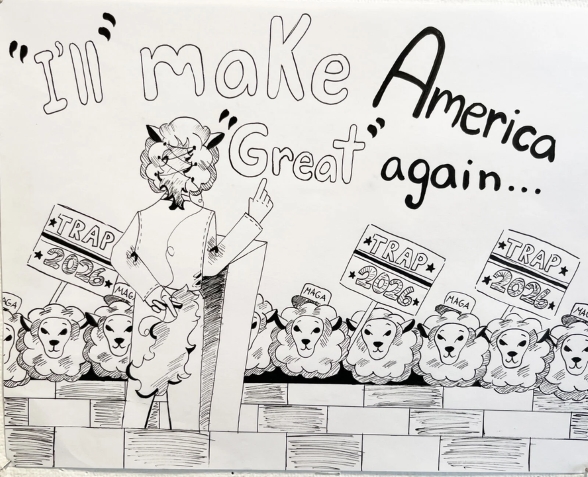
The 2026 contest, overseen by Pulitzer Prize-winning cartoonist Adam Zyglis, saw participation across three primary divisions. The winners, ranging from 5th to 12th grade, tackled complex global and local issues. The sheer volume of entries from students in Western New York indicates that editorial cartooning remains a vital pedagogical tool for developing media literacy and civic engagement in youth.
The Research of The Dissidents
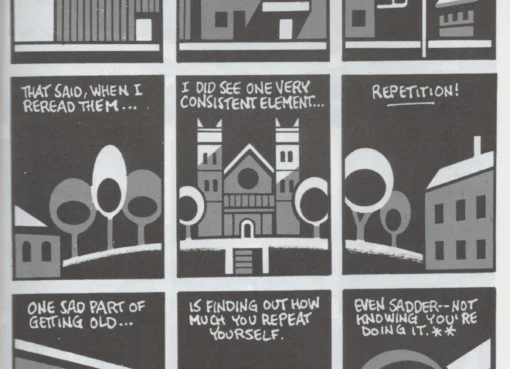
John Backderf’s The Dissidents is the result of over three years of intensive archival research. Unlike his previous work, Kent State, which relied on living witnesses, The Dissidents required a "deep dive" into rare 100-year-old periodicals. The book spans nearly 300 pages, focusing on the visual reconstruction of WWI-era architecture and fashion, punctuated by a limited but violent color palette to emphasize the "war on free speech."
IV. Official Responses and Artistic Voices
The creators and organizers involved in these projects have offered insights into the motivations behind their work, often highlighting the intersection of humor and tragedy.
Tom Racine on the Tolkien/Gorey Synthesis
In his interview with The Middle Page, Racine discussed the creative joy of finding linguistic "rhymes" between Tolkien’s lore and the alphabet-death format of Edward Gorey’s The Gashlycrumb Tinies. Racine noted the serendipity of the letter ‘Z’, stating, "I can’t tell you how excited I was to realize that the mountain where Gandalf dies fighting the Balrog is named ‘Zirakzigil!’" This highlights the meticulous nature of modern parody, which requires a scholar’s knowledge of the source material.
John Backderf on Authoritarianism
Backderf’s commentary on The Dissidents strikes a more somber tone. He noted that the themes of the 1910s—white supremacy, political violence, and the suppression of the press—are "a grim reflection of our current political landscape." His work serves as an official artistic warning that history, while it may not repeat, certainly "rhymes."
The Buffalo News Ceremony
During the awards ceremony at the Theodore Roosevelt Inaugural Site, officials noted that the students displayed "an awareness of the world around them" that exceeded their years. The contest, which includes a division for "Informed Citizenship," reinforces the idea that cartooning is an essential component of a functioning democracy.
V. Implications: The Future of the Graphic Narrative
The convergence of these stories suggests several implications for the future of the medium.
1. The "Hyper-Local" as Historical Record
As Jonathan Lucia-Wright hangs up his easel, his work leaves a blueprint for how artists can document local history. In an age of digital anonymity, the physical act of drawing a neighbor or a local merchant fosters community cohesion. The implication for future artists is a return to "slow art"—physical media that captures the essence of a specific place and time.
2. The Graphic Novel as Serious Historiography
With the release of The Dissidents, the graphic novel continues its ascent as a respected medium for serious historical analysis. Backderf’s move from memoir (My Friend Dahmer) to historical journalism (Kent State) and now to archival political history (The Dissidents) suggests that the comic format is uniquely suited to making complex, dense history accessible to a modern audience.
3. Preservation of Legacy
The Fairfield County District Library’s exhibit on Richard Outcault underscores the necessity of municipal support for the arts. By celebrating Outcault, Lancaster is not just honoring a local "favorite son," but is claiming its place in the lineage of American pop culture. This serves as a model for other cities to mine their own creative histories to bolster local tourism and pride.
4. The Educational Value of Satire
The success of the Buffalo News contest proves that the next generation is ready to embrace the "art of the opinion." In an era of "fake news" and AI-generated imagery, the ability of a student to synthesize a political argument into a single, hand-drawn image is a critical skill. It fosters a level of critical thinking that traditional essay writing often misses.
Conclusion
From the whimsical "A to Z" of Middle-earth deaths to the harrowing struggle of WWI-era journalists, the state of cartooning in 2026 is one of vibrant diversity. While individuals like Jonathan Lucia-Wright may be retiring, the "easel" is being picked up by a new generation of Buffalo area students and seasoned historians like John Backderf. The medium remains, as it was in Richard Outcault’s day, a powerful way to see ourselves—whether through the exaggerated features of a caricature or the sharp, biting lines of a political broadside. As long as there are stories to tell and "history to rhyme," the cartoonist’s pen will remain a vital instrument of human expression.