
The Cooling Revolution: De’Longhi Unveils the Pinguino GentleJet Inverter Amidst Rising UK Temperatures
Introduction: A New Era of Climate Control in the British Home
As the United Kingdom braces for what meteorologists predict will be a series of record-breaking heatwaves, the domestic cooling market is undergoing a significant transformation. Historically, British architecture has been designed with a singular focus: heat retention. From thick masonry to high-performance insulation, the UK housing stock is built to withstand damp, chilly winters. However, as summer temperatures now frequently breach the 30°C mark, these "heat traps" have become a source of discomfort for millions.
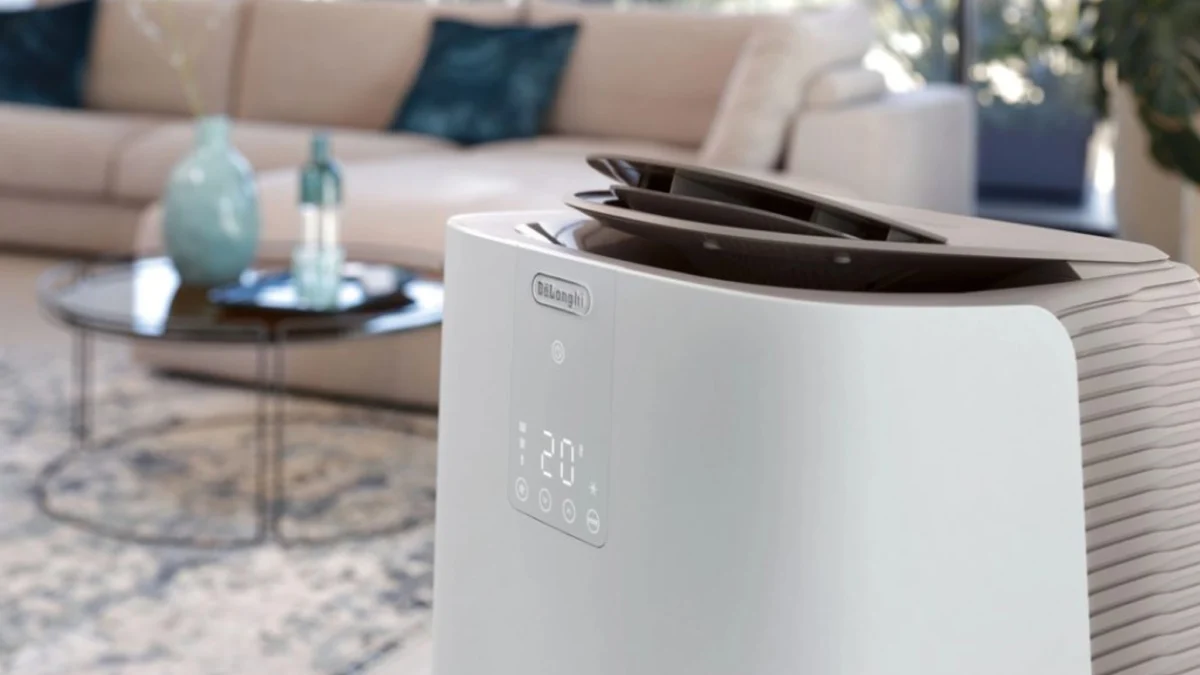
In response to this shifting climate reality, De’Longhi, a global leader in home comfort appliances, has announced the launch of its most advanced portable cooling solution to date: the Pinguino GentleJet Inverter (PACAP130IGENTLEJET). Arriving just in time for the peak summer season and the high-demand Bank Holiday period, this premium unit promises to bridge the gap between inefficient portable "ice boxes" and expensive, permanent split-system installations. With a focus on energy efficiency, whisper-quiet operation, and high-capacity cooling, the GentleJet Inverter represents a significant leap forward in portable HVAC technology.
Main Facts: Redefining the Portable Air Conditioning Standard
The De’Longhi Pinguino GentleJet Inverter is not merely an incremental update to the existing Pinguino line; it is a re-engineering of the portable cooling concept. The unit is a multi-functional powerhouse, serving as a high-capacity air conditioner, a fan, and a powerful dehumidifier.
High-Performance Cooling
Most consumer-grade portable air conditioners operate within the 7,000 to 9,000 BTU (British Thermal Unit) range. While sufficient for small bedrooms, these units often struggle in open-plan living areas or rooms with large south-facing windows. The Pinguino GentleJet Inverter boasts a cooling capacity of 13,300 BTU per hour (3.3kW). This allows it to effectively manage the climate in spaces up to 54 square meters, making it one of the most powerful portable units currently available on the UK retail market.
The Inverter Advantage
The standout feature of this new model is its inverter technology. Traditional portable air conditioners operate on an "all-or-nothing" basis; the compressor runs at maximum speed until the target temperature is reached, then shuts off entirely, only to restart once the room warms up again. This cycle is not only noisy but also highly energy-inefficient.
The Pinguino’s inverter, by contrast, regulates the compressor speed continuously. By slowing down or speeding up based on real-time temperature and humidity data, the unit maintains a consistent environment without the power spikes associated with traditional compressors. De’Longhi claims this technology results in up to 45% less energy consumption compared to non-inverter models.
Sophisticated Air Distribution
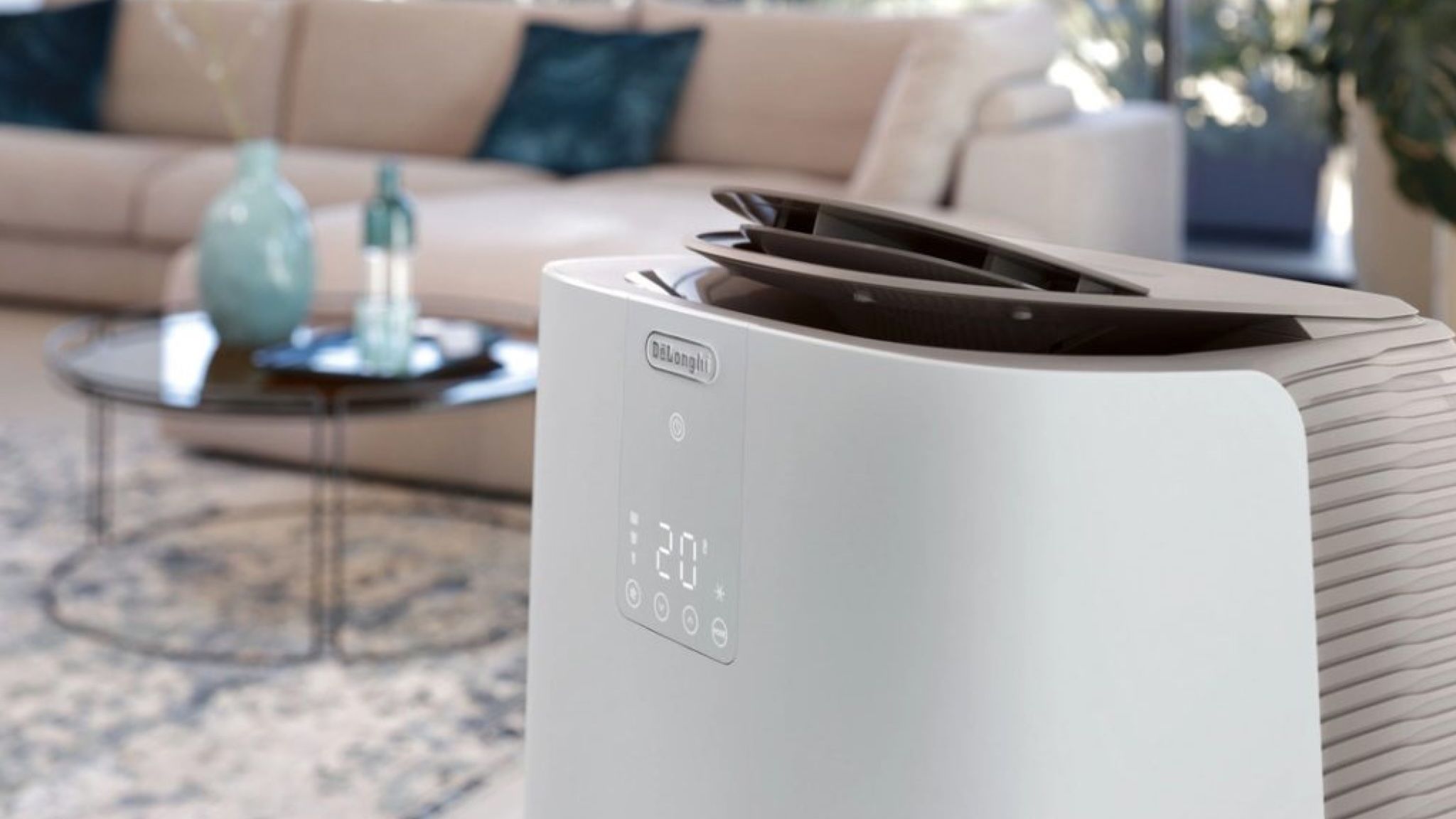
One of the primary complaints regarding portable AC units is the "freezing draught" effect—where a single stream of icy air creates a localized cold spot while the rest of the room remains warm. The GentleJet addresses this through its 180° Arctic Gentle Surround technology. Using automated swing louvres and specialized airflow design, the unit "wafts" cool air throughout the room, ensuring an even distribution that mimics the gentle cooling of a high-end built-in system.
Chronology: From Luxury to Necessity
The launch of the Pinguino GentleJet Inverter follows a specific timeline of environmental and market shifts that have made such a product a strategic priority for De’Longhi.
- Pre-2018: The Niche Market. Portable air conditioners were largely considered a luxury or a niche product in the UK, often purchased during rare, short-lived heatwaves and then relegated to the attic.
- 2019–2022: The Record-Breaking Summers. A series of unprecedented heatwaves, culminating in the 40°C peak of 2022, fundamentally changed the UK consumer mindset. Cooling was no longer a luxury; it became a necessity for health and productivity, particularly with the rise of permanent remote working.
- Late 2023: Research and Development. Recognizing the demand for more efficient and quieter units that could run all day in a home office or all night in a bedroom, De’Longhi finalized the GentleJet Inverter design, focusing on the "Quiet Mark" certification and A+ energy rating.
- May 2024: Strategic Launch. The unit is officially released to the UK market. The timing is calculated to coincide with the first major heat spikes of the year and the Bank Holiday weekend, a period when consumer interest in home improvement and comfort appliances typically peaks.
Supporting Data: Efficiency, Noise, and Moisture Control
To justify its premium price point of £999.99, the Pinguino GentleJet Inverter relies on industry-leading technical specifications that set it apart from entry-level competitors.
Energy Efficiency and Ratings
The unit carries an A+ energy rating, a rarity in the portable air conditioner category. It features an "Eco Real Feel" mode, which uses a proprietary algorithm to balance temperature reduction with humidity control. This mode can reduce energy consumption by an additional 30% by avoiding the over-cooling of air when humidity levels are already within a comfortable range.
Acoustics
Noise pollution is a significant barrier to the adoption of portable AC. The GentleJet Inverter is Quiet Mark accredited, operating at levels as low as 43dB(A) in its silent mode. For context:
- 40dB: A quiet library or a whisper.
- 43dB: The Pinguino GentleJet in Silent Mode.
- 55-65dB: A standard non-inverter portable AC unit.
- 60dB: Normal conversation.
By cutting operating noise by up to half compared to standard models, the GentleJet is positioned as a viable solution for bedrooms and nurseries where sleep disruption is a primary concern.
Dehumidification Capacity
In the humid climate of the British Isles, cooling is only half the battle. High humidity makes heat feel more oppressive. The Pinguino GentleJet functions as a professional-grade dehumidifier, capable of extracting up to 73 liters of moisture every 24 hours. This dual-purpose functionality adds significant value, allowing the unit to be used in the "shoulder seasons" (spring and autumn) to combat damp and condensation.
Official Responses: De’Longhi’s Vision for Home Comfort
While De’Longhi executives emphasize the technical prowess of the GentleJet, their broader messaging focuses on the philosophy of "Total Home Comfort." In communications surrounding the launch, the brand has highlighted that the modern consumer is looking for products that integrate seamlessly into their lifestyle without environmental guilt.
De’Longhi’s move to include R290 refrigerant gas—a natural, non-toxic propane gas with significantly lower Global Warming Potential (GWP) than traditional synthetic refrigerants—is a cornerstone of their official response to sustainability concerns. By combining this eco-friendly refrigerant with the energy savings of inverter technology, the brand positions the Pinguino GentleJet as a "responsible" choice for the environmentally conscious consumer.
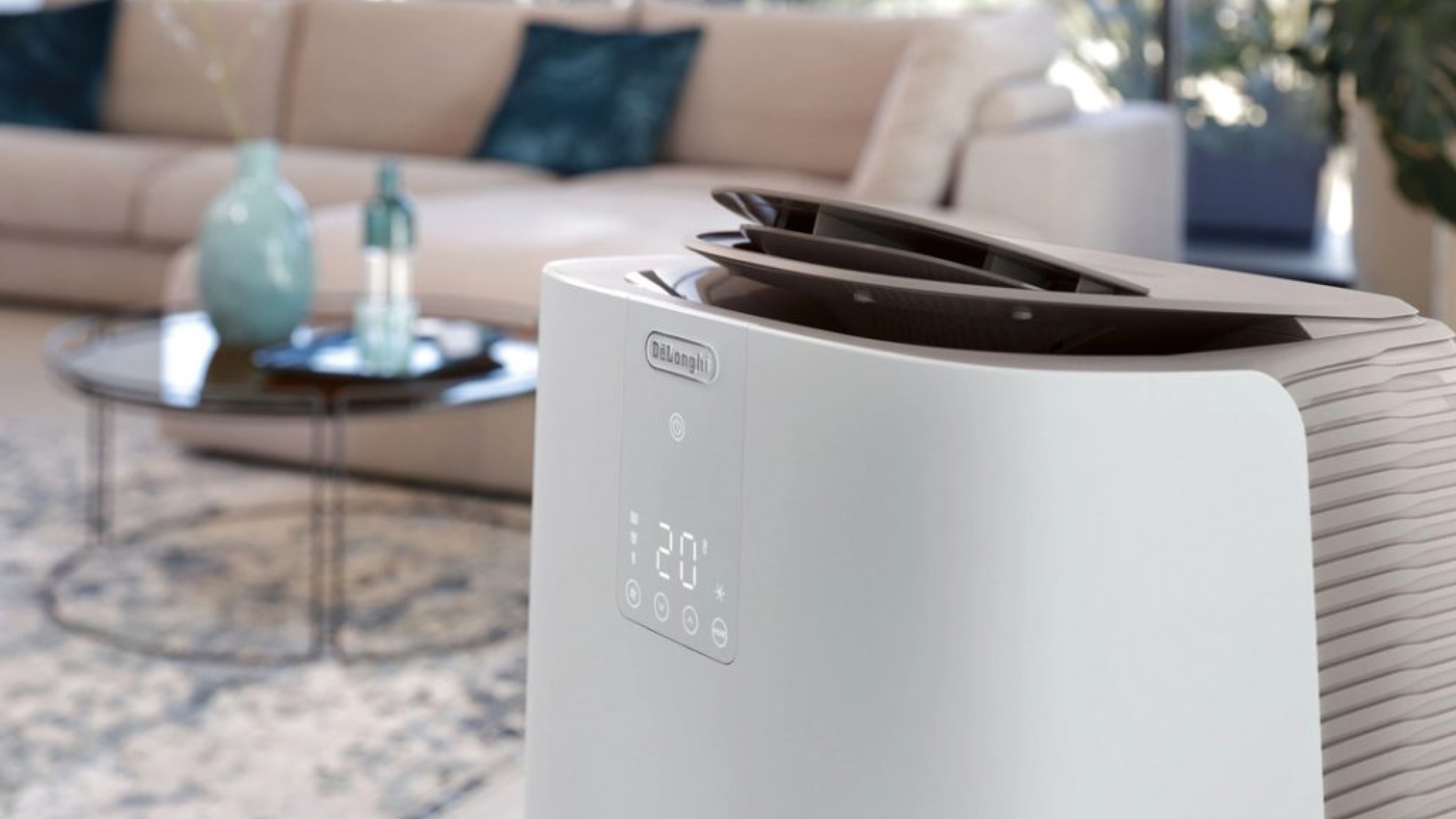
Furthermore, the brand has addressed the aesthetic needs of the modern home. Available in both white and grey finishes, the unit is designed to complement contemporary interior design, moving away from the "industrial" look of older portable units.
Implications: The Future of the UK Housing and Rental Market
The arrival of high-end portable cooling solutions like the Pinguino GentleJet has profound implications for the UK’s real estate and social landscape.
The Renter’s Solution
A significant portion of the UK population lives in rented accommodation where permanent alterations—such as installing a split-system air conditioner—are strictly prohibited by landlords. Portable units represent the only viable path to climate control for this demographic. Because the Pinguino is a high-performance unit that can be moved from room to room and taken to a new property, it provides "cooling security" to renters who are often the most vulnerable to heat stress in poorly ventilated flats.

The "Net Zero" Paradox
As the UK strives toward Net Zero targets, the surge in air conditioner sales presents a paradox. While AC units consume electricity, the GentleJet’s A+ rating and inverter technology suggest a path forward where comfort does not necessarily derail sustainability goals. As the UK grid continues to decarbonize through wind and solar, high-efficiency electric cooling units may become a standard part of the sustainable home, much like heat pumps.
Impact on New Build Standards
The success of premium cooling products may eventually influence building regulations. If consumers are willing to spend £1,000 on portable units to fix the "overheating" issues of modern homes, there will be increased pressure on developers to integrate passive cooling and high-efficiency active cooling into new builds from the outset.
Conclusion
The De’Longhi Pinguino GentleJet Inverter is more than just a seasonal appliance; it is a sophisticated response to a changing world. By addressing the three "pain points" of portable air conditioning—noise, energy cost, and uneven cooling—De’Longhi has set a new benchmark for the industry. As the British summer continues to evolve, the GentleJet stands as a testament to how technology can adapt to keep the "Great British Home" comfortable, regardless of the mercury’s rise.




Leave a Comment