The Social Media Mythos Evolves: Inside Aaron Sorkin’s Directorial Journey for ‘The Social Reckoning’
In 2010, The Social Network did more than just sweep the Academy Awards and dominate the global box office; it established a modern "Citizen Kane," a cinematic creation myth that defined the dawn of the social media era. Now, nearly fifteen years after Mark Zuckerberg first paced through Harvard Yard on screen, screenwriter Aaron Sorkin is returning to the world of Palo Alto—but this time, the optimism of the "disruptor" has been replaced by the grim reality of a global "reckoning."
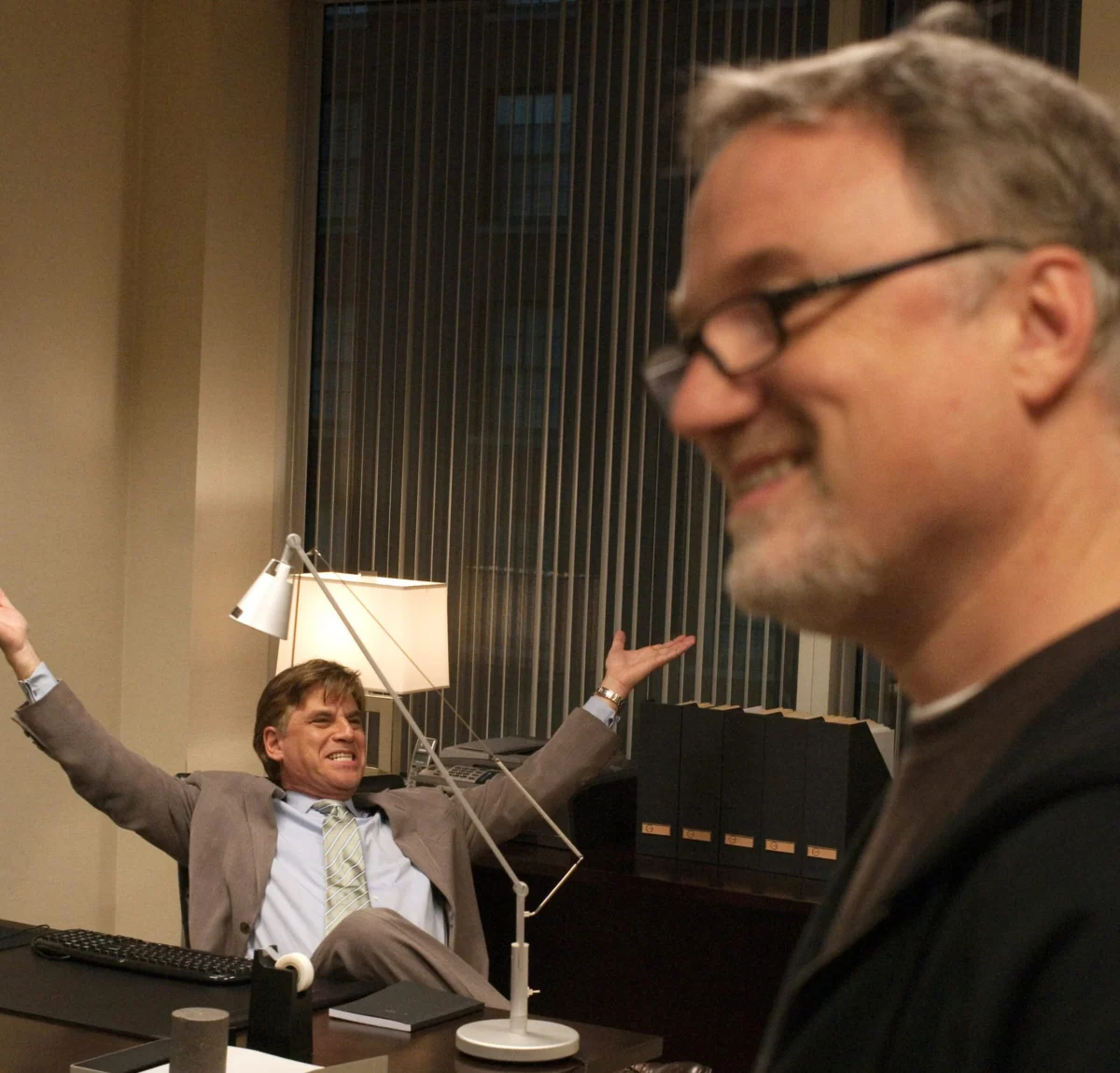
The upcoming film, titled The Social Reckoning, marks a pivotal shift in the Sorkin-Facebook saga. Not only does the narrative move from the dorm room to the halls of Congress and the front lines of political extremism, but the creative guard is changing. While The Social Network was defined by the legendary pairing of Sorkin’s rapid-fire dialogue and David Fincher’s clinical visual precision, Sorkin himself will step into the director’s chair for the follow-up.
Main Facts: A New Chapter in a Digital Tragedy
The Social Reckoning is positioned not as a direct sequel, but as a spiritual and thematic successor that examines Facebook’s most tumultuous era: 2018 to 2021. The film aims to dissect the platform’s role in the erosion of democratic norms, the rise of hyperpartisanship, and the internal whistleblowing that pulled back the curtain on the company’s algorithmic priorities.
Key developments for the production include:

- The Directorial Shift: Aaron Sorkin will direct the script he authored, after original director David Fincher was unable to join due to an exclusive deal with Netflix.
- A New Zuckerberg: Jeremy Strong (Succession) will take over the role of Mark Zuckerberg from Jesse Eisenberg, who declined to return to the character.
- Supporting Cast: The film features a high-profile ensemble, including Mikey Madison as whistleblower Frances Haugen, Jeremy Allen White as reporter Jeff Horwitz, and Bill Burr as a character inspired by tech critic Roger McNamee.
- Visual Continuity: Sorkin has enlisted cinematographer Jeff Cronenweth, a frequent Fincher collaborator, to maintain the aesthetic DNA established in the 2010 original.
Chronology: From Creation Myth to National Crisis
The journey toward The Social Reckoning began almost immediately after the 2010 film’s success, though Sorkin initially resisted returning to the subject. At the time, The Social Network was viewed as a story about the personal betrayals and intellectual property disputes that birthed a giant. Sorkin even recalled being impressed by Zuckerberg’s "good sport" attitude when the CEO donated $100 million to the Newark school system following the film’s release.
However, the timeline of real-world events between 2018 and 2021 forced a reevaluation. During these years, Facebook moved from a tool of connectivity to a lightning rod for controversy. The timeline the film covers includes:
- 2018: The aftermath of the Cambridge Analytica scandal and the beginning of intense Congressional scrutiny.
- 2020: The platform’s struggle—and perceived failure—to manage misinformation surrounding the global pandemic and the U.S. Presidential election.
- 2021: The January 6th Capitol riot and the subsequent "Facebook Files" leaked by whistleblower Frances Haugen, which alleged that the company prioritized profit over public safety.
Sorkin notes that while he once felt he shouldn’t "jump up and down" on Zuckerberg again, the mounting evidence of the platform’s role in societal "extremism and divisiveness" made the new script an ethical necessity.
Supporting Data: Building the "Aggregate" Director
Sorkin’s decision to direct The Social Reckoning comes with a high degree of self-awareness. Speaking on the Filmmaker Toolkit Podcast, Sorkin admitted that he was his own "second choice" for the job. His primary goal was to reunite with David Fincher, but the director’s commitment to The Further Misadventures of Cliff Booth and his overarching Netflix contract made a reunion impossible.

To bridge the gap, Sorkin is employing a strategy he calls "directing in the aggregate." This philosophy, which he famously explored in his screenplay for Moneyball, involves making up for a singular, irreplaceable talent (like Fincher) by assembling a world-class team of specialists.
By hiring Jeff Cronenweth—the DP behind The Social Network and Fight Club—Sorkin aims to replicate the precise framing and dynamic visual language that allowed the original film’s dialogue to breathe. This "Fincher-lite" approach is intended to ensure that The Social Reckoning feels visually consistent with the world established in 2010, even as the man behind the camera changes.
Official Responses: Sorkin and Eisenberg on the Record
The transition of the lead role has been one of the most discussed aspects of the production. While Jesse Eisenberg’s performance in the original was career-defining, the actor’s relationship with the legacy of the role has grown complicated.
According to Sorkin, Eisenberg expressed a deep desire to distance himself from the persona of Mark Zuckerberg. The actor reportedly shared anecdotes of being harassed at airports by fans asking him to sign business cards with the infamous "I’m CEO, Bitch" line—a moment of youthful arrogance depicted in the first film that has since become a symbol of tech-bro toxicity.

"I assumed Jesse was going to play him again," Sorkin remarked, "but he told me about experiences that have haunted him."
In response, Sorkin turned to Jeremy Strong. Known for his "method" intensity in Succession, Strong is expected to bring a different, perhaps more weathered energy to a Zuckerberg who is no longer a wunderkind, but a besieged titan of industry. Sorkin maintains that while the actor is different, the character remains the same sharp-tongued, socially isolated figure, now burdened by the weight of global consequences.
Regarding the film’s status as a sequel, Sorkin remains firm: "It isn’t a sequel. It’s another movie about Facebook, written by the same writer. It would be as if Henry Hill from Goodfellas showed up in Casino."
Implications: The Cinema of Accountability
The shift from The Social Network to The Social Reckoning mirrors a broader cultural shift in how society views Silicon Valley. If the 2010 film was about the cost of genius and the sting of social exclusion, the 2025 project is about the cost of negligence and the erosion of truth.

The Loss of Empathy
In his earlier works, Sorkin was known for his "earnest optimism"—a belief that even his antagonists had a rationale that could be understood, if not forgiven. However, his research for the new film, which included reading the works of Jeff Horwitz and Roger McNamee, seems to have extinguished that instinct regarding Facebook’s leadership. Sorkin’s tone has shifted to something "Fincher-esque"—a clinical, perhaps even cynical, view of a system that is fundamentally broken.
Political Urgency
Sorkin’s insistence on a timely release—rather than waiting for Fincher’s schedule to clear—underscores the film’s political intent. By focusing on the 2018-2021 window, Sorkin is positioning the film as a warning. He expressed a desire for the film to resonate with the current political climate, fearing that if the release were delayed past the next major election cycles, the public would no longer be "in the mood" for the conversation.
A New Standard for the Tech Biopic
By casting Jeremy Allen White as a journalist and Mikey Madison as a whistleblower, Sorkin is broadening the scope of the narrative. The Social Reckoning is not just about the man at the top; it is about the ecosystem of accountability—or lack thereof—that surrounds him. It suggests that the "social media movie" has moved past the era of the "founder’s journey" and into the era of the "institutional autopsy."
As production continues, the industry watches to see if Sorkin’s "aggregate" directing style can capture the lightning in a bottle that was his first collaboration with Fincher. Regardless of the visual outcome, the thematic stakes have never been higher. In 2010, we watched a young man lose his friends to build a platform. In The Social Reckoning, we will watch as that platform threatens to lose the world.