The Sonic Frontier: Why Science Fiction Finds Its Ultimate Expression in the Audiobook Format
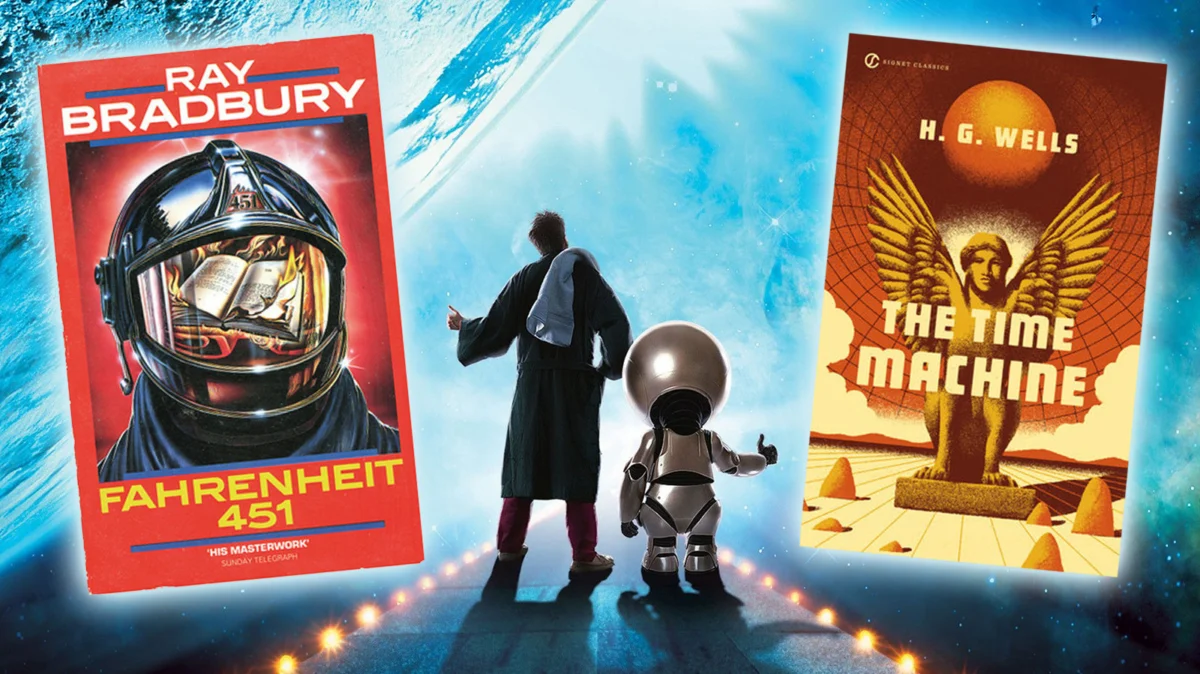
In the modern literary landscape, a persistent debate lingers among bibliophiles: does listening to an audiobook "count" as reading? For the purist, the act of reading is inseparable from the tactile sensation of paper and the cognitive process of translating ink into internal imagery. However, as the digital age reshapes consumption habits, this gatekeeping is increasingly viewed as an outdated vestige of the pre-digital era. For many, particularly within the genre of science fiction, the audiobook is not merely a convenient alternative to the printed page; it is a transformative medium that restores literature to its ancestral roots in oral storytelling.
Science fiction, with its emphasis on world-building, technical jargon, and philosophical inquiry, often benefits from the "intermediary" of a skilled performer. Whether through the scientific detachment of a Victorian explorer or the panicked wit of a galactic hitchhiker, a narrator’s voice can provide the necessary cadence to make the extraordinary feel grounded.
Main Facts: The Intersection of Sci-Fi and Aural Performance
The rise of the audiobook industry—now a multi-billion-dollar sector of publishing—has been fueled largely by the realization that performance adds a layer of interpretation that enhances the text. In science fiction, this is particularly potent. The genre often deals with concepts that are "larger than life," and a professional narrator acts as a guide through these complex landscapes.
According to industry trends, listeners often seek out audiobooks for three primary reasons: accessibility (particularly for the visually impaired or those with neurodivergent processing styles), convenience (the ability to "read" during commutes), and the "Homeric tradition" of performance. This tradition, which dates back to the oral epics of ancient Greece, suggests that stories were always meant to be heard, not just seen.
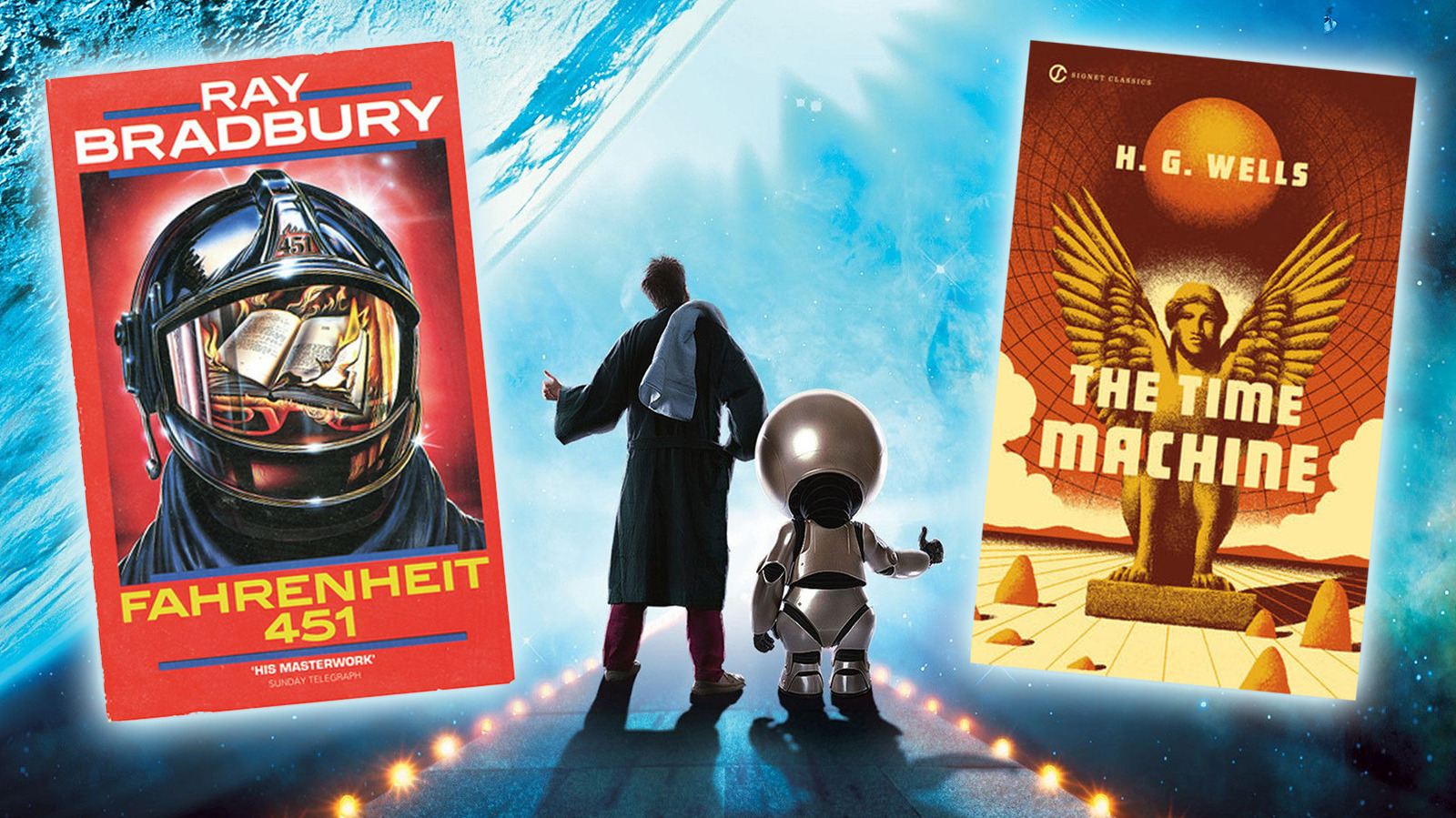
The selection of a narrator is critical. A poor performance can obscure a masterpiece, while a "signature performance"—such as Tim Curry’s rendition of Jules Verne or Scott Brick’s interpretation of H.G. Wells—can elevate a classic text into a cinematic experience for the ears.
Chronology: From Victorian Speculation to Modern Despair
To understand the evolution of the science fiction audiobook, one must look at the chronological trajectory of the genre itself. The books highlighted in this analysis represent pivotal moments in the history of speculative fiction, each uniquely suited to the audio format.
The Era of Scientific Discovery (Late 19th Century)
The foundations of the genre were laid by H.G. Wells and Jules Verne. Their works, written during a time of rapid industrial and scientific advancement, were often framed as journals or field notes. In audio form, these "reports" take on the gravitas of historical documents.
The Dystopian Mid-Century (1950s)
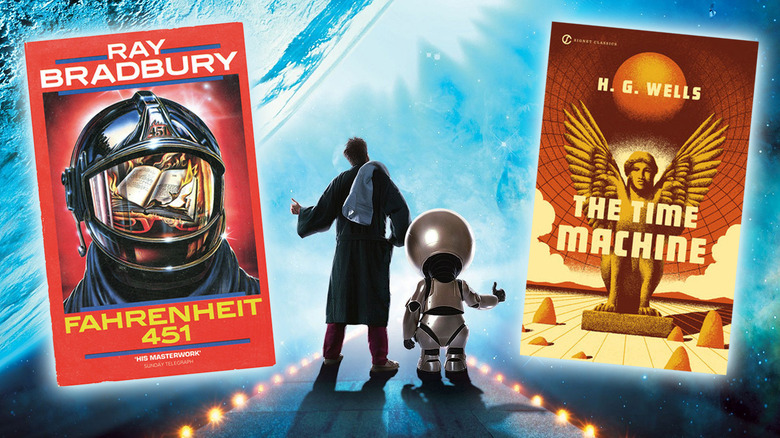
Following World War II, authors like Ray Bradbury began to question the human cost of technological progress. Fahrenheit 451 (1953) reflects the anxieties of the television age, making its transition to a digital audio format both ironic and highly relevant.
The Post-Modern Satire (1970s)
Douglas Adams revolutionized the genre by blending hard science with absurdist comedy. Importantly, The Hitchhiker’s Guide to the Galaxy began as a radio play in 1978, meaning the audiobook format is, in many ways, the story returning to its natural state.
The Contemporary Bleakness (2000s)
Modern masterpieces like Cormac McCarthy’s The Road (2006) strip away the gadgets of traditional sci-fi to focus on the raw survival of the human spirit. The audio format here serves to amplify the silence and the "ashen" atmosphere of a world after the end.
Supporting Data: Five Definitive Audio Experiences
The following five works represent the pinnacle of sci-fi audiobooking, where the synergy between author and narrator creates something greater than the sum of its parts.
1. The Time Machine by H.G. Wells (Read by Scott Brick)
H.G. Wells’ 1895 seminal work is less an adventure and more a biological and sociological study. The protagonist, a Victorian scientist, travels to AD 802,701 to find a humanity divided into the childlike Eloi and the predatory, subterranean Morlocks.
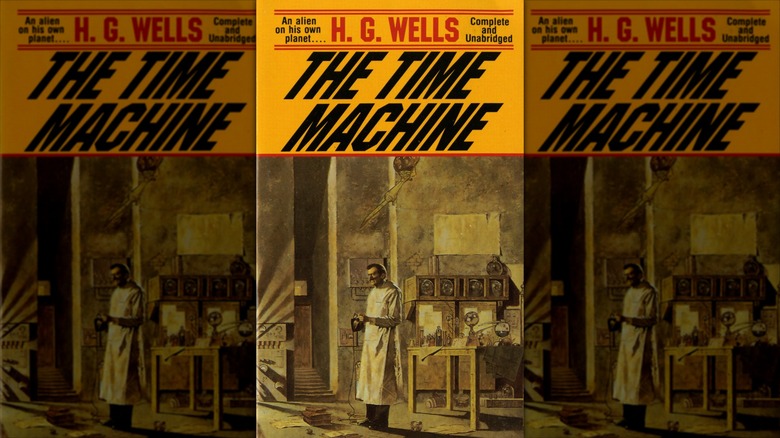
Why it works in audio: Scott Brick is a veteran of the industry known for his "dispassionate" yet compelling delivery. This style perfectly mirrors Wells’ scientific prose. Brick avoids over-dramatizing the Morlocks, instead allowing the horror to emerge from the clinical descriptions of evolutionary decay. The bleak conclusion—billions of years into the future where the sun is dying—is delivered with a haunting stillness that lingers in the listener’s mind long after the track ends.
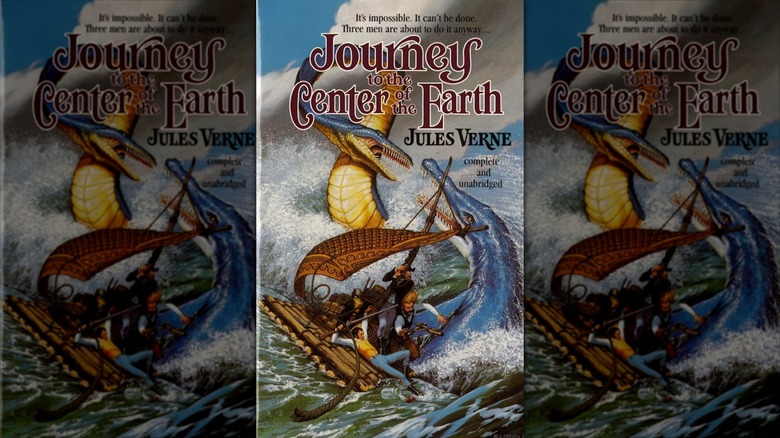
2. Journey to the Center of the Earth by Jules Verne (Read by Tim Curry)
Verne’s 1864 novel is the blueprint for the "Lost World" subgenre. It follows Professor Otto Lindenbrok and his nephew Axel as they descend into an Icelandic volcano to discover a prehistoric ecosystem beneath the Earth’s crust.
Why it works in audio: Tim Curry, an actor famed for his theatricality and vocal range, brings a "humane and passionate" energy to the text. While Curry is often celebrated for his villainous roles, his portrayal of the eccentric Lindenbrok is grounded in intellectual curiosity. His performance bridges the gap between Verne’s dense 19th-century descriptions and the sense of wonder required for a subterranean adventure.
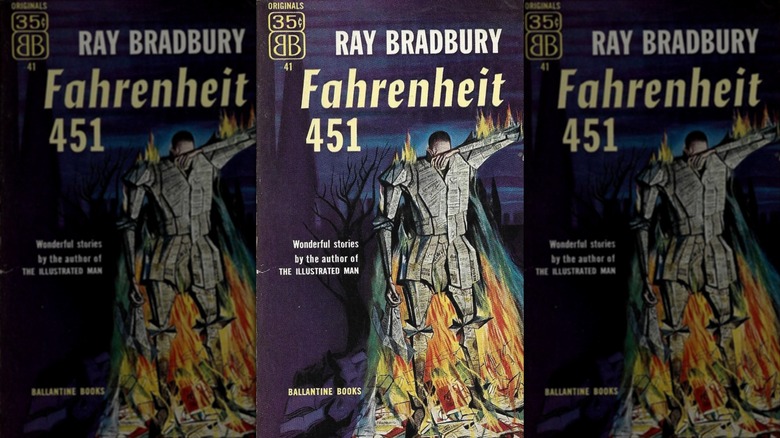
3. Fahrenheit 451 by Ray Bradbury (Read by the Author)
In a future where books are illegal and "firemen" start fires rather than extinguish them, Guy Montag begins to question the screen-addicted society around him. Bradbury’s 1953 novel predicted the rise of the "wall-to-wall" screens and the death of deep literacy.
Why it works in audio: While actors like Tim Robbins and Penn Badgley have recorded excellent versions, the 2001 reading by Ray Bradbury himself is the definitive version. Bradbury’s voice carries a unique irony; hearing the author read a book about the destruction of literature via a digital or magnetic medium adds a layer of meta-commentary. His passion for the written word is audible in every syllable, making Montag’s journey feel deeply personal.
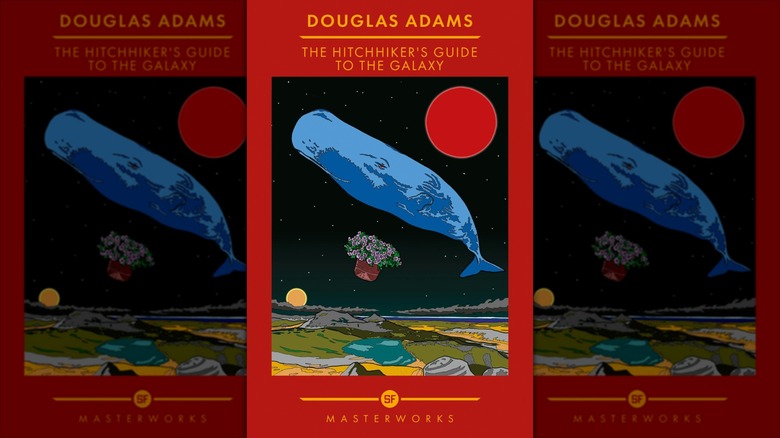
4. The Hitchhiker’s Guide to the Galaxy by Douglas Adams (Read by Stephen Fry)
The story of Arthur Dent, an ordinary man saved from Earth’s destruction to wander the cosmos with a towel and a guidebook, is a cornerstone of sci-fi comedy.
Why it works in audio: Because the book originated as a BBC radio series, it is inherently rhythmic. Stephen Fry, a close friend of the late Adams, narrates the most widely available version with a "dry sense of humor" that perfectly captures the whimsical absurdity of the universe. Fry’s ability to pivot from the bureaucratic boredom of the Vogons to the manic depression of Marvin the Paranoid Android ensures that every joke lands with the precision Adams intended.
5. The Road by Cormac McCarthy (Read by Tom Stechschulte)
A father and son walk through a post-apocalyptic America, "carrying the fire" of humanity in a world of cannibals and gray ash.
Why it works in audio: McCarthy’s prose is famously sparse, eschewing traditional punctuation and florid metaphors. This "stripped down" style can be challenging on the page but is mesmerizing when spoken. Tom Stechschulte brings an "intense energy" to the narration, capturing the physical exhaustion and the profound mourning of the characters. The audiobook format emphasizes the intimacy between the father and son, making their struggle for decency feel like a whispered prayer in the dark.
Official Responses and Industry Perspectives
The literary community has largely moved toward embracing the audiobook as a legitimate form of consumption. Authors have increasingly become involved in the production process, recognizing that a vocal performance is the first "adaptation" of their work.
Ray Bradbury was known to be fond of various adaptations of his work, though he remained protective of the "soul" of the story. His decision to record Fahrenheit 451 himself was a testament to his belief that the author’s intent is best conveyed through the human voice. Similarly, Stephen Fry has commented on the responsibility of narrating The Hitchhiker’s Guide, noting that the 2005 film adaptation failed because it lost the specific "British mien" and rhythm that the audio format preserves.
Narrators like Scott Brick have often discussed the "social aspect" of audiobooks. They view their role not as a replacement for the reader’s imagination, but as a "communion" between the author and the listener. This professional perspective suggests that the audiobook is a collaborative art form, sitting somewhere between literature and theater.
Implications: The Future of the Oral Tradition
The continued popularity of science fiction audiobooks suggests a significant shift in how we define "literacy" in the 21st century. As our lives become increasingly mobile, the ability to consume complex, world-building narratives through sound allows the genre to reach a wider audience than ever before.
Furthermore, the "Homeric tradition" mentioned in the original text is more than just a nostalgic reference. It represents a psychological truth: humans are hardwired to respond to the spoken word. By listening to The Time Machine or The Road, we are participating in an ancient ritual updated for a high-tech society.
The implications for accessibility cannot be overstated. For the visually impaired or those with dyslexia, these "signature performances" are not just enhancements—they are essential gateways to the world of ideas. As AI technology begins to enter the field of narration, the value of a "humane and passionate" performance from actors like Tim Curry or Stephen Fry will only increase, highlighting the irreplaceable nature of human emotion in storytelling.
In conclusion, science fiction is a genre of the mind, but through the medium of the audiobook, it becomes a genre of the heart and the ear. Whether it is the scientific clarity of H.G. Wells or the absurd wit of Douglas Adams, these stories find their most resonant frequency when they are told aloud, proving that in the vastness of the galaxy, there is nothing quite as powerful as a well-told tale.