The State of Speculative Prose: Analyzing the 2026 Locus Periodical Directory

The landscape of Science Fiction, Fantasy, and Horror (SF/F/H) is often described as a barometer for the human condition, reflecting our anxieties and aspirations through the lens of the "what if." At the heart of this industry stands Locus magazine, the long-standing trade journal that has chronicled the genre’s evolution for decades. Recently, Locus released its comprehensive directory of new and updated periodicals for 2026, offering a vital roadmap for writers, editors, and enthusiasts navigating the increasingly complex digital and print ecosystem.
This latest update arrives at a pivotal moment for speculative fiction. As the industry grapples with the integration of generative technologies, shifting reader habits, and the economic pressures of the "attention economy," the survival and proliferation of these periodicals represent a testament to the enduring power of short-form storytelling.
Main Facts: The 2026 Periodical Landscape
The 2026 Locus directory highlights a diverse array of publications, ranging from venerable "pro-rate" giants to experimental "outer limit" boutiques. The list serves two primary purposes: it acts as a submission guide for authors seeking a home for their work and as a consumer guide for readers looking for the cutting edge of genre fiction.
Key highlights from the 2026 report include:
- The Continued Dominance of Digital-First Platforms: The vast majority of the listed publications, including Clarkesworld, Lightspeed, and Apex Magazine, operate primarily in the digital sphere. This reflects a decade-long shift away from the high overhead costs of physical distribution.
- Specialization and Niche Markets: The 2026 list showcases a high degree of specialization. Publications like Fiyah: Magazine of Black Speculative Fiction and Samovar (which focuses on translated fiction) indicate a market that values specific cultural perspectives and global voices over a "one-size-fits-all" approach.
- The Rise of Multimedia Integration: New entries such as Contours of Sagittarius highlight the growing trend of "audio-first" or podcast-integrated magazines, catering to a demographic that consumes fiction during commutes or while multitasking.
- The "Dwarf Stars" Phenomenon: The inclusion of Dwarf Stars 2026 highlights the niche but vibrant world of speculative poetry, a sub-genre that has seen a resurgence in popularity as shorter, more "shareable" content gains traction on social media.
Chronology: From Pulps to Pixels
To understand the significance of the 2026 directory, one must view it through the lens of historical evolution. The SF/F/H periodical market has undergone three distinct phases of transformation.
The Golden Age and the Pulp Era (1920s–1950s)
In the early 20th century, magazines like Amazing Stories and Astounding Science Fiction were the primary gatekeepers of the genre. These were physical, cheaply printed "pulps" that relied on newsstand sales. The directory of that era would have been small, dominated by a handful of powerful editors.

The New Wave and the Rise of "Semi-Pro" Zines (1960s–1990s)
As the genre became more literary and experimental, a secondary tier of magazines emerged. These were often fan-driven "fanzines" or small-press "semiprozines." This era saw the birth of Locus itself (founded in 1968), which stepped in to provide order to a fragmenting market.
The Digital Revolution and the "Pro-Open" Era (2000s–Present)
The turn of the millennium brought the "dot-com" boom to speculative fiction. Strange Horizons (founded in 2000) proved that an online-only magazine could be a "pro" market. By 2026, the distinction between "online" and "print" has largely vanished in terms of prestige. The 2026 directory reflects a fully matured digital ecosystem where the most prestigious awards in the field—the Hugos, Nebulas, and World Fantasy Awards—are frequently won by stories published in the digital-first magazines listed by Locus.
Supporting Data: A Deep Dive into the 2026 Roster
The magazines listed in the 2026 update can be categorized into three distinct tiers, each serving a specific function within the literary economy.
1. The "Big Three" and Pro-Rate Markets
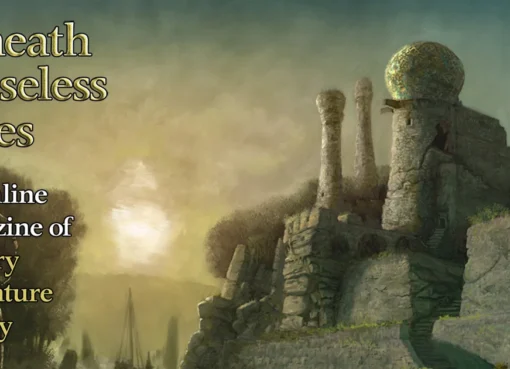
Markets like Clarkesworld, Lightspeed, and Beneath Ceaseless Skies continue to set the standard. These publications pay "professional rates" (currently defined by the Science Fiction and Fantasy Writers Association, or SFWA, as 8 cents per word or higher).
- Clarkesworld: Known for its rigorous hard science fiction and international focus.
- Lightspeed: A balanced powerhouse that covers the full spectrum of SF and Fantasy.
- Apex Magazine: A leader in "darker" speculative fiction that pushes the boundaries of the macabre and the surreal.
2. The Identity and Global Focused Markets
One of the most significant data points in the 2026 list is the health of magazines dedicated to marginalized or international voices.
- Fiyah: Continues to be the premier venue for Black speculative fiction, fostering a community of writers who were historically excluded from the "Golden Age" pulps.
- Samovar: An offshoot of Strange Horizons, it remains the gold standard for speculative fiction in translation, providing English-speaking audiences access to the vibrant literary scenes of China, Latin America, and Eastern Europe.
- Aurealis: Representing the Australian market, it highlights the regional diversity of the genre.
3. The Experimental and "Outer Limits"
The "Outer Limits" section of the Locus list, featuring titles like Quotidian Bagatelle, represents the avant-garde. These are often markets that publish "flash fiction" (stories under 1,000 words) or experimental prose that defies traditional genre categorization. While they may not have the massive readership of a Reactor (formerly Tor.com), they serve as essential laboratories for stylistic innovation.

Official Responses: The Industry Perspective
The release of the periodical list often prompts reflections from industry leaders regarding the stability of the field. Locus magazine itself accompanied the list with a call for reader support, highlighting a stark reality: despite the creative vibrancy of the field, the financial model remains precarious.
In an official statement, the Locus staff noted: "We publish hundreds of reviews and news stories each year, but we can’t do it without your help… We rely on reader donations to keep the magazine and site going."
This sentiment is echoed by many of the editors of the listed magazines. Neil Clarke of Clarkesworld has frequently spoken on the "Amazon Subscription Crisis," where changes in how digital magazines are sold through major retailers have forced many publications to rely on direct-to-consumer models like Patreon or Kickstarter.
The inclusion of Reactor (the rebranding of the massive Tor.com platform) in the list signifies a shift toward corporate-backed "content hubs" that provide free fiction as a way to market a broader brand. However, the industry consensus remains that independent magazines like The Dark or The Deadlands are the true soul of the genre, providing a "curatorial voice" that corporate algorithms cannot replicate.
Implications: The Future of Short Speculative Fiction
The 2026 Locus directory is more than just a list; it is a snapshot of a genre in transition. Several implications for the future can be drawn from the current roster of periodicals.
The Challenge of AI and Curation
With the explosion of AI-generated content, the role of the editor has become more important than ever. Magazines like Flash Point SF and Sunday Morning Transport serve as "human-verified" filters. In a world where "content" is infinite, the "brand" of a magazine—the trust that a reader has in an editor’s taste—is the most valuable commodity in the market.

The Survival of the Short Story
There were fears in the early 2020s that the short story was a dying art form, eclipsed by long-form streaming television. However, the 2026 directory suggests the opposite. Short fiction has become the "R&D department" for Hollywood. Many of the stories published in Nightmare Magazine or The Dark are being optioned for film and television before they even hit the digital newsstands. The periodicals listed by Locus are the primary engines of this intellectual property.
The "Boutique" Economy
We are moving toward a "boutique" economy for SF/F/H. Rather than one or two magazines dominating the entire field, we see dozens of smaller, highly curated outlets. Foofaraw and In Another Time cater to specific aesthetics, suggesting that the future of the genre lies in fragmentation and the creation of "micro-communities" of readers and writers.
Conclusion
As Locus magazine celebrates its continued role as the "newspaper of the field," the 2026 periodical list offers a message of cautious optimism. The industry is under financial strain, and the competition for reader attention has never been fiercer. Yet, the sheer volume and diversity of the magazines—from the "Outer Limits" of Quotidian Bagatelle to the high-concept science fiction of Clarkesworld—prove that the human desire to explore the unknown through fiction remains as potent as ever. For the writers who use this list as a guide and the readers who use it as a discovery tool, the 2026 directory is a reminder that the "Sense of Wonder" is alive and well, one short story at a time.