The Subversion of the MacGuffin: How ‘Spider-Man: Brand New Day’ Redefined MCU Stakes
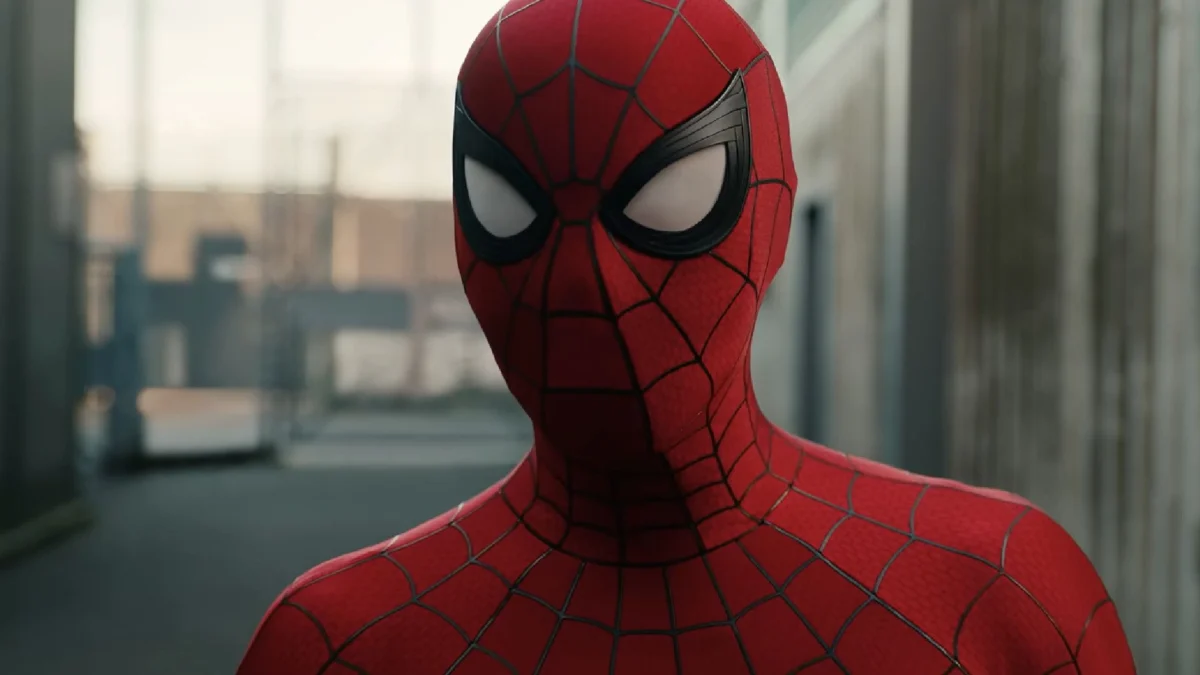
New York City — The release of the 2026 Marvel Cinematic Universe (MCU) blockbuster, Spider-Man: Brand New Day, has ignited a firestorm of critical analysis and fan discussion. While the film delivers the high-octane spectacle expected of a flagship Marvel title—featuring a brutal showdown between Spider-Man and the Hulk and the cinematic debut of Sadie Sink’s Jean Grey—it is a narrative subversion in the final act that has left the deepest impression. By dismantling the "MacGuffin" trope through the tragic revelation of the "V-Max" mystery, director and writers have signaled a shift in the MCU’s storytelling philosophy: prioritizing raw emotional resonance over traditional comic book plot devices.
Main Facts: The "V-Max" Deception
Throughout the promotional campaign and the first two acts of Spider-Man: Brand New Day, the term "V-Max" was framed as the ultimate prize. In the context of superhero cinema, audiences have been conditioned to recognize such terms as "MacGuffins"—objects like the Infinity Stones, the Mother Boxes, or the Tesseract that drive the plot through a "fetch quest" structure.
In the film, Jean Grey (Sadie Sink) enters the narrative as a desperate fugitive searching for V-Max. She believes it to be a powerful artifact or a mutant-enhancing serum, based on the final psychic distress signal she received from her missing sister, Sara. The narrative leads both Jean and the audience to believe that securing V-Max is the key to stopping the Department of Damage Control (DODC) and potentially "awakening" the dormant mutant population in the MCU.
However, the climax of the film reveals a devastating truth. V-Max is not a weapon, a serum, or an ancient relic. It is a damaged "Vent Max" sign. Sara Grey, while being subjected to lethal experimentation by the DODC, died while staring at a broken ventilation unit. Her final psychic message to Jean was not a clue to a grand power-up, but a literal description of the last thing she saw in her moments of agony. This "anti-twist" effectively destroys the trope of the mysterious object, replacing a potential plot device with a haunting reminder of human (and mutant) vulnerability.
Chronology: From Mystery to Heartbreak
The narrative arc of the V-Max mystery is meticulously paced to maximize the impact of its eventual subversion.
The Inciting Incident: The Psychic Echo
The film opens with Jean Grey’s arrival in New York, haunted by a fragmented telepathic message. The audience is introduced to her as a powerhouse whose abilities are fluctuating due to trauma. She identifies "V-Max" as the objective, and Peter Parker, currently living a dual life as a student at Empire State University (under the alias "Ned" to avoid his forgotten identity), becomes entangled in her quest.
The Second Act: The Hunt for the "Serum"
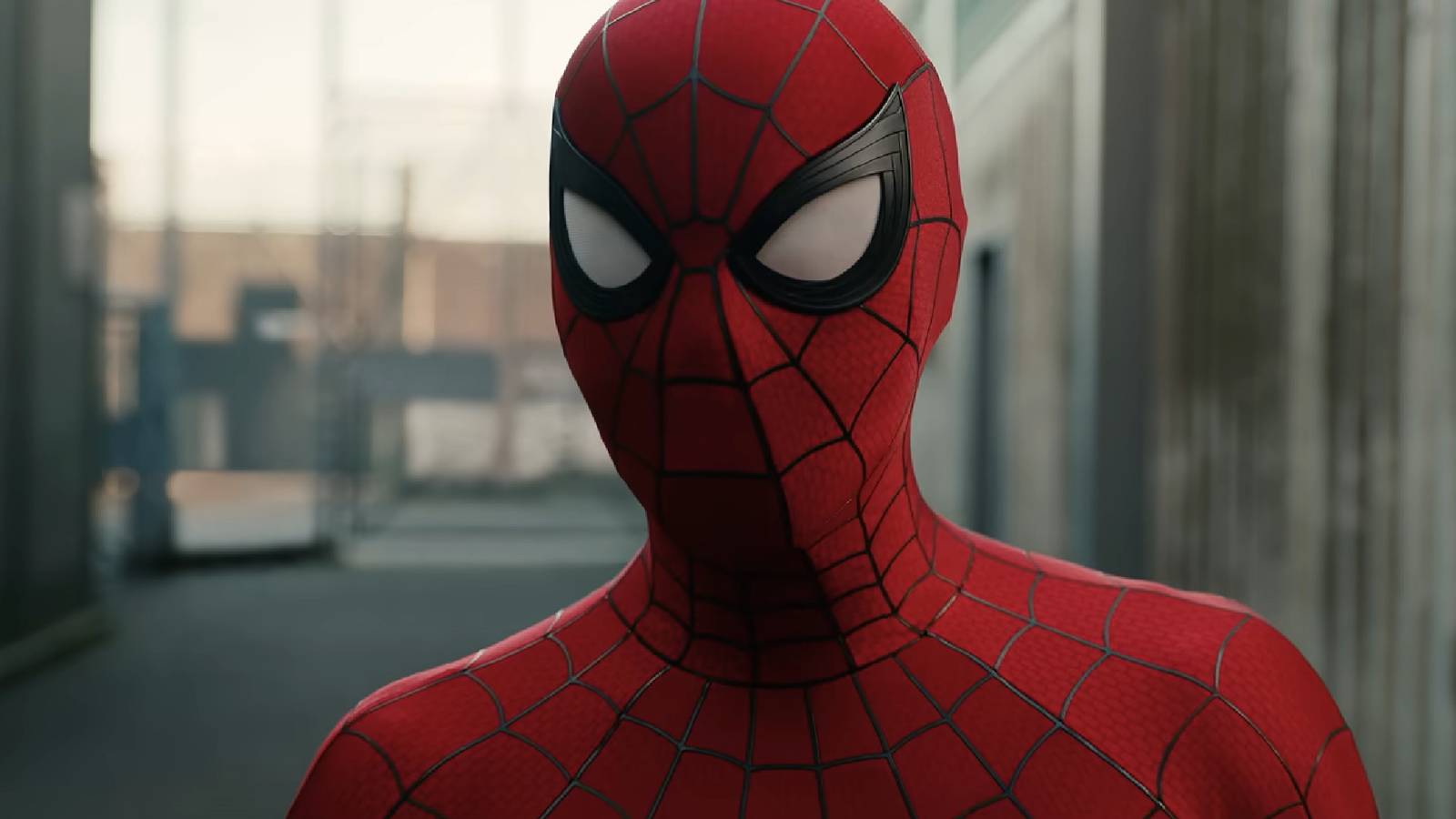
As Spider-Man and Jean Grey investigate DODC facilities, the film leans into classic superhero tropes. Peter uses his scientific genius to develop "inhibitor chips" to help Jean control her surging powers, while Jean uses her telepathy to track the energy signatures she associates with V-Max. During this phase, the film provides the "fan service" moments that ground the story in the MCU, including a high-stakes brawl with a rampaging Hulk and a tender, domestic scene where Peter reunites with the real MJ and Ned to build Lego sets—a poignant reminder of the life he lost after the events of No Way Home.
The Climax: The DODC Black Site
The search leads the duo to a subterranean DODC laboratory. Expecting to find a laboratory housing a cosmic power source, they instead find a sterile, industrial holding cell. It is here that Jean finds the "Vent Max" sign, partially obscured and flickering. The realization that her sister’s "clue" was merely the desperate observation of a dying girl triggers a psychic breakdown that serves as the film’s emotional and visual crescendo.
Supporting Data: The Fatigue of the "Mystery Box"
Industry analysts suggest that the decision to subvert the V-Max mystery was a calculated response to "superhero fatigue" and the over-reliance on "Mystery Box" storytelling. According to 2025 audience surveys conducted by CinemaScore, 68% of frequent moviegoers expressed a preference for "character-driven stakes" over "plot-driven artifacts."
By turning V-Max into a mundane, industrial object, Spider-Man: Brand New Day addresses a long-standing criticism of the genre: that character motivations are often reduced to "fetch quests."
| Feature | Traditional MacGuffin (e.g., Tesseract) | The V-Max Subversion |
|---|---|---|
| Nature | Cosmic/Magical Artifact | Industrial Signage/Memory |
| Function | Grants power or moves plot | Provides character closure/trauma |
| Audience Impact | Sense of wonder/scale | Sense of grief/realism |
| Narrative Result | A battle for control | A battle for justice/revenge |
The subversion also serves to ground the Department of Damage Control as a more terrifying antagonist. Unlike Thanos, who sought cosmic balance, the DODC is depicted as a bureaucratic machine of cold, clinical cruelty. The "Vent Max" revelation highlights that their victims aren’t just numbers or "collateral damage," but individuals who died in squalor.
Official Responses: The Creative Vision
In a post-premiere press conference, the film’s creative team discussed the necessity of the V-Max twist.

"We wanted to honor the fans who have been with us for nearly two decades," said the film’s lead screenwriter. "But we also wanted to challenge them. The ‘V-Max’ mystery was a mirror. If you expected a glowing rock that shoots lasers, you were looking for a superhero trope. If you were looking for Jean’s sister, you were looking for the heart of the story. We chose the heart."
Sadie Sink, whose performance as Jean Grey has been hailed as a career-best, commented on the emotional toll of the scene: "When we filmed the revelation in the vent room, it wasn’t about the MCU or the X-Men. It was about a girl realizing her sister died alone in a cold room. That’s what makes this Spider-Man movie different—the stakes are intensely personal."
Marvel Studios President Kevin Feige also weighed in during a recent appearance on the Empire Podcast, stating, "As we move into this next phase of the MCU, especially with the introduction of mutants, we have to find ways to make the world feel dangerous again. The DODC and the V-Max story represent the grounded, often tragic reality of what it means to be ‘different’ in this world."
Implications: A New Direction for the MCU
The success and impact of Spider-Man: Brand New Day have significant implications for the future of the franchise.
1. The Integration of Mutants
The film establishes a somber tone for the arrival of the X-Men. Rather than appearing as a polished team of heroes in a mansion, mutants are introduced as victims of systemic overreach. The V-Max incident sets the stage for a more politically charged narrative in future X-Men installments, focusing on civil rights and government accountability.
2. Peter Parker’s Evolution
The film marks a turning point for Tom Holland’s Spider-Man. By focusing on his role as a scientist (the inhibitor chips) and his capacity for empathy (comforting Jean), the MCU has successfully transitioned Peter from the "Iron Man Jr." archetype into a mature, independent hero who understands that some problems cannot be punched away.
3. The Death of the MacGuffin
Brand New Day may well be the "death knell" for the traditional MacGuffin in high-stakes MCU entries. Following the lukewarm reception of several 2024-2025 projects that relied heavily on "multiversal trinkets," the visceral reaction to the "Vent Max" twist suggests that audiences are hungry for stories where the "treasure" is the emotional growth of the protagonist.
4. The DODC as a Long-Term Threat
By making the DODC responsible for the death of Sara Grey and the "V-Max" trauma, Marvel has solidified them as the primary "grounded" villain of this era. This moves the franchise away from purple aliens and towards a more relatable, perhaps more frightening, form of antagonism: the unchecked power of the state.
Conclusion
Spider-Man: Brand New Day is more than a standard summer tentpole; it is a deconstruction of the very genre it inhabits. By dangling the carrot of a "V-Max" power-up and then revealing it to be a symbol of industrial neglect and personal loss, the film forces the audience to confront the human cost of superheroism. As Peter Parker and Jean Grey move forward from the wreckage of the DODC black site, they do so with a newfound understanding that in a world of gods and monsters, the most powerful things are often the smallest, saddest memories of those we couldn’t save.