The Unseen Current: How Energy Healing is Reshaping Perspectives on Health and Self

Ubud, Bali – In a world increasingly defined by empirical evidence and scientific rigor, ancient understandings of energy and consciousness are experiencing a remarkable resurgence. The idea that all matter, including the human body, is fundamentally composed of energy is not merely a philosophical musing but a concept gaining traction across various disciplines, challenging conventional Western thought. As astronomer Carl Sagan eloquently put it, "The cosmos is within us. We are made of star stuff. We are a way for the universe to know itself." This profound interconnectedness, echoed by the attributed words of engineer Nikola Tesla – "If you want to find the secrets of the universe, think in terms of energy, frequency and vibration" – forms the bedrock of practices known as energy healing.
For centuries, cultures across India, China, Japan, and beyond have cultivated sophisticated spiritual traditions centered on the manipulation and balancing of life force energy for health and well-being. Yet, in the Western world, where a "rational" upbringing often prioritizes tangible, measurable phenomena, these practices have frequently been met with skepticism, often dismissed as New Age esoterica. This journalistic exploration delves into one individual’s transformative encounter with such a practice, highlighting how direct experience can bridge the chasm between doubt and profound belief, and the broader implications for holistic health and inner work.
The Genesis of Belief: From Western Skepticism to Balinese Revelation
The journey from entrenched skepticism to an open embrace of energy healing is often catalyzed by personal experience. Such was the case for one practitioner in the field of "inner work," who initially viewed energy healing as a frivolous offshoot of spirituality, an anomaly in the serious pursuit of self-exploration and personal growth. This deeply ingrained skepticism, a product of a Western rationalist education, held firm until a pivotal moment in 2016.
During a trip to Ubud, the spiritual heartland of Bali, an unexpected encounter challenged this long-held conviction. Wandering through the town’s vibrant, humid streets, a weathered sign advertising "Reiki healing" caught the eye. Despite prior awareness of Reiki as a popular energy healing method, detailed knowledge was scarce. With time on hand and a nascent curiosity, the decision was made to "try it out." The unassuming storefront, where three young women in colourful sarongs offered welcoming smiles and an older man extended a polite greeting, belied the profound shift that was about to occur.
Inside the small, serene healing room, the Balinese Reiki healer instructed the visitor to lie down. With eyes closed, the session began, the healer’s hands hovering gently above the body. The initial internal monologue was one of dismissiveness, a quiet resignation to what felt like a financial indulgence rather than a therapeutic intervention. Yet, an underlying willingness to be proven wrong prompted an attempt at relaxation. As traditional Balinese music diffused through the air, creating an ethereal, dreamlike atmosphere, a calm state gradually enveloped the participant.
The Unforeseen Breakthrough: A Skeptic’s Transformation
The session progressed peacefully, approaching its conclusion, leaving a sense of deep tranquility. Then, without warning, an profound emotional cascade erupted. It began as an intense sensation in the chest, as if the heart itself was physically "breaking open." A wave of profound grief, unbidden and overwhelming, began to seep through every fiber of being. A vivid internal image materialized: a blood-red rose, slowly, powerfully blossoming. This potent visual was immediately followed by an outpouring of tears and loud sobs, a release of sadness that could no longer be contained.
This visceral reaction was profoundly shocking. Having been raised in a household that prized emotional stoicism – a "stiff upper lip" mentality – public displays of such intense emotion were alien. The question that reverberated internally was, "Why this grief?" The Balinese Reiki healer, observing the profound release, gently suggested that a significant reservoir of grief had been carried within the heart, and the Reiki was now facilitating its release.
The experience was nothing short of a paradigm shift. Leaving the session in a state of bewildered awe, the participant’s entire worldview had been irrevocably altered. In that single hour, direct, undeniable experience had dismantled years of rational skepticism, forging a nascent belief in the power of energy healing. A few years later, driven by this transformative encounter, the individual embarked on formal training, ultimately becoming a Reiki Master/Teacher, and has since integrated the practice into daily life.
Reiki: A Century-Old Practice of Energetic Alignment
Reiki, meaning "universal life energy" (霊気), is a Japanese technique for stress reduction and relaxation that also promotes healing. Developed by Mikao Usui in the early 20th century, it is administered by "laying on hands" and is based on the idea that an unseen "life force energy" flows through us and is what causes us to be alive. If one’s "life force energy" is low, then we are more likely to get sick or feel stress, and if it is high, we are more capable of being happy and healthy. The Reiki Ryōhō Hikkei, a manual from the Usui Reiki Ryōhō Gakkai, encapsulates this philosophy: "First we have to heal our spirit. Secondly we have to keep our body healthy. If our spirit is healthy and conformed to the truth, the body will get healthy naturally. If you can’t heal yourself how can you heal others?" This emphasizes the holistic nature of Reiki, addressing not just physical ailments but also the spiritual and emotional roots of imbalance.
Energy Healing in Holistic Well-being: The Yin to Inner Work’s Yang
The integration of energy healing into a broader framework of holistic well-being offers a crucial complementary dimension to traditional "inner work" practices. While methods such as self-love, inner child work, and shadow work are often "yang" in nature – demanding active introspection, illumination, and integration – energy work provides a "yin" counterpart. It encourages rest, receptivity, and recovery, creating space for profound shifts without the need for strenuous mental effort. Both active and receptive approaches are vital for a truly holistic journey of self-discovery and healing.
Energy healing, in its various forms, facilitates a deeper embodiment, allowing individuals to access new levels of vitality (often referred to as ki, chi, or prana) and to reconnect with their spiritual core, their Soul. This re-connection is often termed "Soul Recovery," leading to a reintegration with one’s "wise, wild, warm, welcoming, and whole Self."
Furthermore, energy healing proves particularly beneficial in addressing trauma. While not a substitute for conventional medical or psychological interventions, it can play a significant role in "discharging" the "frozen energy" that often becomes trapped in the body following mental, emotional, or physical abuse. Psychotherapist Peter A. Levine, in his seminal work Waking the Tiger: Healing Trauma, articulates this critical point: "Traumatic symptoms are not caused by the ‘triggering’ event itself. They stem from the frozen residue of energy that has not been resolved and discharged; this residue remains trapped in the nerve system where it can wreak havoc on our bodies and spirits." Energy healing modalities offer avenues to gently release this trapped energy, helping to calm the nervous system and restore physiological and emotional balance.
Understanding the Energetic Blueprint: Key Systems in Focus
The concept of an energetic anatomy underlies many ancient healing traditions. While specific models vary across cultures, three widely recognized energy systems provide a foundational understanding:
-
Chakras: Originating from ancient Indian spiritual traditions, particularly Hinduism and Tantric Buddhism, Chakras are described as spinning wheels or vortices of energy located along the central axis of the body, from the base of the spine to the crown of the head. There are typically seven main chakras, each associated with specific physical organs, emotional states, psychological functions, and spiritual qualities. For example, the root chakra (Muladhara) is linked to security and grounding, while the heart chakra (Anahata) is associated with love and compassion. Imbalances or blockages in these energy centers are believed to manifest as physical ailments, emotional disturbances, or spiritual stagnation. Energy healing aims to clear, balance, and align the chakras to promote overall well-being.
-
Meridians: Central to Traditional Chinese Medicine (TCM), meridians are invisible pathways or channels through which Qi (life force energy) circulates throughout the body. There are twelve main meridians, each corresponding to a specific organ system (e.g., Lung, Large Intestine, Stomach, Spleen, Heart, Small Intestine, Bladder, Kidney, Pericardium, Triple Warmer, Gallbladder, Liver). These pathways are believed to form a network that connects the surface of the body to the internal organs. When the flow of Qi along these meridians is obstructed or imbalanced, it can lead to illness. Practices like acupuncture, acupressure, and Qigong aim to restore the smooth and harmonious flow of Qi through these meridians, thereby promoting healing.
-
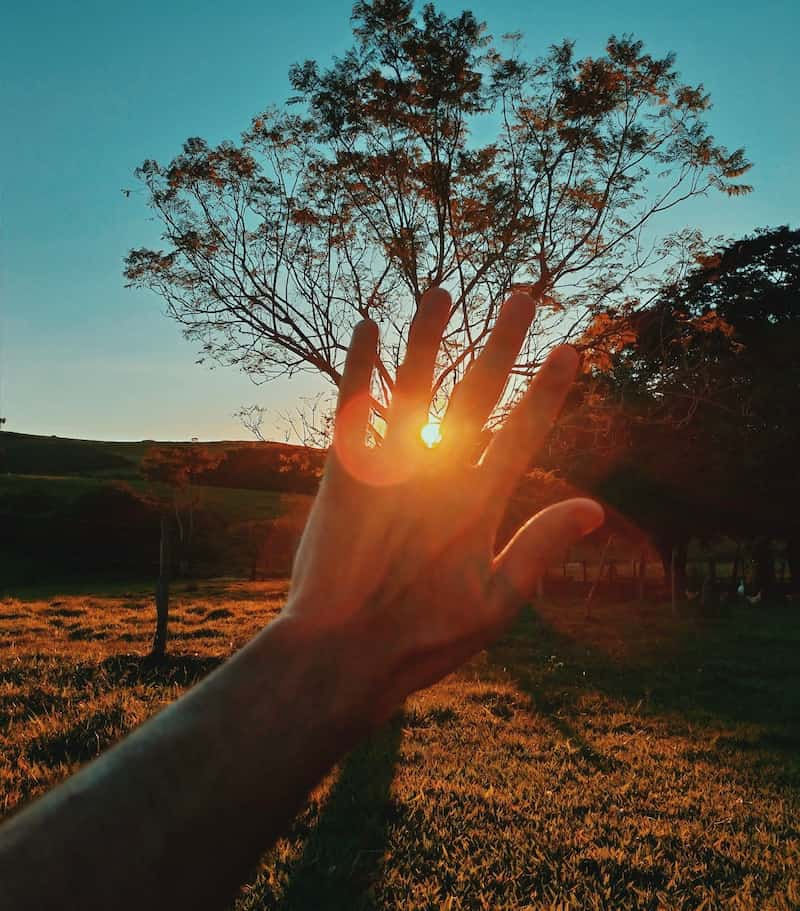
Aura/Biofield: The concept of an "aura" or "biofield" refers to an electromagnetic field of energy that is believed to surround and interpenetrate the physical body. This energetic field is often described as multi-layered, with each layer correlating to different aspects of a person’s physical, emotional, mental, and spiritual health. Variations in the color, density, and integrity of the aura are thought to reflect an individual’s state of health and consciousness. Many energy healing modalities, including some forms of Reiki and Therapeutic Touch, involve working with this biofield, often without direct physical contact, to clear energetic blockages, smooth out disruptions, and enhance the overall vitality of the individual. This aligns with the perspective of Alexander Lowen, M.D., who stated in Bioenergetics, "I believe the energy in our bodies is in contact and interacts with the energy around us in the world and in the universe. We are not an isolated phenomenon."
These three systems, though distinct in their cultural origins and specific models, share a common thread: the recognition of a subtle energy anatomy that profoundly influences human health and experience.
Navigating the Spectrum: Addressing "Low Vibrations" and Negative Energy
A critical aspect of approaching energy healing is to avoid the pitfalls of "toxic positivity" and "spiritual bypassing," which can sometimes infiltrate the field. It is crucial to acknowledge that experiencing "low vibrations" or carrying "negative energy" is a natural part of the human condition. Emotions such as shame, hatred, jealousy, anxiety, insecurity, and bitterness are valid experiences, and there is no inherent shame in feeling them. The goal of energy healing is not to suppress or deny these states but to offer a pathway to move through them consciously and constructively.
While actively exploring the "darkness" through practices like shadow work is essential for integration and self-understanding, the objective is not to wallow in these negative states indefinitely. Energy healing provides a means to gently exit these challenging spaces, fostering a shift towards greater peace, balance, and compassion. By working with the underlying energetic imbalances, these practices can help release the energetic imprints of negative emotions, allowing for a more harmonious internal landscape.
Exploring Modalities: A Gateway to Energy Healing Practices
The landscape of energy healing is vast and diverse, spanning centuries and numerous cultures. For those drawn to exploring this field, the starting point often lies in following one’s innate curiosity. While the author found a profound connection with Reiki, countless other modalities exist, each offering unique approaches to energetic balance and healing. Here is an overview of some common forms:

Hands-On / Bodywork-Based
These practices involve direct physical contact or close proximity to the body, facilitating the transfer or manipulation of energy.
- Reiki: A Japanese technique involving light touch or hovering hands to channel universal life force energy, promoting relaxation and healing.
- Therapeutic Touch: A modern, non-invasive practice developed by nurses, where practitioners move their hands over the client’s body to detect and rebalance energy fields.
- Healing Touch: Similar to Therapeutic Touch, it uses gentle, non-invasive touch or near-body touch to clear, energize, and balance the human energy field.
- Polarity Therapy: Developed by Dr. Randolph Stone, this system works with the human energy field, using gentle contact to balance the body’s positive, negative, and neutral energy currents.
- Biofield Tuning: A sound-based method that uses tuning forks to locate and correct distortions in the body’s electromagnetic field (biofield).
- Craniosacral Therapy: A gentle, hands-on method of evaluating and enhancing the functioning of the craniosacral system (membranes and cerebrospinal fluid surrounding the brain and spinal cord) to release tensions and promote balance.
Movement-Based
These modalities utilize physical movement, breath, and focus to cultivate and direct internal energy.
- Qigong: An ancient Chinese practice involving slow, gentle movements, deep breathing, and meditation to cultivate and balance Qi (life force energy) within the body.
- Tai Chi: Often described as "meditation in motion," Tai Chi is a gentle Chinese martial art that involves a series of flowing movements, promoting physical health, mental calm, and energetic balance.
- Yoga: An ancient Indian practice combining physical postures (asanas), breathing exercises (pranayama), and meditation to unite the body, mind, and spirit, improving flexibility, strength, and energetic flow.
- Five Rhythms Dance: A dynamic movement practice, a type of ecstatic dance, that facilitates self-expression and spiritual connection through movement.
Needle/Pressure-Based
These methods involve stimulating specific points on the body to influence energy flow.
- Acupuncture: A key component of TCM, involving the insertion of thin needles into specific points along the body’s meridians to unblock or rebalance the flow of Qi.
- Acupressure: Similar to acupuncture but uses finger pressure instead of needles to stimulate meridian points.
- Reflexology: A complementary therapy that involves applying pressure to specific points on the feet, hands, or ears, which are believed to correspond to different organs and systems in the body, promoting healing and relaxation.
- Shiatsu: A Japanese form of bodywork that uses localized finger pressure, stretches, and other manipulative techniques to release tension and restore energetic balance.
Sound & Vibration-Based
These modalities use sound frequencies and vibrations to induce relaxation and energetic shifts.
- Sound Healing (e.g., Singing Bowls, Gongs): Utilizes therapeutic sound frequencies produced by instruments like Tibetan singing bowls, gongs, or tuning forks to induce deep relaxation, alter brainwave states, and harmonize energetic fields.
- Chanting/Mantra: The rhythmic repetition of sounds, words, or phrases to focus the mind, elevate consciousness, and generate specific energetic vibrations within the body and environment.
Others
This category encompasses a broad range of practices that work with subtle energy fields.
- Crystal Healing: Uses crystals and gemstones, believed to possess unique energetic properties, to balance chakras, cleanse auras, and promote healing.
- Flower Essences: Liquid infusions of flowers, which are believed to carry the energetic imprint of the plant, used to address emotional and mental states.
- Pranic Healing: A no-touch system of energy healing that utilizes prana (life force) to cleanse and energize the body, promoting physical and psychological well-being.
- Intuitive Healing: A broad category where practitioners use their intuitive abilities to perceive and address energetic imbalances in a client’s body or field.
- Shamanic Healing: Ancient indigenous practices that involve working with spirit guides, power animals, and altered states of consciousness to retrieve lost soul parts, clear negative energies, and restore balance.
The Scientific Lens: Bridging Experience and Evidence
It is important to approach energy healing with a healthy dose of both skepticism and openness. Many of these modalities, particularly those that operate on subtle energetic principles, currently lack robust scientific backing or clinical proof according to conventional Western medical standards. The challenges in scientifically validating energy healing are numerous, including the difficulty in designing double-blind studies, standardizing treatments, and measuring subjective experiences or subtle energy fields. The placebo effect is also a significant factor that researchers must contend with.
However, the limits of current scientific methodology do not necessarily negate the validity of personal experience. As one explores these practices, it becomes clear that not everything can be fully explained by logic or empirically measured with existing tools. The burgeoning field of integrative medicine is increasingly exploring the potential benefits of such complementary therapies, recognizing that patient well-being often extends beyond purely physical parameters. While research continues, the emphasis for many remains on the direct, subjective experience and the profound shifts it can bring. Resources like The Little Book of Energy Medicine by Donna Eden and Dondi Dahlin offer accessible introductions to practical energy techniques for self-care.
Conclusion: An Invitation to Energetic Exploration
In a world often defined by relentless activity and external demands, energy healing offers a vital counterbalance. It serves as a "yin," or receptive, form of inner work, providing a sanctuary where individuals can rest, receive, and recover their souls amidst the pervasive chaos. It encourages a conscious letting go of pain and an intentional tuning into the source of all vitality: Spirit or Divine Consciousness.
The journey from a skeptical, rational perspective to an acceptance of subtle energy is often deeply personal and profoundly transformative. Like the author’s unexpected revelation in Bali, direct experience can serve as a powerful catalyst, demonstrating that phenomena beyond current scientific explanation can indeed exist and wield profound influence. For those intrigued by the unseen currents that shape our existence, the realm of energy healing stands as an invitation – to explore with critical thinking, an open mind, and a willingness to encounter the unexpected.
The dialogue surrounding energy healing is ongoing, merging ancient wisdom with modern inquiry. What remains constant is the human desire for healing, balance, and a deeper connection to the universal energies that define our very being. The question is not whether these energies exist, but how we choose to engage with them.