The Vanguard of Visual Development: Concept Art World Solidifies Its Stance on Human Creativity
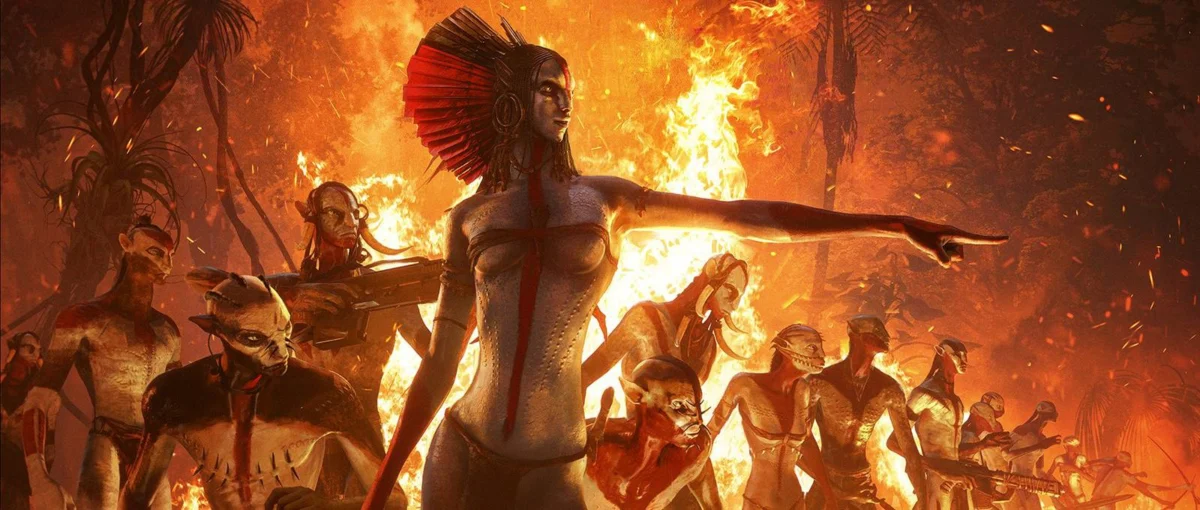
LONDON – In an era where the boundary between digital art and machine-generated imagery is increasingly blurred, Concept Art World (CAW) has reaffirmed its position as a premier sanctuary for human-led visual development. The platform, a cornerstone for professionals in the film, gaming, and animation industries, recently unveiled a series of high-profile showcases featuring industry veterans such as Virgile Loth, Gary Jamroz, and John Park.
Beyond the aesthetic allure of the galleries, CAW’s latest updates signal a broader industry movement: a rigorous defense of intellectual property against the encroachment of unauthorized Artificial Intelligence (AI) training. This report explores the recent contributions to the platform, the technical evolution of the featured artists, and the systemic implications of CAW’s stringent anti-AI policy.
Main Facts: A Convergence of Legacy and Education
Concept Art World continues to serve as a curated bridge between the secretive pre-production phases of AAA entertainment and the public eye. The platform’s most recent features highlight a diverse spectrum of the industry:
- The Dark Knight’s Genesis: A deep dive into the "Year Two" aesthetics of Batman: Arkham Origins, featuring the atmospheric and gritty environmental designs of Virgile Loth.
- Architectural Cyberpunk: A retrospective on the visually stunning Remember Me, showcasing Gary Jamroz’s contribution to the "Neo-Paris" aesthetic that redefined cyberpunk architecture in the early 2010s.
- Pedagogical Excellence: The release of John Park’s "Vehicle and Mech Design for Games Vol. 2," a tutorial series that underscores the shift toward high-level professional education for aspiring concept artists.
- Artist Spotlights: A focused look at Christian MacNevin, highlighting the versatility required of modern illustrators who balance character work with narrative storytelling.
Crucially, the platform has updated its legal framework, explicitly stating that all content is protected and strictly prohibiting the use of its hosted imagery for the training of AI systems. This move aligns CAW with a growing global coalition of artists demanding tighter regulations on generative technology.
Chronology: The Evolution of Digital World-Building
To understand the significance of the current showcases, one must look at the timeline of the projects and the evolution of the artists involved.
2013: The Year of Atmospheric Realism
The release of Batman: Arkham Origins (developed by WB Games Montréal) and Remember Me (Dontnod Entertainment) marked a turning point in visual development. While the "Arkham" series had already established a Gothic-industrial look, Virgile Loth’s work on Origins introduced a "Christmas-in-Gotham" noir that utilized cold color palettes and heavy silhouettes to portray a younger, less refined Batman. Simultaneously, Gary Jamroz was helping build Neo-Paris for Remember Me, a project now cited as a masterclass in "haussmannization" meet futuristic decay.
2018–2022: The Educational Pivot
During this period, industry veterans like John Park recognized a gap between traditional art school education and the specialized needs of the gaming industry. Park, whose resume includes work on The Mandalorian and Avatar: The Way of Water, began distilling complex design philosophies into accessible digital volumes. The latest "Vol. 2" release marks the culmination of years of refining "functional design"—the idea that a vehicle or mech must look like it can actually operate within the laws of physics.
2024–2026: The AI Counter-Reformation
As generative AI tools like Midjourney and Stable Diffusion began scraping the web for data, platforms like Concept Art World transitioned from being mere galleries to becoming legal fortresses. The 2026 copyright notice on the platform reflects a multi-year effort to implement "human-only" content tags and digital watermarking to protect the livelihoods of the featured creators.
Supporting Data: Technical Mastery and Industry Standards
The artists featured on Concept Art World represent the "Gold Standard" of visual development. Their work is not merely about "pretty pictures" but about solving complex narrative and technical problems.
The Loth Method: Environmental Storytelling
Virgile Loth’s work on Batman: Arkham Origins demonstrates the importance of environmental storytelling. Data from the pre-production of the game shows that the environment was designed to be a character in itself. Loth’s concept art utilized "photobashing" (a technique of blending photos with digital painting) to achieve a level of grimy realism that informed the game’s lighting engine. His ability to translate the "Cape and Cowl" mythology into a tangible, snowy urban landscape provided the blueprint for the game’s level designers.
The Park Philosophy: Functional Aesthetics
John Park’s "Vehicle and Mech Design" series addresses the technical deficit in many entry-level portfolios. According to industry hiring data, 70% of concept art applicants fail to demonstrate an understanding of perspective and mechanical functionality. Park’s tutorials combat this by focusing on:
- Anatomy of Machinery: Understanding joints, pistons, and weight distribution.
- The Silhouette Rule: Ensuring a design is recognizable even when reduced to a black shape.
- Visual Language: Using shapes (circles for friendly tech, triangles for aggressive tech) to communicate a vehicle’s purpose without words.
The MacNevin Versatility
Christian MacNevin’s inclusion highlights a trend in the 2020s: the "Generalist-Specialist." MacNevin’s work spans from delicate character portraits to sprawling narrative scenes. In a market where studios are downsizing, the ability of an artist like MacNevin to handle multiple stages of the pipeline—from rough sketches to final marketing illustrations—is increasingly valuable.
Official Responses: Protection in the Age of Automation
The leadership at Concept Art World has been vocal about the ethical implications of modern technology. While the site remains a celebratory space, its legal "About Us" section serves as an official manifesto.
On AI Training:
The platform’s stance is unequivocal: "Any training of AI systems using this content is strictly prohibited." This response is a direct reaction to "scraping" bots that have historically harvested art from sites like ArtStation and DeviantArt without consent. By implementing this policy, CAW is positioning itself as a premium, "clean" environment for studios to scout talent without the fear of intellectual property contamination.
On Artist Rights:
In an official statement regarding the spotlight on Gary Jamroz and Virgile Loth, CAW emphasized that concept art is the "intellectual property of the respective copyright holders" (typically the studios like Warner Bros. or Dontnod). This reminds the audience that concept art is not just "content" but a legal asset of multi-million dollar productions.
Community Feedback:
User engagement on CAW’s social channels (Instagram, LinkedIn, and Bluesky) suggests a strong professional backing for these measures. Professional illustrators have praised the platform for maintaining a "human-centric" focus, noting that the curated nature of CAW provides a level of prestige that unmoderated, AI-heavy platforms have lost.
Implications: The Future of Visual Development
The trajectory of Concept Art World suggests several critical implications for the future of the entertainment industry.
1. The "Human Premium"
As AI-generated images become more common, "Human-Made" art is likely to become a premium commodity. Studios seeking unique, non-derivative world-building will continue to rely on artists like John Park and Virgile Loth, whose work is grounded in lived experience and specific directorial intent—qualities AI currently lacks. CAW’s role as a curator of this "human premium" will likely increase its influence among studio recruiters.
2. The Educational Evolution
The success of John Park’s tutorial series indicates that the future of art education may lie outside traditional institutions. High-quality, industry-specific "Volumes" allow artists in developing regions to gain world-class skills. This democratization of high-level technique, however, also raises the bar for entry into the industry; "good" is no longer enough when "mastery" is accessible via a download.
3. Legal Precedents and Platform Responsibility
CAW’s 2026 copyright stance may set a precedent for how niche galleries operate. If CAW successfully prevents AI scraping through legal and technical means, it could provide a blueprint for other creative hubs. This "walled garden" approach may become the standard for professional portfolios to prevent the devaluation of human labor.
4. The Enduring Power of the IP
The continued interest in concept art for a decade-old game like Batman: Arkham Origins proves the longevity of well-executed visual development. Great concept art does not just serve a game’s release; it becomes part of the cultural history of a character. By archiving these works, Concept Art World ensures that the foundations of modern mythology are preserved for future generations of creators.
In conclusion, Concept Art World is more than a digital gallery; it is a battleground for the soul of digital design. Through its promotion of masters like Loth and Park, and its defiant stance against unauthorized AI usage, it remains the definitive record of the human imagination’s role in shaping the worlds we play in.