The Shapeshifter’s Gambit: How ‘X-Men ‘97’ Season 2 Sets the Stage for Mystique’s Most Dangerous Era
The revival of the beloved 1990s animated series, X-Men ‘97, has proven to be more than just a nostalgia trip. Under the stewardship of Marvel Studios Animation, the series has evolved into a complex political thriller and an emotional powerhouse that honors its roots while pushing the boundaries of the medium. The Season 2 finale, "Survival of the Fittest," has left fans reeling with a post-credits sequence that confirms one of the most persistent fan theories while simultaneously subverting expectations.
By introducing the return of the infamous shapeshifter Mystique and the political ascension of her human-supremacist son, Graydon Creed, X-Men ‘97 is positioning its third season to be a masterclass in espionage, family tragedy, and social commentary.
Main Facts: The Double-Val Revelation and the New World Order
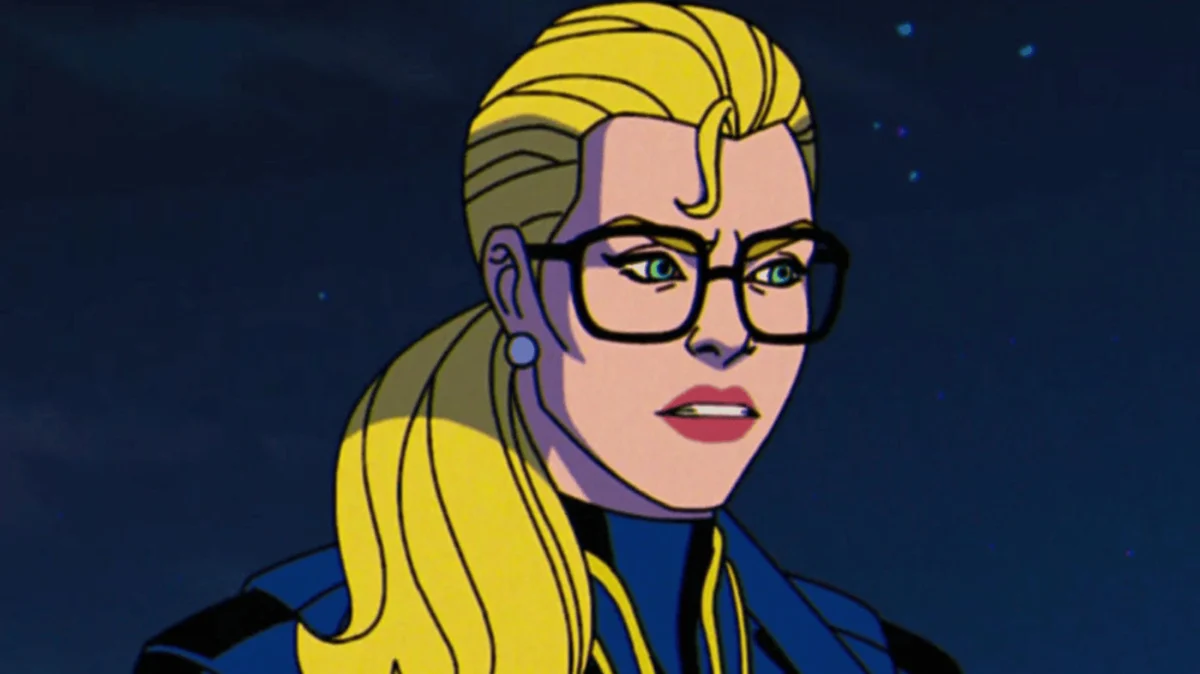
The Season 2 finale, "Survival of the Fittest," concluded with a sequence that fundamentally alters the power balance of the Marvel Animation Universe. For two seasons, fans have scrutinized the actions of United Nations officer Valerie "Val" Cooper. Her transition from a complicit bureaucrat in Bastion’s Operation: Zero Tolerance to a leader of the government-sponsored X-Factor team raised several red flags.
The finale’s post-credits scene confirms the worst: Mystique (voiced by Randall Carpenter, reprising her role from the original series) has officially entered the fray. In a chilling moment, the "real" Val Cooper is confronted in her office by a second Val Cooper. The imposter reveals herself as Mystique before cold-bloodedly executing the genuine UN official.
This revelation serves as a "soft confirmation" of fan theories that have circulated since Season 1, but with a twist—Mystique hadn’t been impersonating Val the entire time; she has only just made her move. This coincides with the election of Graydon Creed as President of the United States, creating a volatile domestic situation where a mutant-hating president is now being advised by a shapeshifting mutant terrorist in disguise.
Chronology: The Long Game of Valerie Cooper
To understand the impact of Mystique’s return, one must trace the trajectory of Valerie Cooper throughout the revival series.
Season 1: The Witness of Genosha
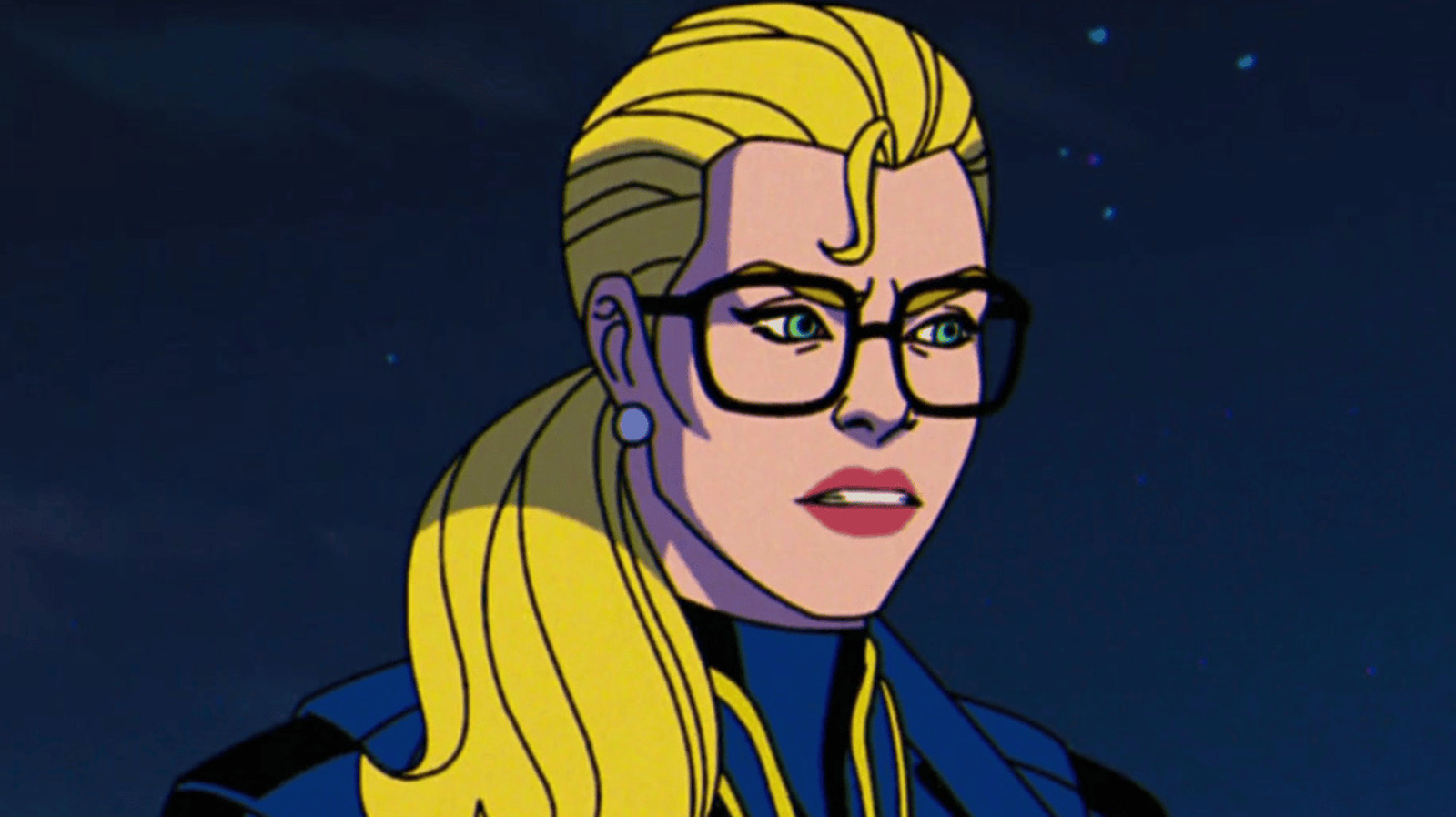
In the first season, Val Cooper was introduced as a high-ranking UN liaison. She was initially viewed with suspicion due to her proximity to Bastion, the architect of the Sentinel program. However, after the devastating massacre on the mutant island of Genosha, Val appeared to have a change of heart. Her delivery of the iconic line "Magneto was right" signaled a shift toward mutant empathy, suggesting she would be the X-Men’s "woman on the inside."
Season 2: The X-Factor Tension
As Season 2 progressed, Val’s behavior became increasingly erratic. She took command of X-Factor, a team comprising mutants like Polaris, Havok, and Quicksilver. Her leadership was characterized by a "velvet glove" approach to mutant incarceration—keeping them "safe" by locking them away. This reached a breaking point in Episode 6, "Danger.exe," when she fired Polaris for her aggressive tactics against the Purifiers, an anti-mutant hate group.
The Finale: The Replacement
The "Survival of the Fittest" finale clarifies that the Val Cooper who led X-Factor was likely the real person, struggling with the impossible ethics of mutant-human relations. Mystique’s arrival and subsequent assassination of Val suggest that the shapeshifter saw the real Cooper as a spent asset or a weak link. By stepping into Val’s shoes now, Mystique gains control over X-Factor and direct access to the highest levels of the U.S. government.
Supporting Data: The Comic Book Origins of the Twist
The writers of X-Men ‘97 have frequently drawn inspiration from the "Muir Island Saga," a classic early-90s comic arc by Chris Claremont. In that storyline, Mystique famously posed as Valerie Cooper to infiltrate the government.
The Comic Precedent
In the source material, Mystique used Val’s identity to manipulate the Freedom Force (a government-sanctioned team of former villains) and later X-Factor. The show’s decision to delay this reveal until the end of Season 2 allows the audience to feel the same sense of betrayal as the characters. By establishing the real Val Cooper as a tragic, morally gray figure first, her death at the hands of Mystique carries significantly more weight than if she had been an imposter from the start.
The Creed Connection
The political subplot involving Graydon Creed is equally grounded in comic history. Creed is the biological son of Mystique and Victor Creed (Sabretooth). Despite his mutant heritage, he was born without powers (a "Flatscan" in mutant parlance), leading to a lifelong hatred of his parents and their kind. His election as President in X-Men ‘97 mirrors real-world political anxieties and sets up a unique dynamic: a son who hates mutants being manipulated by a mother who can become anyone.
Official Responses and Production Insights
While Marvel Studios has been tight-lipped regarding the specific plot beats of Season 3, recent presentations have offered glimpses into the future.
San Diego Comic-Con (SDCC) Teasers
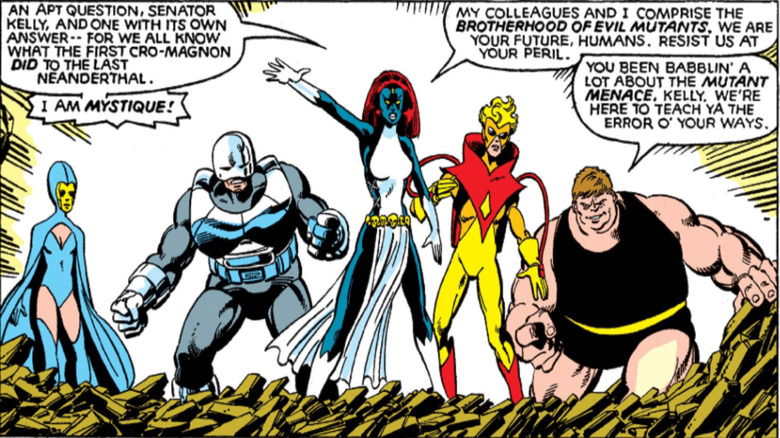
During the 2024 San Diego Comic-Con, Marvel Animation screened a preview clip for Season 3. The footage featured the Brotherhood of Mutants—including Pyro, Avalanche, Blob, and Toad—fighting Sentinels. Notably, the team appeared to have a new recruit: Surge, a fan-favorite character from the New X-Men era of the early 2000s. This confirms that Mystique will not just be acting alone as a spy, but will be leading her own paramilitary force.
The Return of the Voice Cast
A hallmark of X-Men ‘97 has been the return of the original 1992 voice cast. Randall Carpenter’s return as Mystique adds a layer of continuity that fans have celebrated. Similarly, Catherine Disher, who voiced Jean Grey in the original series, provides the voice for Val Cooper, creating a meta-textual layer of "voice-shifting" that complements the character’s narrative.
Implications: What Mystique’s Return Means for Season 3
The reintroduction of Mystique as a central antagonist—or at least a chaotic third party—suggests several major themes for the upcoming season, currently slated for a 2027 release.
1. A Correction of the Film Legacy
Many comic book purists felt that the X-Men live-action films (both the original trilogy and the prequels) mishandled Mystique. She was often relegated to being Magneto’s silent henchwoman or, later, a misunderstood hero. X-Men ‘97 appears to be returning to the Claremont-era interpretation of the character: a cold-blooded, brilliant strategist with her own agenda. By murdering Val Cooper, the show establishes her as a threat that cannot be easily redeemed.
2. Exploring LGBTQ+ Themes and Destiny
One of the most significant omissions in the original 90s series was the character of Destiny (Irene Adler), a blind precognitive mutant and Mystique’s long-time partner. In the comics, their relationship was the emotional core of Mystique’s life, though it was censored for decades. With the modern freedom of Disney+, Season 3 has the opportunity to introduce Destiny and explore the queer identity of Mystique, which is now canon in the Marvel comic universe.
3. The Tragedy of Nightcrawler
The Season 2 finale saw the apparent death of Nightcrawler (Kurt Wagner). In comic lore, Mystique is Nightcrawler’s mother. Her reaction to his death—or her potential involvement in it—will likely be a major emotional beat. If Mystique feels her son was "weak" for his pacifism, it could drive her to further extremes. Conversely, if she seeks vengeance for his death, she may become an unlikely (and dangerous) ally to the X-Men.
4. The Rogue Factor
Rogue has always been Mystique’s "daughter" in the ways that matter most, having been raised by her and Destiny. Season 2 saw Rogue grappling with grief and rage following the death of Gambit. The return of her adoptive mother, especially one masquerading as a high-ranking official, will undoubtedly force Rogue to choose between her found family in the X-Men and the toxic influence of the woman who raised her.
5. A New Kind of Sentinel War
With Graydon Creed in the White House, the Sentinel program is no longer a rogue operation like Bastion’s; it is now the law of the land. Season 3 will likely explore a "police state" environment where mutants are hunted by the government they once tried to protect. Mystique’s infiltration of the UN as Val Cooper gives her the perfect vantage point to sabotage Creed’s administration from within—not for the sake of peace, but for her own vision of mutant supremacy.
Conclusion
X-Men ‘97 continues to prove that it is the definitive adaptation of the X-Men mythos. By weaving together the political rise of Graydon Creed and the lethal return of Mystique, the series is moving toward a Season 3 that promises to be more high-stakes than anything seen in the 90s. As fans wait for the 2027 premiere, the image of Mystique standing over the body of Val Cooper serves as a haunting reminder: in the world of the X-Men, the most dangerous enemy is the one who wears your friend’s face.