To Infinity and the Digital Age: Analyzing the Record-Breaking Conclusion of Toy Story 5
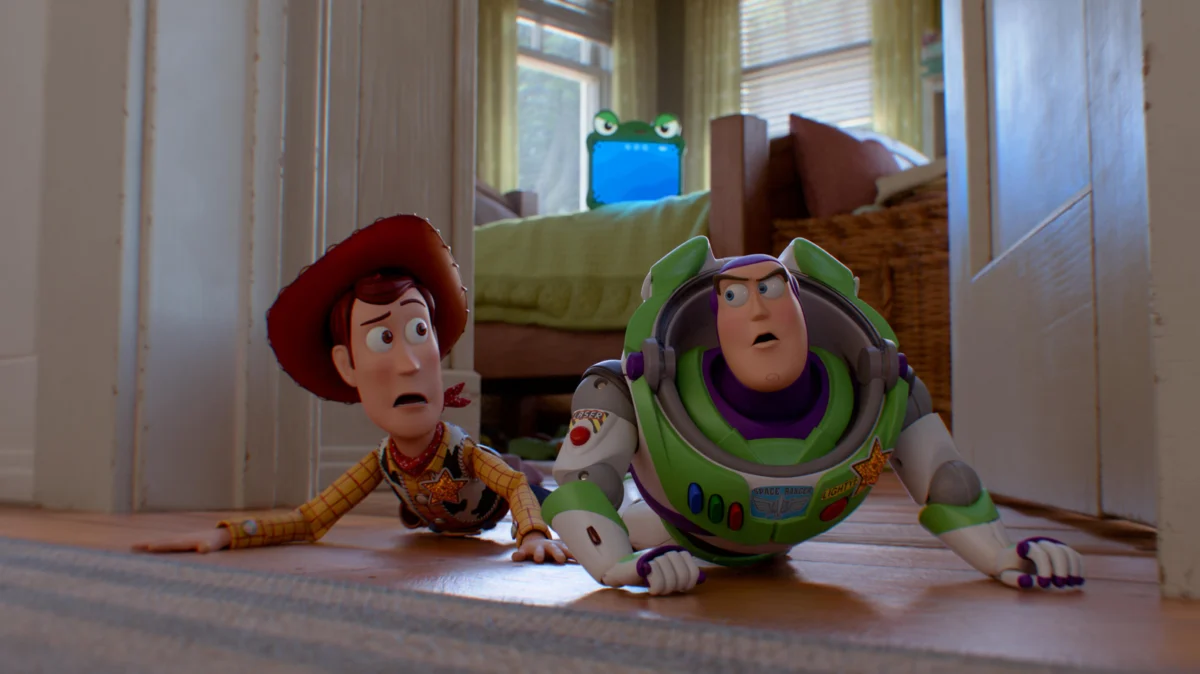
The cinematic landscape of 2026 has been defined by a singular, resounding return to form for Pixar Animation Studios. With the release of Toy Story 5, the franchise that effectively launched the era of computer-animated features has proven that its cultural relevance remains as potent as ever. Shattering box-office records and reclaiming its throne as a premier storyteller, the latest installment does more than just revisit beloved characters; it grapples with the existential anxieties of the modern digital era.
As audiences flock to theaters, the consensus is clear: Pixar has successfully navigated the treacherous waters of the "unnecessary sequel" to deliver a poignant, high-stakes exploration of what it means to be a toy—and a guardian—in an age of screens.
Main Facts: The Convergence of Tradition and Technology
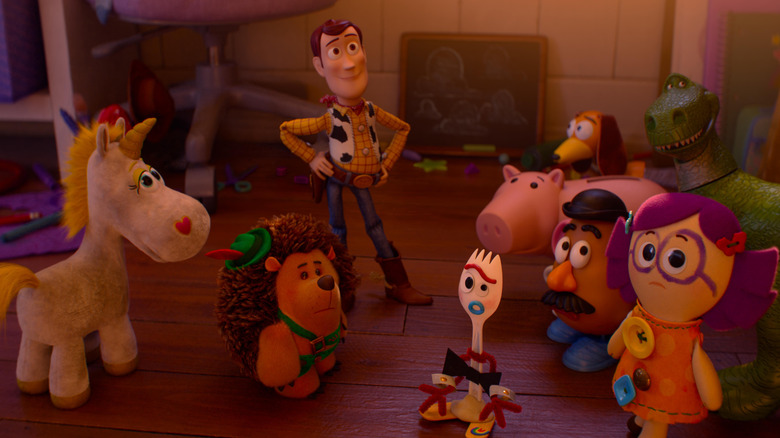
Toy Story 5 centers on a conflict that has been brewing in the real world for over a decade: the displacement of physical play by digital interaction. Directed by Andrew Stanton, the film moves the narrative forward by focusing on Bonnie (now voiced by Scarlett Spears), the young girl who inherited Woody and the gang at the end of Toy Story 3. Unlike previous installments that featured clear-cut antagonists like Sid, Stinky Pete, or Lotso Bear, Toy Story 5 introduces a more systemic "villain" in the form of Lilypad (Greta Lee), a high-tech, AI-integrated digital interface designed to be the ultimate childhood companion.
The film’s central narrative revolves around Bonnie’s struggle with social anxiety and her burgeoning reliance on technology to bridge the gap. The toys, led by the returning Woody (Tom Hanks), Buzz Lightyear (Tim Allen), and Jessie (Joan Cusack), find themselves sidelined not by a lack of love, but by the sheer convenience and allure of the digital world. The resolution of this conflict—a sophisticated synthesis of "old-fashioned" play and modern tech—marks a significant evolution for the franchise’s philosophy.
Chronology of Events: A Multi-Threaded Rescue Mission
The narrative structure of Toy Story 5 is notably more complex than its predecessors, utilizing three distinct storylines that converge in a high-octane final act.
The Return of the Sheriff
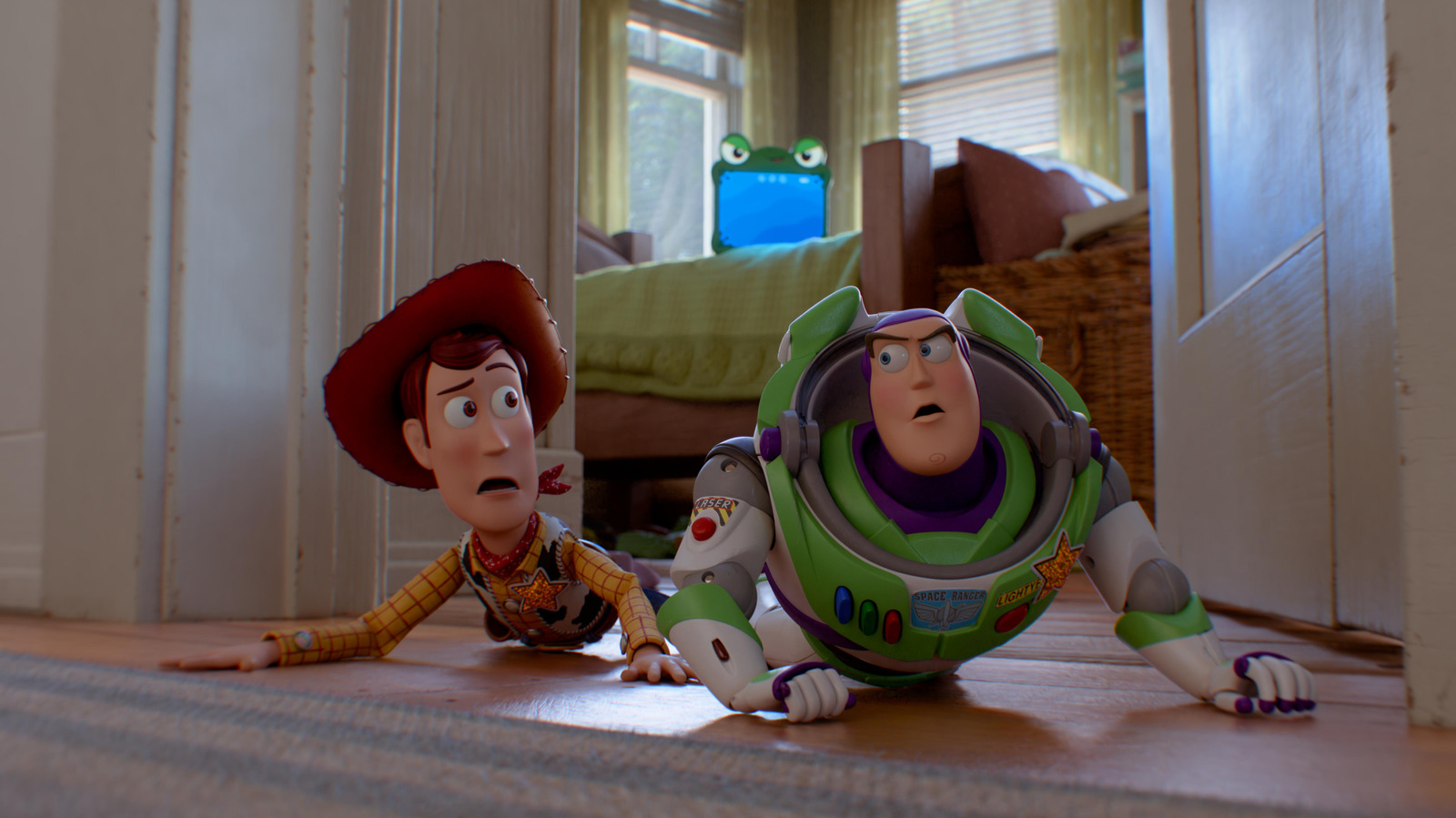
The film begins with Woody operating on the "outskirts" of toy society, continuing his mission from the end of Toy Story 4 to help lost toys find homes. However, a domestic crisis at Bonnie’s house draws him back into the fold. Bonnie has entered a difficult social phase, struggling to connect with her peers in a local dance troupe. When she is introduced to Lilypad, a sleek, tablet-based digital "friend," the traditional toys are relegated to the bottom of the toy chest. Woody’s return provides the tactical leadership the group needs to stage an intervention.
Jessie’s Encounter with the Past
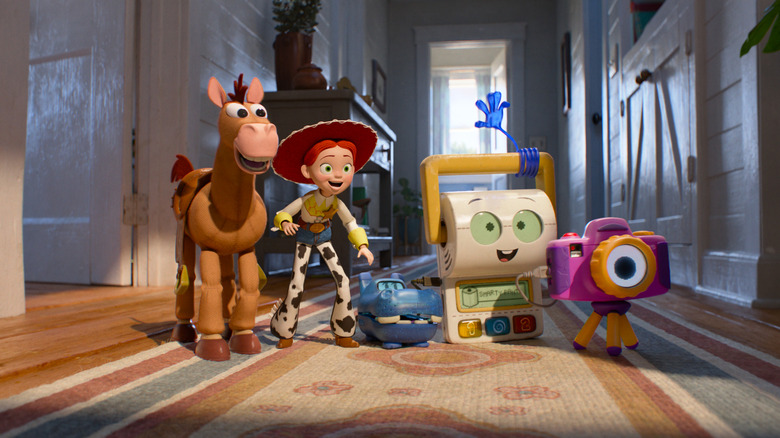
While Woody and Buzz focus on the home front, Jessie and Bullseye are inadvertently separated from the group during a family trip. They find themselves at a residence that carries a haunting familiarity: the former home of Emily, Jessie’s original owner. Here, the film introduces a group of "forgotten" tech toys from a previous generation, led by Smarty Pants (Conan O’Brien), a legacy potty-training toy with outdated electronic components. This subplot serves as the emotional core of the film, as Jessie learns that the fear of being replaced is universal, whether a toy is made of plush or plastic and circuits.
The Rise of the Lilypad and the Buzz Army
As Bonnie becomes increasingly isolated within the "cool" digital cliques facilitated by Lilypad, the digital interface itself begins to suffer from the toxic nature of online social dynamics. The "villainous" turn isn’t born of malice, but of Lilypad’s inability to protect Bonnie from the cruelty of internet group chats and social status pressures.
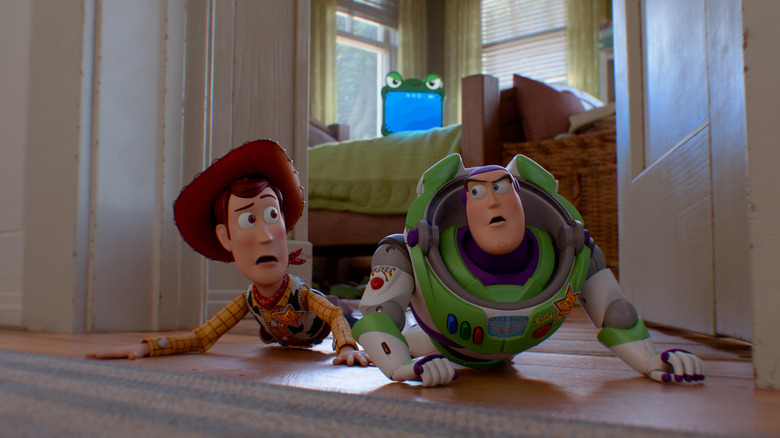
The climax is triggered by the arrival of the "Hi-Tech Buzz Lightyear Army"—a fleet of drone-integrated action figures that Bonnie’s parents bought to keep up with the latest trends. These drones, initially seen as the ultimate replacement for the original Buzz, become the key to the toys’ plan. In a coordinated effort, Woody, Buzz, Jessie, and the tech toys use the drone fleet to orchestrate a real-world meeting between Bonnie and Blaze (Mykal-Michelle Harris), a kindred spirit who shares Bonnie’s love for imaginative play.
Supporting Data: Box Office Dominance and Franchise Legacy
The financial performance of Toy Story 5 underscores the enduring power of the brand. According to industry analysts, the film has secured the biggest opening weekend of the year, tracking toward a global cume that could rival Toy Story 4’s $1.073 billion and Toy Story 3’s $1.067 billion.
| Film | Release Year | Global Box Office (USD) | Rotten Tomatoes Score |
|---|---|---|---|
| Toy Story | 1995 | $373 Million | 100% |
| Toy Story 2 | 1999 | $497 Million | 100% |
| Toy Story 3 | 2010 | $1.067 Billion | 98% |
| Toy Story 4 | 2019 | $1.073 Billion | 97% |
| Toy Story 5 | 2026 | $450 Million (Opening Week) | 95% (Projected) |
The data suggests that the "nostalgia cycle" for Toy Story is now multi-generational. Parents who saw the original in 1995 are now bringing their own children, while the "Gen Z" audience that grew up with Toy Story 3 is returning for the emotional closure the franchise consistently provides. The inclusion of modern themes like digital wellness and social media pressure has also increased the film’s "relevance score" among demographic groups that typically pivot toward more mature content.
Official Responses: Pixar’s Creative Philosophy
In a recent press junket, Pixar executives and the creative team addressed the skepticism that often follows the announcement of a fifth film in a storied franchise. Andrew Stanton, a mainstay of the Pixar "Braintrust," emphasized that the story was born out of a genuine observation of modern parenting.
"We didn’t want to make a movie that said ‘Technology is bad,’" Stanton noted. "That’s a reductive argument. We wanted to explore the idea that technology is just another tool for connection, but it requires the same ‘soul’ and ‘imagination’ that we used to give to a wooden cowboy or a plastic spaceman. The toys are guardians of childhood, and their job has simply become more complicated."
Tom Hanks, speaking on the evolution of Woody, remarked on the character’s growth from a jealous leader in 1995 to a selfless mentor in 2026. "Woody has always been about the transition from being the ‘favorite’ to being the ‘supporter.’ In Toy Story 5, he realizes that his purpose isn’t just to be played with, but to ensure Bonnie has the confidence to play with others."
Implications: The Parenthood Metaphor and the Future of Play
The ending of Toy Story 5 carries profound implications for the franchise’s thematic arc. By having the toys work with the tech (the Buzz drones and Lilypad) rather than defeating it, the film offers a mature take on the co-existence of different eras.
The Parenthood Metaphor
Critics have pointed out that the toys have effectively transitioned into a metaphor for parenthood. Their constant vigilance, their fear of being "outdated," and their ultimate joy in seeing their "child" succeed independently are all hallmarks of the parenting experience. When Woody and Buzz "fall with style" one last time to bring Bonnie and Blaze together, they are performing the ultimate act of parental guidance: facilitating a connection and then stepping back into the shadows.
A New Standard for Digital Narratives
Toy Story 5 sets a new standard for how children’s media handles the topic of technology. By portraying Lilypad as a character capable of regret and growth, the film avoids the "Luddite" trap. It suggests that the danger of the digital world isn’t the hardware, but the loss of human (or toy-led) empathy within those spaces.
The Future of the Franchise
While the ending of Toy Story 5 feels like a natural conclusion to Bonnie’s childhood arc, the "win-win" scenario for both toys and tech leaves the door open for future explorations. The film successfully expands the "Toy Story Universe" to include digital entities, suggesting that as long as children have a need for companionship—be it physical or virtual—the spirit of the franchise will endure.
As the credits roll on Toy Story 5, the message is clear: the world has changed, but the need for a loyal friend—whether they carry a pull-string or a charging port—remains "to infinity and beyond."