The Web-Slinger’s Prelude to Doom: Analyzing the Strategic Timeline Shift of Spider-Man: Brand New Day
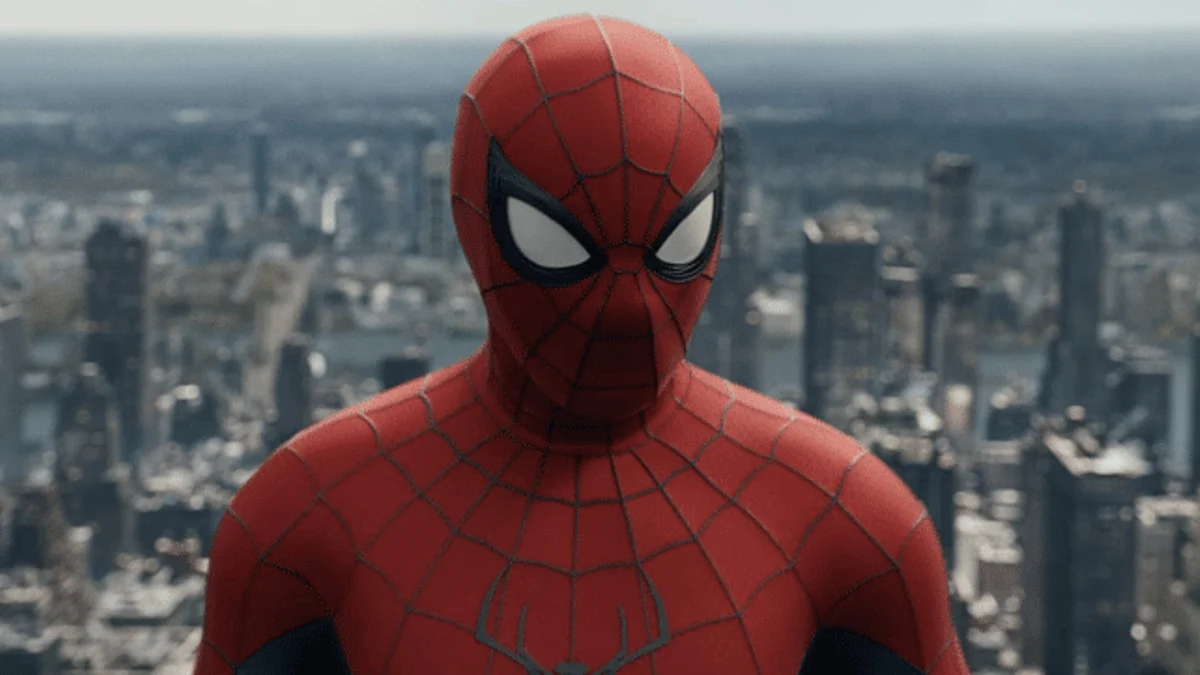
Main Facts: A New Chronology for the Multiverse Saga
Marvel Studios is currently navigating the most high-stakes period in its cinematic history. As the "Multiverse Saga" approaches its crescendo, the studio has shifted its strategy from a high-volume output of Disney+ series and disparate film entries toward a concentrated sequence of "event" movies. Central to this strategy is the shifting relationship between the fourth solo Spider-Man outing, titled Spider-Man: Brand New Day, and the upcoming fifth Avengers ensemble, Avengers: Doomsday.
In a move that has sent shockwaves through the Marvel Cinematic Universe (MCU) fandom, Marvel Studios President Kevin Feige recently confirmed a pivotal detail regarding the franchise’s internal timeline: Spider-Man: Brand New Day is set chronologically before the events of Avengers: Doomsday.
This confirmation provides a definitive answer to months of speculation. Originally, industry analysts and fans assumed that Peter Parker’s next solo adventure would serve as a "breather" or a standalone narrative bridge between Avengers: Doomsday and the saga-ending Avengers: Secret Wars. However, by placing Brand New Day first, Marvel has signaled that Spider-Man’s personal journey is not merely a detour, but a foundational setup for the arrival of Doctor Doom (portrayed by Robert Downey Jr.).
The current release schedule places Spider-Man: Brand New Day in theaters on July 31st, followed by Avengers: Doomsday on December 18th. This tight window suggests a serialized narrative flow rarely seen outside of the Infinity War and Endgame era.
Chronology: From No Way Home to the Dawn of Doomsday
To understand the weight of this timeline confirmation, one must look at the trajectory of Peter Parker since the conclusion of Spider-Man: No Way Home (2021). That film ended with the world forgetting Peter Parker’s identity, leaving him in a self-made suit, living in a cramped Manhattan apartment, and operating as a truly "friendly neighborhood" hero.
The initial roadmap for the Multiverse Saga was frequently disrupted by external factors, including global strikes and internal creative pivots. For a long period, the "Spider-Man 4" project remained a nebulous concept. When it was finally crystallized as Brand New Day, the question of its placement became a matter of narrative logic. If the movie took place after Doomsday, it would likely deal with the fallout of a multiversal war. By placing it before, Marvel ensures that we see Peter Parker at his most vulnerable and isolated before he is thrust back into the global—and universal—spotlight.
The chronological sequence now looks like this:
- The Street-Level Struggle: Spider-Man: Brand New Day (July) – Peter navigates his new status quo, potentially dealing with grounded threats or the introduction of the symbiote.
- The Multiversal Catalyst: The ending/post-credits of Brand New Day – Rumored to directly lead into the arrival of Victor Von Doom.
- The Global Crisis: Avengers: Doomsday (December) – The heroes of Earth-616 (and beyond) unite to face a threat that surpasses Thanos in complexity.
- The Grand Finale: Avengers: Secret Wars – The ultimate resolution of the Multiverse Saga.
This timeline shift is not merely about release dates; it is about the "connective tissue" of the MCU. By ensuring Spider-Man’s story concludes just as Doom’s begins, Marvel maximizes the emotional impact of Peter Parker seeing a man who wears the face of his late mentor, Tony Stark.
Supporting Data: Production Logistics and the "Symbiote" Variable
The decision to position Spider-Man: Brand New Day as a precursor to Doomsday is supported by several logistical and narrative data points.

The Holland Schedule
One of the primary reasons for the shifting dates was the crowded schedule of lead actor Tom Holland. Throughout the production windows for these major blockbusters, Holland was also committed to filming Christopher Nolan’s secretive new project, The Odyssey. Managing the production of a solo Spider-Man film alongside an Avengers epic required a Herculean effort from Sony and Marvel Studios. The data suggests that by filming Brand New Day first, the studios could lock in Holland’s character arc before integrating him into the massive ensemble of Doomsday.
The Roster Discrepancy
When Marvel Studios initially unveiled the confirmed cast for Avengers: Doomsday, Spider-Man’s name was notably absent. The list included heavy hitters like Chris Hemsworth (Thor), Chris Evans (potentially as Captain America or a variant), and members of the Fantastic Four and X-Men. The absence of Marvel’s most profitable character was viewed by many as a tactical omission. If Brand New Day ends with a major status-quo shift—such as Peter joining the Avengers again or being "found" by a multiversal traveler—his appearance in Doomsday becomes a "surprise" payoff for the summer audience.
The Symbiote Theory
Evidence from the Brand New Day trailer has fueled intense speculation regarding the "Black Suit." A specific frame showing Peter’s eyes turning black has been cross-referenced by fans with the classic Marvel Comics "Secret Wars" (1984) storyline, where Peter first acquires the alien symbiote. If Brand New Day introduces the symbiote, Peter would enter Avengers: Doomsday with increased power but compromised morality—a perfect dramatic foil for the high-stakes conflict against Doctor Doom.
Official Responses: Kevin Feige and Tom Holland Speak
The clarity regarding the timeline comes directly from the top. In an interview with Collider, Kevin Feige was uncharacteristically blunt when asked about the sequence of events.
"It takes place before," Feige stated, referring to Brand New Day’s position relative to Doomsday. When pressed on whether the film ends "immediately" before the Avengers sequel, Feige maintained a disciplined stance: "No, it’s before."
This brevity is a hallmark of Feige’s "spoiler-protection" mode. By refusing to specify the gap of time between the two films, he leaves the door open for Brand New Day to end on a cliffhanger.
Tom Holland has been slightly more evocative in his commentary. During the Disney+ documentary Generations: The Evolution of Spider-Man, Holland discussed the implications of the title Brand New Day. He clarified that the title is not a description of Peter’s starting point in the film.
"It isn’t the beginning," Holland revealed. "It’s the last frame of this movie."
This suggests that the "Brand New Day" represents a hard reset or a significant transformation that only occurs at the very end of the solo film. If that "last frame" involves Peter Parker looking up to see a multiversal rift or the face of Victor Von Doom, it would seamlessly bridge the gap to the December release.

Implications: The Strategic Importance of Spider-Man
The implications of this timeline confirmation are vast, affecting both the narrative structure of the MCU and the corporate synergy between Sony Pictures and Disney’s Marvel Studios.
1. The "Tony Stark" Emotional Core
The most significant narrative implication involves the return of Robert Downey Jr. to the MCU. Because Peter Parker’s entire MCU arc was defined by his relationship with Tony Stark, the encounter between Peter and Doctor Doom is the most anticipated interaction in Doomsday. By placing Brand New Day before Doomsday, Marvel allows Peter to find his footing as an independent hero before shattering that newfound stability with the appearance of a villain who looks exactly like his father figure.
2. The Marketing Synergy
From a business perspective, the July-to-December pipeline is a masterclass in "event" marketing. Brand New Day will dominate the summer box office, and its ending—now confirmed to be a lead-in—will serve as a multi-month advertisement for Avengers: Doomsday. This ensures that the momentum from the Spider-Man franchise directly feeds into the broader MCU, a necessity after some of the studio’s more tepid recent performances.
3. The Street-Level vs. Multiversal Balance
There has been a persistent tension in the MCU between "street-level" stories (like Daredevil: Born Again) and "multiversal" stories. Brand New Day was rumored to be a grounded, New York-based story. However, with its placement confirmed as a lead-in to Doomsday, the film must now strike a delicate balance. It must satisfy the desire for a classic Spider-Man story while providing the "on-ramp" to the cosmic stakes of the Avengers.
4. The Post-Credits Connection
Insiders have suggested that Brand New Day will feature a singular, high-impact post-credits scene. Unlike previous films that used these scenes for world-building or jokes, this sequence is reportedly designed as a "cold open" for Doomsday. By confirming the timeline, Feige has essentially confirmed that whatever happens to Peter in July will be the catalyst for what happens to the world in December.
Conclusion
The confirmation that Spider-Man: Brand New Day precedes Avengers: Doomsday is more than a trivial update to the MCU wiki; it is a roadmap for the franchise’s survival. By centering the start of the final Multiversal act on Peter Parker, Marvel Studios is returning to its most reliable emotional engine.
As July 31st approaches, the focus remains on that "last frame" Tom Holland teased. Whether it reveals a symbiote-clad hero, a world-ending threat, or a shocking reunion, one thing is certain: the road to Doomsday runs directly through Peter Parker’s front door. The friendly neighborhood Spider-Man is about to become the most important player in the multiverse once again.