
The Writer’s Crucible: Navigating Burnout in the Algorithmic Age
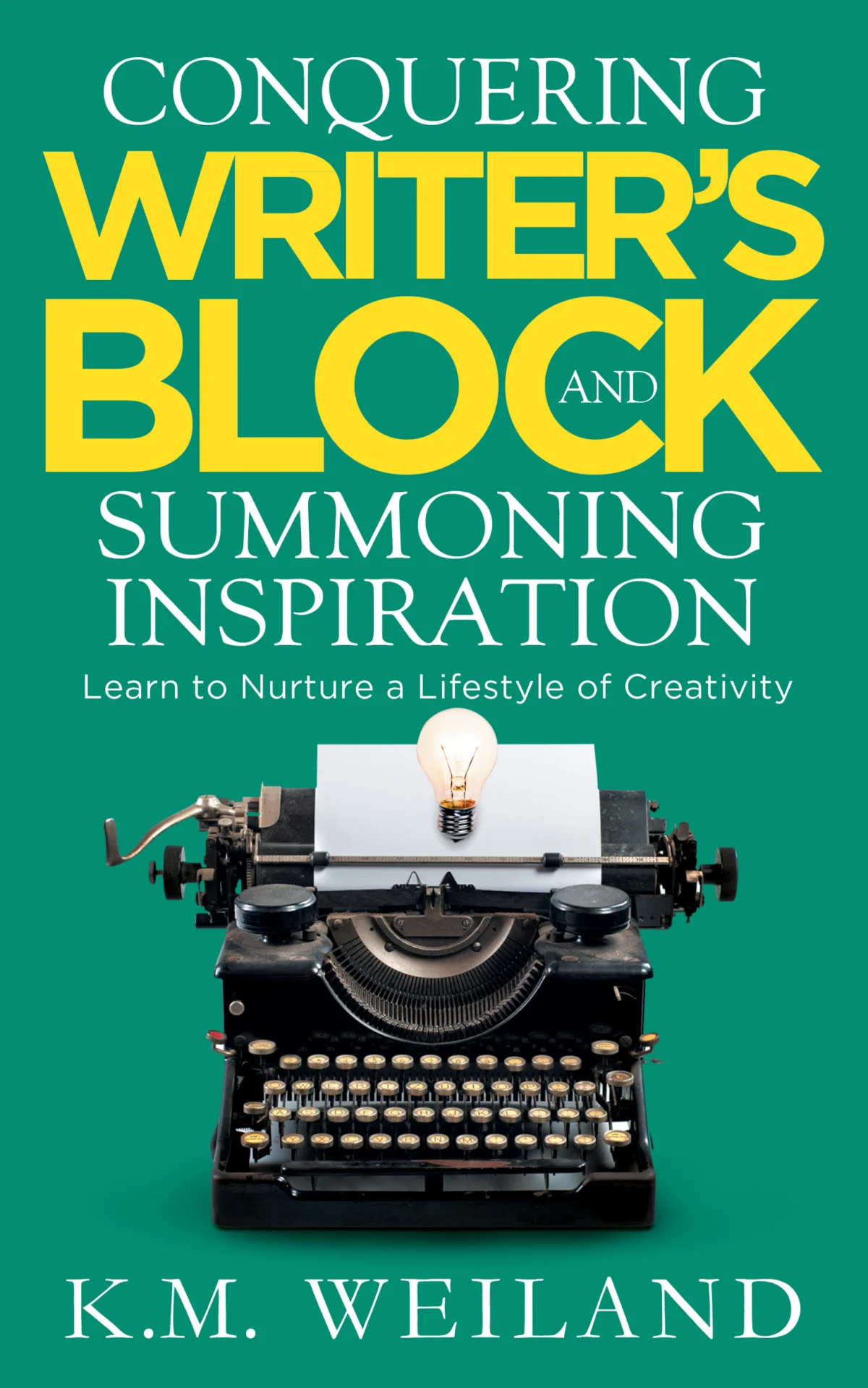
The modern writing landscape, once a sanctuary for quiet contemplation and creative immersion, is increasingly becoming a pressure cooker. Across the literary sphere, a pervasive sense of burnout is palpable, extending beyond mere exhaustion from diligent effort. This article delves into the multifaceted causes of this creative fatigue, exploring how the very conditions of contemporary authorship are exacting an unprecedented emotional toll.
The Silent Epidemic: Burnout’s Grip on the Creative Soul
A recent survey and ongoing observations within the writing community reveal a concerning trend: a growing number of authors are grappling with burnout, a phenomenon that transcends simple overwork. While personal struggles and individual habits certainly play a role, a significant portion of this strain stems from the systemic pressures and evolving demands of the creative industry itself. The question "Is it really possible to burn out on writing?" elicits a qualified "yes," but the reality is more nuanced. Most writers experiencing this fatigue are not burning out from the act of storytelling itself, but rather from the overwhelming "everything else" that has become inextricably linked to the writing life.
The digital age has transformed the creative landscape into a cacophony of information, content, and subtle directives. The sheer volume of craft resources, the constant influx of new material, and the implicit messaging about staying "relevant" can make the act of writing feel less like an organic process and more like a forced endeavor. This article will dissect five key drivers behind this pervasive burnout, offering insights into how writers can navigate these challenges with greater resilience and reclaim their creative joy.
The Algorithmic Treadmill: Content Creation vs. Storytelling
The Insatiable Algorithm and the Oversaturated Market
A primary culprit identified by many writers is the relentless demand for content, driven by an insatiable algorithm. The contemporary market feels overwhelmingly saturated, a dizzying expanse where the sense of "everything has already been said" is a common refrain. This perception is amplified by algorithmic systems that, seemingly, require constant output. This manifests in various ways: the emphasis on series over standalone novels, the pressure to produce multiple books annually, and the imperative to maintain a consistent presence on social media platforms, often daily.
This dynamic creates a peculiar paradox. On one hand, authors today possess more agency and potential for commercial success than ever before. Mastering the intricacies of the digital marketplace can indeed lead to a financially viable and visible career. However, the downside is equally significant. This perpetual pressure to create can sever the connection to the organic rhythms of the creative process.
J. Kevin Tumlinson, a seasoned author who transitioned from self-publishing to traditional models, shared his experience with Writer’s Digest (Nov./Dec. 2025): "The one thing about my writing career that I never saw coming was burnout. I made my bones in the business by using what we call the ‘rapid release model.’ I have always been a fast writer and good at it. I was writing a book a month at one point… But what I didn’t realize was that all that speed and the constant press of production was coming at a cost. I didn’t take anything resembling an actual vacation for 20 years. I kept pressing and pushing. And when the burnout finally happened I never saw it coming. So, I wish I’d known that it’s OK to take a break, even from this thing I love."
Navigating the Content Conundrum:
The challenge for many writers, particularly those whose livelihoods depend on their craft, is finding a sustainable solution. Recognizing the inherent tension between the current marketing model and the act of creation is a crucial first step. It’s essential to understand that feeling overwhelmed by these demands is not a personal failing. Instead, it highlights the importance of self-inquiry. Writers must make personal decisions about where, how, and if they are willing to compromise their creative rhythms to engage with the prevailing market dynamics.
There is no single "right" answer. The world undoubtedly benefits from authors who tirelessly work to bring their stories to a broad audience. However, a world where writers fail to establish boundaries to protect their creative energy from these demands is equally diminished. The key lies in finding a personal equilibrium that honors both the artistic impulse and the practical realities of a publishing career.
The Shadow of Scarcity: Community Pressures and Fear-Baiting
Internal Community Stressors and External Anxiety
Beyond the market’s demands, a growing sense of pressure emanates from within the writing community itself. This is partly a consequence of the aforementioned marketing pressures but also reflects a broader societal anxiety and palpable tension. The writing world is currently navigating a minefield of issues: censorship concerns, heated debates surrounding AI ethics, and the lingering unease from high-profile copyright infringement lawsuits.
A casual scroll through social media platforms or an inbox often reveals a proliferation of content from writing figures that feeds into a general sense of fear. Titles and subject lines frequently highlight what’s "wrong" with the industry or imply dire necessities for authors to "keep up." While acknowledging the irony of discussing fear-baiting within an article addressing burnout, it’s crucial to recognize its prevalence.
Creativity as an Abundant Act:

Storytelling, at its core, is an act of abundance. Creators draw from the vast reservoir of their own being to bring something new into existence. Yet, in the often-frenetic environment of social media, it can feel as though writers must constrict and retreat to shield this inherent gift from a perceived pervasive scarcity mentality. However, the fundamental truth is that creativity is the antithesis of scarcity.
Cultivating an Abundant Mindset:
The acts of writing, publishing, and marketing are inherently vulnerable. The internal pressures writers face can often be as formidable as external ones. The desire for success, whether it’s completing a manuscript or achieving bestseller status, can create such intense pressure that writers fear the "writing pie" is finite, with all opportunities already claimed. This fear can lead to a perception that other writers are competitors rather than collaborators.
While acknowledging that human nature and community dynamics are complex, it’s worth reiterating that in the realm of writing, one author’s success can, in many ways, contribute to the success of all. The proliferation of compelling stories enriches the collective experience, provided that authors maintain open hearts and clear minds. The pervasive notion of scarcity is often fueled by the underlying burnout of believing that continuous creation beyond one’s limits is the sole path to success. As this pressure intensifies, all other perceived pressures are amplified.
The Elusive Spark: Originality in a Rapidly Evolving Landscape
The Challenge of Novelty in a Content Deluge
The notion that originality is inherently limited is a misconception. However, at this particular juncture in history, the very forms through which we express originality can feel somewhat strained. Tropes appear overused, and ideas can seem less novel or more self-aware and self-referential than in previous eras. The algorithmic drive for novelty, coupled with the sheer volume and rapid turnover of content, means individuals have encountered more stories in recent years than ever before.
This leads to a critical observation: creative burnout may stem not only from the demand for output but also from the overwhelming nature of input. For some writers, accessing a fresh creative spark can feel increasingly difficult. A significant root of writing burnout, it is argued, lies in fear. Writing is an inherently vulnerable and, therefore, brave act. The internal protector, often morphing into an inner critic, constantly seeks justifications to shield individuals from their own originality.
Reconnecting with the Feeling of Originality:
Much of modern writing culture places an inordinate emphasis on intellect. However, creativity and originality do not originate in the mind. If a writer feels unoriginal, or anxious about the perceived ubiquity of existing stories, it may be because they are searching for originality in the intellectual sphere.
Originality, it is posited, is not an idea; it is a feeling. Consider a beloved book or film. While similar titles may exist, what sets it apart is often an ineffable quality, a certain je ne sais quoi. This quality, in the finest stories, resonates with truth and communicates a deep, rich, and resonant experience. This is not originality in an intellectual sense. It is the "it" factor, the secret sauce that elevates a narrative. This kind of originality arises from the depth of one’s being, from internal alignment, and from the courage to speak one’s truth. The world is not experiencing an oversaturation of such stories, nor is it possible for it to do so.
Disconnection from the Body and Natural Rhythms
The Embodied Nature of Creativity and the Paralysis of Stress
The raw power of creativity is fundamentally experiential. It originates in the body, the nervous system, and the subconscious, before being channeled through the mind as symbols and ideas. The intellect then shapes these elements, utilizing pattern recognition and logical abilities. The antithesis of this experience is stress, which also resides in the body, nervous system, and subconscious, often occupying significant space unless actively released. Anxiety, on the other hand, is a mental state that traps individuals in a loop of rumination, hindering access to the generative creativity that can serve as an antidote to stress.
The author’s personal journey with burnout has been a decade-long ebb and flow, viewed less as a mental block and more as a physiological wound. While significant progress in healing has been made, it is acknowledged as an ongoing process requiring constant attention and intention. The hope for complete recovery exists, but realistically, barring a radical lifestyle change, it is expected to be a continuous practice of carving out space amidst the noise and pressures of modern life.
Storytelling as a Process, Not a Commodity:

When the creation of stories is treated as a commodity rather than a process, burnout becomes an almost inevitable outcome. Conversely, honoring the process—the natural cycles and rhythms of vibrant creativity—can transform it into a healing force. Storytelling is multifaceted, and crucially, it serves as a powerful modality for healing. This is due, in part, to its archetypal capacity to engage the deep subconscious. Storytelling, in all its forms, is a meditative act. At its most profound, it fosters a flow state. It also provides an organizing structure that brings order to both the self and the world, even when not consciously intended.
Modern humans often find themselves disconnected from their natural states, to the point where the concept of internal rhythm and wisdom seems alien. However, as storytellers, most possess an innate understanding of these concepts. Even if this connection has been dormant, recalling the natural creative state of childhood often reveals a more intuitive grasp than one might currently realize.
A Profound Shift in Meaning-Making
The Shatterpoint of Collective Worldview
Finally, it is crucial to acknowledge a subtle yet profound shift in our collective worldview. We appear to be at a critical juncture in our relationship with meaning, perhaps a turning point in evolving beyond the deconstructive tendencies of postmodernism into something new. Currently, art and philosophy often prioritize intellectual knowledge and information above all else.
For an extended period, humanity has existed within a "known" paradigm, meticulously filling in the blanks with ever-increasing detail. However, context, when overused, can devolve into mere text, obliterating subtext. The paradox of an "all-knowing" world is its tendency toward nihilism. When this bubble bursts, the sheer vastness of the unknown can feel like nothingness. The irony is that a lack of context can hinder meaning-making. Yet, this vast unknown is not nothingness; it is mystery. And from mystery, mythos emerges. From mythos, story is born.
Writers on the Fault Line of Change:
Writers today stand at the fault line of this transformative period. The world is undergoing rapid and real-time change, a destabilizing, disorienting, and overwhelmingly stressful phenomenon. Many narratives that once resonated deeply no longer carry the same weight. This is not solely due to a lack of originality or an oversaturated market, although these factors contribute. For many, the current burnout is not merely a creative issue.
There is a sense that humanity is approaching the limits of its overdeveloped reliance on analysis, knowledge, and information. We are nearing a threshold where meaning, rather than mere information, will once again take precedence. The fortunate aspect of this shift is that creatives, by their very nature, are uniquely equipped to navigate this evolving landscape. It could be argued they were "born for it."
Embracing Courage and Adaptation:
In conclusion, writers are facing an extraordinary confluence of challenges. The widespread experience of burnout is, therefore, understandable. It is vital to acknowledge this reality and, equally importantly, to recognize the immense courage of creatives who continue to show up in their work, especially when contending with burnout. Storytelling is one of humanity’s most generative acts, a gift offered to oneself and to the world, regardless of publication status. The profound beauty and importance of this act should never be underestimated. It is a gift that demands nurturing with devotion and joy, protection through healthy boundaries, and recognition for its inherent healing power.
The writing world has transformed dramatically in the last two decades, and those who have been part of it for longer periods have also evolved. This change is inherently neutral, neither good nor bad, but it unequivocally necessitates adaptation. Addressing burnout involves acknowledging what is no longer effective, both on a personal and collective level, and committing to ongoing adaptation and change.
For writers experiencing resistance—a sense that writing feels heavier or less accessible than before—it’s crucial to understand that this is a shared experience and not an indication of personal failing. Rather, this resistance can signal deeper truths within the creative process. The journey toward reclaiming creativity should be sustainable, intuitive, and aligned with one’s natural rhythms.
The creative landscape is shifting, and the writers navigating it are on the front lines of this evolution. By understanding the multifaceted pressures at play and by cultivating resilience, courage, and a commitment to personal well-being, authors can not only survive but thrive in this dynamic new era of storytelling.



Leave a Comment