
Mortal Kombat 2: A Grisly Ranking of Fatalities as the Franchise Escalates Its Gore
Published: May 8, 2026, 8:00 AM EDT
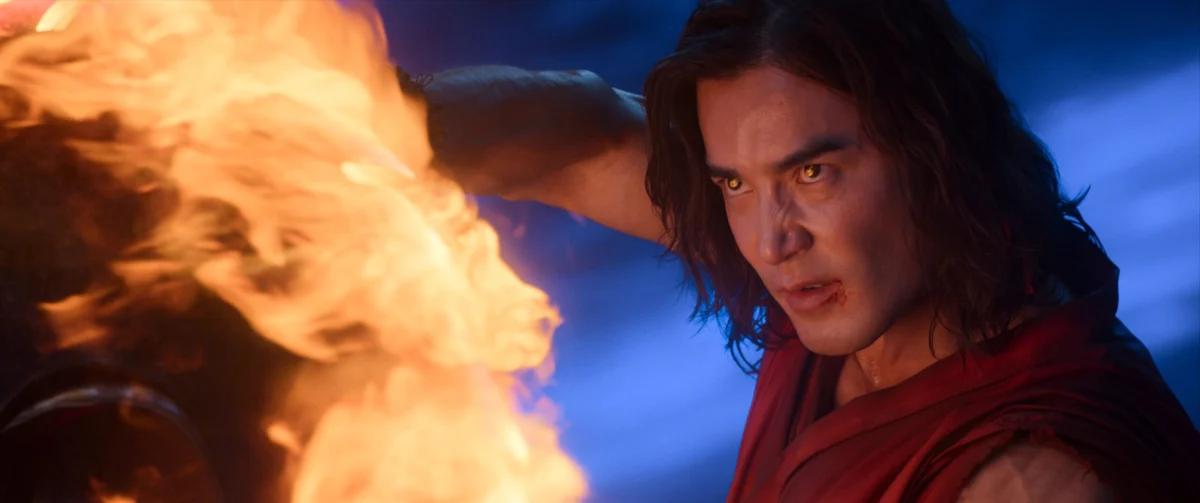
The visceral, often brutal, world of Mortal Kombat has always been defined by its signature finishing moves, the aptly named Fatalities. These are not mere executions; they are grand, often gruesome spectacles designed to punctuate a hard-fought victory with a display of over-the-top violence that has become synonymous with the franchise. Following the relative restraint of its 2021 predecessor, Mortal Kombat 2, released in 2026, promised a return to the unadulterated, R-rated carnage that fans have come to expect. And for the most part, it delivers.
This latest installment in the cinematic adaptation of the iconic fighting game series plunges headfirst into the lore of Outworld and Earthrealm, culminating in a tournament that will determine the fate of worlds. While the narrative weaves a complex tapestry of ancient rivalries, magical powers, and personal vendettas, it is the Fatalities that truly underscore the high stakes. Director Simon McQuoid and his team have leaned into the franchise’s heritage, delivering a slate of eight distinct finishing moves. However, as with any deep dive into the macabre, not all acts of violence are created equal. This analysis will dissect each of Mortal Kombat 2‘s Fatalities, ranking them from the least impactful to the truly spectacular, a testament to the film’s commitment to its gory roots.
The Stakes of the Tournament: A World on the Brink
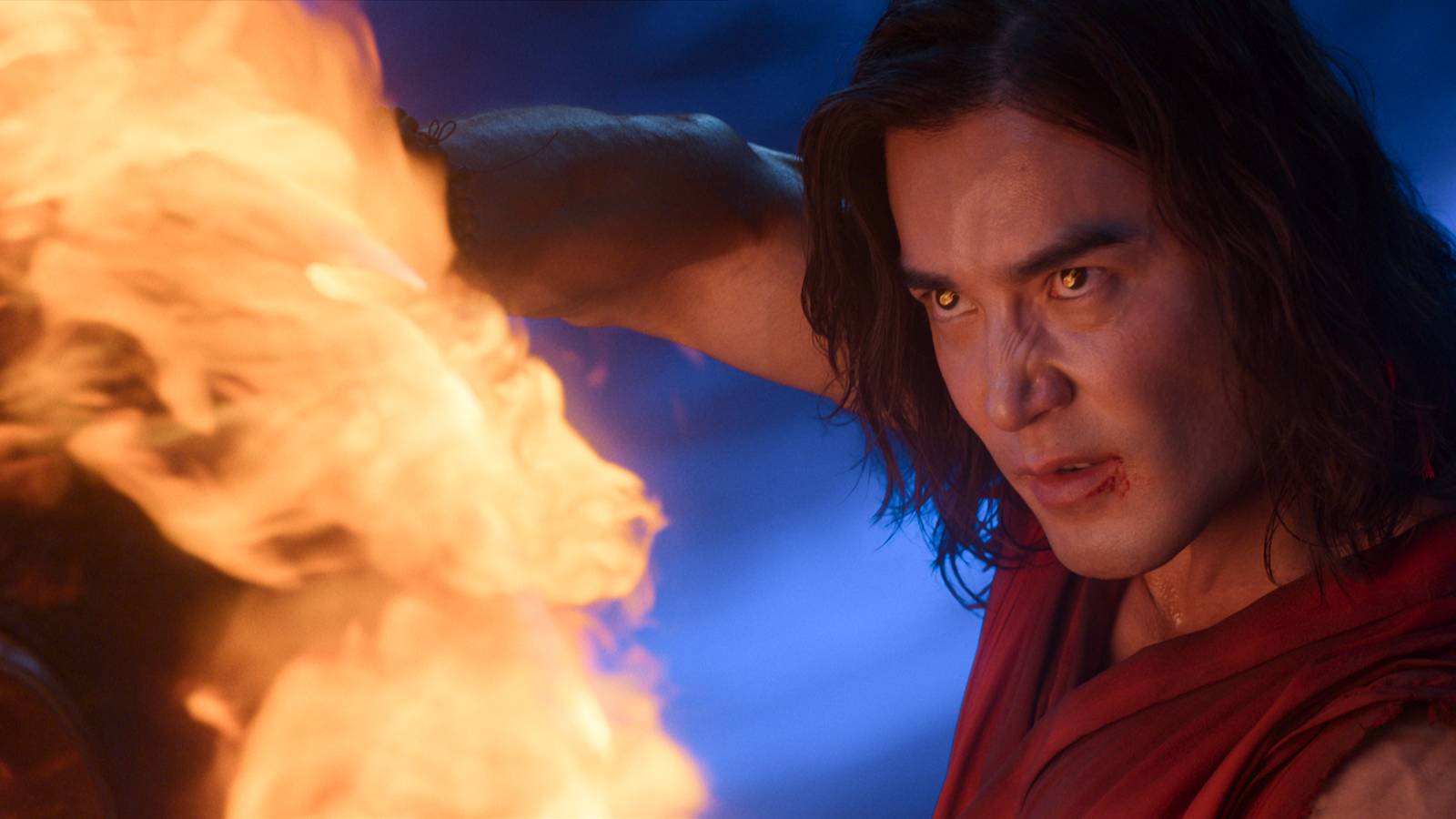
The narrative of Mortal Kombat 2 builds upon the foundation laid in the first film, further establishing the ancient conflict between Earthrealm and Outworld. The tournament, a sacred ritual designed to prevent outright war, serves as the crucible where warriors from disparate realms clash for ultimate supremacy. The stakes have never been higher, with the potential subjugation of Earthrealm hanging precariously in the balance. This dire situation necessitates a level of brutality that transcends mere combat; it demands finality.
The Mortal Kombat games have always been a lightning rod for controversy, sparking congressional hearings in the 1990s due to their unflinching depiction of violence. This controversy, however, ultimately led to the establishment of the video game ratings system, a testament to the genre’s growing influence. The 2021 film, while introducing the core characters and their motivations, was criticized by some for its perceived leniency in the gore department. Mortal Kombat 2 rectifies this oversight, embracing the full spectrum of its R-rating to deliver a cinematic experience that is both faithful to its source material and viscerally engaging.
A Chronology of Carnage: Ranking the Fatalities
The following ranking is based on a critical assessment of each Fatality’s creativity, impact, and overall "Sicko" factor – a metric that encapsulates the sheer audacity and gruesome satisfaction of a well-executed finishing move. It’s important to note that the film itself is rated R for strong bloody violence and language, and this analysis will reflect the graphic nature of these sequences.

8. King Jerrod Gets the Wrong End of the Hammer
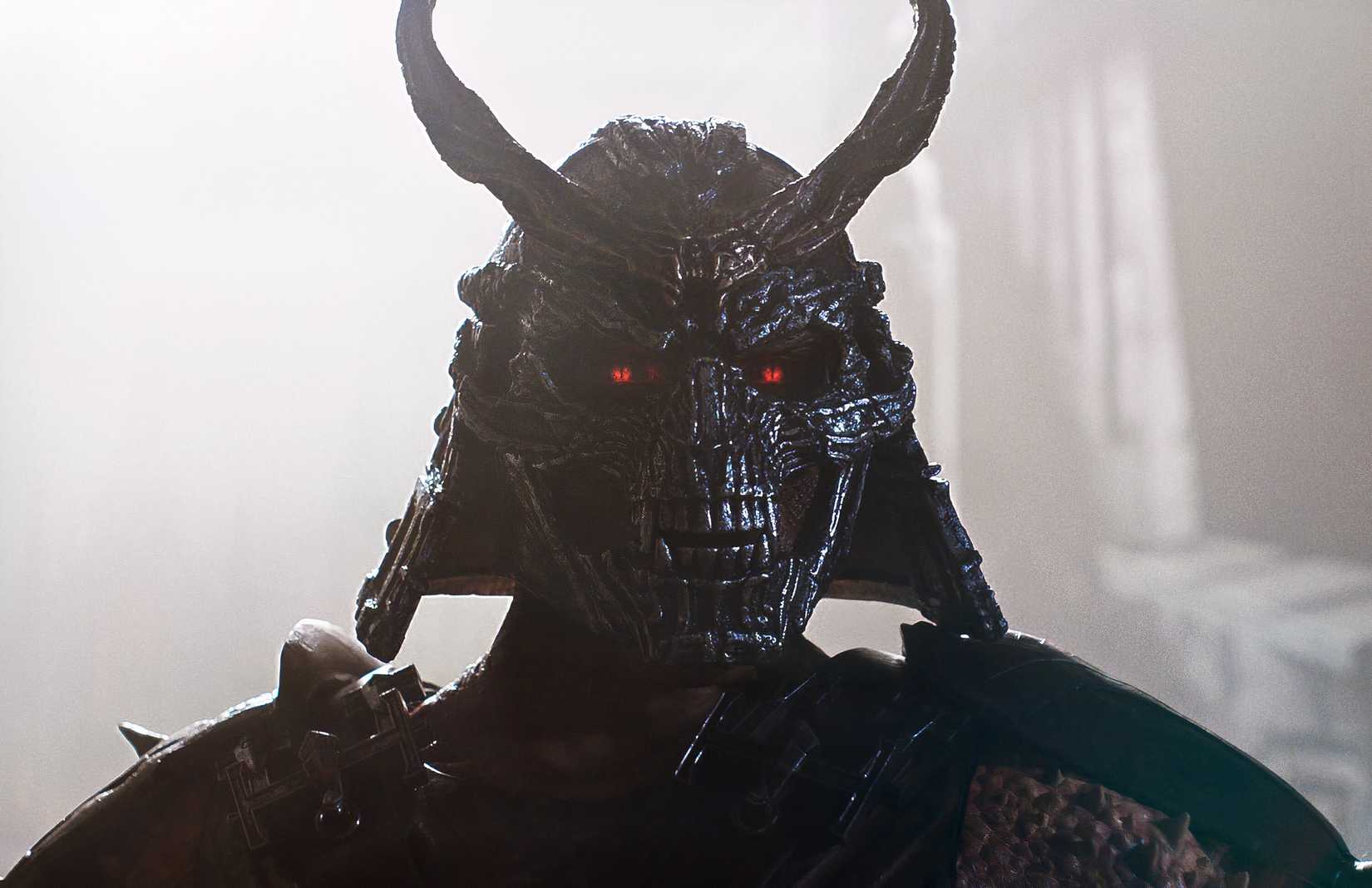
The tragic tale of Edenia’s downfall and the rise of Shao Kahn serves as a foundational element of the Mortal Kombat lore. King Jerrod, the noble ruler of Edenia, finds himself facing the tyrannical Shao Kahn, a being of immense power and brutal ambition. Their confrontation, a prelude to the broader conflict, is decided by Shao Kahn’s overwhelming strength.
Shao Kahn’s Fatality against King Jerrod, while significant narratively, falls short in its execution. The scene depicts Shao Kahn driving the spiked handle of his formidable hammer through Jerrod’s chest. While undeniably fatal, this method feels somewhat pedestrian for a character of Shao Kahn’s stature and the importance of the moment. It lacks the inventive flair that fans expect from a Mortal Kombat Fatality. The narrative weight of Jerrod’s death, which sets in motion the tragic backstory of Kitana, is undeniable, but the visual impact of the Fatality itself is underwhelming, making it the least impressive in the film’s roster.
7. Liu Kang Shuffles Off the Mortal Kombat Coil
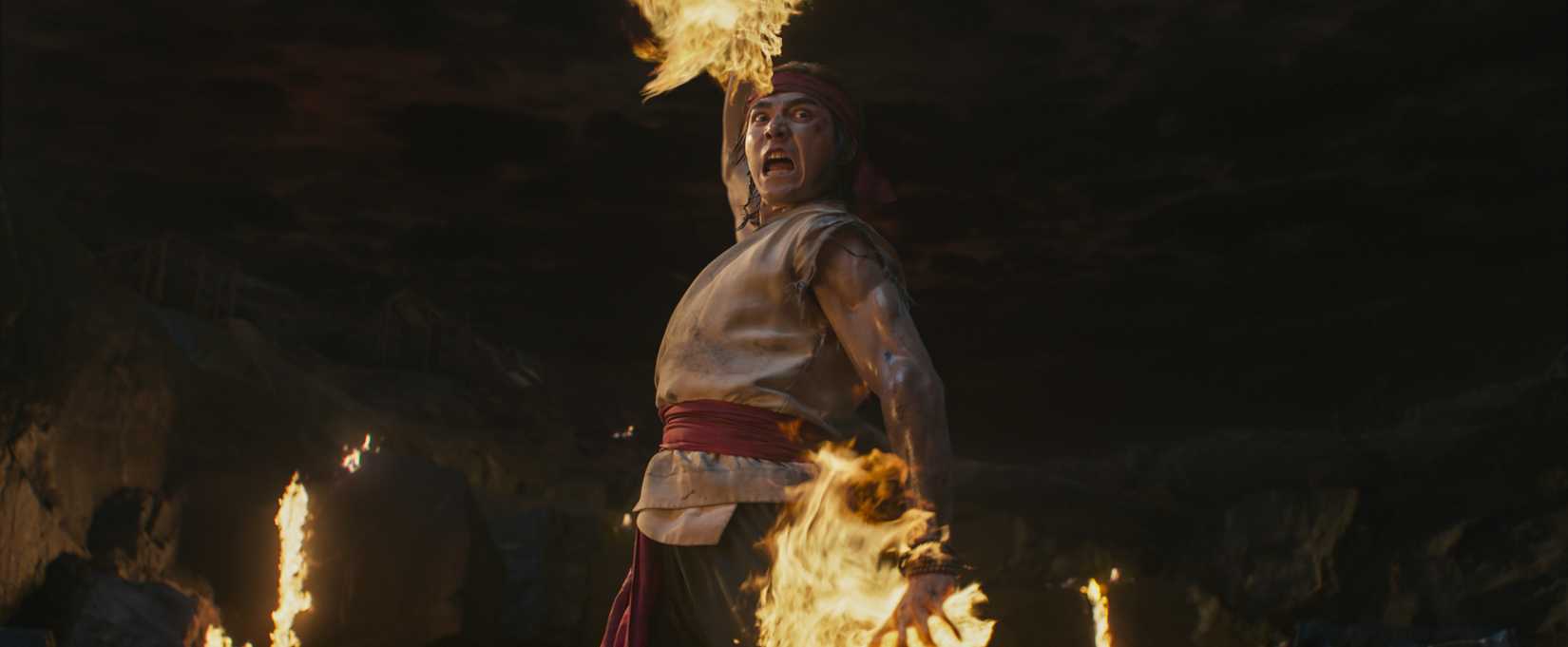
Liu Kang, often heralded as Earthrealm’s greatest fighter, meets a grim fate at the hands of Shao Kahn in Mortal Kombat 2. This particular Fatality, again involving Shao Kahn’s hammer-handle, sees the emperor impale Liu Kang.
What elevates this Fatality slightly above King Jerrod’s is Liu Kang’s surprisingly stoic reaction. He accepts his apparent demise, using the moment to re-evaluate his true purpose: venturing into the Netherrealm to resurrect his friend, Kung Lao. While this narrative turn is compelling, it doesn’t entirely compensate for the repetitive nature of the Fatality. The film’s writer, Jeremy Slater, may have intended a more understated end for one of the franchise’s most heroic figures. However, in the context of Mortal Kombat, even virtuous characters deserve a Fatality that truly resonates with the franchise’s ethos of extreme violence. This Fatality, while thematically relevant, fails to deliver the requisite shock and awe.
6. Jax Learns the Hard Way
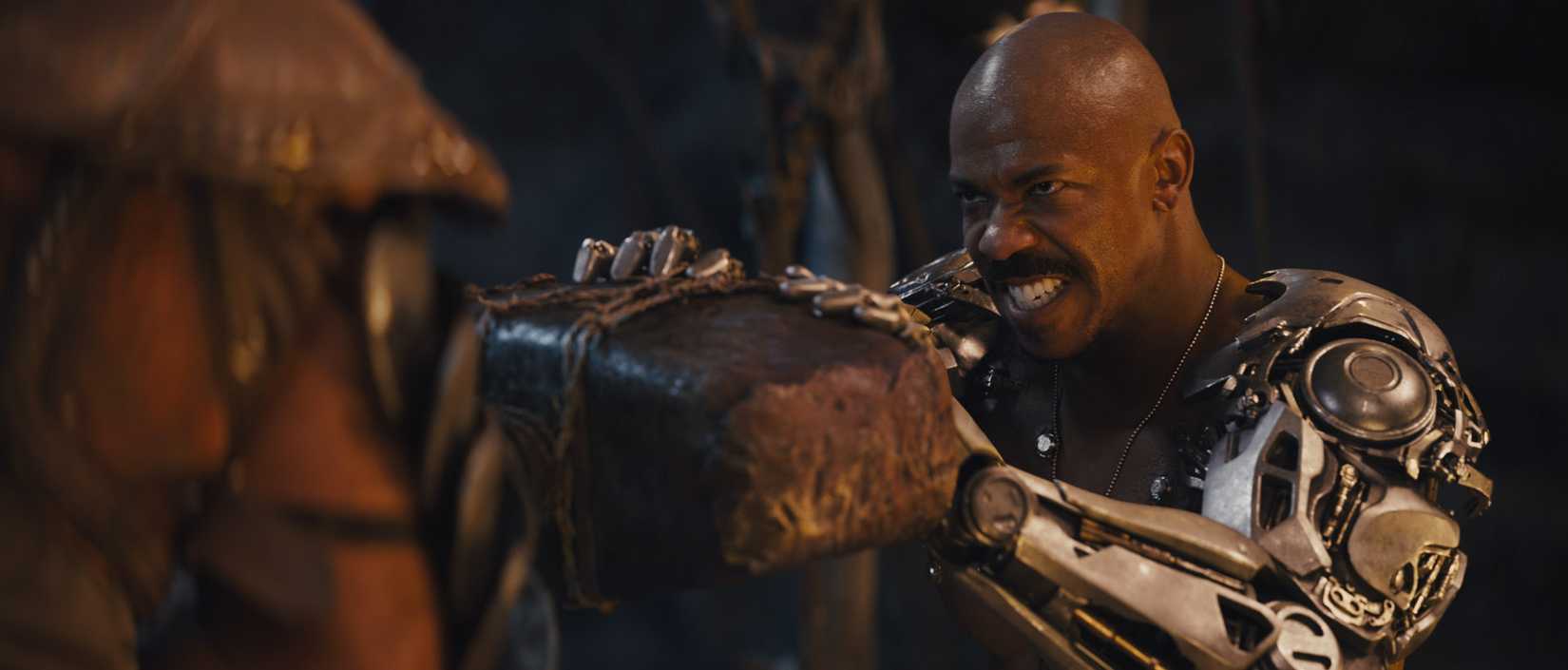
Shao Kahn’s dominance continues as he dispatches Jax, a formidable warrior known for his cybernetic enhancements, with another instance of his signature hammer-handle impalement. This Fatality underscores Shao Kahn’s seemingly insurmountable power and his ability to overcome even technologically augmented opponents.
The narrative justification for Shao Kahn’s near-invincibility is established, hinting at an almost supernatural healing factor. However, the repetition of the hammer-handle impalement, even against a character as physically imposing as Jax, begins to feel formulaic. The author’s frustration with Shao Kahn’s lack of enthusiasm for his own gruesome acts is palpable. For a character who embodies the ultimate threat to Earthrealm, his methods lack the inventive sadism that defines the best Fatalities. One can’t help but wish Shao Kahn would embrace the true spirit of Mortal Kombat and, as the author humorously suggests, rip out a spinal column and wear it as a necklace.
5. Sonya Blade Lets the Arena Do the Dirty Work
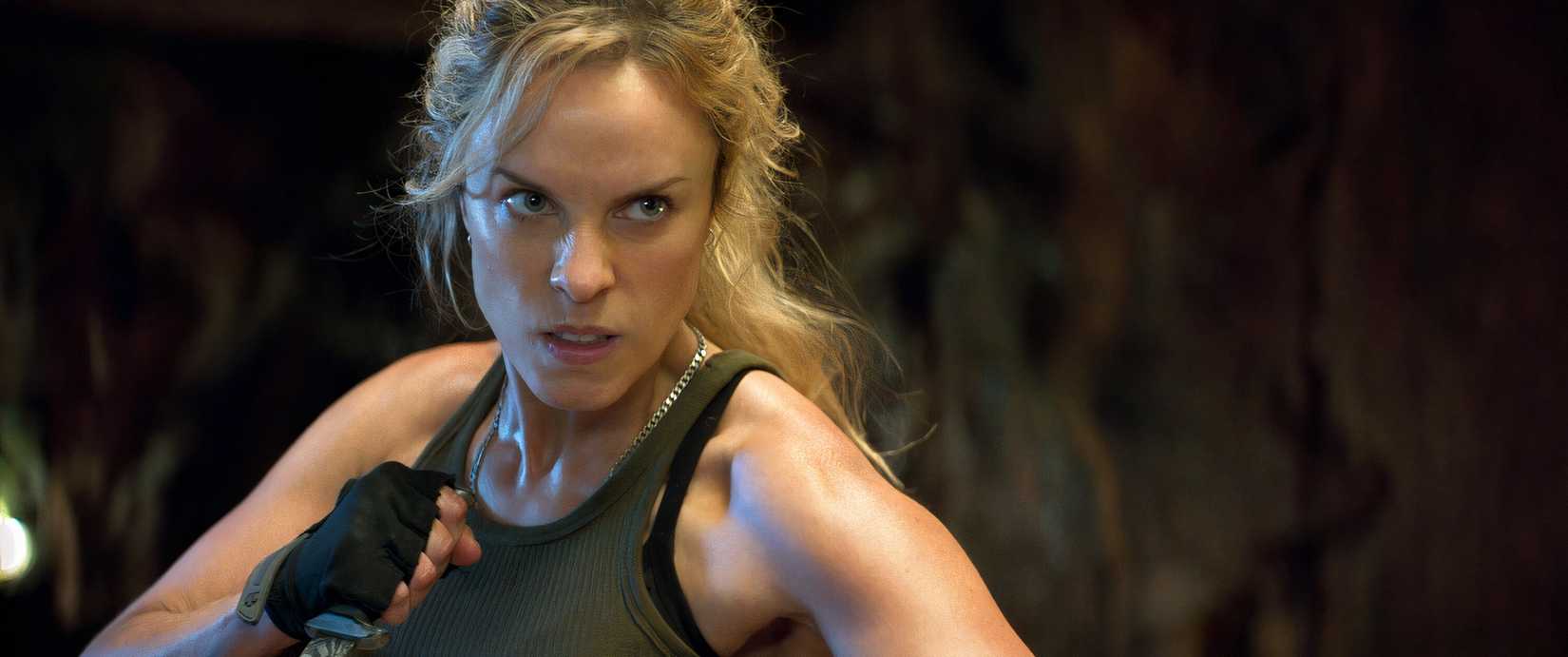
Queen Sindel’s tragic arc is a cornerstone of Mortal Kombat lore, and her fate in Mortal Kombat 2 is particularly harrowing. Corrupted by Shao Kahn’s dark magic after witnessing her husband’s murder, she enters the tournament as a formidable opponent for Sonya Blade.
This Fatality offers a glimmer of creative redemption for the film’s otherwise repetitive impalement theme. The arena itself becomes an instrument of death, featuring a treacherous landscape of sharp, intermittently emerging spikes. Sonya strategically pins Sindel down, leading to a gruesome impalement through the face. While Sindel is later revived, the sheer brutality of the moment secures this Fatality a higher ranking. It demonstrates a more inventive use of the environment, moving beyond the singular weapon of Shao Kahn and showcasing a more dynamic and unexpected end. The creativity here earns it a spot in the upper echelon of the film’s most memorable deaths.
4. GET OVER HERE!
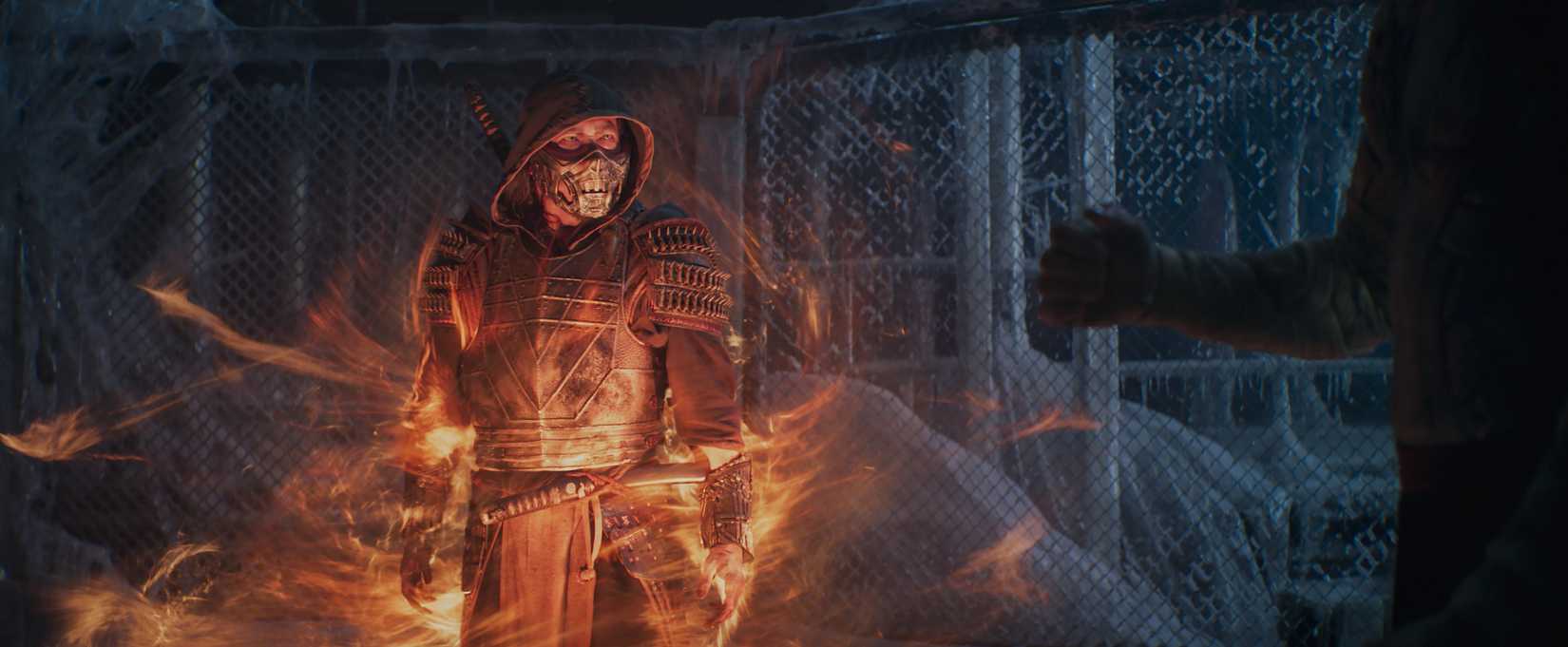
Scorpion’s return to the Netherrealm after his demise in the 2021 film sets the stage for a deeply personal and brutal confrontation with his eternal rival, Sub-Zero. This Fatality is not just a victory for Scorpion; it’s a cathartic release of years of built-up rage and a powerful callback to one of the franchise’s most iconic catchphrases.
The sequence begins with Scorpion utilizing his signature kunai chain, yanking Sub-Zero towards him with the unmistakable declaration, "GET OVER HERE!" The Fatality itself is a clean, yet devastating, vertical slice that bisects Sub-Zero. This move is elevated by the stellar performance of Hiroyuki Sanada, whose portrayal of Scorpion imbues the character with a profound sense of history and simmering intensity. The combination of an iconic catchphrase, a visually striking execution, and a pivotal character rivalry makes this Fatality a standout moment, resonating deeply with long-time fans.
3. Liu Kang Uses His Bestie’s Hat-Blade Against Him
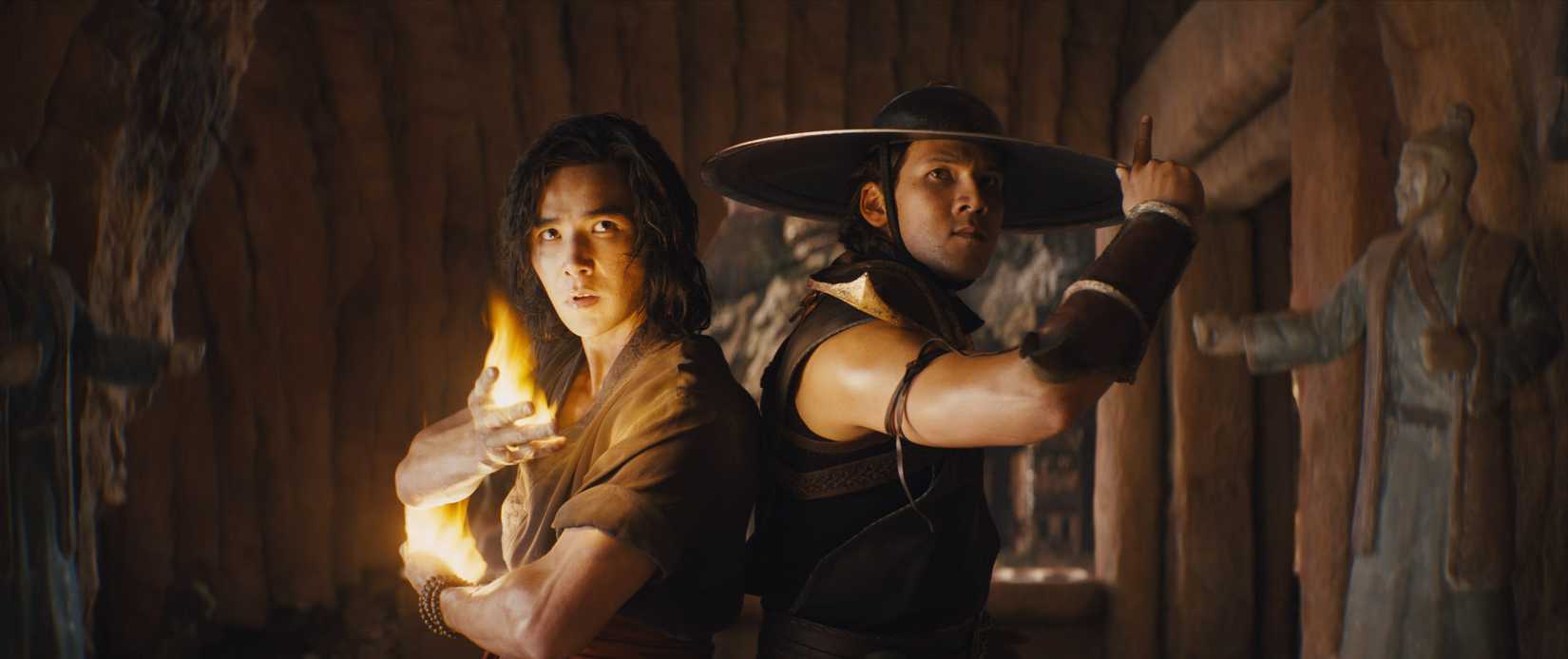
The narrative of Mortal Kombat 2 delves into the tragic resurrection of Kung Lao as a revenant, forcing him to fight against his former allies. This Fatality is a poignant and darkly humorous moment, highlighting the emotional toll of the conflict.
Liu Kang, facing his corrupted friend, initially struggles to deliver a fatal blow. However, as it becomes clear that Kung Lao is beyond redemption, Liu Kang makes a devastating choice. He turns Kung Lao’s own signature weapon, the bladed hat, against him, transforming his former friend into a geyser of blood. The scene is made all the more impactful by Liu Kang’s tearful promises to rescue Kung Lao from the Netherrealm in the future, a stark contrast to the brutal act he is committing. This Fatality offers a unique blend of emotional depth and inventive gore, making it a memorable and surprisingly funny highlight, despite its grim subject matter. The use of a beloved character’s signature weapon in such a destructive manner adds a layer of tragic irony.
2. Shao Kahn Finally Uses a Hammer Properly
Shao Kahn, despite his numerous kills throughout the film, often fails to deliver Fatalities with the flair and creativity one might expect from the Emperor of Outworld. However, his encounter with Cole Young provides a much-needed exception, showcasing a truly brutal and fitting end for the character.
After Cole Young seemingly defeats Shao Kahn, the nearly immortal emperor unleashes a devastating Fatality. He slams his hammer directly into Cole Young’s face, obliterating it with a sickening crunch. The visual of Shao Kahn then dragging Cole’s headless body across the arena floor like a discarded object adds a final, cruel flourish. This Fatality is a masterclass in the "Sicko" stamp of approval. It utilizes Shao Kahn’s iconic weapon in the most direct and horrifying way possible, offering a visually impactful and deeply satisfying conclusion for a character who, while new to the cinematic universe, had become a point of contention for some fans. This move rectifies any perceived lack of brutality associated with Shao Kahn’s earlier kills and provides a powerful moment of closure.
1. Kitana Delivers Fan Service
In a film populated by the carnage inflicted by Shao Kahn, it is fitting that the ultimate Fatality belongs to the character whose life he irrevocably shattered: Kitana. Her Fatality against Shao Kahn is not just a violent act; it is the culmination of years of pain, betrayal, and a deep-seated desire for vengeance.
Following the destruction of the artifact that grants Shao Kahn immortality, Kitana seizes the opportunity for retribution. Employing her signature bladed fans, she unleashes a whirlwind of steel, meticulously slicing Shao Kahn’s head into numerous, thick portions, akin to a deli butcher preparing a slab of ham. This Fatality is a triumph of visual storytelling and fan service. It provides a deeply earned and spectacularly gory end to the film’s primary antagonist, offering a cathartic release for the audience and a powerful moment of empowerment for Kitana. This move not only delivers on the promise of extreme violence but also serves as a fitting conclusion to the film, leaving the door open for new villains in a potential Mortal Kombat 3, who are advised to bring their own hammers.
Supporting Data: The Evolution of Gore in the Mortal Kombat Cinematic Universe
The shift in tone and graphic content between the 2021 Mortal Kombat film and its 2026 sequel is a clear indicator of the franchise’s commitment to satisfying its core fanbase. While the first film introduced the characters and established the overarching narrative, it played it relatively safe in terms of overt violence, opting for a more restrained approach that left some viewers wanting more.
Mortal Kombat 2, by contrast, has demonstrably embraced the franchise’s notorious reputation for extreme violence. The introduction of eight distinct Fatalities, with a clear emphasis on creative and gruesome executions, signals a strategic pivot. This approach is not merely about shock value; it is about honoring the spirit of the source material, which has always been defined by its willingness to push boundaries. The film’s success in delivering these more visceral moments is a testament to the filmmakers’ understanding of what makes Mortal Kombat resonate with its audience.
Official Responses and Industry Implications
The positive reception of Mortal Kombat 2‘s more graphic approach suggests a growing acceptance within the mainstream film industry for R-rated genre films that cater to dedicated fanbases. While Hollywood often grapples with balancing artistic integrity and commercial appeal, the Mortal Kombat franchise has found a formula that successfully caters to both.
The success of Mortal Kombat 2 is likely to encourage further investment in high-octane, adult-oriented action and fantasy films. The film’s ability to generate significant buzz and positive word-of-mouth through its commitment to authentic, game-inspired violence underscores the power of fan service when executed thoughtfully. This could lead to a broader trend of studios being more willing to greenlight projects that prioritize genre fidelity and cater to specific, passionate audiences, even if it means a higher rating.
The Unfolding Future of Mortal Kombat
With the definitive defeat of Shao Kahn, the stage is set for a new era in the Mortal Kombat cinematic universe. The vacancy left by the Emperor of Outworld opens up a wealth of possibilities for future installments. The introduction of new villains, the exploration of deeper lore, and, of course, the promise of even more inventive and brutal Fatalities will undoubtedly keep fans eagerly anticipating the next chapter.
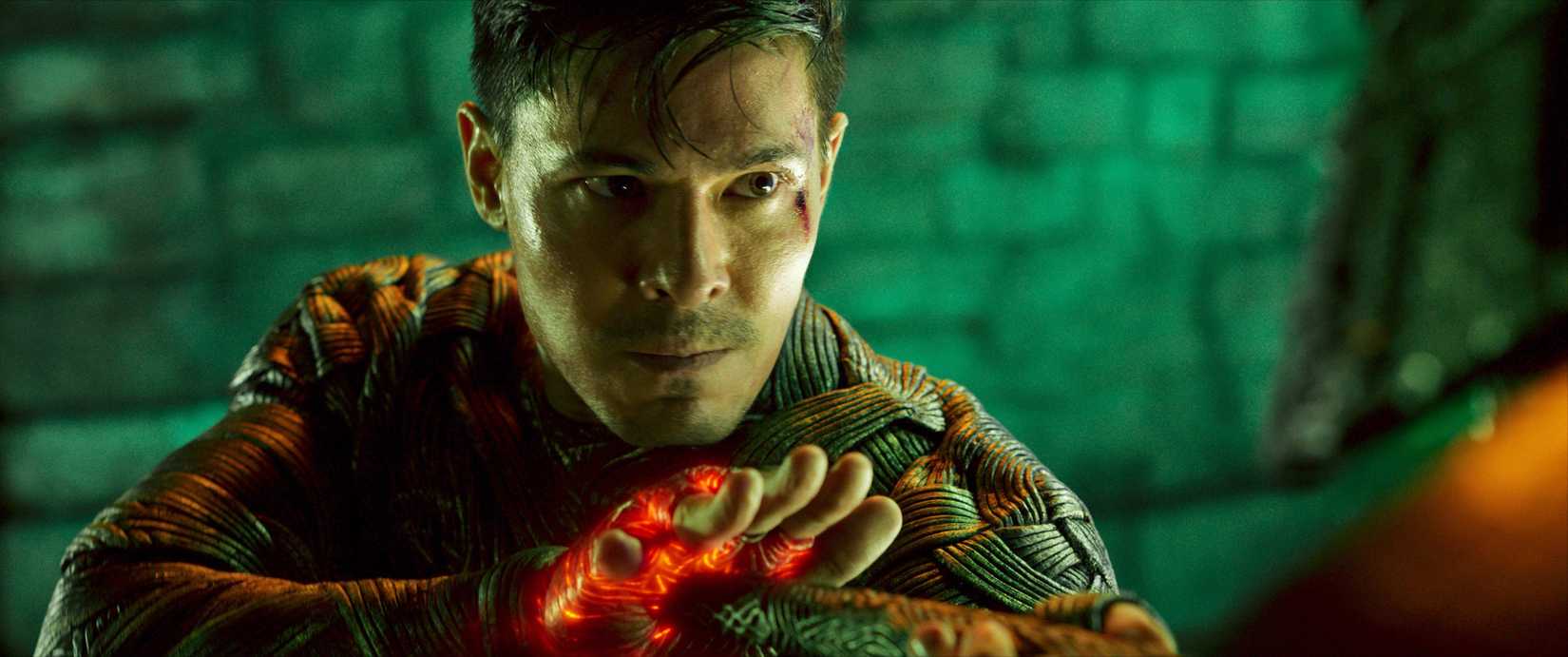
The success of Mortal Kombat 2 solidifies the franchise’s place as a dominant force in the action-horror genre. The ranking of its Fatalities serves not just as a critical assessment, but as a celebration of the series’ enduring appeal. As the dust settles on this latest tournament, one thing is clear: the world of Mortal Kombat remains a dangerous, thrilling, and undeniably gory place, and audiences are eager to return for more.


Leave a Comment