The Architecture of Hospitality: Decoding "Zeus’ Law" in Christopher Nolan’s The Odyssey
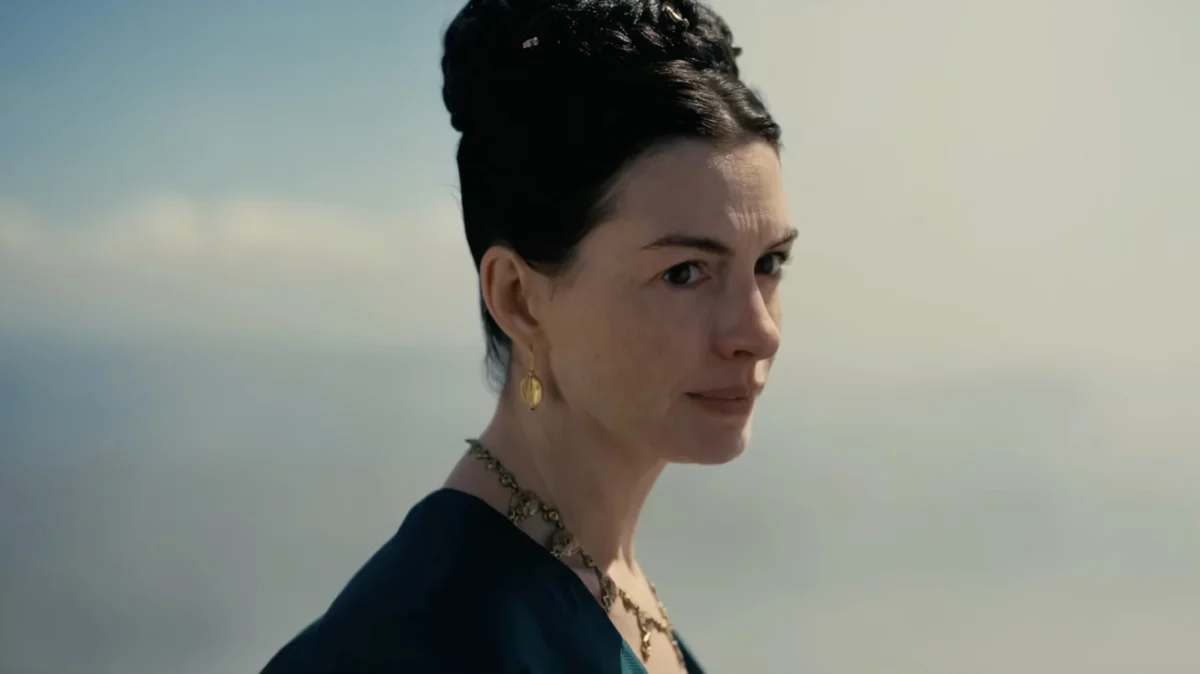
The cinematic landscape of the mid-2020s has been undeniably reshaped by Christopher Nolan’s latest magnum opus, a visceral, grounded adaptation of Homer’s The Odyssey. Following the historical weight of Oppenheimer, Nolan has pivoted from the birth of the atomic age to the foundations of Western literature, bringing with him an ensemble cast led by Matt Damon, Anne Hathaway, and Tom Holland. While the film’s technical prowess—shot on 70mm IMAX with Nolan’s signature reliance on practical effects—has garnered significant acclaim, it is the thematic obsession with "Zeus’ Law" that has sparked the most intense cultural conversation.
Far from a mere mythological footnote, "Zeus’ Law" serves as the moral and narrative scaffolding of the film. In a world where the gods are largely felt rather than seen, this ancient code of conduct becomes the primary force of nature, dictating the rise and fall of kings and the survival of a lost hero.
Main Facts: Defining the Golden Rule of Antiquity
In Christopher Nolan’s The Odyssey, "Zeus’ Law" is frequently invoked by the protagonist Odysseus (Matt Damon), his steadfast wife Penelope (Anne Hathaway), and their son Telemachus (Tom Holland). Within the context of the film, characters describe it as a divine mandate to treat strangers with the same kindness and respect one would wish to receive themselves. To the modern ear, it is instantly recognizable as the "Golden Rule," but Nolan’s script imbues it with a much more urgent, existential weight.
The scholarly term for this concept is xenia, the ancient Greek ritual of hospitality. In the film, xenia is not merely a social nicety; it is a survival mechanism. It dictates that a host must provide food, shelter, and safety to a guest before even asking for their name. Conversely, the guest is expected to be humble and grateful, never overstaying their welcome or abusing the host’s resources.
In Nolan’s interpretation, breaking this law is the ultimate sin, one that invites civilizational collapse. While the film strips away much of the supernatural "magic" typical of Hollywood sword-and-sandal epics—relegating Zendaya’s Athena to a series of psychological or perhaps hallucinatory interludes—the presence of Zeus is felt through the consequences of violating his law. It is the "theological underpinning," as Nolan describes it, that maintains the order of the world.
Chronology: From the Ashes of Troy to the Shores of Ithaca
The narrative structure of Nolan’s The Odyssey utilizes a fragmented timeline to explore how the violation of Zeus’ Law leads to Odysseus’ prolonged suffering.
- The Violation (The Trojan Horse): The film’s chronological starting point is the fall of Troy. In a harrowing sequence, Nolan depicts the Trojan Horse not as a moment of pure triumph, but as a deceptive "false gift." By presenting the horse as a religious offering while hiding soldiers within it, Odysseus violates the sacred bond of the gift-exchange, a core component of Zeus’ Law.
- The Descent (The Lotus-Eaters and Calypso): Following the war, the film follows a disoriented Odysseus. In a standout sequence involving Calypso (Charlize Theron), Odysseus suffers from memory loss induced by lotus flowers. Here, he is at his most vulnerable, a man without a name or a past, entirely dependent on the hospitality of others—hospitality that is often predatory.
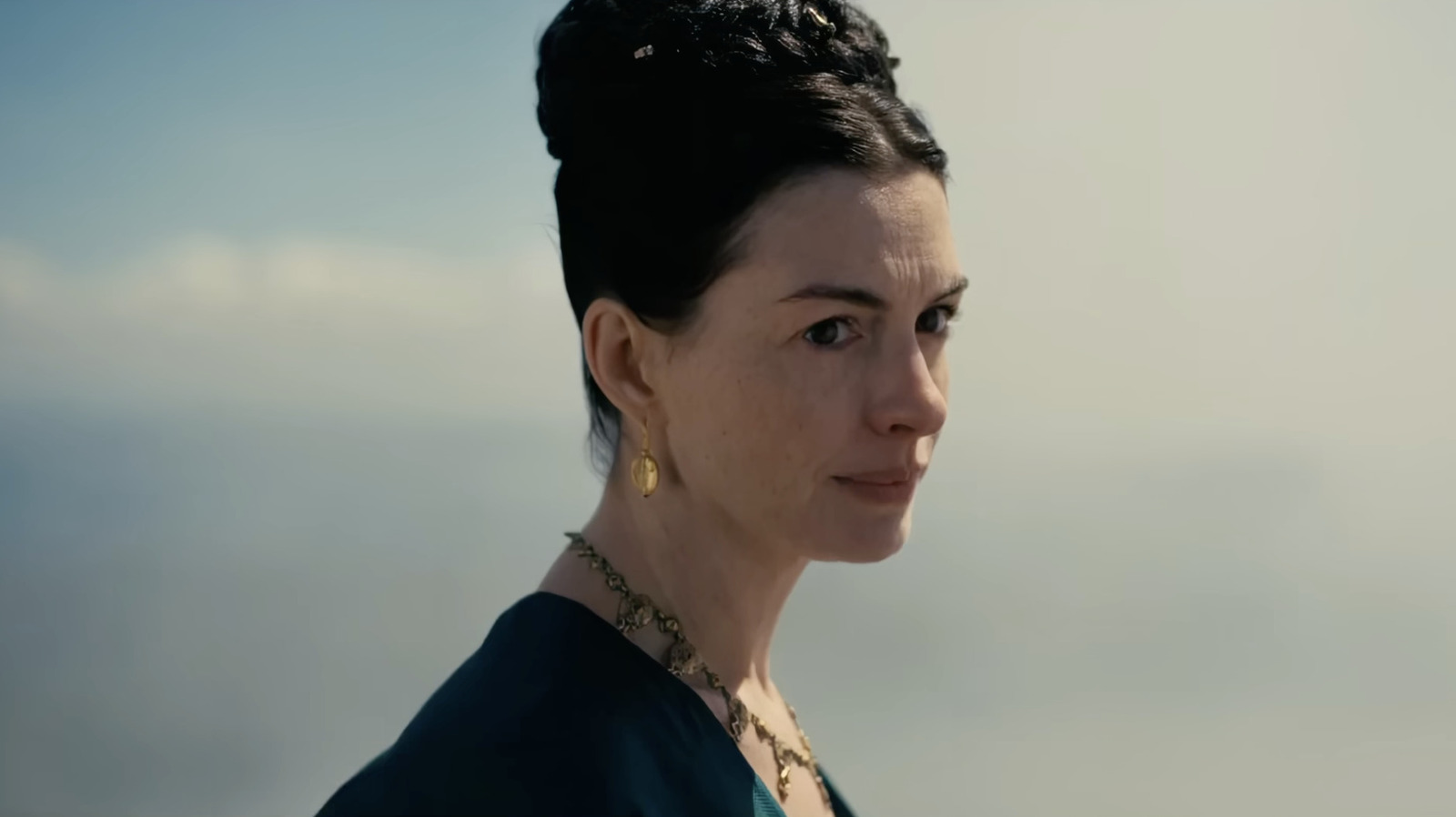
- The Test (The Return to Ithaca): The climax of the film centers on Odysseus returning to his home disguised as a beggar. This serves as the ultimate test of Zeus’ Law. While the arrogant suitors occupying his palace treat him with violent disdain, Penelope welcomes him with dignity. Her adherence to the law, despite her own grief and the beggar’s lowly status, is what ultimately allows for the restoration of order.
- The Reckoning (The Final Monologue): In the film’s final act, Odysseus delivers a searing monologue where he finally connects his ten-year struggle at sea to his actions at Troy. He realizes that by weaponizing a "gift," he broke the fundamental social contract of his world, and his journey was a decade-long penance for that hubris.
Supporting Data: The Political and Social Subtext
Nolan has never been a filmmaker to shy away from "blunt" messaging, and The Odyssey is perhaps his most politically charged work to date. The film draws a direct line between the ancient concept of xenia and contemporary issues regarding refugees, war crimes, and international diplomacy.
Industry analysts note that the film’s focus on the "mercy of strangers" has resonated deeply with global audiences. Currently, The Odyssey is on a box-office trajectory that may surpass Nolan’s Oscar-winning Oppenheimer. This success is attributed to the film’s ability to turn a 3,000-year-old poem into a mirror for modern anxieties.
The film’s portrayal of the Trojan Horse as a "war crime" against Zeus’ Law is particularly significant. By framing the tactical victory as a moral failure, Nolan challenges the "win at all costs" mentality often celebrated in war cinema. This thematic depth is supported by the film’s gritty realism; for instance, the interior of the Trojan Horse is depicted as a cramped, unsanitary, and terrifying space, stripping away the romanticism of the myth to focus on the human cost of deception.
Official Responses: Nolan and the Cast on "Basic Survival"
In an extensive interview with The New York Times, Christopher Nolan addressed the contemporary relevance of Zeus’ Law. He argued that the concept is far from an ancient relic.
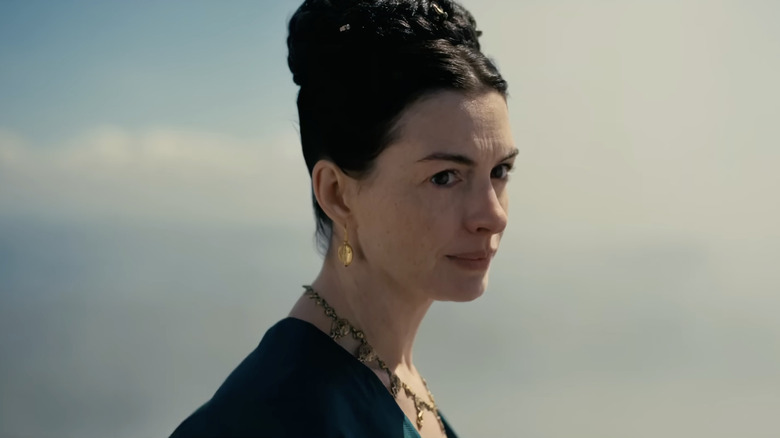
"The greatness of the poem is such that you approach these things as if they’re foreign and ancient, then as you explore them, they suddenly become stunningly relevant," Nolan told reporter Melena Ryzik. "Zeus’s law… it’s the Golden Rule—treat as you would be treated—and with a theological underpinning in their world, that you might be a god in disguise."
Nolan further categorized the law as "basic survival." He explained that in the world of The Odyssey, leaving one’s home meant entering a lawless, dangerous landscape. "You are by definition throwing yourself at the mercy of strangers," Nolan said. "That’s everything in terms of holding civilization together, or even defining civilization."
The cast also felt the weight of these themes during production. In a feature for People Magazine, Anne Hathaway and Matt Damon shared how Nolan implemented a modern version of Zeus’ Law on set. Despite the grueling nature of the shoot—which involved filming in remote coastal locations and dealing with unpredictable weather—Nolan emphasized a culture of mutual aid.
"You see so many little acts of people helping each other along the way to get it done," Nolan remarked, citing examples of the crew providing warm coats and necessary breaks for the actors. This "on-set xenia" was intended to ensure that the production remained as civilized as the world Odysseus was trying to return to.
Implications: The Enduring Power of the Guest-Host Bond
The implications of Nolan’s The Odyssey extend beyond the theater. By centering the film on a moral law rather than just action set-pieces, Nolan has invited a re-evaluation of how modern society treats "the other."
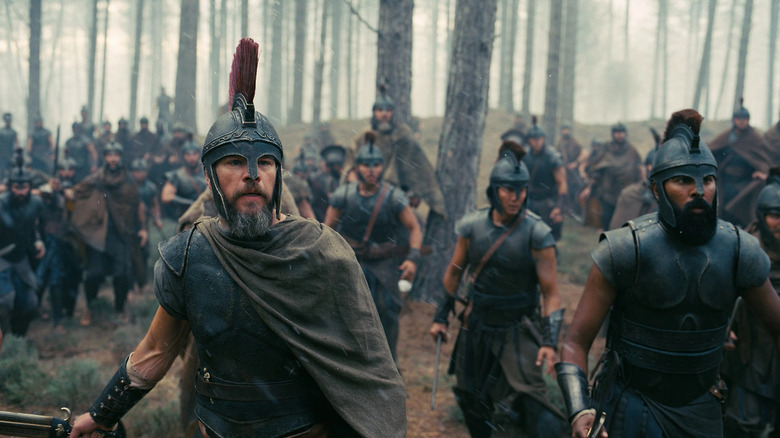
The film suggests that the "end of civilization" is not brought about by external monsters—like the Cyclops or Scylla (which are handled with a grounded, terrifying realism in the film)—but by the internal erosion of kindness and hospitality. When the suitors in the film mock the beggar, they are not just being "jerks"; they are dismantling the very fabric of the society they wish to rule.
Furthermore, the film’s massive box-office success indicates a hunger for narratives that grapple with moral philosophy. In an era of increasingly polarized discourse, Nolan’s "blunt" reminder that we are all, at some point, at the mercy of strangers, feels like a necessary intervention.
As The Odyssey continues its theatrical run, it stands as a testament to the idea that the oldest stories are often the most prescient. Through the lens of Zeus’ Law, Christopher Nolan has crafted a film that is both a technical marvel and a profound meditation on the fragility of the human contract. Whether Odysseus is a king or a beggar, his survival—and ours—depends entirely on the kindness of the people we meet along the way.