
Unveiling the Game Master’s Craft: Justin Alexander Reveals His Diverse Preparation Strategies
FOR IMMEDIATE RELEASE
[City, State] – [Date] – Justin Alexander, a revered figure in the tabletop roleplaying game (TTRPG) community and the mind behind "The Alexandrian" blog, has offered an unprecedented look into the highly varied and often surprisingly minimalist methods he employs for game mastering. Breaking down common misconceptions about GM preparation, Alexander revealed that his personal notes range from meticulously detailed, publishable campaign documents to what he candidly describes as "chicken scratch," highlighting a profound reliance on improvisation and a philosophy he terms "Smart Prep."
The revelation comes amidst frequent inquiries from his audience regarding the structure and content of his session notes, coupled with a specific request to share a scenario recently run at Green Dragon Fest 2026. Alexander explained that transforming his personal notes into a publicly usable format is a "lot of work," a statement that initially puzzled some, given the adventure had already been prepared and run. This paradox, he elaborated, lies at the heart of his unique approach to game mastering.
“People want an example of what my prep looks like,” Alexander stated, connecting the two threads of inquiry. “These two things are related to each other.” His insights provide a fascinating glimpse into the mind of a seasoned GM, challenging conventional wisdom and offering valuable lessons for both novice and experienced dungeon masters alike.
The Spectrum of Preparation: From Encyclopedic Campaigns to Improvised Adventures
Justin Alexander’s reputation in the TTRPG world is built on a foundation of intricate scenario design, comprehensive world-building, and insightful theoretical contributions, particularly through his widely acclaimed "Alexandrian Remixes" of popular campaigns. These remixes are often lauded for their depth, intricate plotting, and elegant solutions to common GMing challenges. However, his recent disclosure unveils a broader, more adaptable spectrum of preparation that caters to the specific demands of each campaign and his own evolving expertise.
Detailed Blueprint: The Alexandrian Remixes
At one end of his preparation spectrum lie expansive, almost encyclopedic campaign notes. Alexander cited the "Alexandrian Remix of Eternal Lies" as a prime example, noting that these were the very documents he used while running the epic Call of Cthulhu campaign. Patrons of The Alexandrian also have access to his running files for the "Dragon Heist Remix," another testament to his capacity for meticulous detail. These examples showcase his ability to craft narratives with "elaborate continuity, deep themes, and extensive, integrated player handouts," demonstrating a level of detail that could easily be published as standalone adventure modules.
This meticulous approach, while demanding, allows for a richly textured and highly reactive game world, where every clue, character, and location is interwoven into a grand tapestry. Such prep is particularly suited for long-form campaigns where intricate plotlines, emergent narratives, and player agency are paramount. The sheer volume of information ensures that Alexander is equipped to handle almost any player decision or deviation, integrating it seamlessly into the ongoing narrative.
The Personal Shorthand: A GM’s Private Language
However, Alexander clarified that such extensive documentation is not his universal standard. More often, his adventure notes are crafted for an "audience of one (me)," leading to a personal shorthand that is frequently "essentially incomprehensible to anyone else." This realization became particularly stark while he was preparing to share "The Vladaam Affair," a campaign arc for Ptolus. Despite having prepped it in "a significant amount of detail" for his own use, he found that making it useful for others required "extensive editing and additional writing."
This distinction is crucial. A GM’s personal notes often serve as memory triggers, relying on an internalized understanding of the world, its characters, and its potential developments. They are not designed for instructional clarity but for operational efficiency during live play. This is where Alexander’s decades of experience truly shine, enabling him to extrapolate entire scenes, character interactions, and environmental details from a few cryptic bullet points.
The Philosophy of "Smart Prep": Mastering Improvisation
Central to Alexander’s adaptable approach is his "Smart Prep" philosophy. This principle, articulated in previous writings, advocates for GMs to "not prep stuff that you can improvise at the table." For Alexander, who has been running games for an extended period, the scope of what he can improvise is vast. This allows him to streamline his preparation, focusing only on the essential hooks, critical plot points, and key environmental features that cannot be spontaneously generated during a session.
This approach demands a high level of confidence, a deep familiarity with the game system, and an intuitive understanding of narrative flow. It’s a skill honed over countless hours at the table, transforming what might seem like a daunting challenge for others into a natural, fluid process for him. The minimalist notes, far from being a sign of underdeveloped content, are a testament to his mastery of improvisation and his ability to leverage his mental database of gaming knowledge.
The "Bloodwight Heist": A Masterclass in Minimalist GMing
The most compelling illustration of Alexander’s "chicken scratch" method comes from "Bloodwight Heist," the scenario he ran at Green Dragon Fest 2026. This adventure, designed for the sci-fi horror TTRPG Mothership, began its life as an open-table campaign—a format where players can drop in and out of sessions, and the narrative dynamically adapts to their participation.
The Core Notes: Functional and Sparse
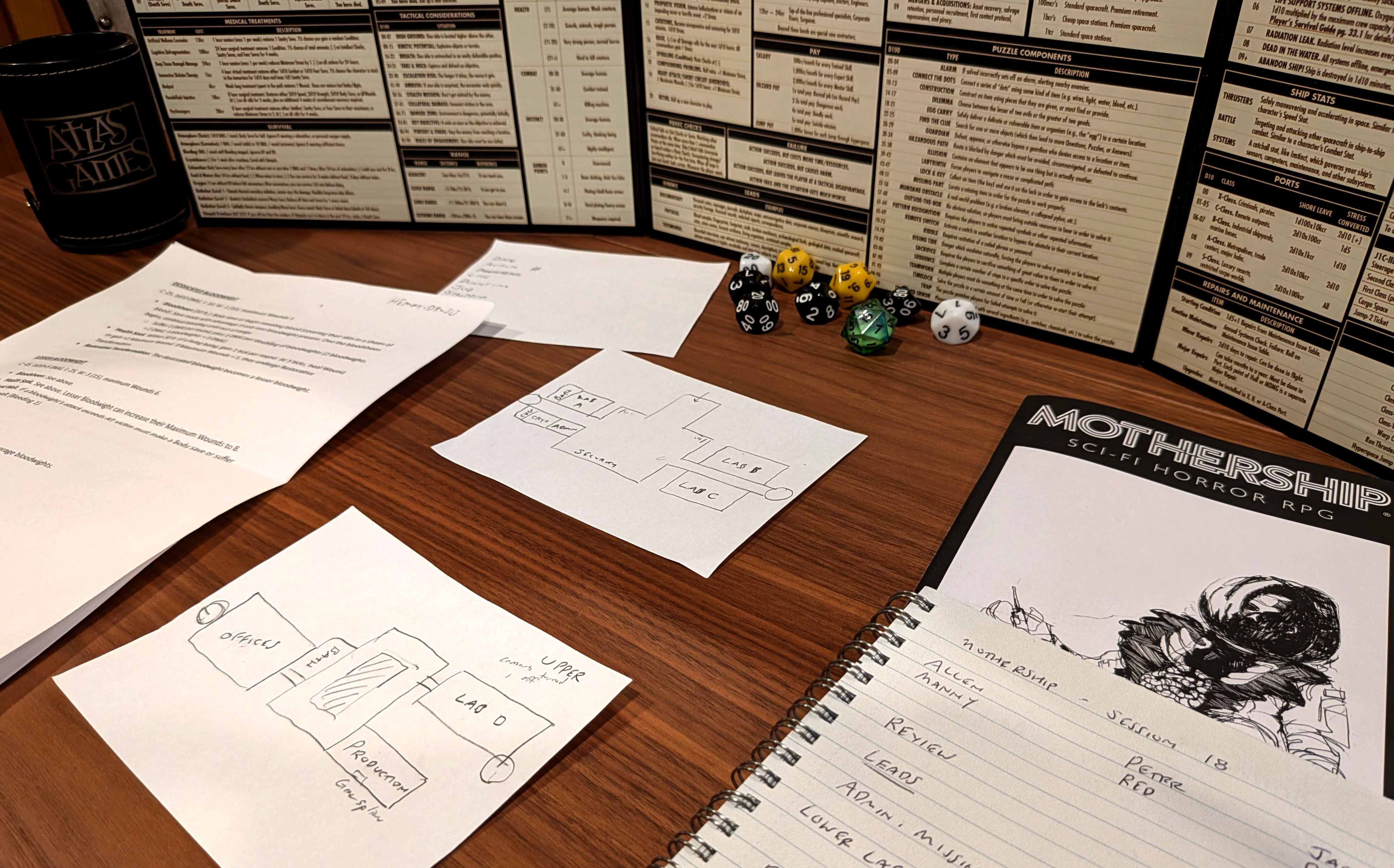
For "Bloodwight Heist," Alexander’s initial prep was remarkably sparse. The "original scenario notes" consisted of:
- Job Description: A concise briefing to "Steal a Namir-Radi G7 genesplicer from the Nanopore Genlabs facility located in Zoyechka, Katerineta. 30,000cr." This single line served as the primary motivator and objective for the players.
- Nanopore Genlabs Overview: A bare-bones outline of the facility’s key areas: "Admin – File Servers," "Offices – Cubicles and Offices on north/south side," and "Lower Level – The Blood." The ominous "The Blood" is a prime example of a minimalist note designed to spark immediate, terrifying implications in a horror game, leaving the specific horrors to be improvised.
- LEADS: Another brief, unelaborated section, implying that any hooks or initial information for the players were similarly distilled.
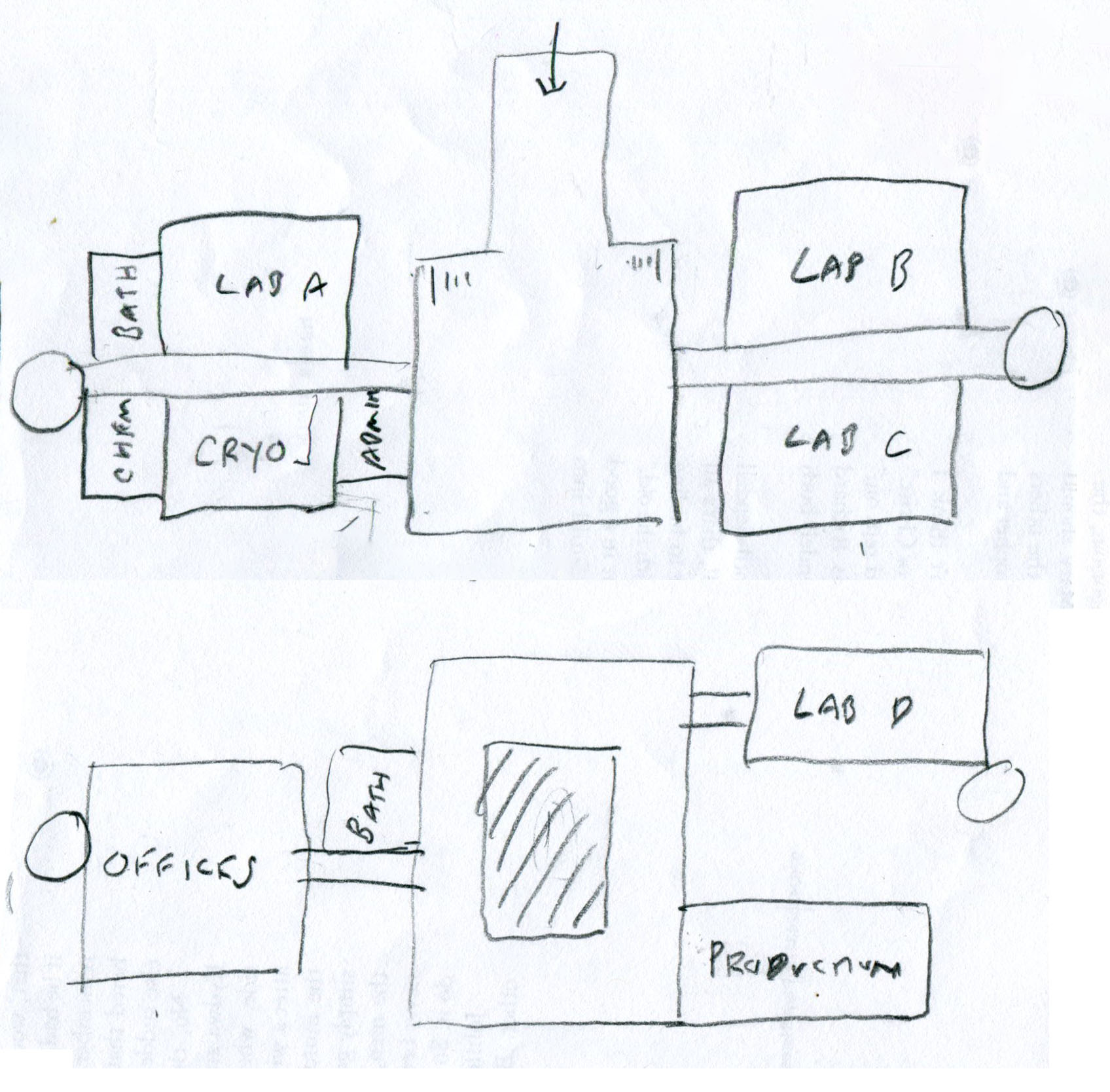
- Rough Drawings: Alexander included images of "very rough drawings of two-storey scientific research facility, featuring four labs labeled Lab A through Lab D." These functional, unrefined sketches were purely for his own orientation, providing a spatial framework rather than detailed blueprints.
These notes, combined with monster stat blocks "pulled from a different adventure," constituted the entirety of his initial prep. This lean approach underscores the "Smart Prep" philosophy in action, prioritizing essential information and relying on the GM’s ability to flesh out the details dynamically.
Player-Facing Elements: The Job Board Card
While Alexander’s internal notes were minimal, the player-facing elements were presented with clarity. The "Job" entry was formatted into a small card, designed to be placed on a "Jobs Board" in his game room. This physical artifact served as a clear, concise mission statement for players engaging with the open table, providing immediate context and motivation without revealing the underlying complexities of the scenario.
The Dynamic Evolution: A Living Adventure
The "Bloodwight Heist" scenario was not static; it evolved over multiple play sessions, demonstrating the power of responsive GMing:
- Group 1: The initial group’s actions – described as "breaking stuff and blowing up rooms" – directly impacted the state of the facility for subsequent groups. This emergent storytelling is a hallmark of Alexander’s style, where player choices have tangible, lasting consequences.
- Group 2: Following the first group’s destructive foray, Alexander introduced an "adversary roster" for both monsters and the security team. An adversary roster is a dynamic list of antagonists, their current locations, and conditions, allowing the GM to track their movements and reactions in real-time. This addition facilitated the enforcement of a "quarantine" in the damaged facility, reflecting the consequences of Group 1’s actions.
- Group 3: The threat escalated further for the third group, with Alexander "beef[ing] up the federal security forces." This continuous escalation and adaptation ensure that each play-through offers a unique experience, preventing stagnation and maintaining a high level of tension.
Green Dragon Fest 2026: Convention Polish
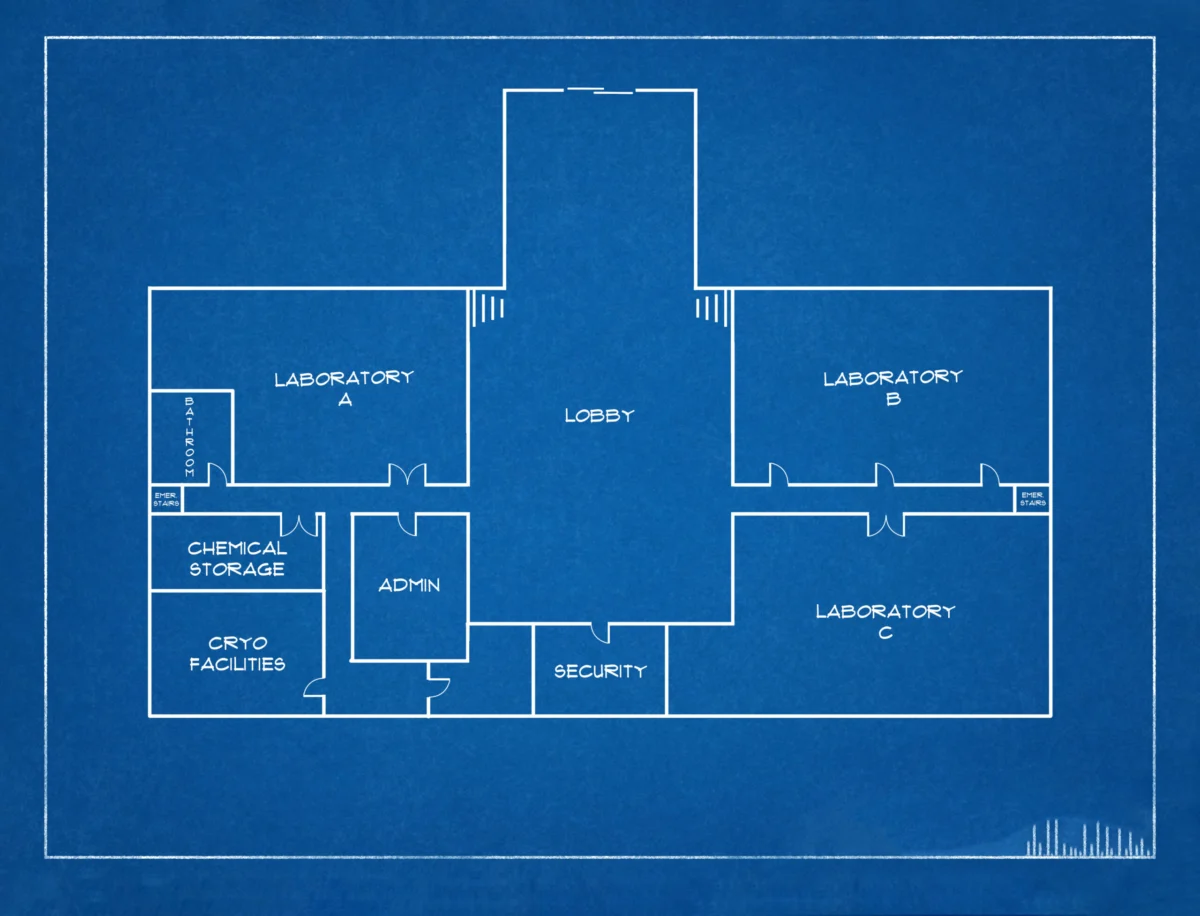
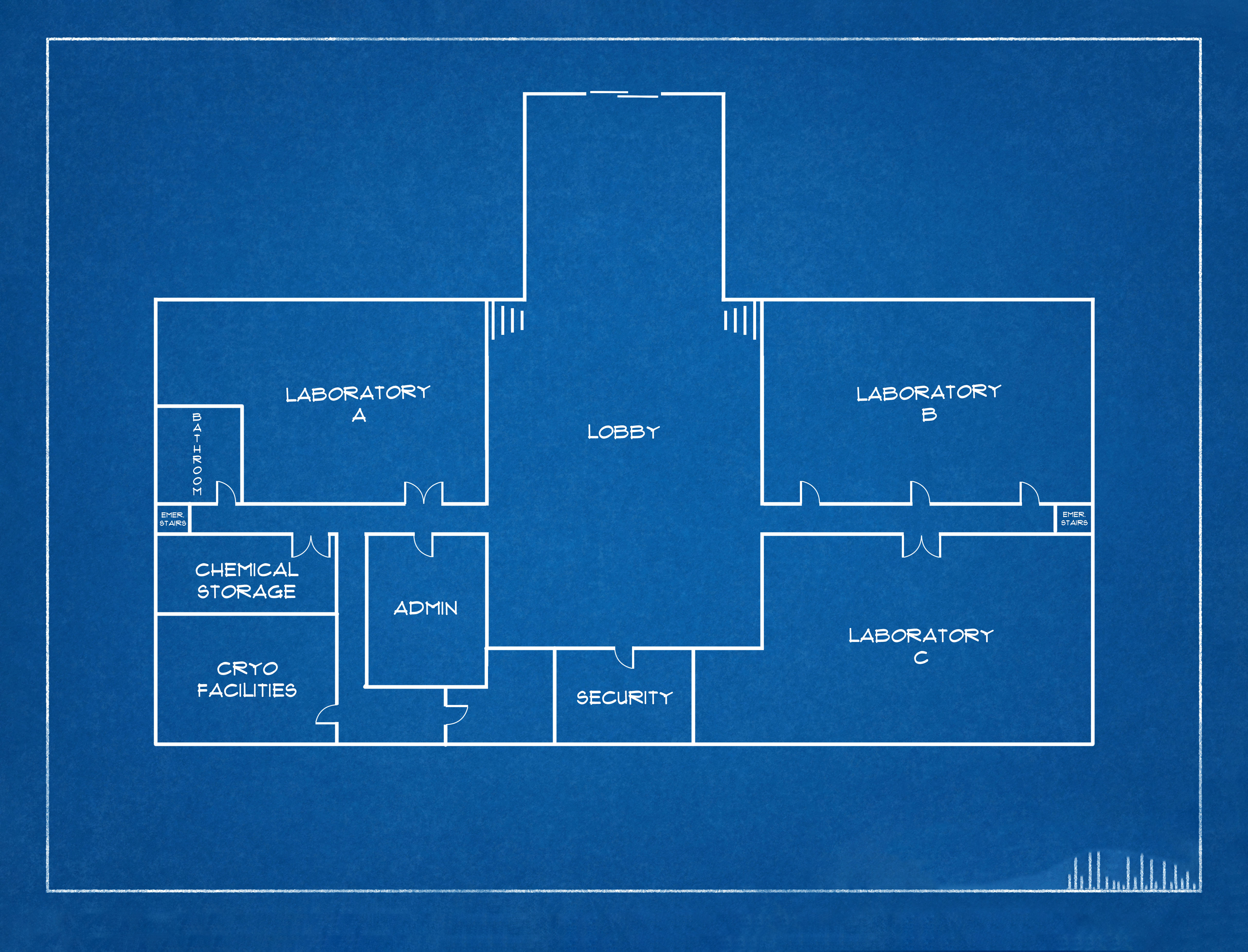
For Green Dragon Fest, a prominent gaming convention, Alexander maintained the core "heist portion of the adventure" but added "a few additional layers to the overall experience." Crucially, he prepped "fancier versions of the blueprints" to use as player handouts. These professionally rendered maps provided players with vital strategic information, a common element in heist scenarios, elevating the convention experience while still retaining the improvisational core of the adventure. The convention game, much like his open table, saw the site "modified by the previous team’s efforts," showcasing the persistent and dynamic nature of the game world.
The Chasm Between Personal Prep and Public Consumption
Alexander’s candid reflections illuminate why sharing a scenario like "Bloodwight Heist" requires such significant effort. The gap between notes comprehensible to their creator and those usable by a wider audience is substantial.
Downloading the Brain onto the Page
"If I were to make this adventure publishable," Alexander explained, "I would obviously need to download a lot more of my brain onto the page." This means explicitly defining elements that are implicitly understood by him but unknown to others. He offered "PT Soil Seeds" as an example, a seemingly innocuous detail from his notes. For an outside GM, this requires clarification: "PT stands for Pre-Terraforming and PT stations can be found in orbit around or on the surface of multiple planets in the Tempest Cluster." This simple example reveals the layers of implicit lore, context, and operational details that reside within a GM’s mind, which must be painstakingly extracted and articulated for a published work.
Transforming personal notes into a publishable adventure involves:
- Explicating Lore: Detailing the setting, factions, and background information.
- Character Development: Providing descriptions, motivations, and stat blocks for NPCs.
- Location Descriptions: Expanding on sparse room notes with sensory details, potential interactions, and key features.
- Plot Hooks and Resolutions: Clearly outlining the adventure’s trajectory, potential player choices, and their consequences.
- GM Advice: Offering guidance on how to run the scenario, troubleshoot common issues, and adapt to player decisions.
This process is less about transcription and more about a complete re-design, shifting from a personal aid to a comprehensive instructional guide.
Alexander’s Advice: A Nuanced Perspective
Alexander concluded his discussion with a nuanced piece of advice for other GMs: "Am I saying that you should prep your own adventures like this? Not exactly… But I’m also not NOT saying that."
He acknowledges the value of detailed prep, referencing his own Eternal Lies notes as an example where such effort was "not, generally speaking, wasted." This highlights that different campaigns and different GMs benefit from different levels of detail. The key is not to adhere to a single methodology but to find what works best for the specific context.
However, he strongly advocates for the utility of being able to run a scenario from minimal notes. This skill, he argues, is beneficial for several reasons:
- Testing Limits: It pushes GMs to rely more on their improvisation skills and creative problem-solving.
- Identifying Essentials: It helps GMs discern what truly is and isn’t essential prep for their own style, allowing them to streamline future efforts.
- Improving Detailed Prep: By understanding what can be improvised, GMs can make their more detailed notes more focused and useful, avoiding unnecessary clutter.
In essence, Alexander is encouraging GMs to develop a versatile toolkit, capable of handling both meticulously planned epics and spontaneously generated one-shots.
Broader Implications for the Tabletop Roleplaying Community
Justin Alexander’s insights carry significant implications for the wider TTRPG community, impacting how GMs approach preparation, how game design is perceived, and ultimately, the player experience.
Demystifying GM Preparation and Empowering GMs:
Alexander’s candidness helps demystify the often-intimidating process of GM preparation. Many aspiring GMs feel pressured to produce exhaustive documents before ever rolling dice. His revelation that even a seasoned professional can operate effectively from "chicken scratch" notes can be incredibly liberating. It empowers GMs to trust their instincts, embrace improvisation, and prioritize getting to the table over perfect prep. This can lower the barrier to entry for new GMs and encourage more experienced GMs to experiment with different, less time-consuming methods.
Elevating the Skill of Improvisation:
By showcasing how much he improvises, Alexander implicitly elevates improvisation as a core GMing skill, on par with world-building or encounter design. This encourages GMs to practice and refine their ability to think on their feet, react to player choices, and weave spontaneous details into the narrative. It suggests that a GM’s internal knowledge base and creative flexibility are as valuable as any pre-written text.
Informing Game Design Philosophy:
Alexander’s work on "Smart Prep" and his ability to run dynamic, evolving scenarios from minimal notes offer valuable lessons for game designers. It reinforces the idea that game systems can be designed to facilitate improvisation rather than requiring exhaustive upfront planning. Concepts like adversary rosters, flexible location descriptions, and clear scenario hooks can empower GMs to create rich experiences with less heavy lifting, moving towards tools that support emergent storytelling.
Enhancing Player Experience through Dynamic Worlds:
The "Bloodwight Heist" example, where the facility evolved based on previous groups’ actions, demonstrates how dynamic GMing can lead to incredibly immersive and unique player experiences. Players aren’t just traversing a pre-scripted world; they are actively shaping a living, breathing environment. This responsiveness fosters a deeper sense of agency and makes each session feel genuinely impactful.
Understanding the Value of Published Adventures:
Finally, Alexander’s explanation of the "lot of work" involved in transforming personal notes into publishable material underscores the immense effort and skill required to create a polished adventure module. It helps players and GMs appreciate the value of published content, which isn’t just a transcript of a game but a carefully crafted, instructional document designed for universal usability. This distinction can foster a greater respect for game designers and the intricate process of bringing TTRPG content to market.
Conclusion: The Art of Adaptable Storytelling
Justin Alexander’s transparent look into his game mastering process offers a profound insight into the art of adaptable storytelling. His methods are not prescriptive rules but rather a testament to the highly personal and flexible nature of effective GMing. Whether crafting sprawling, detailed epics or running lean, improvisational one-shots, the ultimate goal remains the same: to create compelling, memorable narratives for players.
His advice resonates as a call to self-awareness for GMs: understand your own strengths, identify what truly requires your detailed attention, and cultivate the invaluable skill of improvisation. In doing so, GMs can not only streamline their preparation but also unlock new levels of creativity and responsiveness at the table, ensuring that every session is a unique and engaging journey into shared imagination. Alexander’s work continues to inspire GMs to explore their own "Smart Prep," finding their unique balance between meticulous planning and the exhilarating spontaneity of the game master’s craft.




Leave a Comment