
Clash of Empires Reborn: Phalanx Launches Exclusive Metal Miniatures for Acclaimed Punic Wars Sagas "Hannibal & Hamilcar" on Gamefound
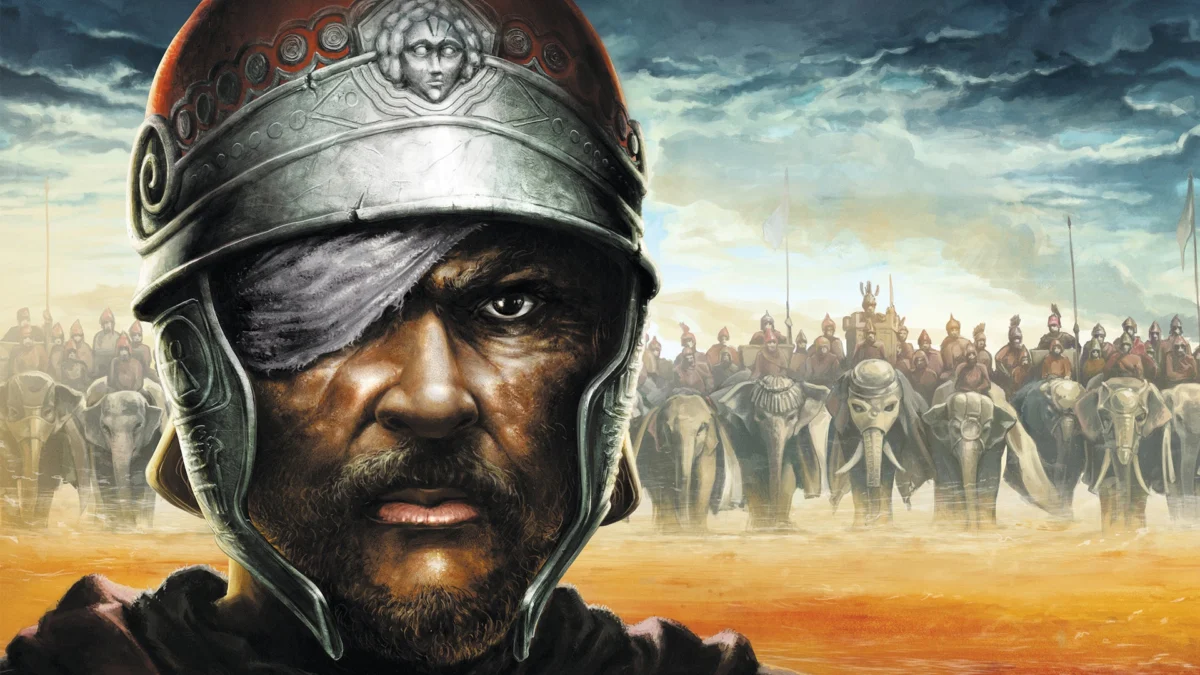
The epic struggle between ancient Rome and Carthage is once again thrust into the spotlight as Phalanx, a renowned publisher of historical board games, unveils a new Gamefound campaign for the critically acclaimed strategy titles, Hannibal: Rome vs. Carthage and Hamilcar: Silver Edition. This crowdfunding initiative not only offers a fresh opportunity to acquire these long out-of-print, card-driven classics but also introduces a highly anticipated, campaign-exclusive set of deluxe metal miniatures, designed to elevate the immersive experience of commanding legendary generals like Hannibal Barca and Scipio Africanus.
The campaign, which runs until May 24th, serves as a crucial gateway for both seasoned wargamers and new enthusiasts to delve into the intricate military and political maneuvers that defined the Punic Wars. With pledges ranging from individual game acquisitions to comprehensive bundles featuring the exquisite new metal figures, Phalanx is ensuring that these seminal works by designers Mark Simonitch and Raymond de Maria remain accessible and visually stunning for a new generation of strategists. The re-released games are slated for delivery in August of next year, promising a grand return to the battlefields of antiquity.
Main Facts: The Return of Tactical Legends
The heart of this Gamefound campaign lies in the re-release of two monumental historical strategy games: Hannibal: Rome vs. Carthage (Classic Edition) and Hamilcar: Silver Edition. Both titles meticulously reconstruct the brutal and complex conflicts between the burgeoning Roman Republic and the formidable Carthaginian Empire, primarily through the lens of card-driven mechanics that blend strategic decision-making with the unpredictable ebb and flow of historical events.
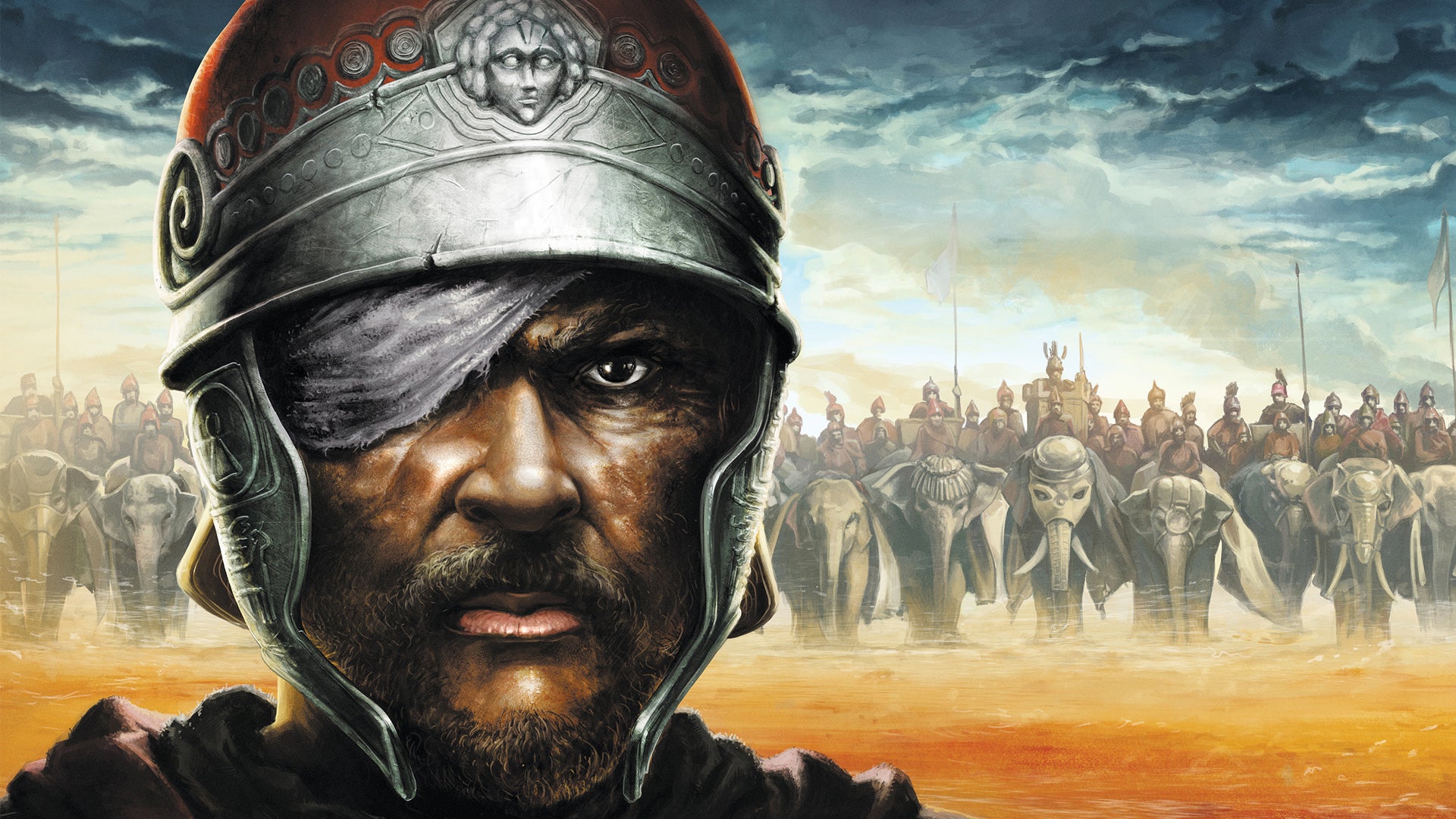
Hannibal: Rome vs. Carthage, originally designed by Mark Simonitch, stands as a paragon of two-player wargaming, placing players in the roles of either Rome or Carthage during the Second Punic War. It famously features the brilliant Carthaginian general Hannibal Barca, renowned for his audacious Alpine crossing and string of victories on Roman soil, against a succession of Roman commanders culminating in Scipio Africanus. The game is celebrated for its elegant system of balancing military conquest with political influence, as players deploy generals, raise armies, and vie for control over key provinces across the Mediterranean.
Complementing Hannibal is Hamilcar: Silver Edition, designed by Raymond de Maria based on Simonitch and John Rodriguez’s original Hamilcar: First Punic War. This title shifts the focus to the earlier, predominantly naval, First Punic War, utilizing a similar card-driven engine and some shared components to depict the intense maritime clashes and the struggle for Sicily. Hamilcar offers a distinct strategic challenge, emphasizing naval superiority and the logistics of island warfare, providing a complete narrative arc of the Punic Wars when paired with its land-focused counterpart.
The current Gamefound campaign by Phalanx offers these games either individually for €45 each or as a combined bundle for €80. The most significant new addition, however, is a lavish set of 26 exclusive metal miniatures. These finely crafted figures, finished with a dark wash, represent the iconic generals and leaders of both factions, including Hannibal, Scipio, Hamilcar Barca, and other pivotal historical figures. These miniatures are presented in a specially designed wooden storage box, adorned with an illustration of Hannibal Barca, and are strictly exclusive to this crowdfunding campaign, meaning they will not be available through retail channels. The full package, encompassing both games and the deluxe miniatures, is priced at €160, representing the ultimate collector’s edition for aficionados of the series and historical wargaming.
Chronology: A Legacy Forged in Steel and Strategy
The journey of Hannibal and Hamilcar through the annals of board gaming history is as storied as the conflicts they portray. Understanding their evolution provides crucial context for the significance of this latest Gamefound campaign.
The Genesis of a Classic: Hannibal: Rome vs. Carthage (1996)
Mark Simonitch’s Hannibal: Rome vs. Carthage first burst onto the wargaming scene in 1996, published by Avalon Hill. It was immediately lauded for its innovative card-driven system (CDS), a mechanic that would soon revolutionize historical wargaming. Prior to Hannibal, many wargames relied on complex rulesets, detailed hex maps, and dice-rolling for combat, often leading to lengthy playtime and steep learning curves. Simonitch’s design, however, introduced a streamlined yet deeply strategic approach, where each card could be used for multiple purposes: movement, reinforcement, political influence, or triggering unique historical events. This multi-use card system forced players into agonizing decisions, creating a rich tapestry of tactical and strategic choices.
The game quickly garnered critical acclaim, celebrated for its thematic fidelity, tense gameplay, and remarkable replayability. Its reputation grew steadily, cementing its status as a modern classic. A decade after its initial release, Hannibal: Rome vs. Carthage was recognized at the prestigious Golden Geek Awards in 2006, winning both "Best Wargame" and "Best 2-Player Board Game," a testament to its enduring appeal and impact on the genre. Its success paved the way for a new era of accessible, yet profound, historical simulations.
Expanding the Punic Wars: Hamilcar: First Punic War (2010)
Building on the success and mechanics of Hannibal, designers Mark Simonitch and John Rodriguez collaborated on Hamilcar: First Punic War, released in 2010. While Hannibal focused on the land-based campaigns of the Second Punic War, Hamilcar delved into the preceding First Punic War, a conflict largely dominated by naval engagements between Rome and Carthage for control of Sicily and the surrounding seas. The game deftly adapted the card-driven system to represent naval movements, fleet battles, and the logistical challenges of maintaining armies across maritime supply lines. It shared some components and thematic links with Hannibal, creating a broader narrative of the Punic Wars. Although not as widely recognized as its predecessor, Hamilcar was praised for its distinct strategic challenges and its ability to capture the essence of naval warfare within the CDS framework.
The Grand Re-release: Hannibal & Hamilcar (2018)
In 2018, publisher Phalanx undertook the ambitious project of re-releasing both games in a single, collected edition titled Hannibal & Hamilcar. This re-release, which included updated artwork, streamlined rules (the "Classic Edition" for Hannibal and "Silver Edition" for Hamilcar), and high-quality components, was met with immense enthusiasm from the wargaming community. It not only brought these beloved titles back into print but also introduced them to a new generation of players who might have missed their original runs.
The combined edition was a resounding success, further solidifying the games’ legendary status. It once again captured the attention of the BoardGameGeek community, earning the "Best Wargame" award at the Golden Geeks in 2018, demonstrating its continued relevance and superior design. The Hannibal & Hamilcar collected edition currently holds an impressive BoardGameGeek user rating of 8.3 out of 10, based on over 6,700 reviews, ranking it as the 18th highest-rated wargame on the site at the time of writing. This critical and commercial success underscored the enduring demand for these meticulously crafted historical simulations.
The Present Campaign: A New Chapter with Exclusivity
This latest Gamefound campaign by Phalanx marks another significant chapter in the Hannibal & Hamilcar saga. Recognizing the games’ out-of-print status and the persistent demand from both collectors and new players, Phalanx has opted for a fresh crowdfunding drive. Unlike the 2018 collected re-release, this campaign offers the newest editions of Hannibal: Rome vs. Carthage and Hamilcar: Silver Edition as separate boxes, providing flexibility for backers who may prefer one game over the other.
The primary draw of this campaign, beyond the opportunity to acquire the games themselves, is the introduction of the exclusive set of metal miniatures. These figures represent a premium upgrade for players who desire enhanced tactile and visual immersion. By making these miniatures campaign-exclusive, Phalanx creates a unique incentive for early adopters and loyal fans, ensuring that this particular iteration of the games will stand out as a collector’s item. This strategic move leverages the power of crowdfunding to deliver high-quality, niche components that might not be viable in a standard retail environment, further cementing the legacy of these Punic Wars epics.
Supporting Data: Unpacking the Strategic Depth
The enduring appeal of Hannibal: Rome vs. Carthage and Hamilcar: Silver Edition lies in their masterful blend of historical accuracy, elegant mechanics, and profound strategic depth. Understanding the intricacies of their gameplay reveals why these titles have consistently been celebrated within the wargaming community.
The Card-Driven System: A Symphony of Decisions
At the core of both games is the groundbreaking card-driven system (CDS). Each player, controlling either Rome or Carthage, possesses an asymmetrical deck of strategy cards. These cards are not merely a means to an end but the very engine of gameplay, forcing players to make critical, multi-faceted decisions with every turn. A single card might offer several potential actions, and choosing one means foregoing the others. This creates immense tension and requires forward planning.
For instance, a card could be used for:
- Command Points (CPs): To move armies, recruit new units, or activate generals. The numerical value on the card dictates the strength or scope of the action.
- Political Influence: To sway neutral regions to one’s side, thereby expanding control and potential resource generation. This often involves playing cards with specific political values or events.
- Historical Events: Many cards feature unique events tied to the Punic Wars, such as the emergence of a new general, a diplomatic shift, or a sudden plague. Playing these events can dramatically alter the strategic landscape, sometimes offering powerful, game-changing effects.
- Battle Cards: During combat, specific cards are reserved and played to influence the outcome of battles, representing tactical maneuvers, troop morale, or special abilities of generals.
This multi-use card system ensures that no two games play out identically. Players must constantly weigh the immediate tactical advantage of playing a card for its CPs against the long-term strategic benefit of a historical event or the need to save it for a crucial battle. The asymmetrical nature of the decks further enhances replayability, as Roman and Carthaginian strategies naturally diverge, reflecting their historical strengths and weaknesses. Rome typically possesses a larger pool of potential manpower and a more robust logistical network, while Carthage often relies on brilliant leadership (like Hannibal) and mercenary forces.
Balancing Military Might and Political Acumen
Victory in Hannibal & Hamilcar is not solely about military conquest. Both games emphasize the critical interplay between military dominance and political control. While winning battles and capturing enemy strongholds is vital, players must also manage their political influence over the various provinces on the map. Each province has a political track, and players invest cards or CPs to shift its allegiance towards their empire. Controlling more provinces not only provides victory points but also grants access to resources and recruitment centers.
This dual focus means players cannot simply focus on brute force. A player might win a series of glorious battles but lose the war by neglecting the political front, allowing their opponent to gain control of key regions through diplomatic means or subtle influence. Conversely, a player who expands too rapidly without securing supply lines or maintaining military presence might find their newly acquired territories vulnerable to enemy counter-attacks or political subversion. This constant juggling act between military aggression and political consolidation is a hallmark of Simonitch’s design genius, creating a dynamic and highly engaging strategic puzzle.
The Drama of Battle Resolution
When armies or fleets collide, a separate set of battle cards comes into play, adding another layer of tactical decision-making. These battles are not resolved by simple dice rolls but through a mini-game of card play, where players commit battle cards from their hand to represent troop strength, tactical maneuvers, and general’s abilities. The general’s rating, the quality of troops, and the terrain all factor into the outcome, but the cards played introduce a fog of war and an element of bluffing.
Players must decide when to commit their strongest battle cards, when to conserve them for future engagements, and when to retreat to fight another day. The consequences of defeat can be severe, leading to the loss of generals, units, and political influence. This system ensures that combat is not a foregone conclusion but a tense, dramatic confrontation that requires careful hand management and an understanding of probability.
Theme and Immersion: Stepping into History
Beyond the mechanics, both games excel at immersing players in the historical period. The maps are beautifully rendered, depicting the Mediterranean basin with historical accuracy. The generals are represented with distinct abilities that reflect their historical prowess. The historical events triggered by cards provide a narrative thread, allowing players to witness key moments of the Punic Wars unfold and make decisions in their wake. Whether it’s Hannibal’s march through the Alps, the naval innovations of the Romans, or the political machinations of the Carthaginian Senate, the games bring history to life in an engaging and accessible manner.
Designer’s Philosophy: Elegance in Complexity
Mark Simonitch is celebrated for his ability to distill complex historical conflicts into elegant, streamlined game systems. Hannibal: Rome vs. Carthage exemplifies this philosophy: it offers profound strategic depth without an overwhelming ruleset. The game is easy to learn but difficult to master, a hallmark of excellent design. Raymond de Maria’s work on Hamilcar effectively translated this elegance to a different theater of war, demonstrating the robustness and adaptability of the core mechanics. These games are not just simulations; they are interactive history lessons, inviting players to explore alternative historical outcomes while respecting the underlying realities of the period.
The Appeal of Wargames and Target Audience
Historical wargames like Hannibal & Hamilcar appeal to a specific, yet growing, audience. These are players who appreciate:
- Historical Immersion: A desire to learn about and engage with historical events.
- Strategic Depth: A preference for games that reward thoughtful planning, adaptability, and long-term vision over pure luck.
- Asymmetrical Gameplay: Enjoyment of playing as distinct factions with unique strengths and weaknesses.
- Player Interaction: Games that foster direct competition and allow for mind games and tactical outmaneuvering.
The re-release, especially with the addition of premium components like metal miniatures, broadens this appeal to collectors and those who appreciate high-quality production values in their gaming experience. Phalanx’s commitment to delivering a polished product, as seen in their previous work, reinforces the expectation of excellence for these new editions.
Official Responses: Phalanx’s Vision for a Renewed Legacy
While the source article provides limited direct quotes, typical crowdfunding campaigns and publisher statements from Phalanx offer insight into the motivations behind such a significant re-release, particularly regarding a beloved, out-of-print classic.
Phalanx’s Commitment to Historical Gaming
Phalanx has established itself as a publisher with a deep commitment to historical board games, often focusing on titles that combine rigorous historical research with compelling gameplay. Their decision to revisit Hannibal & Hamilcar stems from a clear understanding of the games’ esteemed position within the wargaming community and the consistent demand for their availability. "Our mission at Phalanx is to bring history to life on the tabletop," a representative might state, emphasizing the educational and entertainment value of these titles. "The Punic Wars are a cornerstone of ancient military history, and Mark Simonitch’s Hannibal perfectly captures its strategic brilliance. Hamilcar completes that narrative, and it’s an honor to ensure these masterpieces remain accessible."
The move to Gamefound, a platform increasingly favored by niche publishers and for high-production-value projects, indicates Phalanx’s strategic approach to reaching its dedicated audience. It allows for direct engagement with backers and offers a flexible environment for funding ambitious component upgrades.
The Rationale Behind Exclusive Metal Miniatures
The introduction of the campaign-exclusive metal miniatures is a significant development, reflecting Phalanx’s desire to offer something truly special for this re-release. Publishers often use exclusive content in crowdfunding to reward early supporters and create a sense of urgency and collectibility. "We wanted to give our backers something truly unique, something that elevates the physical presence of these iconic generals on the board," a Phalanx spokesperson would likely explain. "These metal miniatures, meticulously crafted and finished, are not just game pieces; they are collector’s items that bring an unparalleled level of immersion to the battlefield. By making them exclusive to Gamefound, we’re celebrating our community and ensuring that this edition stands apart."
This exclusivity serves multiple purposes: it incentivizes pledges during the campaign, helps to generate buzz, and rewards the loyal fanbase that supports these projects. The choice of metal, rather than plastic, for the miniatures further underscores a commitment to premium quality and durability, appealing to discerning collectors. The detailed wooden storage box for the miniatures also speaks to this commitment to a deluxe experience.
Addressing Out-of-Print Status and Community Demand
The primary impetus for any re-release of an out-of-print game is often overwhelming community demand. Phalanx likely received numerous requests and saw the consistent high ratings and active discussions on platforms like BoardGameGeek as clear indicators of the market’s appetite. "We listen to our community," a Phalanx representative might affirm. "The calls for Hannibal & Hamilcar to return to print have been constant. This campaign is our response, ensuring that both long-time fans can upgrade their editions with premium components, and new players can finally experience these incredible games."
Crowdfunding platforms also provide a viable business model for reprinting niche titles that might not otherwise meet the sales thresholds for traditional retail distribution. It allows Phalanx to gauge precise demand and produce copies accordingly, minimizing risk and ensuring that these historically significant games continue to be enjoyed. The separate offering of the two games, rather than a mandatory bundle, also reflects an understanding of diverse player preferences, offering more tailored options for backers.
Implications: The Enduring Legacy and Future of Historical Wargaming
The Gamefound campaign for Hannibal & Hamilcar carries significant implications, not just for Phalanx and the games themselves, but for the broader landscape of historical wargaming and crowdfunding.
Impact on the Wargaming Community
For the dedicated wargaming community, this re-release is a cause for celebration. It ensures that two of the most revered card-driven wargames remain available and, in fact, receive a premium upgrade. For long-time fans, the exclusive metal miniatures offer a compelling reason to acquire a new, deluxe edition of their beloved games. For newer enthusiasts or those who missed previous printings, it’s an invaluable opportunity to own classics that have shaped the genre. The high BoardGameGeek rating and consistent praise highlight the games’ enduring quality, making them essential additions to any serious wargamer’s collection. The campaign reinforces the idea that well-designed historical simulations can stand the test of time and continue to captivate audiences across generations.
The Trend of Re-releasing Classics
This campaign fits into a broader trend within the board gaming industry: the re-release and modernization of classic, out-of-print titles. Publishers are increasingly recognizing the value of established designs, leveraging crowdfunding to fund updated editions with enhanced components, streamlined rules, and fresh artwork. This allows beloved games to find new audiences while satisfying the nostalgia of existing fans. Hannibal & Hamilcar‘s success on Gamefound will likely encourage other publishers to consider similar projects, further enriching the market with time-tested designs. It also underscores the importance of preservation in the hobby, ensuring that seminal works remain playable and accessible.
Value Proposition and Accessibility
The tiered pledge system, offering individual games or a comprehensive bundle with miniatures, caters to a wide range of budgets and preferences. The base games are offered at a reasonable price point, making them accessible to new players. The deluxe bundle, while a higher investment, provides significant value for collectors seeking the ultimate edition. The exclusivity of the metal miniatures creates a unique value proposition, transforming the games from mere reprints into coveted collector’s items. This strategic pricing and component differentiation are key to successful crowdfunding, allowing the campaign to appeal to different segments of the market.
The Longevity of Card-Driven Wargames
The continued popularity and critical acclaim for Hannibal & Hamilcar highlight the enduring appeal and robustness of the card-driven system in wargaming. This mechanic, pioneered by designers like Mark Simonitch, offers an elegant solution to representing complex historical situations with manageable rules, fostering deep strategic play and high replayability. The success of this campaign reaffirms that sophisticated, historically themed games have a strong and passionate audience, and that innovative mechanics can stand the test of time, influencing countless designs that followed.
Phalanx’s Growing Reputation
By successfully bringing Hannibal & Hamilcar back to the forefront with such a premium offering, Phalanx further solidifies its reputation as a leading publisher of high-quality historical board games. Their commitment to component quality, attention to detail, and responsiveness to community demand positions them favorably within the competitive board game market. This campaign will undoubtedly enhance their standing and build anticipation for future projects, whether they be new historical designs or further re-releases of other classics.
Future Prospects for Historical Gaming
The strong performance of campaigns like Hannibal & Hamilcar bodes well for the future of historical gaming. It demonstrates that there is a vibrant and growing market for games that blend engaging mechanics with rich historical themes. This could lead to more publishers investing in historically accurate games, exploring lesser-known conflicts, or continuing to refine and re-imagine classic wargame designs. The success of premium components, such as the metal miniatures, also suggests a market willingness to pay for enhanced tactile and visual experiences, potentially driving innovation in game component production across the industry.
In conclusion, the Gamefound campaign for Hannibal & Hamilcar is more than just a re-release; it’s a celebration of enduring design, a testament to community passion, and a forward-looking statement on the vitality of historical wargaming. As the campaign races towards its May 24th deadline, it offers an irresistible call to arms for anyone eager to relive the grand strategies and epic struggles of the Punic Wars, now with an unprecedented level of tabletop grandeur.

Leave a Comment