
Unveiling the Visual Genesis of Arrakis: A Deep Dive into the Concept Art of Dune: Part One
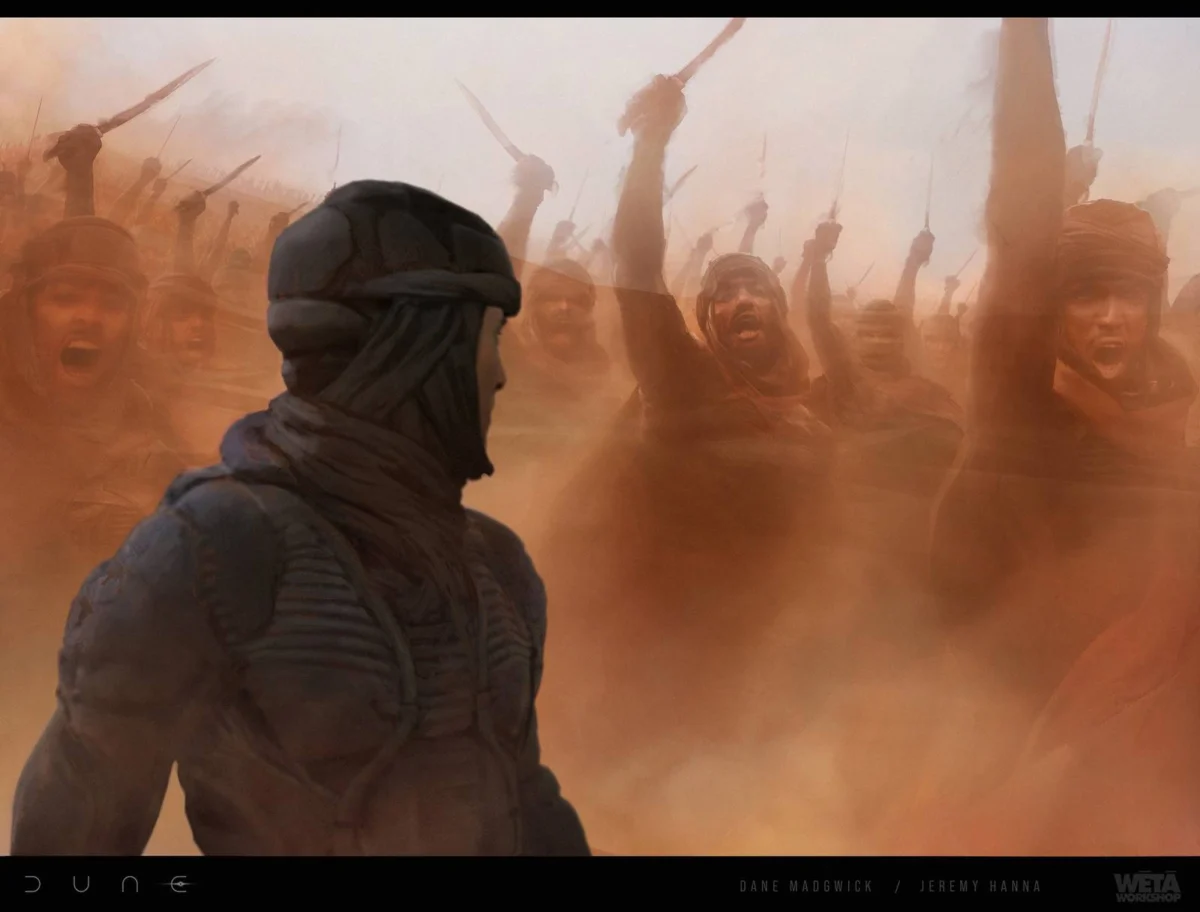
Denis Villeneuve’s cinematic adaptation of Frank Herbert’s seminal science fiction novel, Dune: Part One, has been widely lauded for its breathtaking visuals, immersive world-building, and faithful yet innovative interpretation of a complex narrative. Beyond the on-screen spectacle, the film’s success is deeply rooted in the meticulous and visionary concept art that laid the foundation for its distinctive aesthetic. A recent collection, prominently featuring contributions from a constellation of talented artists, offers an unparalleled glimpse into the creative process that transformed Herbert’s sprawling universe into a tangible, awe-inspiring reality.

This comprehensive showcase delves into the early sketches and foundational key art that meticulously crafted Dune: Part One‘s unique visual identity. It reveals how the production team masterfully navigated the expansive scope of the novel, translating its intricate lore into a cohesive and compelling aesthetic that seamlessly blends brutalist architecture with raw, naturalistic environments. The collection serves as a testament to the power of concept art in not only envisioning but also defining the very soul of a film.

The Architectural and Environmental Symphony of Arrakis
Central to the visual language of Dune: Part One is the striking juxtaposition of imposing, brutalist structures and the unforgiving, yet majestic, natural landscapes of Arrakis. The concept art vividly illustrates the deliberate choices made to convey the film’s core themes of power, survival, and the harsh realities of a desert planet. Early explorations by artists like Deak Ferrand offer foundational interpretations of key locations, such as the opulent yet functional architecture of Caladan and the stark, imposing fortresses of Arrakeen. Ferrand’s pieces demonstrate a keen understanding of scale and material, laying the groundwork for the film’s signature blend of imposing grandeur and gritty realism. His depictions of Geidi Prime, for instance, hint at the oppressive and industrial nature of the Harkonnen homeworld, a stark contrast to the more organic and weathered designs associated with Arrakis.

Further illuminating the environmental design, Jeffrey Read‘s contributions provide evocative explorations of Arrakis’s desolate beauty. His paintovers of the Caladan graveyard and forest settings, as well as the Arrakeen balcony exteriors, showcase a nuanced approach to environmental storytelling. These pieces capture the atmospheric weight and emotional resonance of the planet, suggesting how light, shadow, and geological formations would contribute to the film’s overall mood. The concept art effectively translates the novel’s descriptions of a planet sculpted by eons of wind and sand into visually arresting scenes, establishing the palpable sense of isolation and the ever-present threat of the desert.

Defining the Great Houses and the Fremen: A Visual Lexicon
The collection excels in its detailed exploration of the distinct identities of the story’s three primary power structures: House Atreides, the Fremen, and House Harkonnen. This visual exploration goes beyond mere aesthetics, delving into the technical and cultural nuances that define each faction.

House Atreides, characterized by their nobility and their deep connection to nature, are visually represented through art that emphasizes elegance, functionality, and a subtle nod to their legacy. Ed Natividad‘s designs for Atreides swords and blades showcase a blend of martial prowess and refined craftsmanship, reflecting the House’s martial tradition. His work on Fremen-specific elements, such as the compass and survival gear, highlights the ingenuity and resourcefulness of the desert dwellers.

In stark contrast, House Harkonnen are depicted with a visual language that speaks of brutal efficiency, industrial might, and a disturbing organicism. George Hull‘s concept art for the Harkonnen harvester and the Bene Gesserit ramp set reveal a commitment to a formidable and somewhat menacing aesthetic. His designs for the ornithopter, in its military dress, convey a sense of advanced, yet perhaps ethically compromised, technology. Hull’s work on the harvester, in particular, emphasizes its colossal scale and its utilitarian, almost predatory, design, embodying the Harkonnen’s exploitative nature. Nivanh Chanthara‘s explorations of Vladimir Harkonnen’s armor further amplify this, showcasing designs that are both imposing and unsettling, hinting at a physicality that is both intimidating and alien.

The Fremen, the indigenous people of Arrakis, are brought to life through concept art that emphasizes their deep integration with the harsh desert environment and their unique survival strategies. Jerad S. Marantz‘s detailed orthographic views of the stillsuit, the iconic Fremen garment, are a prime example of this focus on technical exploration. His designs for Baron Harkonnen’s armor, while perhaps intended for a different context, also demonstrate a deep understanding of form and material that informs the overall visual language of the film. Joseph Cross‘s contributions, including detailed renderings of the Fremen suit and the deadly crysknife, underscore the practicality and lethality of their equipment. Keith Christensen‘s work on Fremen stillsuit fabrication and soldier attire provides a granular look at the materials and construction that enable survival on Arrakis, while his alternative designs for Baron Harkonnen’s body and Bene Gesserit groups showcase a broad range of creative exploration.

The Artists Behind the Vision: A Pantheon of Talent
The success of Dune: Part One‘s visual realization is intrinsically linked to the caliber of the artists who contributed to its conceptualization. The collection highlights the individual visions of numerous talented individuals, each bringing their unique perspective to the world of Dune:

- Dane Madgwick: His evocative pieces, such as "Jessica in Meditation" and "Paul’s Vision," capture the spiritual and psychological dimensions of the narrative, hinting at the profound transformations and prescient visions that drive the story.
- Deak Ferrand: As mentioned, Ferrand’s work provides crucial foundational designs for the film’s environments and architecture, establishing the imposing scale and distinct visual character of key locations.
- Ed Natividad: Natividad’s contributions offer detailed explorations of weaponry and survival gear, demonstrating a keen eye for functional design and the specific needs of the characters within their environment.
- George Hull: Hull’s expansive portfolio includes designs for vehicles, weaponry, and architectural elements, showcasing his ability to create designs that are both grand in scale and rich in detail.
- Jeffrey Read: Read’s environmental concept art breathes life into the desolate landscapes of Arrakis and the more temperate settings of Caladan, imbuing them with atmosphere and emotional depth.
- Jerad S. Marantz: Marantz’s expertise in character and costume design is evident in his detailed explorations of the stillsuit and his imposing renderings of Baron Harkonnen’s armor.
- Jeremy Hanna: Hanna’s dynamic pieces, including "Duncan Idaho Arrakis," "Sinking Harvester," and "Worm Attack," convey a sense of action and scale, effectively capturing the visceral thrill of the film’s most iconic sequences. His "Crashed Ornithopter" also speaks to the perils of travel in this harsh world.
- Joseph Cross: Cross’s focused designs for the Fremen suit and the crysknife demonstrate an appreciation for the functional and cultural significance of these iconic elements.
- Kamen Anev: Anev’s architectural and environmental designs, such as "Arrakeen Courtyard" and "Residency Meeting Room," contribute to the lived-in feel of the film’s settings, while his "Spotter Ship" and "Worm" designs offer glimpses into the technological and ecological aspects of Arrakis.
- Keith Christensen: Christensen’s detailed work on Fremen stillsuit fabrication and soldier attire, alongside his alternative explorations of Baron Harkonnen and Bene Gesserit figures, showcases a deep dive into the intricacies of character and culture.
- Nivanh Chanthara: Chanthara’s designs for Vladimir Harkonnen’s armor are particularly striking, conveying a sense of brutal power and alien menace.
- Peter Popken: Popken’s architectural renderings of the Arrakeen Palace and his depiction of a "Crashed Ornithopter" offer compelling visual interpretations of key moments and locations.
- Seungjin Woo: Woo’s dynamic action sequences, such as "Duncan Chase" and his imposing sandworm designs, capture the raw power and danger inherent in the world of Dune.
- Steve Burg: Burg’s impressive designs for the Heighliner and the harvester/carryall showcase his mastery of large-scale vehicle design, contributing significantly to the film’s sense of technological advancement and industrial scale.
- Carlos Huante: Huante’s awe-inspiring and somewhat terrifying depictions of the sandworms, in various iterations, are a testament to the creature’s immense power and enigmatic presence.
The Art and Soul of Dune: A Deeper Dive
For those who wish to immerse themselves further in the visual tapestry of Dune: Part One, the accompanying book, "The Art and Soul of Dune," serves as an invaluable resource. This comprehensive volume offers an even more extensive collection of artwork, behind-the-scenes insights, and commentary from the filmmakers and artists themselves. It provides a deeper understanding of the creative decisions, the iterative process of design, and the collaborative spirit that brought Arrakis to life. The book is not merely a collection of images; it is a narrative in itself, detailing the journey from initial concept to final frame.

Implications for Future Adaptations and World-Building
The success of Dune: Part One‘s visual design, as evidenced by this concept art collection, carries significant implications for future cinematic adaptations and the broader landscape of science fiction world-building. It underscores the critical importance of a strong, cohesive visual identity that not only serves the narrative but also enhances the thematic depth of the story. The meticulous attention to detail in the concept art, from the brutalist architecture to the intricate survival gear, demonstrates a commitment to creating a believable and immersive universe.

The way the artists explored the distinct cultural and technological signatures of each faction provides a blueprint for how complex societal structures can be translated into visual language. This approach ensures that each group feels unique and grounded in its own history, environment, and philosophy. Furthermore, the collection highlights the power of iteration and collaboration in concept art. The variety of styles and approaches presented, while all contributing to a unified vision, showcases how different artistic perspectives can enrich and refine a singular creative goal.

Ultimately, this deep dive into the concept art of Dune: Part One reveals that the film’s visual splendor was not an accident but the result of a deliberate, inspired, and highly collaborative creative endeavor. It is a testament to the artists who dared to dream of Arrakis and then meticulously rendered that dream into a reality that captivated audiences worldwide. The legacy of this visual foundation will undoubtedly continue to influence how audiences perceive and experience the world of Dune for years to come.


Leave a Comment