Virtual Tabletop Evolution: All On Board Expands Library with Strategic Card Game ‘Virus!’
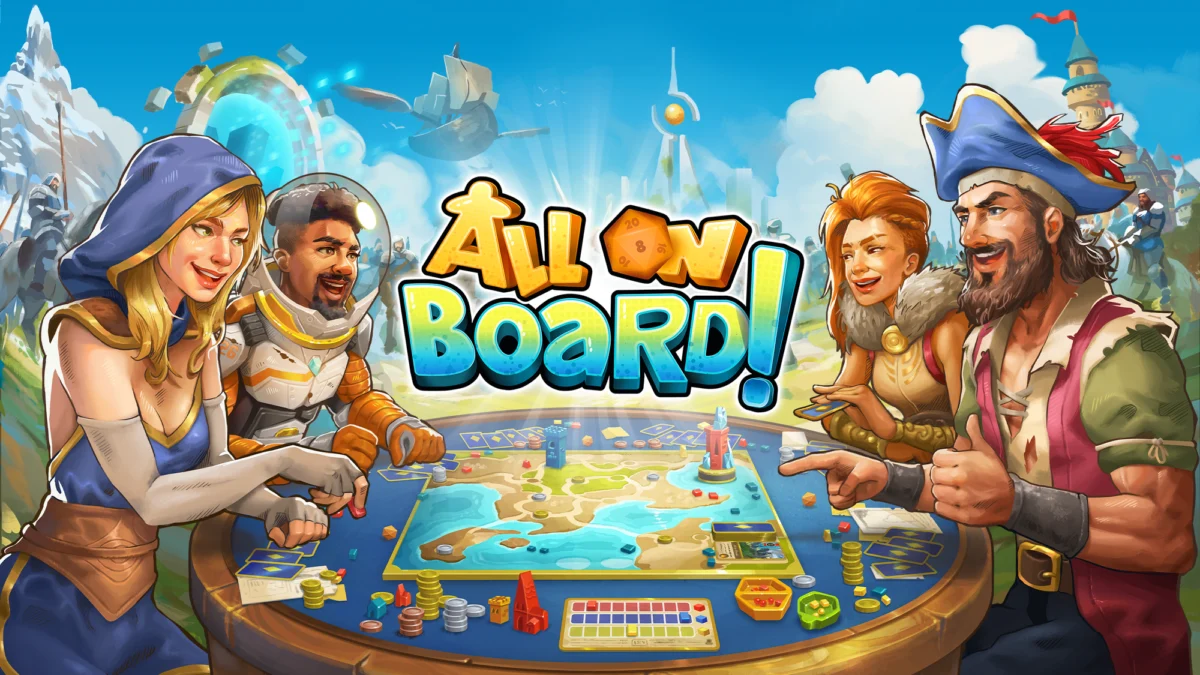
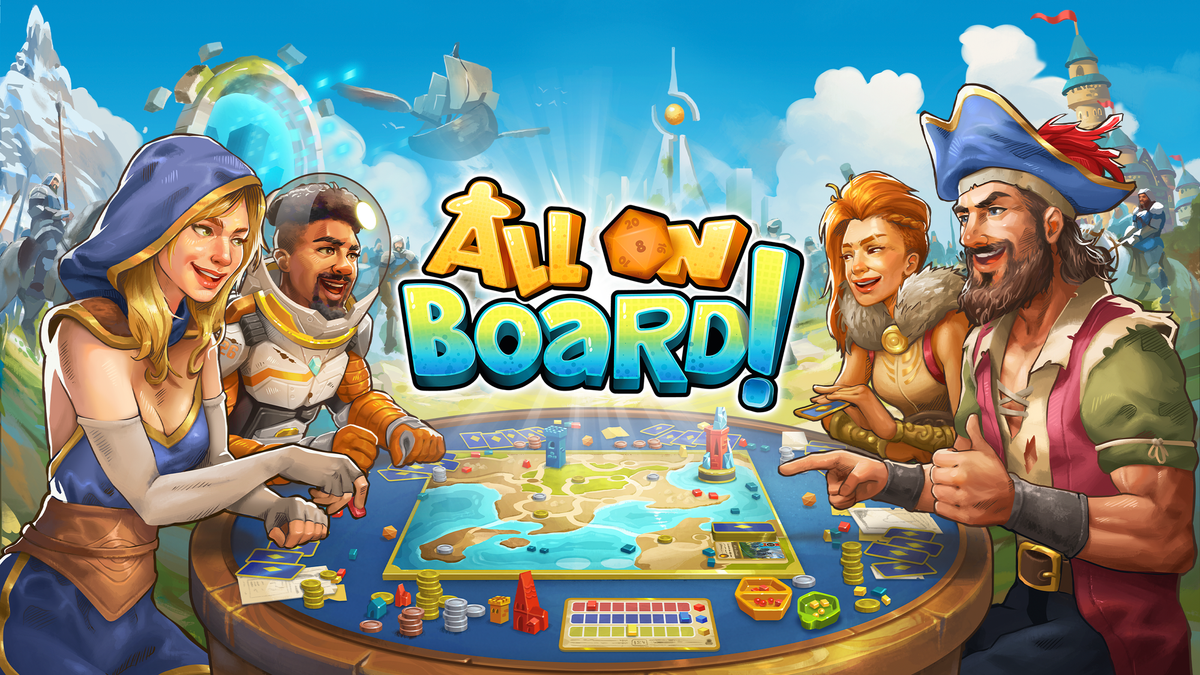
The landscape of digital tabletop gaming is undergoing a significant transformation, driven by the immersive capabilities of virtual reality. At the forefront of this movement is All On Board, a premier VR tabletop platform developed by the acclaimed studio The Game Kitchen. In a recent announcement that has stirred the VR gaming community, the developers revealed that the popular card game Virus! will be joining the platform’s library as a free update on August 20, 2025. This addition marks a pivotal moment for the platform as it continues to bridge the gap between physical social gatherings and digital convenience.
Main Facts: The Arrival of ‘Virus!’ on All On Board
The Game Kitchen, the Seville-based studio previously known for the dark fantasy hit Blasphemous, has officially slated August 20 as the release date for Virus! on both Meta Quest and SteamVR. Unlike many of the high-profile licensed expansions previously released for the platform, Virus! will be available for free to all owners of the All On Board base game.
What is ‘Virus!’?
Originally a physical card game published by Tranjis Games, Virus! is a fast-paced, family-friendly game of strategy and sabotage. The core objective is simple yet competitive: players must be the first to assemble a "healthy body" consisting of four distinct organ cards: the brain, the heart, the bone, and the stomach. However, the path to victory is fraught with biological warfare. Opponents can play "Virus" cards to infect or destroy your organs, while "Medicine" cards are used to immunize or heal them. Treatment cards further complicate the meta-game, allowing players to steal organs or swap entire bodies.
Platform Availability and Technical Integration
Virus! will be fully integrated into the All On Board ecosystem, benefiting from the platform’s advanced physics engine and social features. Key technical details include:
- Cross-Play Support: Players on Meta Quest (2, 3, and Pro) can seamlessly play with those using SteamVR-compatible headsets.
- Spatial Audio: The update utilizes spatialized voice chat, allowing players to feel the physical presence of their friends around the virtual table.
- Intuitive Interaction: Leveraging the platform’s "physics-first" approach, players will physically draw, flip, and toss cards, mimicking the tactile sensation of a real-world game night.
Chronology: The Journey of All On Board
To understand the significance of the Virus! release, one must look at the developmental trajectory of All On Board, which has positioned itself as the spiritual successor to traditional tabletop simulators, optimized specifically for the VR medium.
2022: The Vision and Kickstarter
The Game Kitchen launched a Kickstarter campaign in mid-2022, proposing a VR platform that didn’t just simulate board games but simulated the experience of being at a table with friends. The campaign was a resounding success, tapping into a market of tabletop enthusiasts who found traditional PC simulators (like Tabletop Simulator) too cumbersome or lacking in "social presence."
2023 – 2024: Beta Phases and Licensing Acquisitions
Throughout late 2023 and 2024, the developers focused on securing high-profile licenses. They recognized that while generic games like Chess and Backgammon are essential, the platform’s longevity depended on "big-box" board games. Partnerships were forged with major publishers to bring titles like Terraforming Mars, The Binding of Isaac: Four Souls, and Rallyman GT to the VR space.
February 2025: The Global Launch
All On Board officially launched in February 2025. It arrived with a "freemium" model where the base platform included a suite of classic games (Chess, Parcheesi, etc.), while licensed titles were sold as DLC. Crucially, the platform implemented a "Guest Pass" system: only one player needs to own a licensed game for the entire group to play it together.
August 2025: The ‘Virus!’ Update
The announcement of Virus! during the August VR Games Showcase represents the first major post-launch expansion of the free library. It signals a commitment by The Game Kitchen to maintain a healthy player base by providing high-quality, licensed content without an additional price tag.
Supporting Data: The Growth of the VR Tabletop Market
The expansion of All On Board is backed by shifting trends in the gaming industry. As VR hardware becomes more accessible—specifically through the success of the Meta Quest 3—the demand for "cozy" and "social" VR experiences has outpaced the demand for traditional high-action shooters.
Market Metrics
- User Retention: Internal data from VR platforms suggests that social board gaming has a higher "long-term retention rate" compared to single-player experiences. Users return to the platform not just for the game, but for the social interaction.
- The "One-Purchase" Factor: The All On Board model of allowing one owner to host multiple guests has been cited by analysts as a primary driver for its adoption over competitors. It mirrors the physical world where only one person in a friend group usually owns the board game box.
- Physical to Digital Pipeline: Virus! has sold over 1.5 million physical copies worldwide. By bringing such a recognizable IP to VR, The Game Kitchen is targeting "non-gamers" who are already familiar with the card game, potentially expanding the VR user base.
The Current Library
With the addition of Virus!, the All On Board library now spans several tiers of complexity:
- Classic Tier (Free): Chess, Checkers, Backgammon, Parcheesi, and now Virus!.
- Mid-Core Tier (Paid DLC): The Binding of Isaac: Four Souls, Escape from the Asylum.
- Expert Tier (Paid DLC): Terraforming Mars, Rallyman GT, Black Rose Wars.
Official Responses: The Developer’s Vision
During the VR Games Showcase, representatives from The Game Kitchen emphasized that All On Board is more than just a software library; it is a social hub.
In a statement following the teaser trailer, the development team noted:
"Our goal with All On Board was always to recreate the ‘magic’ of a Friday night game session. Virus! is the perfect addition because it is chaotic, fast, and highly interactive. It encourages the kind of table talk and friendly rivalry that makes VR social gaming so special. We are thrilled to offer this to our community for free as a thank you for their support since our February launch."
The developers also addressed the technical challenges of bringing a card-heavy game to VR. They highlighted the "Smart Hand" system, which allows players to keep their cards private from others while still being able to manipulate them naturally in 3D space. This system was refined specifically for the fast-paced nature of Virus!, where players must react quickly to infections.
Implications: The Future of Digital Tabletop Gaming
The release of Virus! on August 20 carries several broader implications for the VR industry and the tabletop hobby at large.
1. The Death of Distance
As remote work and global migration continue to separate friend groups, platforms like All On Board are becoming essential social infrastructure. The addition of Virus!—a game known for its accessibility—suggests a move toward "entry-level" VR. It lowers the barrier to entry, allowing people who aren’t "hardcore gamers" to find value in a VR headset.
2. Competitive Pressure on Tabletop Simulator
For years, Tabletop Simulator (TTS) on Steam has been the dominant force in the industry. However, TTS was built for mouse-and-keyboard and often feels clunky in VR. All On Board is a "VR-native" competitor. By securing exclusive licensed content and offering a more polished, user-friendly interface, The Game Kitchen is successfully challenging the status quo.
3. A New Revenue Model for Board Game Publishers
For board game publishers like Tranjis Games (the creators of Virus!), the VR space offers a secondary revenue stream and a powerful marketing tool. A player who enjoys Virus! in VR is statistically more likely to purchase a physical copy for in-person gatherings, and vice versa. This creates a symbiotic relationship between the physical and digital tabletop industries.
4. The "Platform as a Service" (PaaS) Evolution
All On Board is evolving into a service rather than a standalone product. With the promise of more free and paid games on the horizon, the platform is mimicking the "season pass" or "content drop" model seen in major AAA titles like Fortnite or Call of Duty, but applied to the world of meeples and dice.
Conclusion
The arrival of Virus! on August 20 is a testament to the growing sophistication of the VR tabletop genre. By combining a beloved, high-energy card game with the immersive social features of All On Board, The Game Kitchen is reinforcing the idea that the future of board gaming isn’t just on a wooden table—it’s in the headset. As the platform continues to expand its catalog, it moves closer to becoming the definitive "virtual game room" for players around the world. Whether you are immunizing a virtual heart or sabotaging a friend’s brain, the digital tabletop has never felt more alive.