
"Hello Wizard I Have a Problem" Conjures Laughter with Innovative Incompetence in New TTRPG
FOR IMMEDIATE RELEASE
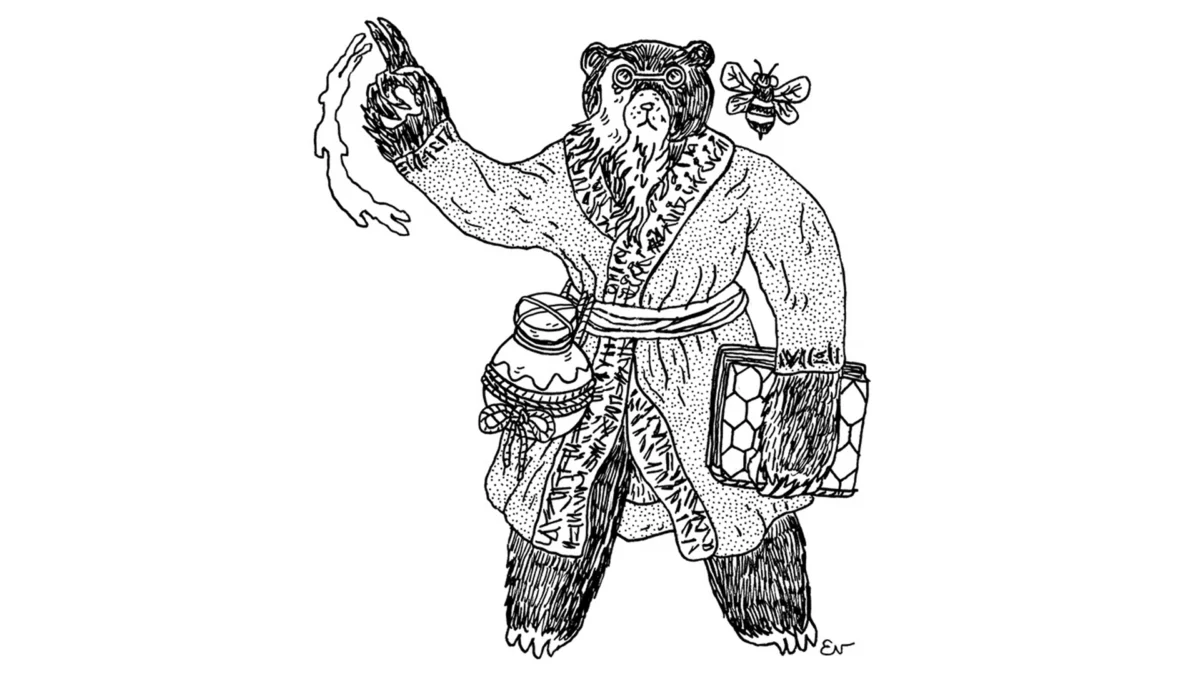
[City, State] – [Date] – A new tabletop roleplaying game (TTRPG) titled Hello Wizard I Have a Problem has successfully emerged from its crowdfunding campaign, promising players a riotous dive into the chaotic lives of powerful yet hilariously incompetent spellcasters. Designed by Sam Armstrong and featuring artwork by Evlyn Moreau, this innovative game invites players into a collaborative storytelling experience where magic frequently goes awry, leading to absurd and unforgettable scenarios.
At its core, Hello Wizard I Have a Problem distinguishes itself with a unique shared Game Master (GM) system and a focus on improvisational comedy, drawing inspiration from British absurdist humor à la Monty Python, The Mighty Boosh, and the mockumentary style of What We Do in the Shadows. The game offers a refreshing departure from traditional fantasy narratives, emphasizing laughter and creative problem-solving as spells inevitably backfire in spectacular fashion.
Main Facts: Unveiling "Hello Wizard I Have a Problem"
Hello Wizard I Have a Problem is not just another fantasy RPG; it’s a meticulously crafted comedic engine designed to generate spontaneous hilarity. The game’s premise is delightfully simple yet profoundly effective: players embody a coven of wizards, each possessing immense magical power, but critically lacking in control, foresight, or perhaps just common sense. The core appeal lies in the dramatic tension between their grand intentions and the inevitable, often ludicrous, failures of their spells.
A Fresh Take on Fantasy Comedy
The landscape of tabletop RPGs is vast, encompassing epic high fantasy, gritty cyberpunk, cosmic horror, and everything in between. However, a niche that has seen burgeoning growth is the comedic RPG, where the primary objective isn’t necessarily to "win" or "defeat the big bad," but to create a memorable, humorous narrative with friends. Hello Wizard I Have a Problem slots perfectly into this category, pushing the boundaries of what constitutes "success" in a magical endeavor. Instead of focusing on precision and power, the game celebrates the magnificent mess of magical ineptitude.
The influences cited by the creators—Monty Python, The Mighty Boosh, and What We Do in the Shadows—are crucial to understanding the game’s tone. These works are renowned for their surreal humor, quick-fire gags, and characters who, despite their fantastical circumstances, often grapple with mundane problems or exaggerated human flaws. Hello Wizard aims to replicate this blend, placing powerful wizards in situations where their magic creates more problems than it solves, leading to a cascade of comical complications. Players aren’t just telling a story; they’re actively participating in the creation of a collective comedy sketch, with each spell cast serving as a potential punchline.
Innovative Collaborative Storytelling
One of the most striking features of Hello Wizard I Have a Problem is its departure from the traditional singular Game Master model. In this game, the role of the GM is fluid and shared among all players. Each scene sees one player take the spotlight, describing their wizard’s grand magical attempt. It is then up to the other players, acting collectively as a dynamic GM, to decide precisely how and why that spell goes spectacularly wrong. This innovative structure fosters an environment of shared narrative control and creative improvisation, ensuring that every player is deeply invested in both the successes (rare as they might be) and the failures (frequent and glorious) of their fellow spellcasters.
This collaborative GMing approach eliminates the burden often placed on a single individual to carry the narrative and adjudicate rules, instead distributing creative input and comedic responsibility across the table. It encourages players to build on each other’s ideas, escalating the absurdity with each failed incantation. The objective isn’t merely to cast a spell; it’s to entertain and impress the other "sorcerers" with the sheer spectacle of one’s magical prowess—or lack thereof. Points are loosely awarded based on this improv system, ultimately determining who is the "most impressive wizard," a title likely bestowed upon the player who instigated the most memorable and disastrous magical mishap.
A Journey Through Development and Crowdfunding
The journey of Hello Wizard I Have a Problem from concept to a fully funded project is a testament to the vibrancy of the independent TTRPG scene and the power of community support through crowdfunding.
From Concept to Campaign: The Genesis of "Hello Wizard"
The genesis of Hello Wizard I Have a Problem lies in the creative vision of Sam Armstrong, a designer known for exploring unique thematic territories within the TRPG space. Recognizing a gap for a truly improvisational, rules-light comedic experience centered around magical blunders, Armstrong began to conceptualize a system that prioritized narrative over complex mechanics. The goal was to remove barriers to entry, making the game accessible to both seasoned roleplayers and newcomers alike.
The development process likely involved extensive playtesting to fine-tune the collaborative GM mechanics and ensure the "Problem Generator" delivered consistent comedic gold. Crafting a system that could produce "over 200,000 prompts for possible disastrous outcomes" is a significant undertaking, requiring a deep understanding of comedic timing and narrative potential. The rulebook, therefore, isn’t just a collection of rules, but a toolkit for generating endless tales of magical woe and wonder. This iterative process, common in indie game development, ensures that the final product is not only fun but robust enough to support countless hours of unique gameplay.
Kickstarter Success and Community Engagement
The crowdfunding campaign for Hello Wizard I Have a Problem launched on Kickstarter, a platform that has become a vital incubator for independent TTRPGs. The campaign successfully concluded, reaching its funding goals and demonstrating a significant appetite within the gaming community for innovative, narrative-driven experiences. The financial backing secured through Kickstarter will enable the creators to bring the physical copies of the game to life, covering production, printing, and distribution costs.
The tiered pledge system offered backers various ways to support the project, from a digital PDF version for approximately $5 (£4) to a physical copy for around $10 (£8), with an estimated delivery in June. This accessibility in pricing further underscores the game’s commitment to reaching a broad audience. The success of the campaign is not just about financial targets; it’s also about building a community around the game, engaging with early adopters, and generating excitement for its eventual release. Kickstarter often serves as a powerful marketing tool, bringing niche projects to the attention of a global audience of enthusiasts. The ongoing engagement with backers post-campaign, typically through updates on production and fulfillment, is crucial for maintaining this community spirit.
Deeper Dive into Mechanics and Design Philosophy
The ingenuity of Hello Wizard I Have a Problem truly shines in its mechanics, which are deceptively simple yet engineered to maximize player interaction and comedic output.
The Art of Incompetent Magic: How Spells Go Wrong
The central loop of Hello Wizard revolves around a player character attempting to cast a spell, and the collective GM then determining its catastrophic failure. This isn’t about arbitrary failure; it’s about creative failure. The "collective GM" isn’t there to simply say "no" or "it fails"; they are tasked with injecting specific, often bizarre, consequences into the spell’s outcome. For example, a wizard attempting to conjure a feast might accidentally summon an army of sentient, overly polite teacups. Or a teleportation spell might transport the caster, but leave their beard behind.
This mechanic encourages players to think on their feet, not just as spellcasters but as collaborative storytellers. When a spell goes wrong, it’s not a setback; it’s an opportunity for comedic escalation. The player whose spell failed then has to react to this new, absurd reality, potentially attempting another spell to fix the first, only to exacerbate the situation further. This rapid-fire scene progression, where one magical misstep leads to another, is the engine of the game’s humor and its narrative drive.
The Revolutionary "Problem Generator"
The heart of Hello Wizard‘s replayability and comedic versatility lies in its "Problem Generator." This tool, integrated into the rulebook, is designed to inspire and guide the collective GM in crafting imaginative spell failures. With over 200,000 potential prompts, the generator ensures that no two playthroughs will ever be the same, and the well of bizarre outcomes will rarely run dry.
Imagine a roll of the dice or a simple prompt leading to scenarios like:
- "Your spell to turn lead into gold instead turns all nearby livestock into perfectly sculpted marble statues of themselves."
- "Attempting to mend a broken vase, your magic instead fuses it with the nearest sentient being, giving the vase a voice and a strong opinion on pottery."
- "A simple light cantrip causes all sources of illumination in a five-mile radius to sing opera, off-key, for the next hour."
These types of prompts spark immediate improvisational thinking, giving players a springboard for their comedic contributions. The sheer volume of possibilities means that even veteran groups will constantly encounter fresh, unexpected challenges, keeping the game dynamic and preventing repetition. It’s a brilliant design choice that mitigates potential "writer’s block" for the collective GM, ensuring a constant flow of creative absurdity.
Shared Narratives: The Rotating GM Model
The innovative rotating GM model is a cornerstone of Hello Wizard I Have a Problem‘s design philosophy. By removing the traditional, often demanding, role of a single Game Master, the game democratizes storytelling and empowers every player to contribute to the narrative’s direction. This system offers several key advantages:
- Reduced Barrier to Entry: New players, or those intimidated by the responsibilities of GMing, can jump into Hello Wizard without feeling overwhelmed. The shared burden makes the experience less daunting.
- Increased Engagement: Every player is actively involved in every scene, either as the spotlight caster or as part of the collective GM shaping the consequences. This keeps everyone at the table engaged and invested.
- Dynamic Storytelling: With multiple minds contributing to the "how spells go wrong," the narrative takes unpredictable and often more humorous turns than a single GM might conceive. It fosters a truly collaborative and spontaneous story.
- No "Burnout": Traditional GMs can sometimes experience burnout from the extensive preparation and mental load required. The rotating GM model distributes this load, keeping the game fresh and fun for everyone.
This approach aligns with a growing trend in indie TTRPGs towards more player-centric, narrative-focused designs that prioritize shared authorship and emergent storytelling over strict rules adherence or a single overarching plot.
Accessibility and Player Experience at its Core
Beyond its unique mechanics, Hello Wizard I Have a Problem prioritizes accessibility and a streamlined player experience. The rulebook is designed to be straightforward and easy to learn, allowing players to grasp the core concepts quickly and dive into gameplay with minimal setup time. This emphasis on rapid onboarding makes the game ideal for one-shot sessions, casual game nights, or as an introduction to TTRPGs for those new to the hobby.
The inclusion of "advice and optional rules" in the rulebook further enhances the player experience, allowing groups to tailor the game to their preferences. This flexibility ensures that while the core experience is consistent, groups can experiment with different levels of complexity or specific comedic angles. Ultimately, the design philosophy behind Hello Wizard is about creating a joyful, low-stress environment where laughter is the primary currency and creative improvisation is king.
The Minds Behind the Magic
The success and unique flavor of Hello Wizard I Have a Problem are a direct result of the talents of its creators, Sam Armstrong and Evlyn Moreau, whose previous works hint at their innovative approaches to game design and visual storytelling.
Sam Armstrong: A Legacy of Unique TRPGs
Sam Armstrong is an established voice in the independent TTRPG scene, known for crafting games that challenge conventions and explore distinct themes. His previous titles offer a glimpse into the design philosophy that underpins Hello Wizard I Have a Problem:
- All Bastard: A fantasy TRPG that flips the traditional hero narrative, allowing players to embody either bragging heroes or the "bastards" they ostensibly defeated. This game highlights Armstrong’s interest in subverting tropes and exploring morally ambiguous or alternative perspectives, often with a comedic edge.
- Slasher: A horror roleplaying game, demonstrating Armstrong’s versatility across genres. While seemingly a stark contrast to Hello Wizard, Slasher likely shares a focus on compelling narrative, atmospheric world-building (even if horrific), and player-driven drama.
Armstrong’s work consistently demonstrates a commitment to creating engaging, character-driven experiences that prioritize storytelling and player agency. In Hello Wizard, this translates into a system that empowers players to craft their own comedic narratives through their magical blunders, rather than being constrained by rigid plotlines. His experience with diverse genres suggests a designer who understands how to distill core mechanics to serve a specific thematic purpose, in this case, pure, unadulterated comedic chaos.

Evlyn Moreau: Crafting the Visual Identity
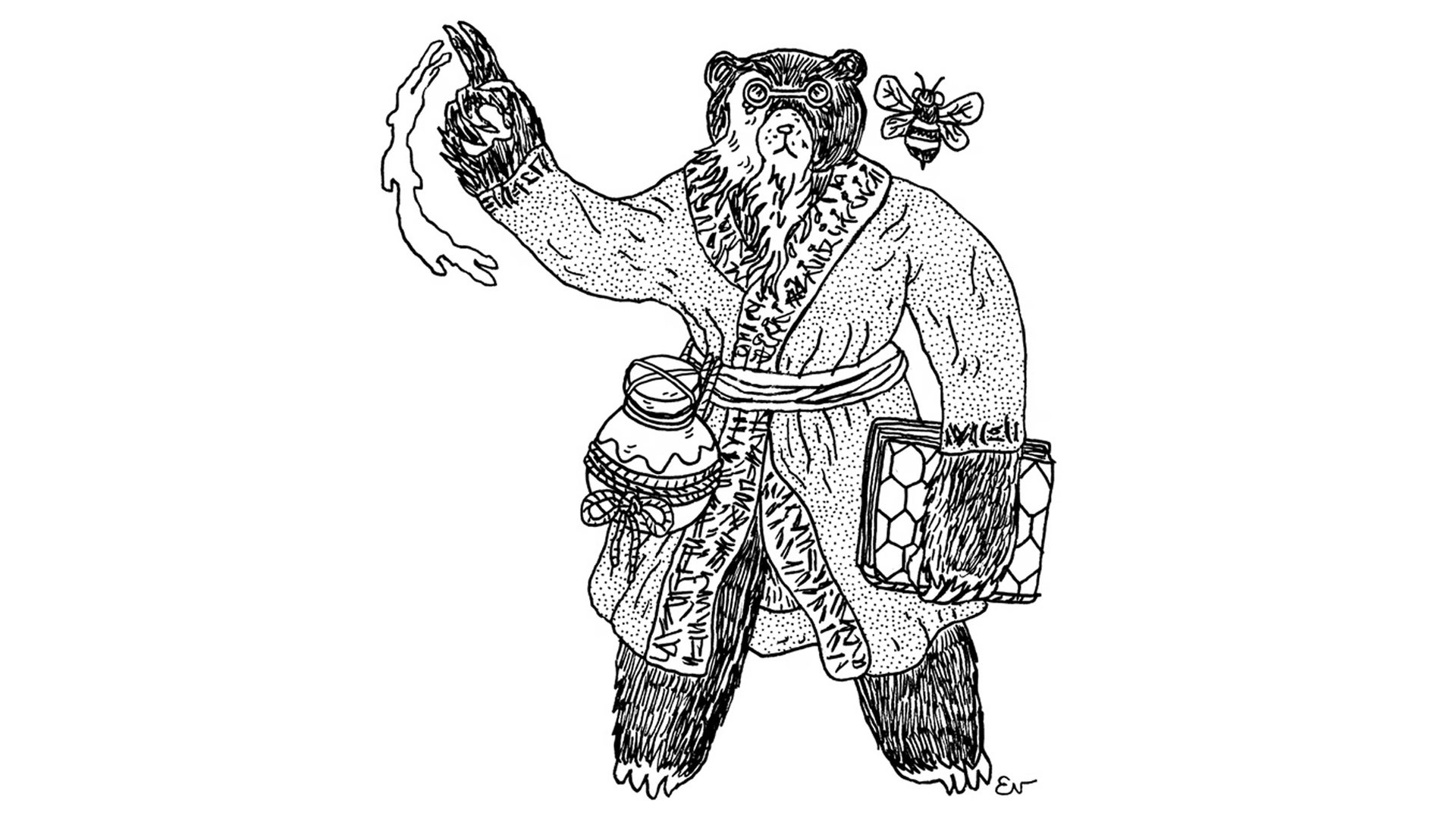
The artwork for Hello Wizard I Have a Problem is brought to life by the distinctive style of illustrator Evlyn Moreau. Moreau’s contributions are vital in establishing the game’s whimsical, slightly off-kilter aesthetic, which perfectly complements its absurdist tone. Her previous work on RPGs like Liminal High School suggests an ability to capture the surreal and the fantastical with a unique artistic flair.
Moreau’s illustrations are likely to be vibrant, expressive, and imbued with a sense of playful energy, visually communicating the game’s lighthearted approach to magic and its chaotic outcomes. Good TTRPG art doesn’t just decorate the rulebook; it inspires players, sets the mood, and helps to visualize the fantastical world they are inhabiting. For Hello Wizard, Moreau’s art undoubtedly plays a crucial role in enhancing the comedic impact, depicting the outlandish creatures, failed spells, and befuddled wizards with a style that encourages laughter and imagination. The collaboration between Armstrong’s innovative design and Moreau’s evocative art creates a cohesive and immersive experience that draws players into its unique world.
Broader Context: The Evolving Landscape of Tabletop RPGs
Hello Wizard I Have a Problem arrives at a fascinating time for the tabletop roleplaying game industry, reflecting several key trends and contributing to the hobby’s ongoing evolution.
The Rise of Indie and Narrative-Focused Games
The last decade has seen an explosion in the popularity of independent TTRPGs. Platforms like Kickstarter and Itch.io have democratized game publishing, allowing creators like Sam Armstrong to bypass traditional publishers and connect directly with their audience. This has led to a rich diversity of games that explore niche themes, innovative mechanics, and narrative styles often overlooked by larger companies.
Hello Wizard embodies this indie spirit: it’s a lean, focused game that prioritizes a specific kind of player experience (comedic improv) over sprawling campaigns or complex character builds. This trend towards "rules-light, narrative-heavy" games appeals to a segment of the market looking for more accessible, less time-intensive ways to engage with roleplaying. These games often emphasize collaborative storytelling, player agency, and emotional engagement over intricate combat systems or strict adherence to lore. They are designed to be picked up and played quickly, catering to busy adults or groups looking for a refreshing change of pace from longer, more involved campaigns.
The Enduring Appeal of Absurdist Humor in Gaming
Absurdist humor has a long and storied history across various forms of media, and its presence in gaming, particularly TTRPGs, is becoming increasingly prominent. Games like Honey Heist, Lasers & Feelings, and Fiasco have demonstrated a strong demand for experiences that prioritize laughter and unexpected twists over serious drama.
Hello Wizard I Have a Problem taps into this enduring appeal by providing a structured framework for generating improvisational comedy. The "Problem Generator" ensures a constant stream of ludicrous situations, while the rotating GM system encourages players to escalate the absurdity. This type of humor resonates because it offers an escape from the stresses of daily life, allowing players to embrace silliness and enjoy the unpredictable nature of collective storytelling. In a world often filled with serious challenges, the opportunity to gather with friends and laugh at fictional incompetence is a powerful draw. The game contributes to the growing subgenre of "comedy RPGs" that are proving to be immensely popular for their social and entertainment value.
Implications for Players and the Industry
The arrival of Hello Wizard I Have a Problem carries several implications, both for individual gaming groups and for the broader TTRPG industry.
Fostering Creativity and Laughter
For players, Hello Wizard offers a unique opportunity to flex their creative muscles in a low-stakes, high-fun environment. The game actively encourages improvisation, out-of-the-box thinking, and collaborative storytelling, skills that extend beyond the game table. By embracing the absurdity of magical failure, players are free to experiment with wild ideas without fear of "doing it wrong." The primary goal is laughter, and the mechanics are designed to generate it consistently. This focus on shared enjoyment and creative expression makes Hello Wizard an excellent choice for groups looking to bond over humorous narratives and unforgettable moments. It’s a game that promises not just a story, but an experience.
Paving the Way for Accessible Roleplaying
The streamlined rules, quick setup, and innovative shared GM system of Hello Wizard I Have a Problem are significant for improving the accessibility of tabletop roleplaying. The traditional perception of TTRPGs often involves complex rulebooks, extensive preparation, and a dedicated GM, which can be daunting for newcomers. Hello Wizard dismantles many of these barriers, making it an ideal "gateway game" for those curious about the hobby but hesitant to dive into more complex systems. Its approachable design could attract a wider audience, introducing more people to the joys of collaborative storytelling and imaginative play. This contributes to the overall growth and diversification of the TTRPG community.
Future Horizons for "Hello Wizard" and its Creators
With the successful crowdfunding campaign and the impending release of Hello Wizard I Have a Problem, the future looks bright for both the game and its creators. The potential for expansions, additional "Problem Generator" modules, or even spin-off titles exploring different genres with similar core mechanics is considerable. Sam Armstrong’s track record of diverse and innovative designs suggests he is likely to continue pushing boundaries in the TTRPG space. Evlyn Moreau’s distinctive artwork will undoubtedly continue to captivate audiences, lending a unique visual identity to future projects. The success of Hello Wizard could solidify Armstrong’s reputation as a master of concise, highly engaging comedic game design, and further establish Moreau as a sought-after illustrator in the indie TTRPG community. The game’s potential availability on Armstrong’s Itch.io page after its Kickstarter fulfillment also ensures ongoing access for those who missed the campaign, allowing its unique brand of magical mayhem to reach an even broader audience.
In conclusion, Hello Wizard I Have a Problem stands out as a charmingly chaotic and brilliantly designed tabletop roleplaying game. By embracing incompetence and fostering collaborative creativity, it promises to deliver countless hours of laughter and unforgettable stories, cementing its place as a refreshing and accessible addition to the ever-evolving world of TTRPGs.

Leave a Comment