
From the Throne to the Silo: Re-evaluating Rebecca Ferguson’s Breakthrough in ‘The White Queen’
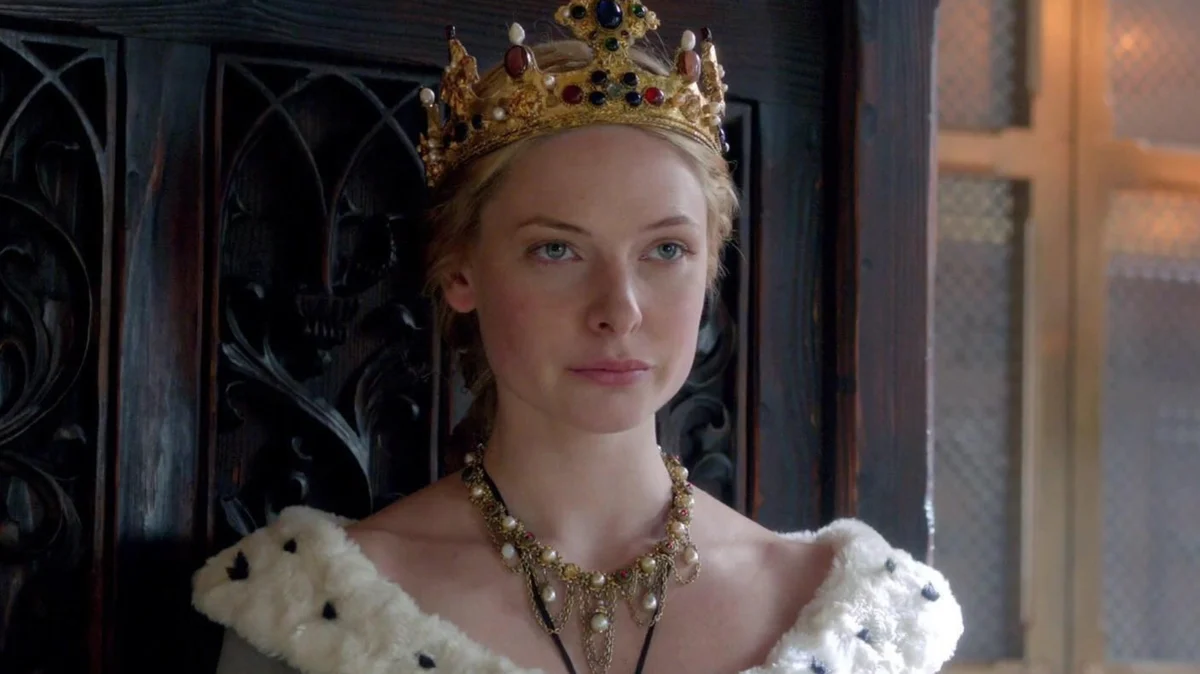
Before she was navigating the subterranean depths of a dystopian future in Apple TV+’s Silo or executing high-stakes espionage alongside Tom Cruise in the Mission: Impossible franchise, Rebecca Ferguson was a burgeoning talent making waves in the royal courts of 15th-century England. While Ferguson is currently cemented as a premier figure in modern science fiction and action cinema, her international breakthrough came via the BBC/Starz historical miniseries The White Queen.
Released in 2013, the ten-part drama offered a nuanced, female-centric perspective on the Wars of the Roses—a period of English history often dominated by the narratives of kings and soldiers. Ferguson’s portrayal of Elizabeth Woodville, the "White Queen," remains a cornerstone of her career, earning her critical acclaim and a Golden Globe nomination. As audiences flock to her current projects, a retrospective look at The White Queen reveals the foundations of the commanding screen presence Ferguson possesses today.
Main Facts: A Dynastic Drama Through a Female Lens
The White Queen is an adaptation of Philippa Gregory’s historical novel series, The Cousins’ War. Set against the backdrop of the mid-to-late 15th century, the series chronicles the brutal struggle for the English throne between the House of York and the House of Lancaster. However, unlike traditional historical epics that focus on the battlefield, this miniseries pivots the camera toward the women operating within the shadows of the court.
Rebecca Ferguson stars as Elizabeth Woodville, a commoner and widow of a Lancastrian knight who catches the eye of the Yorkist King Edward IV (played by Max Irons). Their secret marriage sets off a chain of political betrayals, familial rifts, and dynastic shifts that would eventually lead to the rise of the Tudor era.
The series was a massive undertaking, co-produced by the BBC and the American premium cable network Starz. With a budget estimated around £25 million, it was filmed primarily in Belgium, utilizing the well-preserved medieval architecture of Bruges and Ghent to stand in for 15th-century London and Westminster.
Chronology: The Rise of Elizabeth Woodville
The narrative of The White Queen spans over two decades, beginning in 1464. The chronology of the series is essential to understanding Ferguson’s performance, as she is required to age her character from a young, vulnerable widow to a hardened, calculating matriarch.
- The Secret Union (1464): The series begins with the chance meeting between Elizabeth and Edward IV. Their marriage is a scandal that disrupts the political alliances of the "Kingmaker," the Earl of Warwick.
- The Coronation and Conflict: Elizabeth is crowned Queen of England, but her position is precarious. She must navigate the hostility of the court and the rising threat of the Lancastrian forces.
- The Loss of Power: Following the sudden death of Edward IV, the series shifts into its darkest phase. Elizabeth becomes a Queen Dowager, forced to take sanctuary in Westminster Abbey as her sons—the "Princes in the Tower"—are declared illegitimate and disappear under the reign of Richard III.
- The Tudor Emergence: The series concludes with the Battle of Bosworth Field, marking the end of the Plantagenet dynasty and the beginning of the Tudors, with Elizabeth’s daughter, Elizabeth of York, marrying Henry VII to unite the warring houses.
Throughout this timeline, Ferguson portrays Elizabeth not merely as a victim of history, but as a proactive agent. The show explores the contemporary rumors that the Woodville women practiced witchcraft, adding a layer of mysticism to Ferguson’s performance that bridges the gap between historical realism and psychological thriller.
Supporting Data: Ratings, Awards, and Career Impact
At the time of its release, The White Queen was a significant cultural event for the BBC. The premiere episode drew approximately 5.3 million viewers in the United Kingdom. In the United States, the series found a dedicated audience on Starz, where it was lauded for its high production values and "prestige TV" aesthetic.
Award Recognition
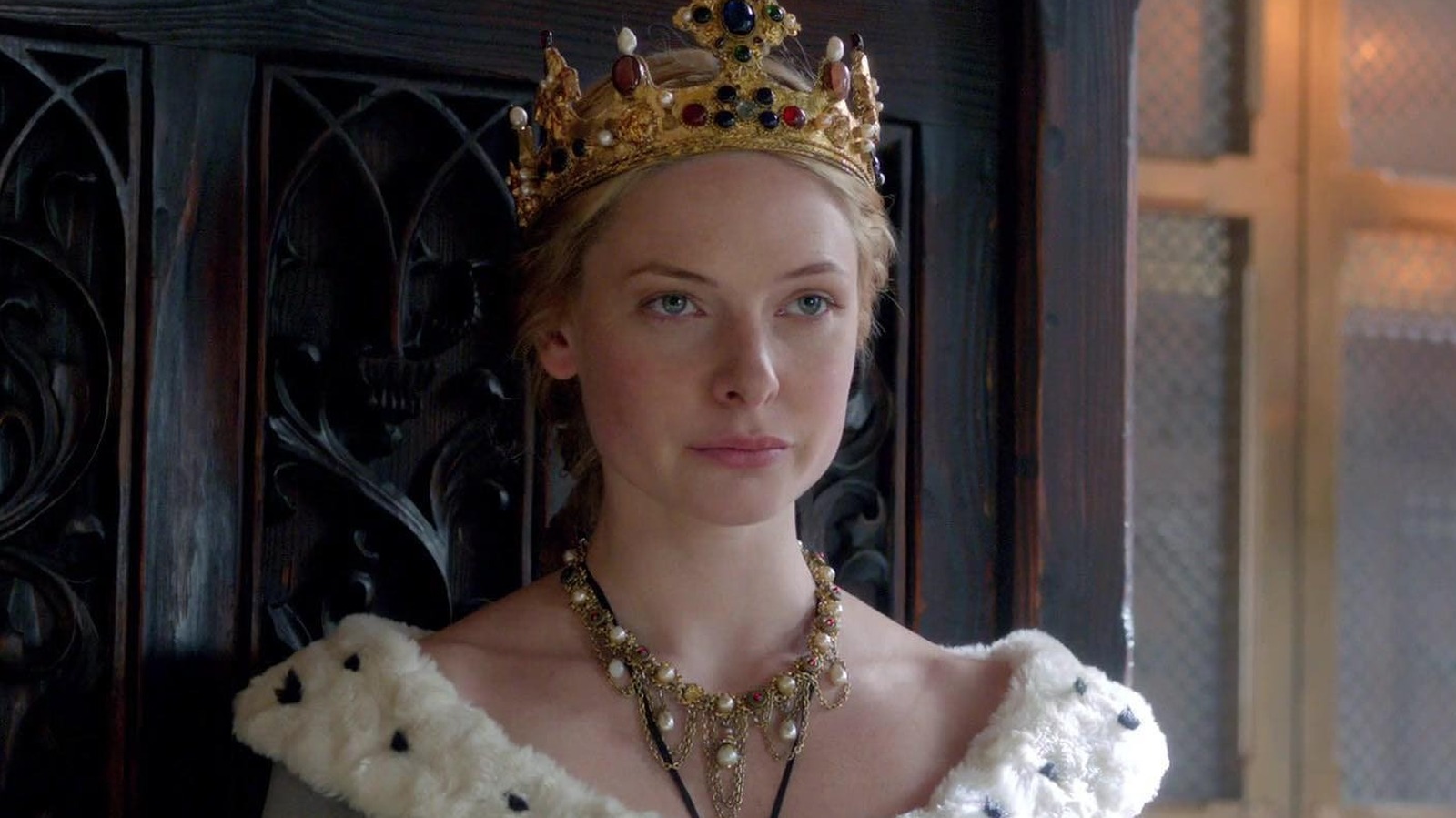
Rebecca Ferguson’s performance was the standout element of the production. In 2014, she received a Golden Globe nomination for Best Actress in a Miniseries or Motion Picture Made for Television. Although she did not win, the nomination served as her formal introduction to the Hollywood elite. Critics praised her ability to convey immense emotional depth with minimal dialogue, a trait that has become a hallmark of her acting style.
The "Tom Cruise" Effect
The industry impact of The White Queen cannot be overstated. It is widely reported that Tom Cruise decided to cast Ferguson in Mission: Impossible – Rogue Nation (2015) after seeing her performance in the miniseries. Cruise was reportedly struck by her poise, her "old Hollywood" charisma, and her ability to hold the screen against seasoned actors. This casting transformed her from a European television actress into a global movie star.
Official Responses: Ferguson on the Power of the Role
Reflecting on the role during the series’ promotional tour, Ferguson highlighted the unique opportunity to play a woman who wielded power in an era designed to suppress it. In an interview with Collider in 2013, she expressed her fascination with the political maneuvering of the period:
"Three strong women are fighting the same battles, wanting a throne and wanting power because of safety for their children and for their own safety. It’s fascinating… These are the highest society women, who could use charm and sexuality and intellect for plotting and scheming. They had a chance of actually changing something."
Ferguson’s comments underscore the show’s core appeal: it treats female agency as a matter of survival rather than just romance. She noted that Elizabeth Woodville had to be a "chameleon," adapting her personality to survive different kings and political climates—a complexity that Ferguson found deeply rewarding as an actor.
Furthermore, Ferguson has often spoken about the physical demands of the role. Despite not being an "action" role in the modern sense, the heavy period costumes, the grueling filming schedule in cold Belgian cathedrals, and the emotional toll of playing a mother losing her children required a level of stamina that prepared her for the physical demands of her later blockbuster career.
Implications: A Legacy of Historical Storytelling
The success of The White Queen paved the way for a franchise of sorts. It was followed by The White Princess (2017) and The Spanish Princess (2019-2020), which continued the story of the Tudor rise. However, many critics and fans argue that the original miniseries remains the strongest entry, largely due to Ferguson’s central performance.
The "Game of Thrones" Comparison
In the decade since its release, The White Queen has frequently been compared to HBO’s Game of Thrones. While it lacks the dragons and high-fantasy elements, the parallels in political betrayal, family loyalty, and the "Great Game" of seeking the throne are striking. For viewers who found the political machinations of Westeros compelling, The White Queen offers a grounded, historically-rooted alternative.
From Elizabeth Woodville to Juliette Nichols
There is a poetic through-line from Ferguson’s role as the White Queen to her current role as Juliette Nichols in Silo. Both characters are women trapped within rigid, often oppressive social structures. Both are driven by a fierce sense of protection for their loved ones and a refusal to accept the "official" version of the truth.
In The White Queen, Elizabeth Woodville uses the tools available to her—marriage, lineage, and whispered secrets—to secure her family’s future. In Silo, Juliette uses her technical brilliance and tenacity to uncover the secrets of a hidden world. Ferguson’s ability to portray "quiet strength" began in the 15th-century court and has now evolved into a defining characteristic of her 21st-century stardom.
Conclusion: Why ‘The White Queen’ Deserves a Rewatch
As Rebecca Ferguson continues to dominate the sci-fi landscape, The White Queen stands as a testament to her versatility. It is an underrated historical gem that offers more than just period costumes and royal intrigue; it is a psychological study of power and the lengths to which a person will go to protect their legacy.
For fans of Silo, Dune, or the Mission: Impossible films, revisiting The White Queen is an opportunity to see a masterclass in character development. It is the moment a star was born, proving that whether she is wearing a crown or a dystopian jumpsuit, Rebecca Ferguson is one of the most compelling actors of her generation. In an era of "peak TV," The White Queen remains a vital, gripping, and deeply human portrayal of one of history’s most controversial queens.


Leave a Comment