
The Fading Frontier: Re-evaluating the Cultural Longevity of 1980s Westerns
The 1980s represented a peculiar transitional period for the American Western. Once the undisputed king of the box office during the Golden Age of Hollywood, the genre had begun to stumble by the late 1970s, wounded by the cynical realism of the New Hollywood era and the rising popularity of science fiction and high-concept action. However, the 1980s did not see the Western die; rather, it saw the genre attempt to reinvent itself through the lenses of contemporary melodrama, "Brat Pack" energy, and self-referential comedy.
While some films from this era, such as Pale Rider or Silverado, managed to capture a timeless quality, others have not fared as well. As cultural sensibilities shift and the technical standards of filmmaking evolve, several once-beloved hits now feel like relics of a very specific, and sometimes flawed, moment in time.
Main Facts: The Struggle for Modern Relevance
The decline of the traditional Western in the 1980s led studios to experiment with the "Modern Western"—films that utilized frontier archetypes in contemporary settings—and "Revisionist Westerns" that attempted to deconstruct historical myths. Despite initial commercial success, five notable films from this decade—Tom Horn, Bronco Billy, Urban Cowboy, Three Amigos, and Young Guns—frequently appear in modern retrospectives as examples of cinema that has failed to maintain its luster.
The reasons for this lack of longevity are multifaceted:
- Pacing and Narrative Lethargy: Earlier 80s entries often suffered from a "slow-burn" approach that modern audiences find aimless rather than atmospheric.
- Aesthetic Dating: The late-80s trend of "MTV-fication," featuring synth-heavy scores and music-video-style editing, clashes with the gritty historical settings.
- Shifting Social Norms: Treatments of gender dynamics and domestic conflict, particularly in the "Modern Western" subgenre, often feel regressive or uncomfortable by today’s standards.
- The "Icon" Trap: Several films relied heavily on the star power of aging legends (Steve McQueen, Clint Eastwood) or rising idols (John Travolta, Emilio Estevez) rather than robust scripting.
Chronology of the 1980s Western Decline
1980: The Year of the Fading Icon and the Mechanical Bull
The decade began with a flurry of attempts to keep the Western relevant. Three of the most prominent "dated" Westerns were released in this single year, each representing a different failure of the genre to adapt.
Tom Horn (1980)
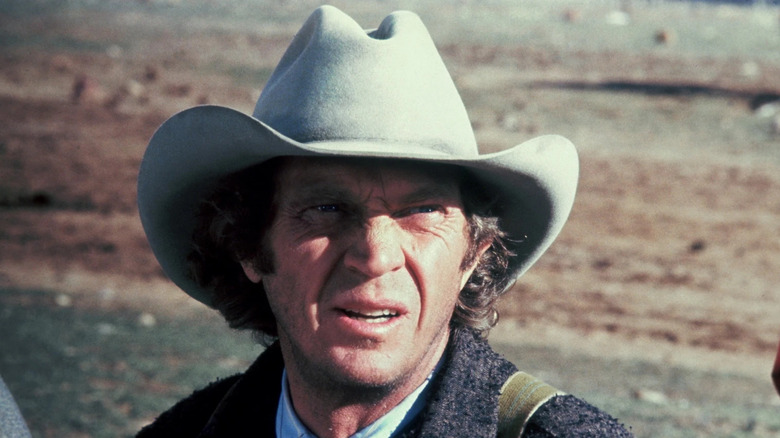
Directed by William Wiard, Tom Horn was intended to be a gritty, factual look at the real-life scout and range detective. It featured Steve McQueen in what would be his penultimate role. While the film was a modest financial success, earning roughly $12 million on a $3 million budget, it is now viewed largely through the lens of McQueen’s declining health. The actor, battling the cancer that would take his life eight months later, lacks the kinetic energy that defined his career. The film’s pacing is notoriously glacial, lacking the narrative tension required to sustain its 98-minute runtime.
Bronco Billy (1980)
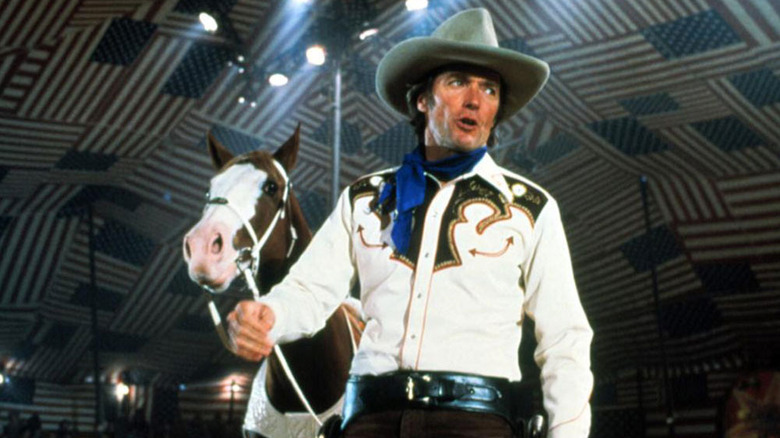
Clint Eastwood attempted to subvert his "Man with No Name" persona with this modern-day Western about a struggling Wild West show. While Eastwood has often cited this as one of his personal favorites, the film’s whimsical tone and convoluted plot—involving an heiress (Sondra Locke) on the run—haven’t aged gracefully. The romantic comedy elements feel forced, and the "Modern Western" setting lacks the gravitas of Eastwood’s later masterpieces like Unforgiven.
Urban Cowboy (1980)
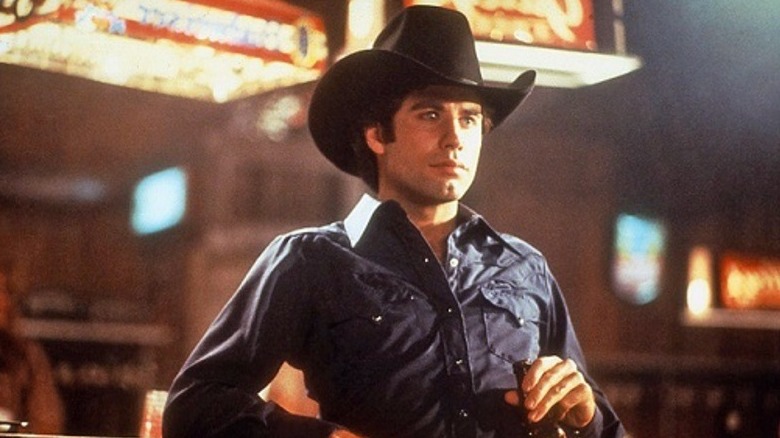
If any film captures the 1980s’ attempt to commodify Western culture, it is Urban Cowboy. Starring John Travolta at the height of his fame, the film moved the "frontier" to a Houston honky-tonk. It sparked a massive national craze for mechanical bulls and "hat acts" in country music. However, re-watching the film today reveals a troubling core of toxic masculinity and domestic abuse that is framed as high drama. The central conflict between Travolta’s Bud and Debra Winger’s Sissy is less a romance and more a cycle of control and jealousy that modern audiences find difficult to root for.
1986: The Satirical Pivot
By the mid-80s, the Western was often treated as a joke or a nostalgic playground.
Three Amigos (1986)
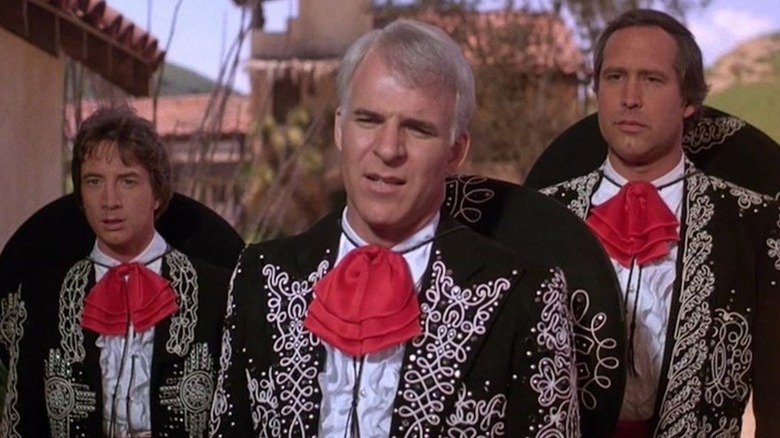
Bringing together the comedic powerhouse trio of Steve Martin, Chevy Chase, and Martin Short, Three Amigos was a riff on The Magnificent Seven. While it remains a cult classic for many, the film’s humor is deeply rooted in 1980s sketch-comedy tropes that don’t always translate to the modern era. The satire of 1930s "singing cowboy" films is a reference point that has largely vanished from the collective consciousness of younger viewers, leaving the film’s middle act feeling stagnant.
1988: The Brat Pack Frontier
The decade closed with an attempt to make the Western "cool" for the MTV generation.
Young Guns (1988)
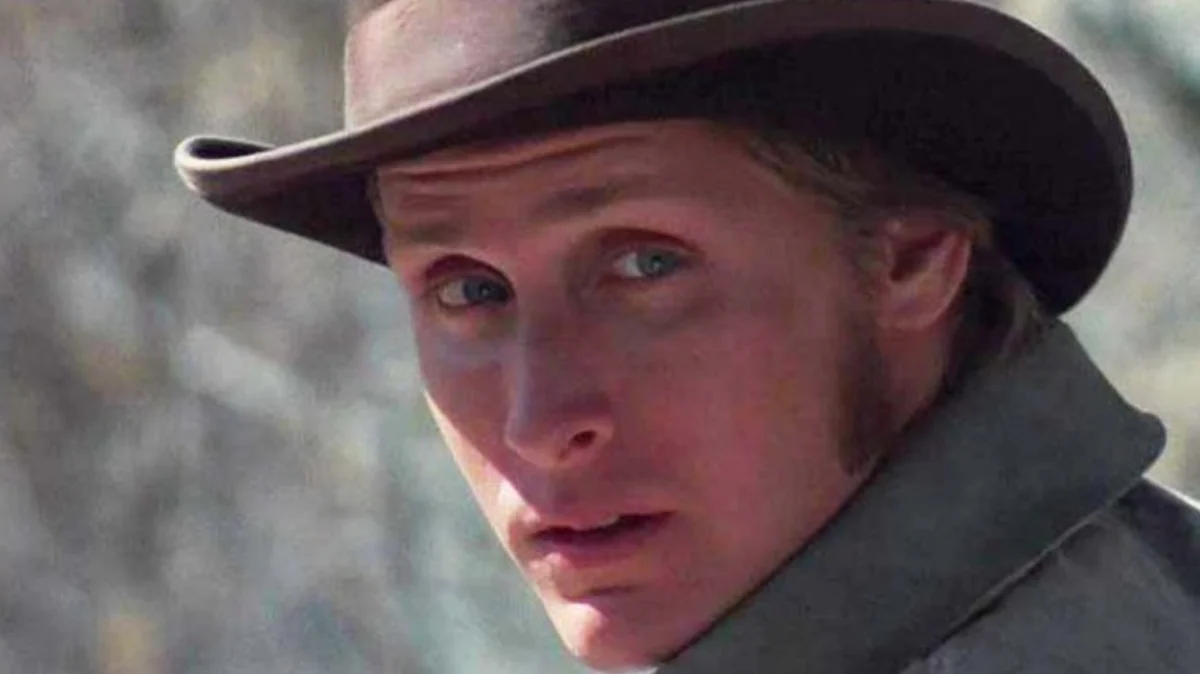
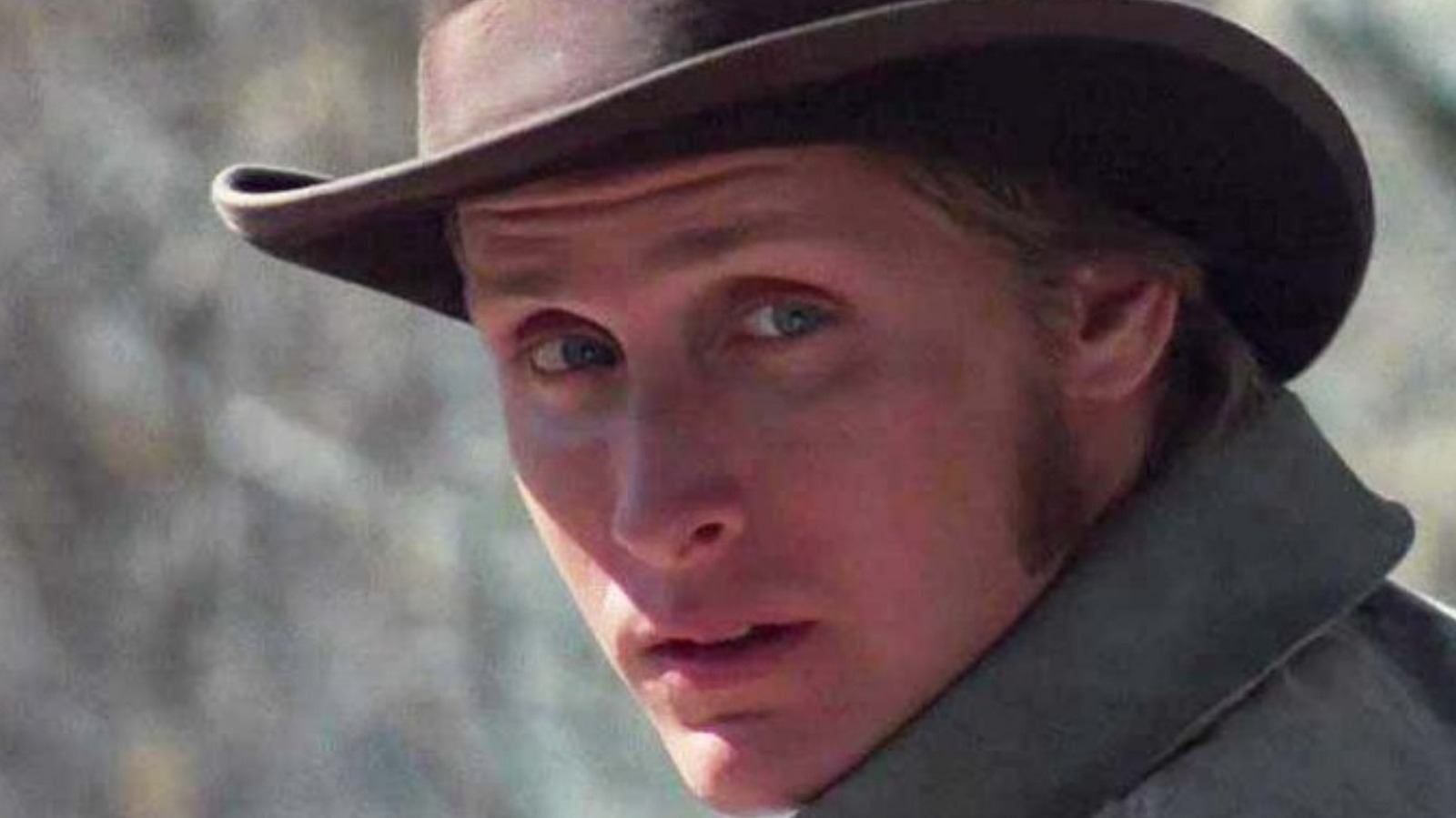
Young Guns cast the "Brat Pack"—Emilio Estevez, Kiefer Sutherland, Lou Diamond Phillips, and Charlie Sheen—as Billy the Kid and his Regulators. While it was a box office smash, its flaws are glaring in the 21st century. The film prioritizes style over historical or emotional substance, featuring an anachronistic electric guitar score and a protagonist in Estevez who is portrayed as a sociopathic "cool guy" rather than a complex historical figure. It feels less like a Western and more like an 80s action movie in period dress.
Supporting Data: Box Office vs. Critical Longevity
| Film | Release Year | Budget (Est.) | Box Office (Domestic) | Modern Rotten Tomatoes Score |
|---|---|---|---|---|
| Tom Horn | 1980 | $3M | $12M | 55% |
| Bronco Billy | 1980 | $5M | $24.2M | 73% |
| Urban Cowboy | 1980 | $10M | $46.9M | 73% |
| Three Amigos | 1986 | $15M | $39.2M | 45% |
| Young Guns | 1988 | $11M | $45.2M | 41% |
Data Note: While "Bronco Billy" and "Urban Cowboy" maintain respectable critical scores, their audience engagement metrics have seen a steady decline in the streaming era compared to contemporary 80s classics like "The Empire Strikes Back" or "Raiders of the Lost Ark."
Official Responses and Critical Evolution
The contemporary critical reception of these films often mirrored the excitement of their star power, but hindsight has been less kind.
Historical Perspective:
In 1980, Roger Ebert noted that Urban Cowboy was "about the way we wear our clothes and the way we dance," praising its cultural observation. However, modern retrospectives, such as those by The Guardian, have pointed out that the film’s "treatment of women is at best patronizing and at worst frightening."
Regarding Young Guns, the New York Times initially dismissed it as "a movie for the kids," a sentiment that has only grown stronger as the film’s "hip" aesthetic has become a caricature of the late 1980s.
The Actor’s Legacy:
Even the stars have had mixed reflections. Clint Eastwood remains defensive of Bronco Billy, viewing it as a tribute to the "little guy." Conversely, the legacy of Tom Horn is often overshadowed by McQueen’s own biography, with critics like Leonard Maltin noting that the film’s "meandering" nature prevents it from being the tribute McQueen deserved.
Implications: The Road to the Revisionist Revival
The failure of these 1980s Westerns to "hold up" ultimately served as a catalyst for the genre’s massive resurgence in the early 1990s. The industry realized that the Western could not survive on star power or 80s tropes alone; it needed a return to gravity and a more sophisticated deconstruction of history.
- The End of the "Light" Western: The lukewarm long-term reception of Bronco Billy and Three Amigos signaled that audiences were losing interest in the Western-as-comedy, leading to the "Grit" movement of the 90s.
- The Rise of Realism: The stylistic failures of Young Guns paved the way for more grounded portrayals of the outlaw era, such as Tombstone (1993) and Wyatt Earp (1994).
- Genre Evolution: The "Modern Western" elements seen in Urban Cowboy eventually evolved into the "Neo-Western" subgenre, which found much more success in the 21st century with projects like No Country for Old Men and Yellowstone. These later projects stripped away the 80s melodrama in favor of stark, existential themes.
In conclusion, while these five films provided entertainment for a generation and helped keep the Western on life support during a difficult decade, they largely fail to transcend their era. They serve as fascinating time capsules of 1980s filmmaking priorities—priorities that often sat at odds with the timeless, rugged spirit of the American West. For the modern viewer, they are less a window into the frontier and more a window into a decade that was still trying to find its boots.


Leave a Comment