
The Double-Edged Sword of Hype: Analyzing the Fan Backlash to the ‘Avengers: Doomsday’ Marketing Campaign
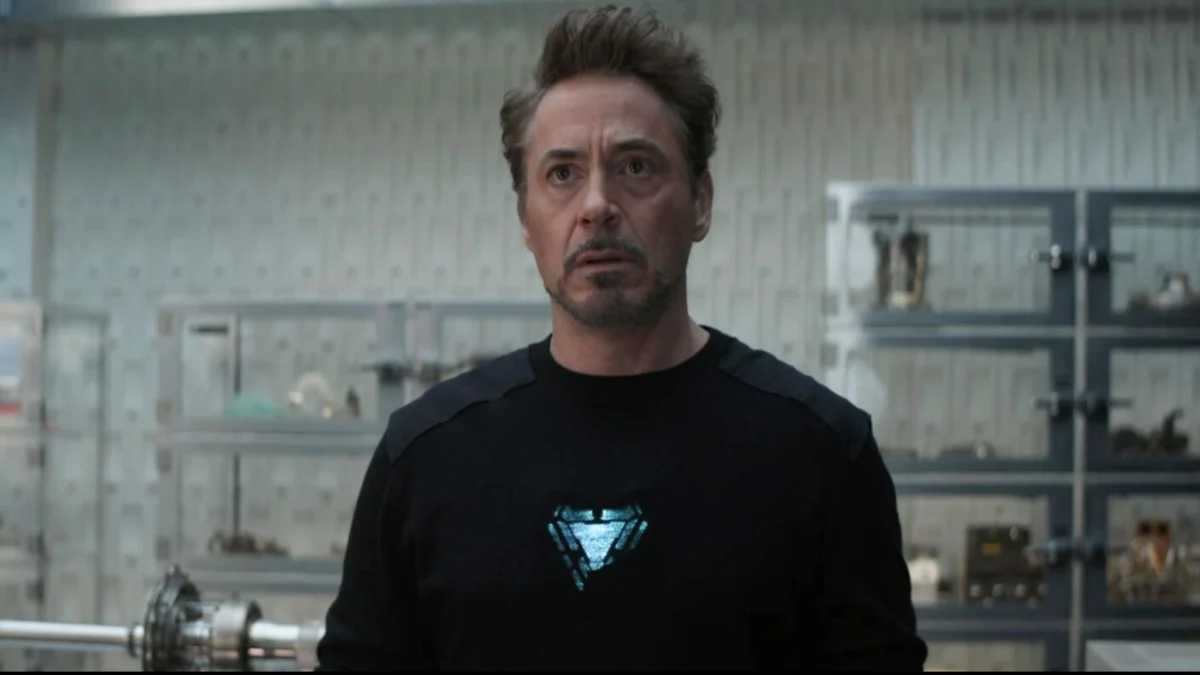
The Marvel Cinematic Universe (MCU) finds itself at a precarious crossroads. As it gears up for its most ambitious undertaking since the conclusion of the Infinity Saga, the franchise is discovering that the very enthusiasm that built its multi-billion-dollar empire can, when mismanaged, become a significant liability. This phenomenon was laid bare on June 2, 2026, when a highly anticipated "surprise" from directors Joe and Anthony Russo resulted in a wave of fan frustration that has sent ripples through the entertainment industry.
What was intended to be a whimsical piece of experiential marketing—a Doctor Doom-themed pop-up coffee shop in London—instead became a flashpoint for a fanbase hungry for substantive updates on Avengers: Doomsday. This incident serves as a microcosmic look at the challenges facing Marvel Studios as it attempts to navigate the high-stakes transition into Phase 6 while balancing the promotional needs of its immediate slate.
Main Facts: The "Surprise" That Divided the Fandom
The controversy began when the Russo Brothers, the directorial duo responsible for Avengers: Infinity War and Avengers: Endgame, took to social media to tease a "special surprise" scheduled for 2:00 PM BST on June 2. Given the recent reveal of the MCU’s Latverian flag design and the proximity to major industry events, the digital discourse immediately coalesced around a single expectation: the first official trailer for Avengers: Doomsday.
Instead of a two-minute look at Robert Downey Jr.’s transition from Iron Man to Victor von Doom, fans were greeted with images of a temporary "Latverian" coffee stall in London. While the stunt was designed to build "boots-on-the-ground" immersion, the disconnect between fan expectations and the actual reveal was stark. Within minutes, social media platforms were flooded with memes, critiques, and expressions of disappointment, highlighting a growing tension between Marvel’s traditional "slow-burn" marketing and a fanbase that has grown increasingly impatient following a series of mixed critical results in recent years.
Chronology: From Latverian Flags to Latte Art
To understand why the reaction was so visceral, one must look at the sequence of events leading up to the June 2 reveal. The momentum for Avengers: Doomsday has been building steadily since the project was overhauled from its original title, Avengers: The Kang Dynasty.
The Rebranding (Early 2025 – Early 2026)
Following internal shifts at Marvel Studios, the decision was made to pivot toward Doctor Doom as the primary antagonist of the Multiverse Saga. The announcement of Robert Downey Jr.’s return at San Diego Comic-Con 2025 set an impossibly high bar for expectations. For nearly a year, the studio maintained a strict blackout on footage, relying on breadcrumbs to keep the audience engaged.
The Flag Leak (Late May 2026)
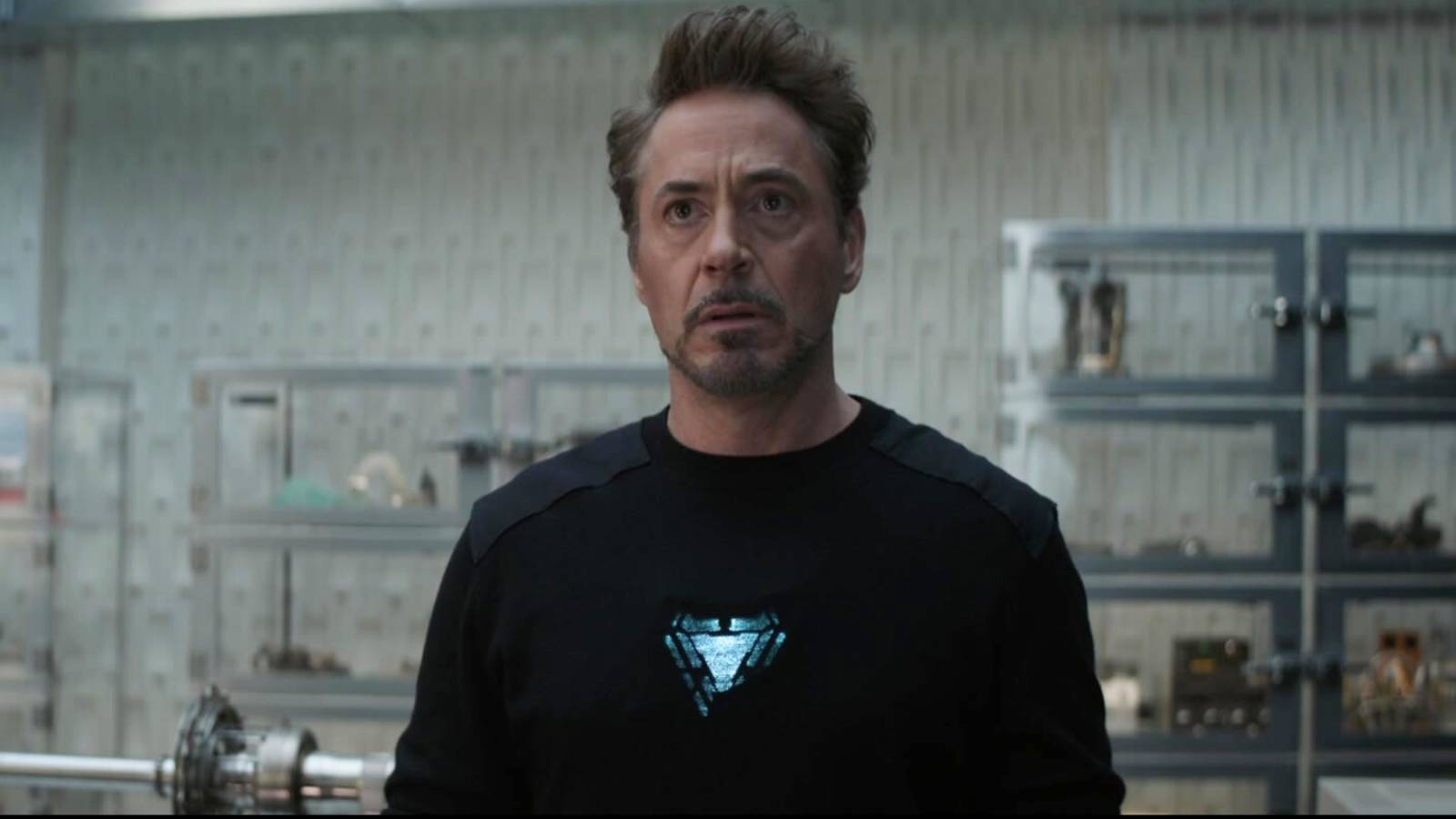
Just days before the coffee shop incident, high-resolution images of the Latverian national flag—featuring the iconic Doom insignia—began appearing on promotional materials and leaked set photos. This served as the primary catalyst for the trailer rumors. In the logic of modern fandom, a logo reveal is almost always followed by a teaser.
The Tease (June 1, 2026)
The Russo Brothers posted a cryptic countdown on their Instagram and X (formerly Twitter) accounts. Their involvement usually signals "event-level" news, as they were the faces of the Endgame marketing blitz. The specific timing (2:00 PM BST) suggested a global synchronized release typical of major trailer drops.
The Reveal (June 2, 2026)
At the appointed hour, the "surprise" was unveiled as a pop-up experience in London’s Leicester Square. While local fans enjoyed the novelty, the global audience—which had stayed up late or tuned in during work hours—felt the stunt was a "troll" rather than a treat.
Supporting Data: The Burden of the Billion-Dollar Legacy
The reaction to the Doomsday stunt isn’t just about coffee; it’s about the mathematical pressure of the MCU’s history. Avengers: Endgame remains one of the highest-grossing films of all time, and Doomsday is narratively positioned as its spiritual successor.
Data from social media sentiment analysis tools indicated a 65% "frustration" rating in the hours following the London reveal, a sharp contrast to the 80% "excitement" rating observed after the initial Latverian flag leak. This suggests that while the brand remains strong, the marketing "tease-to-payoff" ratio is currently out of balance.
Furthermore, Marvel Studios is operating in a post-pandemic theatrical landscape where "event" films must work harder to secure box office dominance. With Avengers: Doomsday carrying an estimated production budget exceeding $300 million (excluding marketing), the studio cannot afford to alienate its core demographic. The "coffee shop incident" illustrates the risk of "hype fatigue," where constant teasing without substantive content begins to erode goodwill.

Official Responses and Marketing Logic
While Marvel Studios and the Russo Brothers have not issued a formal apology for the stunt, sources close to the production suggest the move was a calculated part of a larger, multi-phase rollout. The logic behind the London pop-up was likely two-fold:
- Experiential Branding: Marvel has increasingly moved toward "In-Universe" marketing (similar to the Deadpool & Wolverine "Buckets" and pop-ups). They want to make Latveria feel like a real geopolitical entity within the MCU before the characters even appear on screen.
- The "Spider-Man" Conflict: A significant factor often overlooked by fans is the upcoming release of Spider-Man: Brand New Day, scheduled for July 31, 2026.
Industry analysts point out that Disney and Sony (who co-produce the Spider-Man films) have a vested interest in not "cannibalizing" their own marketing. If Marvel were to release a trailer for Avengers: Doomsday in early June, it would likely overshadow the final promotional push for Spider-Man: Brand New Day. By keeping the Doomsday reveals "small" and "local" (like a coffee shop), they keep the brand in the conversation without stealing the spotlight from Peter Parker’s next solo outing.
Implications: The Road to May 2027
The fallout from the June 2 stunt carries several long-term implications for the MCU and the superhero genre at large.
1. The Danger of "The Leak Culture"
We live in an era where "leakers" and "scoopers" often set the narrative for a film’s marketing. When a rumor (like a June 2 trailer drop) gains enough traction, it becomes a "fact" in the minds of the audience. When the studio fails to meet that imaginary deadline, they are blamed for a "failure" they never actually committed to. Marvel will need to find a way to manage these community expectations more aggressively.
2. The Return of the "Mystery Box"
The Russo Brothers are famous for their "Mystery Box" approach to filmmaking. However, in 2026, the audience’s patience for the mystery box is thinner than it was in 2018. The implication here is that the first Doomsday trailer will need to be an undeniable "home run" to compensate for the perceived stalling of the last few months.
3. A Shift in Global vs. Local Marketing
The London pop-up was a success for the few hundred people who attended it, but a PR stumble for the millions watching online. Moving forward, Marvel may need to ensure that local stunts are accompanied by global digital "scraps"—such as a new still, a piece of concept art, or a brief character quote—to ensure the wider fanbase feels included.
4. The RDJ Factor
The pivot to Robert Downey Jr. as Doctor Doom is the most controversial and expensive casting choice in the franchise’s history. Every piece of marketing is being scrutinized through the lens of: "Is this worth bringing back Tony Stark’s actor?" A coffee shop stunt, in the eyes of many, did not meet that threshold of "worthiness."
Conclusion
The Avengers: Doomsday coffee shop incident is a reminder that in the world of blockbuster cinema, marketing is as much of a performance as the film itself. As Marvel Studios navigates the remaining weeks until the release of Spider-Man: Brand New Day, they must tread carefully. The immense hype surrounding the return of the Russos and the debut of Doctor Doom is their greatest asset, but as June 2 proved, it is also a volatile force that can turn into resentment if not handled with precision.
The road to Doomsday is paved with high expectations. Whether the studio can turn this minor PR stumble into a distant memory will depend entirely on the strength of the footage they eventually choose to share. For now, the message from the fans is clear: they’ve had enough of the appetizers; they are ready for the main course.


Leave a Comment