
Wile E. Coyote Takes on Corporate Goliaths: Coyote vs. ACME Unveils First Trailer After Tumultuous Journey
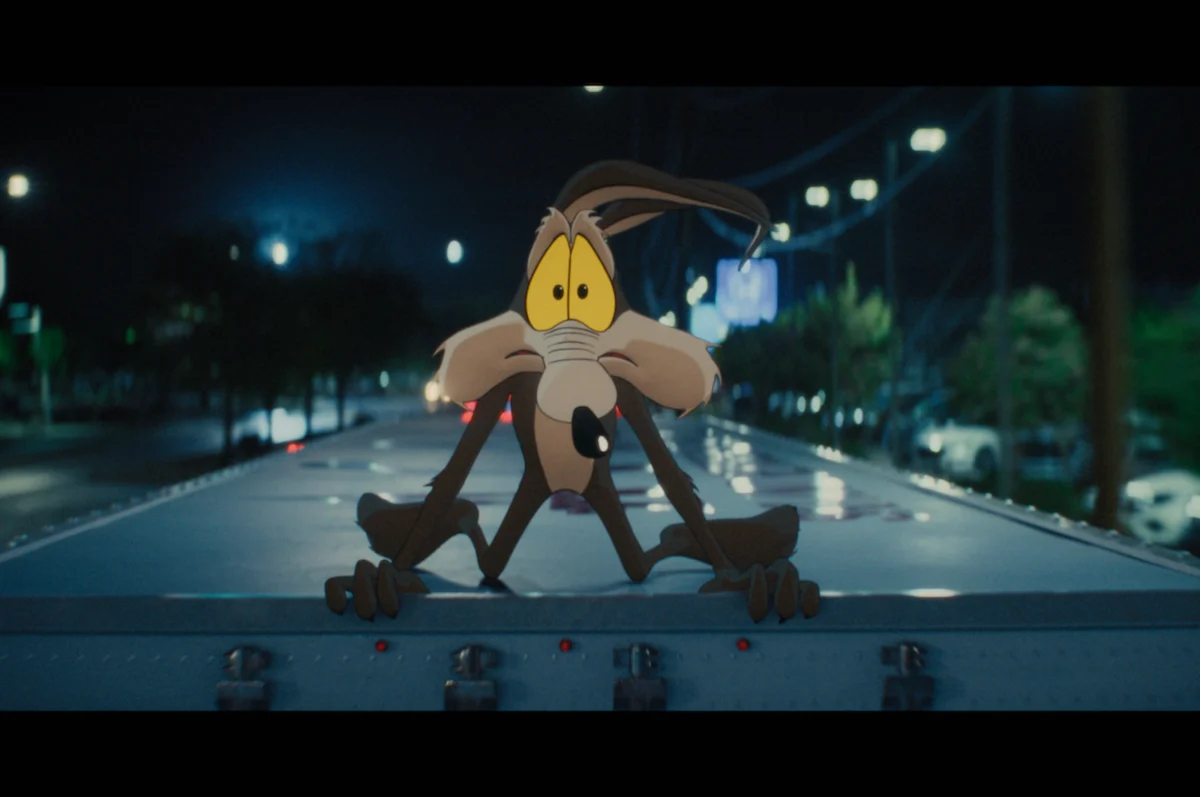
Los Angeles, CA – After a production saga that saw it narrowly escape the studio chopping block, the highly anticipated hybrid animated/live-action feature Coyote vs. ACME has finally unveiled its first official trailer, offering a tantalizing glimpse into Wile E. Coyote’s unprecedented legal battle against the ubiquitous ACME Corporation. The trailer, released today, confirms the film’s unique premise, pitting the perpetually foiled predator against the very purveyor of his downfall, with the surprising aid of a human lawyer and a confirmed cameo from the legendary Bugs Bunny. Slated for a theatrical release on August 28, 2026, the film’s journey to the big screen has been as dramatic and unpredictable as a classic Looney Tunes chase.
Main Facts: A Landmark Legal Looney Tune
The trailer for Coyote vs. ACME immediately sets a distinctive tone, blending classic Looney Tunes slapstick with a contemporary courtroom drama. At its heart, the film sees Wile E. Coyote, voiced presumably by an actor capturing his iconic intellect and indignation, decide enough is enough. After countless contraptions from the ACME Corporation have spectacularly backfired, leaving him perpetually flattened, blown up, or otherwise humiliated, Coyote is taking his grievances to court.
His chosen champion is Kevin Avery, a "billboard accident lawyer" portrayed by the live-action comedic talent Will Forte. Avery, seemingly out of his depth yet determined, will represent Wile E. Coyote against the formidable legal might of ACME, Inc. Their corporate counsel, Buddy Crane, is embodied by none other than John Cena, whose physical presence and comedic timing promise a compelling antagonist. Crane represents the "profit-obsessed conglomerate" that has supplied Wile E. with every defective product imaginable, from rocket skates to quake pills.
A notable reveal in the trailer is the silhouette of Bugs Bunny, iconic trench coat and all, confirming the venerable rabbit’s appearance. This cameo hints at a broader integration of the Looney Tunes universe, elevating the film beyond a mere Wile E. Coyote solo outing and suggesting potential connections to the wider ensemble. The core conflict, however, remains squarely on Wile E. Coyote’s quest for justice, framed as a David-and-Goliath struggle against corporate capitalism, a theme with surprising relevance for a Looney Tunes adaptation.
The film is directed by Dave Green, known for Teenage Mutant Ninja Turtles: Out of the Shadows. The story was conceived by an impressive trio: James Gunn, Jeremy Slater, and Samy Burch, with Burch ultimately penning the screenplay. In addition to Forte and Cena, the cast features Lana Condor, Tone Bell, and, of course, the silent but ever-present Road Runner.
Chronology: From Scrap Heap to Silver Screen
The path of Coyote vs. ACME to its theatrical premiere has been anything but conventional, making its existence a testament to perseverance and, perhaps, the power of public outcry.
The Warner Bros. Shelving Scandal (2023)
In late 2023, Hollywood was rocked by a series of unprecedented decisions from Warner Bros. Discovery. Amidst a broader strategic shift and cost-cutting measures following the merger of WarnerMedia and Discovery, the studio announced its intent to scrap several completed or near-completed projects as tax write-offs. This controversial move, designed to offset losses and reduce taxable income, effectively meant that films like Batgirl and Scoob! Holiday Haunt would never see the light of day, despite significant investments in their production.
Coyote vs. ACME found itself on this same chopping block. The film, which reportedly had a budget in the range of $70 million, was completed and had garnered positive early test screenings. Director Dave Green, along with cast members and fans, expressed profound disappointment and confusion over the decision. The logic behind shelving a seemingly viable film for a tax write-off, particularly one with a beloved IP and positive buzz, sparked widespread criticism across the industry and among audiences. It ignited a debate about the ethical responsibilities of studios to their creative talent and the financial implications of valuing short-term tax benefits over the long-term cultural impact and potential revenue streams of a finished product. For many, it represented a cynical nadir in studio-filmmaker relations, prioritizing financial maneuvering over artistic endeavor and audience engagement.
The Industry Uproar and Advocacy
The decision to scrap Coyote vs. ACME specifically drew significant attention due to its pedigree. James Gunn, one of the film’s story writers, by then co-head of DC Studios, had a vested interest in the project. While unable to directly intervene due to his new role and the legal complexities, the involvement of such a prominent industry figure, coupled with the film’s positive reception, amplified the calls for its rescue. Reports indicated that several streaming services and distributors expressed interest in acquiring the film from Warner Bros., recognizing its potential value. This external interest put pressure on Warner Bros. Discovery, challenging their initial assessment that the film held little commercial viability. The public and industry sentiment was overwhelmingly in favor of the film’s release, seeing it as a victim of corporate restructuring rather than creative failure.
Ketchup Entertainment’s Timely Intervention
Amidst the swirling controversy and industry speculation, Ketchup Entertainment, an independent film distributor, emerged as the unlikely hero. In a move that surprised many, Ketchup Entertainment stepped forward to acquire the distribution rights for Coyote vs. ACME. This acquisition was a significant victory for the filmmakers and fans alike, effectively reversing Warner Bros.’ initial decision and granting the film a second lease on life. Ketchup Entertainment’s commitment to a theatrical release was particularly noteworthy, as many speculated the film might end up on a streaming platform. Their decision underscored a belief in the film’s commercial appeal and cultural relevance, signaling a potential shift in how completed projects might find distribution outside traditional studio channels. The announcement was met with widespread relief and excitement, vindicating the efforts of those who had campaigned for the film’s release.
Supporting Data: A Deep Dive into the Wile E. vs. ACME Universe
The official synopsis provides a rich foundation for understanding the film’s narrative ambition:
"After decades of being blown to bits by bombs, demolished by dynamite, mangled by magnets, battered by boulders, trampled by trains, tricked by tunnels, sprung by springs, steamrolled by steamrollers, maligned by misfires, bedeviled by bungees, rattled by rockets, backstabbed by bat suits, rocked by rocket skates, upended by unicycles, quaked by quake pills, rubberized by rogue bands, and hurled headlong off every cliff in the Southwest, Wile E. Coyote (Genius) finally fights back. Teaming up with billboard accident lawyer Kevin Avery (Will Forte), he takes on slick corporate counsel Buddy Crane (John Cena) and ACME, Inc., the profit-obsessed conglomerate behind every one of the Coyote’s chaotic catastrophes."
This detailed enumeration of Wile E. Coyote’s past misfortunes is not just a comedic callback; it establishes the sheer scale of ACME’s alleged negligence and Wile E.’s long-suffering plight, laying the groundwork for a compelling legal argument. The parenthetical "(Genius)" after Wile E. Coyote’s name adds another layer of humor and tragic irony, reminding audiences of his self-proclaimed intellectual prowess constantly undermined by ACME’s shoddy goods.
Thematic Undercurrents: Capitalism and Consumer Rights
Beyond the slapstick, Coyote vs. ACME appears to tackle surprisingly mature themes. The portrayal of ACME, Inc. as a "profit-obsessed conglomerate" and John Cena’s character as "slick corporate counsel" positions the film as a satire on corporate responsibility and consumer rights. Wile E. Coyote, traditionally the antagonist, becomes an unlikely champion for the everyman (or every-coyote) against an indifferent, powerful corporation. This subtext could resonate deeply with modern audiences, who often feel powerless against large entities. The film has the potential to be more than just a family comedy; it could be a sharp critique wrapped in a hilarious package.
The Creative Minds Behind the Mayhem
The creative team behind Coyote vs. ACME is a blend of established talent and fresh perspectives.
- Dave Green (Director): Green’s previous work on Teenage Mutant Ninja Turtles: Out of the Shadows demonstrated his ability to handle large-scale hybrid productions, blending live-action with CGI characters. This experience is directly applicable to Coyote vs. ACME, which relies heavily on the seamless integration of animated characters into a live-action world. His direction will be crucial in balancing the zany Looney Tunes aesthetic with the grounded reality of a courtroom.
- James Gunn (Story): Gunn’s involvement, even at the story level, is significant. Known for his distinctive blend of humor, heart, and often subversive storytelling in films like Guardians of the Galaxy and The Suicide Squad, his touch could infuse Coyote vs. ACME with a unique sensibility that elevates it beyond standard IP fare. His recent ascent to co-head of DC Studios further highlights the respect and confidence placed in his creative vision, even for a project he only helped conceptualize.
- Jeremy Slater (Story): Slater’s credits include creating the The Exorcist TV series and co-writing Moon Knight for Disney+. His experience in genre storytelling, particularly with supernatural or heightened realities, could have contributed to the film’s imaginative premise.
- Samy Burch (Story & Screenplay): Burch’s role in penning the actual script is pivotal. Her work will define the film’s voice, humor, and the emotional core of Wile E. Coyote’s journey. Given the satirical potential, her ability to craft witty dialogue and engaging legal arguments will be key to the film’s success.
- Cast Dynamics: The casting of Will Forte as Kevin Avery offers a perfect comedic foil to the animated Wile E. Coyote. Forte’s deadpan delivery and penchant for awkward humor are well-suited for a character navigating the absurdity of representing a cartoon coyote. John Cena’s portrayal of Buddy Crane, the corporate lawyer, adds gravitas and a formidable presence. Cena has proven his comedic chops in various roles, and his turn as a slick, ruthless attorney promises to be a highlight. The inclusion of Lana Condor and Tone Bell in supporting roles further rounds out a promising ensemble.
The Enduring Legacy of Looney Tunes
The Looney Tunes characters, created by Warner Bros., have been cultural touchstones for generations. Wile E. Coyote and Road Runner cartoons, with their predictable yet endlessly inventive chase sequences, are among the most beloved. The formula of Wile E.’s elaborate plans, ACME’s unreliable products, and the Road Runner’s "Beep-beep!" has cemented itself in popular culture. Coyote vs. ACME taps directly into this rich legacy, offering a fresh perspective on a familiar dynamic. By giving Wile E. a voice and a legal platform, the film fundamentally alters the traditional narrative, potentially appealing to both nostalgic fans and new audiences. The confirmed Bugs Bunny cameo further reinforces the film’s connection to the broader Looney Tunes pantheon, promising an authentic experience for fans.
Official Responses: Actions Speak Louder Than Words
While direct quotes from all parties involved regarding the trailer’s release are still emerging, the actions of the studios and creative team serve as potent "official responses" to the film’s challenging journey.
Warner Bros. Discovery’s Initial Stance (and Reversal)
Warner Bros. Discovery’s initial decision to shelve Coyote vs. ACME as a tax write-off was a stark, if financially driven, "official response" to its perceived value within the company’s new strategic framework. It signaled a cold, calculated prioritization of balance sheets over creative output. However, the subsequent reversal, driven by the intense backlash and competitive offers from other distributors, implicitly acknowledged the film’s inherent value and the public’s desire to see it. While no official statement of regret or explanation for the reversal has been widely disseminated from WBD, the eventual sale speaks volumes about the pressure they faced.
Ketchup Entertainment’s Vote of Confidence
Ketchup Entertainment’s acquisition of the film’s distribution rights stands as the most significant "official response" to the film’s quality and potential. Their willingness to invest in a theatrical release, rather than relegating it to a streaming platform, is a powerful endorsement. It indicates a belief that Coyote vs. ACME possesses the broad appeal and cinematic quality to attract audiences to theaters in 2026. This move also positions Ketchup Entertainment as a potential industry player willing to take risks on projects that larger studios deem expendable, potentially carving out a niche for rescuing "orphan" films.
The Creative Team’s Endorsement
The official synopsis, acting as a direct communication from the filmmakers and new distributor, serves as a strong "official response" detailing the film’s premise and ambition. It highlights the core conflict and the thematic depth intended for the project. James Gunn’s continued association with the film, even in a story credit capacity, after his significant career progression, also acts as an implicit endorsement of the project’s creative integrity. While he hasn’t made extensive public statements about the film’s tumultuous past (likely due to his new executive role), his continued presence lends a seal of quality. The enthusiastic response from director Dave Green and others involved, expressed through social media and industry reports during the shelving crisis, further solidified the creative team’s belief in their work. The release of the trailer itself is the ultimate "official response," a visual declaration that the film is alive, well, and ready for audiences.
Implications: Reshaping Industry Practices and Fan Expectations
The entire saga of Coyote vs. ACME carries significant implications for the film industry, audience expectations, and the future of IP adaptations.
A Precedent for Rescued Films?
The successful acquisition and planned theatrical release of Coyote vs. ACME could establish a crucial precedent. It demonstrates that films initially shelved for tax write-offs are not necessarily lost causes. This might encourage other independent distributors to scout for similar opportunities, offering a lifeline to projects that major studios deem financially inconvenient. For filmmakers, it provides a glimmer of hope that their completed work might still find an audience, even if their original studio abandons it. This could lead to a more dynamic marketplace for film distribution, especially for mid-budget projects that often struggle to find a home.
The Business of Tax Write-Offs Under Scrutiny
The public outcry surrounding the Warner Bros. Discovery write-offs, including Coyote vs. ACME, brought an often-opaque financial practice into the harsh light of public scrutiny. While tax write-offs are a legitimate accounting tool, their application to completed films with significant creative investment and audience appeal has been widely criticized as short-sighted and detrimental to creative talent. The Coyote vs. ACME reversal might make studios think twice before unilaterally deciding to scrap completed projects, especially those with high public visibility or strong creative backing. It suggests that the reputational damage and potential for losing out on future revenue might outweigh the immediate tax benefits.
The Future of Looney Tunes and Hybrid Animation
Coyote vs. ACME represents a significant investment in the Looney Tunes brand, showcasing a willingness to evolve the characters beyond their traditional cartoon format. Its success could pave the way for more experimental and thematically rich adaptations of classic animation IPs. The hybrid live-action/animation format continues to evolve, and Coyote vs. ACME‘s unique premise could set a new benchmark for how these properties are brought to life. If successful, it could signal a renewed interest in these characters for a new generation, proving their timeless appeal can adapt to contemporary storytelling.
Audience Expectations and the Power of Advocacy
The strong fan and industry advocacy for Coyote vs. ACME played a tangible role in its rescue. This reinforces the idea that engaged audiences and a vocal creative community can influence studio decisions. It highlights a growing demand for diverse and quality content, irrespective of initial studio strategies. The film’s eventual success or failure will also be a test of whether public sentiment can truly translate into box office performance for a film that has already faced such an unusual journey.
As Coyote vs. ACME gears up for its August 28, 2026 release, the first trailer not only excites with its comedic premise and star power but also serves as a powerful reminder of the film’s unlikely triumph. It’s a story of corporate maneuvering, industry advocacy, and the enduring appeal of a determined coyote finally having his day in court. The stage is set for a truly unique cinematic experience, proving that sometimes, even a perpetually unlucky genius can win.

Leave a Comment