
The Evolving Landscape of Book Discovery: Algorithms, Tropes, and the Author’s Enduring Quest for Visibility

By [Your Name/Pen Name]
In the bustling digital marketplace of book publishing, where thousands of new titles flood platforms like Amazon daily, authors find themselves navigating an increasingly complex and often bewildering marketing terrain. For many, marketing is an unavoidable necessity, a "necessary evil" as author Terry Odell aptly describes it, even for traditionally published writers who are increasingly expected to shoulder the burden of book promotion. The core challenge, Odell argues, is not just about finding the next effective marketing tool, but about understanding how readers actually discover books in the first place.
The Shift in Reader Discovery: From Aisles to Algorithms and Influencers
The traditional model of book discovery – browsing physical bookstores, searching by author, title, or genre – has been significantly disrupted by the digital age. Today, platforms like TikTok, specifically the vibrant community known as BookTok, have become powerful engines of discovery, particularly for younger demographics. This seismic shift has not gone unnoticed by publishers, who are increasingly forging partnerships with BookTok influencers to amplify the reach of their publications.
Beyond these high-profile social media trends, the digital word-of-mouth continues to be a potent force, albeit in new forms. Online book clubs hosted on platforms like Discord, curated lists on Goodreads, and active discussions on Reddit threads are fostering communities where book recommendations flourish. Furthermore, the rise of subscription services offers readers an alternative pathway to discover new titles without the immediate commitment of individual purchases.
This evolution in discovery can be broadly categorized into two distinct pathways: algorithmic discovery and social/curated discovery. Algorithmic discovery, driven by platforms like Amazon’s recommendation engines, is characterized by its speed and potential for virality. In contrast, social and curated discovery, which relies on personal recommendations, community discussions, and trusted sources, is often a slower, more personal, and trust-based process.

Decoding the Algorithms: Amazon’s Shifting Sands and the Rise of Tropes
The opaque nature of platform algorithms, particularly Amazon’s, presents a constant challenge for authors. What might work one day can become obsolete the next, forcing authors to perpetually adapt their strategies. Recent analyses, including insights shared on platforms like Written Word Media, suggest a significant recalibration of Amazon’s algorithms, demanding a renewed focus on how authors present their books to potential readers.
While Amazon remains tight-lipped about the exact workings of its algorithms, research and anecdotal evidence point to several key areas that authors should prioritize:
- Optimized Product Pages: The emphasis has shifted from keyword stuffing to natural language. Authors are advised to incorporate relevant tropes and subgenres directly into their book descriptions. This allows readers, who are increasingly using these specific terms to search for content, to more easily find books that align with their preferences.
- Enhanced A+ Content: Authors are encouraged to expand and enrich their "A+ Content" sections on Amazon. This involves creating more detailed and visually appealing content, with images that strongly resonate with the book’s genre and themes. The goal is to keep readers engaged on the product page for as long as possible, signaling interest and potential purchase intent to the algorithm.
- External Traffic Significance: The importance of driving traffic to book pages from external sources—such as paid advertisements, social media campaigns, and author newsletters—has grown. This indicates to Amazon that a book is generating interest beyond its internal recommendation system.
- Consistent Sales Velocity: Unlike the past where hourly sales spikes might have heavily influenced rankings, Amazon’s algorithms now appear to prioritize consistent sales growth over several days. This suggests a move towards rewarding steady interest rather than fleeting bursts of popularity.
Tropes: The New Search Terms in a Content-Rich Market
The concept of tropes, defined as recurring themes, motifs, or conventions that establish predictable character types, settings, or scenarios, has emerged as a critical element in modern book marketing. As Odell highlights, tropes are becoming the "new search terms." They act as a concise and shareable shorthand, enabling readers to quickly identify books that align with their existing literary tastes. This, in turn, fosters loyal, repeat buyers and drives long-term sales beyond initial launch hype.
Tropes function as a powerful mechanism for reducing reader uncertainty. In a marketplace saturated with options, knowing that a book contains a beloved trope acts as a quality signal. It provides a glimpse into the anticipated reading experience, smoothing the journey from discovery to purchase. This is why we see tropes increasingly integrated into marketing graphics, memes, and social media content, alongside book covers.
However, the author cautions against the uncritical embrace of tropes. Hype generated solely through trending tropes, particularly on platforms like BookTok, may prove short-lived and may not reflect the actual substance of the book. It is crucial for authors to ensure that their marketing accurately represents the content of their work to avoid disappointing readers and damaging their reputation.
Implementing Tropes: A Practical Approach for Authors
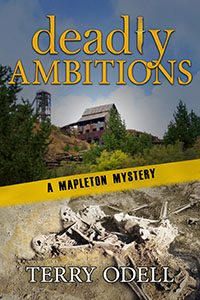
The prospect of retrofitting marketing strategies, especially for authors with extensive backlists, can be daunting. Terry Odell shares his personal experience grappling with this challenge. Faced with the daunting task of updating numerous book pages, he opted for a phased approach, starting with his own website.
To identify relevant tropes for his book "Deadly Bones," Odell leveraged an AI assistant. By feeding the assistant information gleaned from his website, Amazon pages, reviews, and other online sources, he was able to generate a list of potential marketing tropes. He then selected the most promising ones, condensed them, and added a dedicated "Tropes" section to the book’s information on his website.
This systematic approach, while requiring an initial investment of time and effort, offers a tangible way for authors to begin incorporating trope-based marketing into their strategies. The decision of whether and how to update A+ content or book descriptions across all sales channels remains a strategic one, dependent on an author’s resources and priorities.
The Enduring Principle: The Best Marketing is Writing the Next Good Book
Despite the ever-shifting digital landscape and the intricate dance with algorithms and trending tropes, a fundamental truth in author marketing remains constant: the best marketing is writing the next good book. This sentiment underscores the ultimate value of a compelling narrative and well-crafted story. While effective marketing can significantly boost visibility and sales, a strong foundation of quality content is paramount for long-term success and reader engagement.
As authors continue to adapt to the evolving world of book discovery, staying informed about platform changes, understanding reader behavior, and strategically employing tools like tropes are essential. However, the most profound and sustainable marketing effort remains the dedication to honing one’s craft and delivering compelling stories that resonate with readers. The journey of an author in the digital age is a dynamic one, requiring both strategic adaptation and an unwavering commitment to the art of storytelling.



Leave a Comment