The Golden Age of Pharaohs: Unpacking the New Kingdom of Egypt
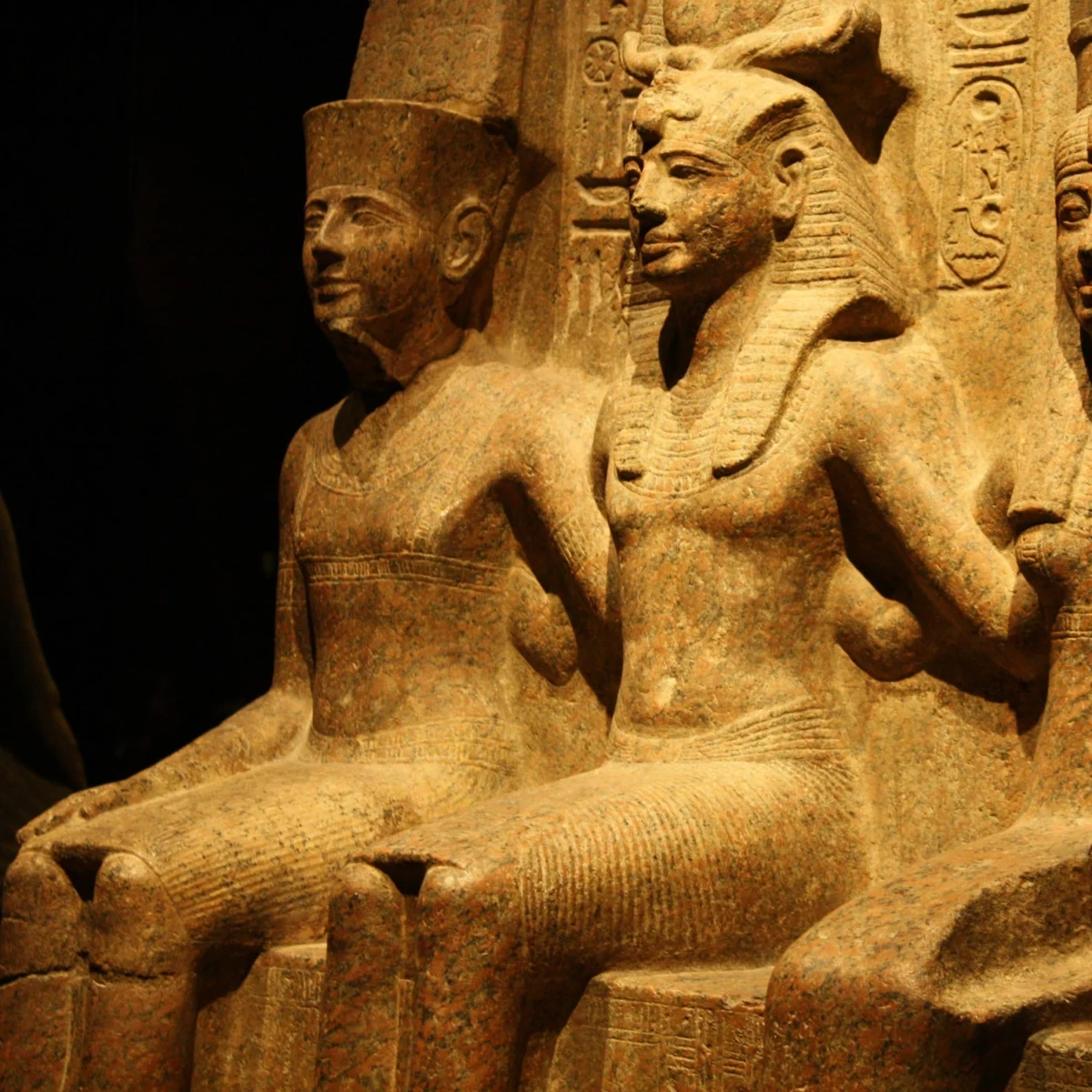
Cairo, Egypt – Spanning roughly from 1570 to 1069 BCE, the New Kingdom stands as the most iconic and thoroughly documented epoch in ancient Egyptian history. Emerging from the disunity of the Second Intermediate Period and preceding the fragmentation of the Third Intermediate Period, this era transformed Egypt from a regional power into a formidable empire, leaving an indelible mark on the historical consciousness of the world. It was a time of unparalleled imperial expansion, monumental construction, and profound cultural and religious shifts, giving rise to many of the pharaohs whose names resonate most strongly today.
Main Facts: The Zenith of Egyptian Power
The New Kingdom is defined by its imperial ambitions and the consolidation of power under a succession of dynamic rulers. It is during this period that Egyptian monarchs formally adopted the title "Pharaoh," derived from the Greek word for the Egyptian "Per-a-a" (meaning "Great House," referring to the royal residence). This shift from "king" to "pharaoh" reflects a significant elevation in the ruler’s status, increasingly associating them with divine authority and national identity. The enduring popular use of "pharaoh" for any Egyptian ruler, regardless of era, testifies to the New Kingdom’s profound influence on our modern understanding of ancient Egypt.
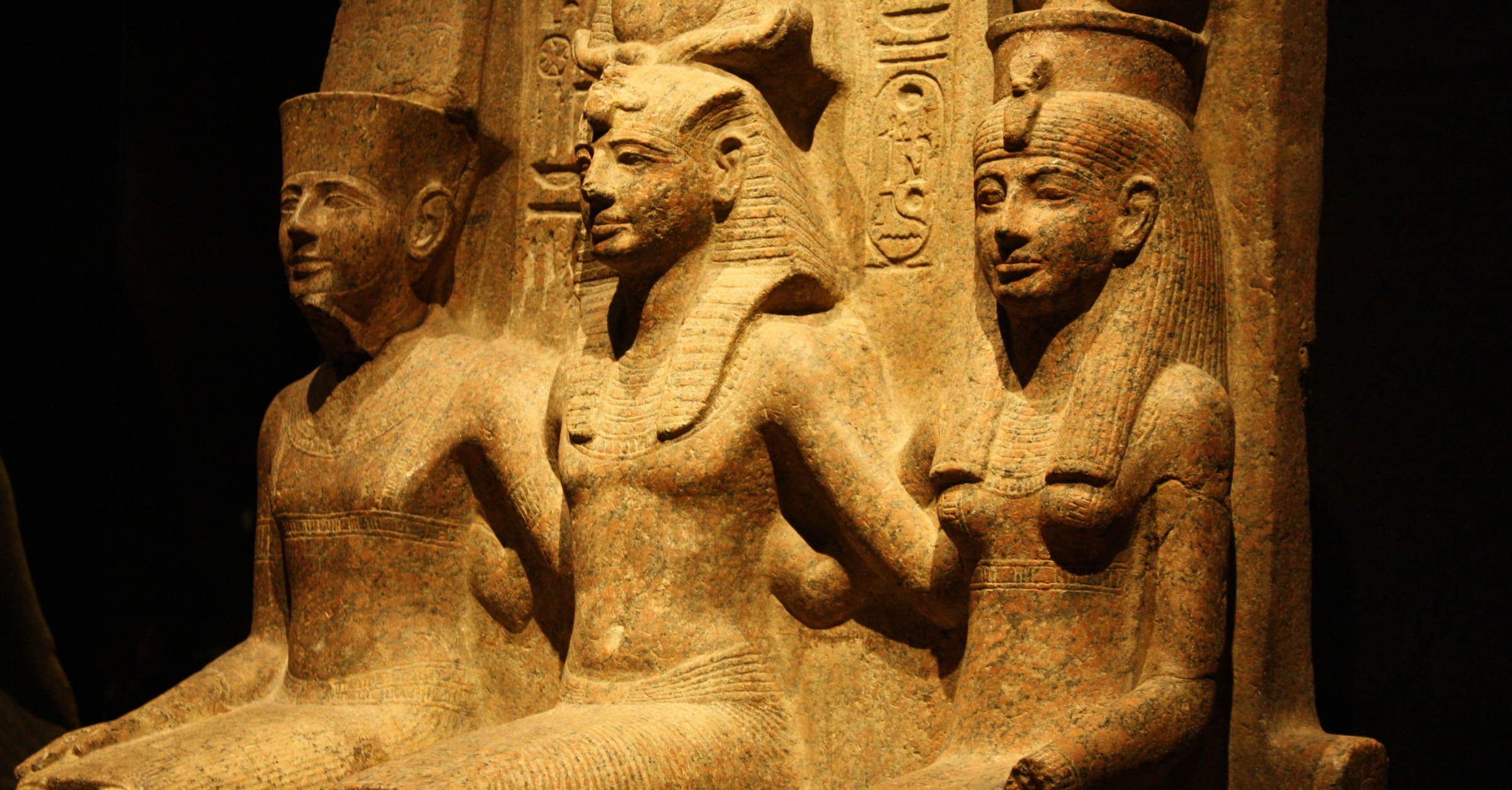
This era witnessed Egypt’s ascent to the "Club of Great Powers," a coalition of major Late Bronze Age civilizations including Assyria, Babylon, the Hittite New Kingdom, and the Kingdom of Mitanni. Diplomatic relations, trade agreements, and military prowess cemented Egypt’s position on the international stage, leading to a surge in written records. Literacy, already expanding since the Middle Kingdom, flourished further, generating a vast bureaucratic network. Treaties, royal correspondence, administrative documents, and personal letters provide an extraordinarily rich tapestry of daily life, political maneuvering, and imperial management, making the New Kingdom arguably the most completely documented period in Egypt’s long history.
Chronology: From Unification to Decline
The New Kingdom is traditionally divided into three dynasties: the 18th, 19th, and 20th, each contributing uniquely to Egypt’s imperial trajectory.
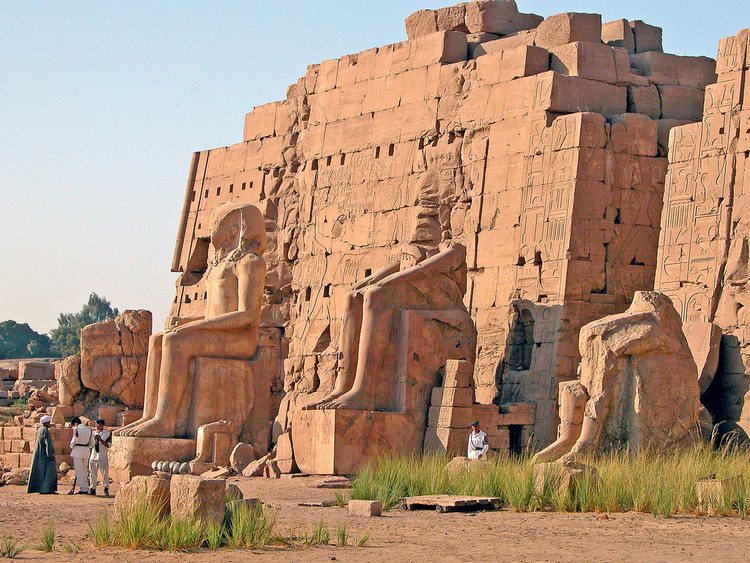
The Genesis of Empire: The 18th Dynasty (c. 1570 – 1295 BCE)
The foundation of the New Kingdom lay in the expulsion of the Hyksos, foreign rulers who had established themselves in Lower Egypt during the Second Intermediate Period. While later Egyptian narratives often depicted the Hyksos era as one of chaos, archaeological evidence suggests a more complex relationship, with the Hyksos introducing crucial innovations. As scholars Brier and Hobbs note, "However pleased the Egyptians may have been to evict the Hyksos, they owed a great debt to their former occupiers. Egypt learned about chariots and horses from the Hyksos along with the secret of producing bronze, a metal harder than their copper." These military advancements would prove instrumental in Egypt’s subsequent imperial expansion.
Ahmose I (c. 1570-1544 BCE), the founder of the 18th Dynasty, spearheaded the final campaigns against the Hyksos, driving them out of Egypt and pursuing them into Canaan and Syria. He then solidified Egypt’s borders, establishing vital buffer zones against future invasions and pushing back the Kingdom of Kush in the south. His reign marked the reunification of Egypt, ushering in an era of stability and prosperity.
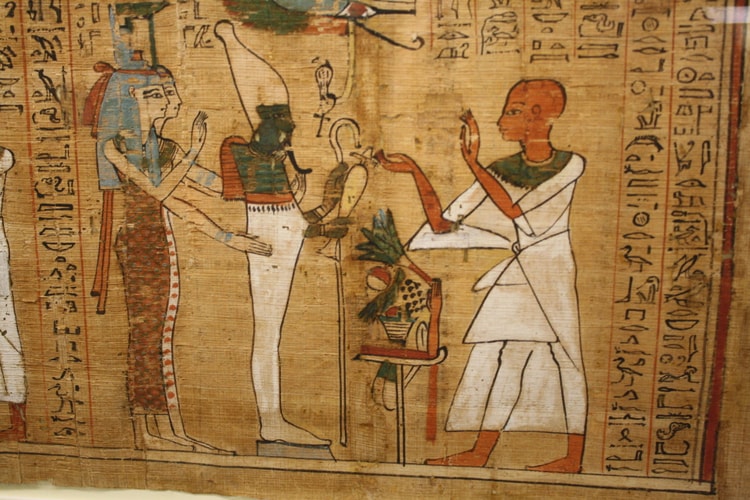
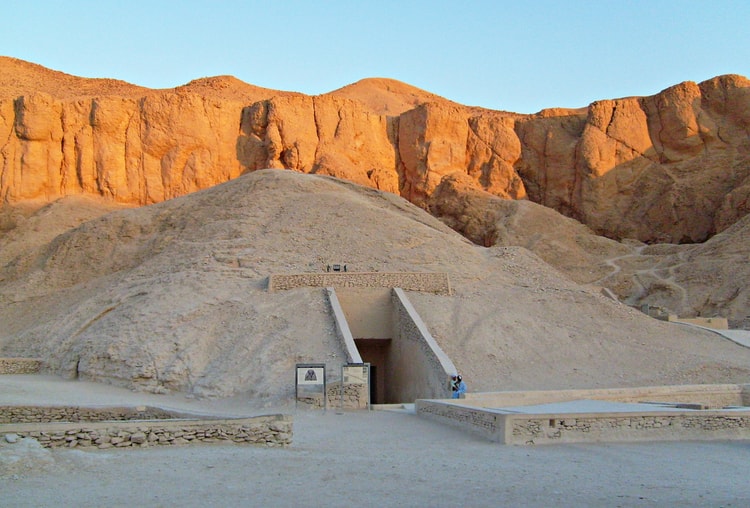
His successor, Amenhotep I (c. 1541-1520 BCE), largely maintained these policies, focusing on internal development, cultural patronage, and securing existing borders. He is particularly noted for his contributions to the arts, including the refinement of The Book of Coming Forth by Day (the Egyptian Book of the Dead) and his patronage of the artists’ colony at Deir el-Medina, responsible for the elaborate tombs in the Valley of the Kings. Upon his death, he was deified by the artisans he supported.
Thutmose I (c. 1520-1492 BCE) expanded Egypt’s reach aggressively. After quelling a rebellion in Nubia with ruthless efficiency, he launched campaigns into Canaan and Syria, pushing Egyptian influence further north than ever before. He initiated significant building projects, including additions to the massive Temple of Karnak at Thebes.
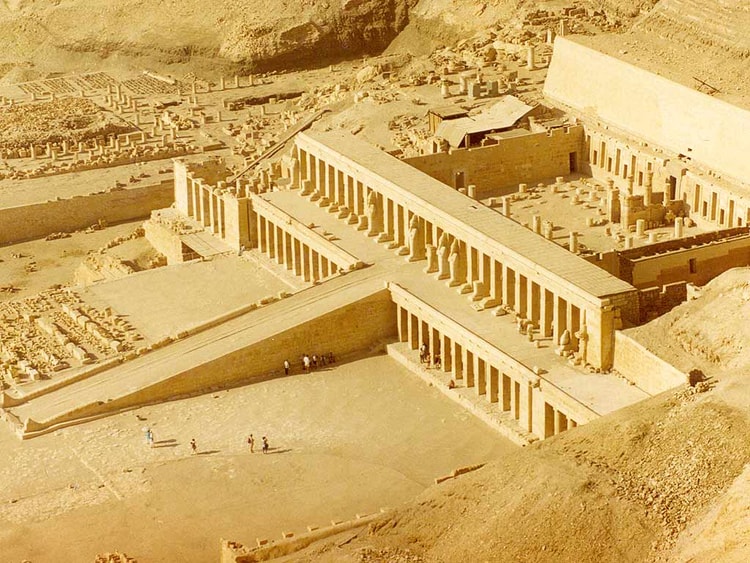
The reign of Thutmose II (c. 1492-1479 BCE) was brief and largely overshadowed by his powerful half-sister and wife, Hatshepsut (c. 1479-1458 BCE). As regent for her young stepson Thutmose III, Hatshepsut gradually assumed full pharaonic power, a rare feat for a woman in ancient Egypt. Her reign was characterized by monumental building projects, including her breathtaking mortuary temple at Deir el-Bahri, and a famed trading expedition to the Land of Punt, which brought immense wealth to Egypt. She ruled in an era of peace and prosperity, focusing on internal development rather than military conquest. The later systematic erasure of her name and images from monuments, likely orchestrated by Thutmose III, is often interpreted as an attempt to restore traditional gender roles and consolidate his own claim to an uninterrupted lineage.
Thutmose III (c. 1458-1425 BCE), upon assuming sole rule, proved to be one of Egypt’s greatest warrior pharaohs, often dubbed the "Napoleon of Egypt." He transformed Hatshepsut’s prosperous nation into a vast empire through relentless military campaigns. Utilizing the war chariots and bronze weaponry inherited from the Hyksos, he led at least 17 campaigns over two decades, subjugating kingdoms from Libya to Syria and extending Egyptian control deep into Nubia. His meticulous records and numerous monuments provide an invaluable account of his conquests, cementing his legacy as the architect of the Egyptian Empire.
Successors like Amenhotep II (c. 1425-1400 BCE) and Thutmose IV (c. 1400-1390 BCE) maintained the empire, focusing on diplomatic relations, trade, and impressive building projects, such as Thutmose IV’s restoration of the Great Sphinx at Giza.
The reign of Amenhotep III (c. 1386-1353 BCE) marked a cultural and economic zenith for Egypt. His opulent reign saw an explosion of art and architecture, with many of Egypt’s most magnificent monuments dating from this period. He skillfully used diplomacy and wealth to exert influence over neighboring states, solidifying Egypt’s position as a dominant power. However, it was also during his time that the powerful priesthood of Amun began to amass significant wealth and land, rivaling the pharaoh’s own estates. Amenhotep III attempted to curb their influence by promoting the minor deity Aten, represented by the sun disk, foreshadowing the dramatic religious reforms of his son.
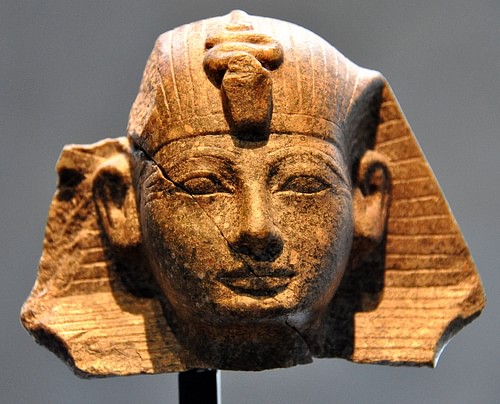
The Amarna Period (c. 1353-1327 BCE), initiated by Akhenaten (formerly Amenhotep IV, c. 1353-1336 BCE), was a radical departure from Egyptian tradition. Akhenaten abolished the polytheistic state religion, particularly the powerful cult of Amun, and elevated Aten to the status of the sole, universal god. He moved the capital from Thebes to a newly constructed city, Akhetaten (modern-day Amarna), and largely withdrew from foreign affairs. While often viewed as a sincere religious reformation, this move can also be interpreted as a strategic political maneuver to neutralize the burgeoning power of the Amun priesthood. His wife, the iconic Nefertiti (c. 1370-1336 BCE), played a prominent role during this revolutionary period.
Akhenaten’s reforms were short-lived. His young son, Tutankhamun (c. 1336-1327 BCE), swiftly reversed his father’s policies, restoring the old gods, reopening temples, and moving the capital back to Memphis and the religious center to Thebes. Though his reign was brief and his achievements largely focused on restoration, the discovery of his nearly intact tomb in 1922 by Howard Carter made him a global sensation.
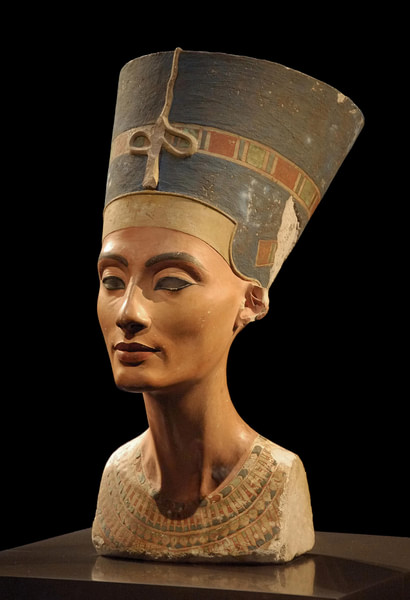
After Tutankhamun’s premature death, a period of instability ensued, culminating in the rise of the general Horemheb (c. 1320-1295 BCE). Horemheb meticulously worked to erase all traces of the Amarna Period, dismantling Akhenaten’s monuments and restoring traditional order, legal structures, and Egypt’s standing in the region. He died without an heir, appointing his vizier, Paramesse, as his successor, thus inaugurating the 19th Dynasty.
The Age of Ramesses: The 19th Dynasty (c. 1295 – 1186 BCE)
The 19th Dynasty began with Ramesses I (c. 1292-1290 BCE), an elderly man who swiftly appointed his son, Seti I (c. 1290-1279 BCE), as his successor. Seti I continued Horemheb’s work of restoration, launching campaigns to reclaim lost territories and leaving behind magnificent temples, most notably his mortuary temple at Abydos and the Hypostyle Hall at Karnak.
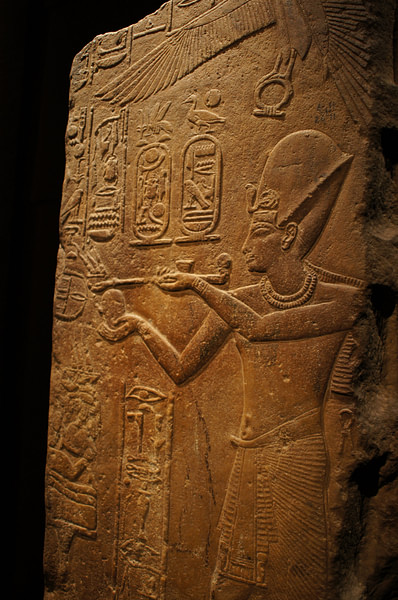
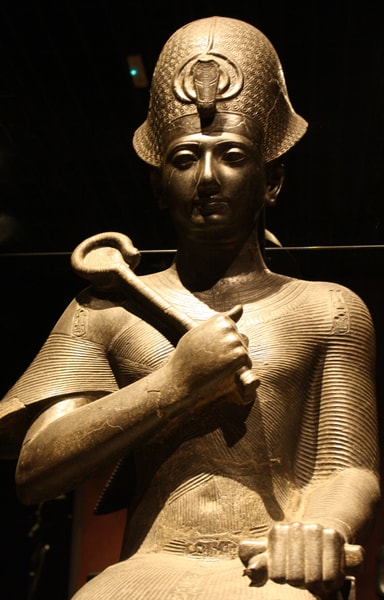
His son, Ramesses II (The Great, c. 1279-1213 BCE), is arguably the most famous and influential pharaoh in Egyptian history. His incredibly long reign (66 years) was marked by unprecedented building activity, military prowess, and a relentless focus on self-promotion. While often associated with the biblical Exodus, historical and archaeological evidence strongly refutes this connection, as his extensive documentation makes no mention of such events.
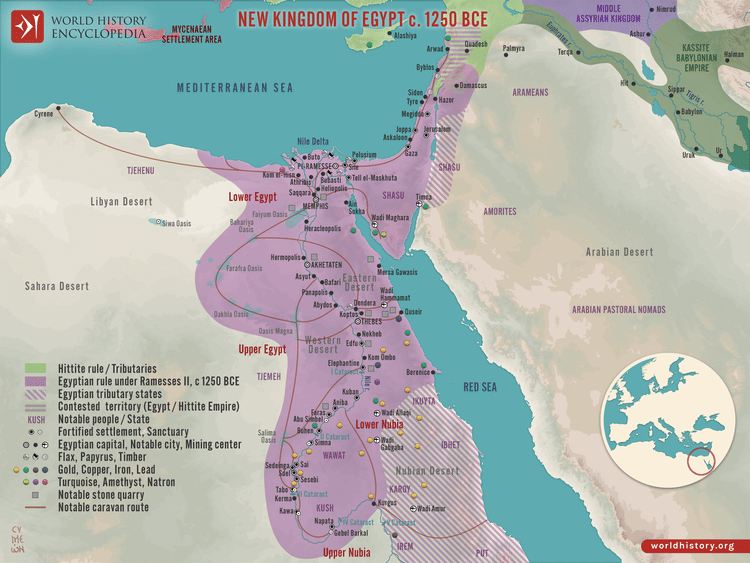
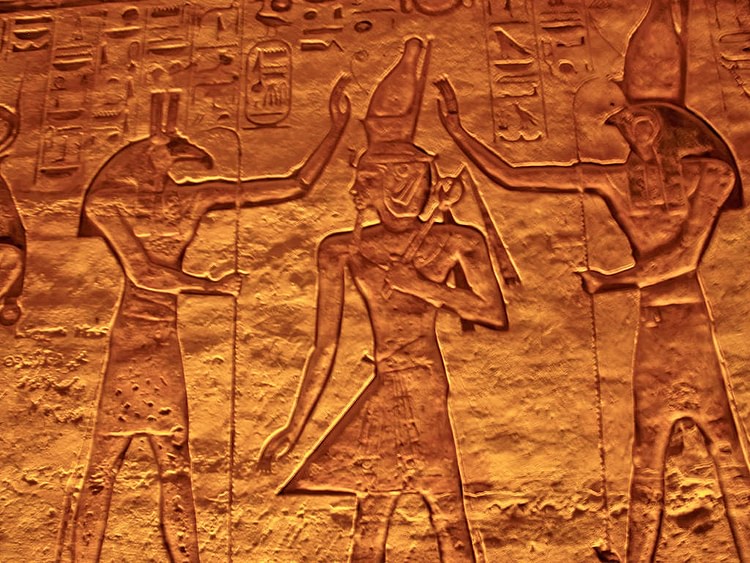
Ramesses II famously confronted the Hittite Empire at the Battle of Kadesh (1274 BCE), a pivotal engagement that, though strategically inconclusive, he depicted as a resounding victory. This led to the world’s first recorded peace treaty. He also successfully repelled invasions by the enigmatic Sea Peoples and Libyans, securing Egypt’s borders. His monumental legacy includes the rock-cut temples of Abu Simbel, the Ramesseum, and vast additions to Karnak and Luxor. In an attempt to better control the northern regions and possibly blend Egyptian culture with that of its Asiatic territories, he moved the capital to a new city he built, Per-Ramesses, in the Nile Delta. This decision, however, inadvertently allowed the Amun priesthood at Thebes to further consolidate their power in Upper Egypt.
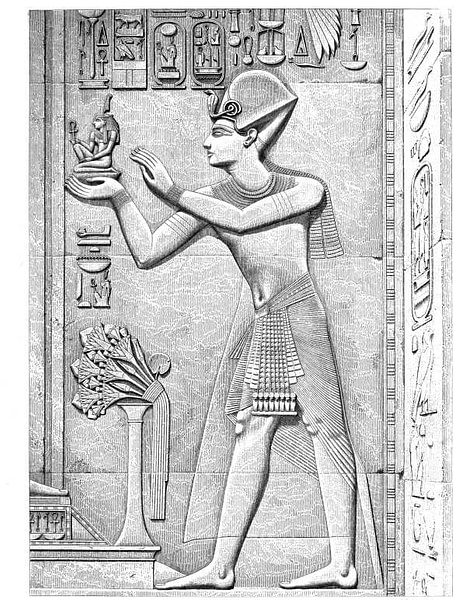
Upon Ramesses II’s death at the age of 96, his subjects could scarcely recall a time without him. He was succeeded by his thirteenth son, Merenptah (c. 1213-1203 BCE), who was nearly 60 when he ascended the throne. Merenptah emulated his father’s warrior image, successfully repelling Libyan incursions and a significant invasion by the Sea Peoples. His famous Merenptah Stele contains the earliest known extra-biblical reference to the people of Israel as a distinct tribal entity.
The end of the 19th Dynasty was marked by a period of succession disputes and instability, with figures like Amenmesse, Seti II, Merenptah Siptah, and the female pharaoh Twosret briefly holding power before the dynasty dissolved.
The Decline of Empire: The 20th Dynasty (c. 1186 – 1069 BCE)
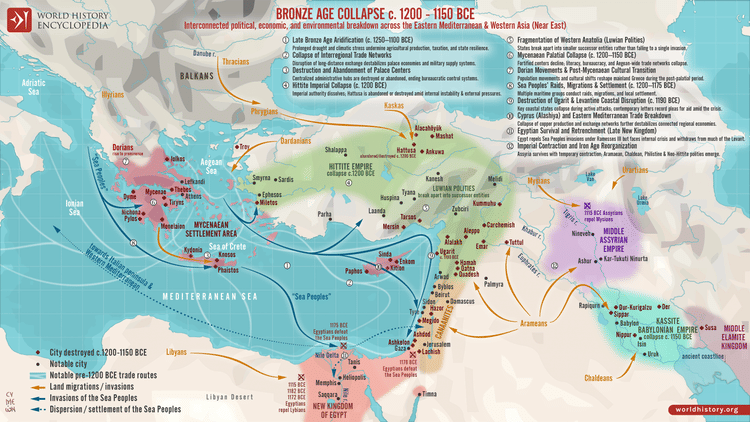
The 20th Dynasty was founded by Setnakhte (c. 1190-1186 BCE), who brought a measure of stability after the turbulent end of the 19th Dynasty. He was succeeded by his son, Ramesses III (c. 1186-1155 BCE), considered the last great pharaoh of the New Kingdom. Ramesses III is celebrated for decisively defeating the Sea Peoples in a series of land and sea battles, preventing the collapse that afflicted many other Bronze Age civilizations at this time. He also fought off Libyan invasions. Despite these military successes, internal pressures mounted. The power and wealth of the Amun priesthood continued to grow unchecked, diverting resources and influence away from the crown. Ramesses III himself fell victim to an assassination plot orchestrated by one of his lesser wives.
The subsequent pharaohs, a series of increasingly weaker rulers all bearing the name Ramesses (Ramesses IV through Ramesses XI), struggled against dwindling resources, external incursions, and, most critically, the overwhelming power of the Amun priesthood. The grand empire forged by Thutmose III and maintained by Ramesses II began to unravel. The office of pharaoh, once seen as the divine intermediary, lost its prestige as the priests of Amun increasingly fulfilled this role through oracles and direct appeals to the "King of the Gods."
Implications: The Fall of the New Kingdom and its Legacy
The steady decline of the New Kingdom was a multi-faceted process. External pressures from the Sea Peoples and Libyans, coupled with a series of less competent pharaohs, certainly played a role. However, the most significant internal factor was the unchecked ascent of the Amun priesthood. Ramesses II’s decision to relocate the capital to Per-Ramesses, while strategically motivated for northern control, inadvertently allowed the priests at Thebes to consolidate their power base in Upper Egypt without direct royal oversight.
As scholar Jacobus Van Dijk explains, a fundamental theological shift occurred: "The king no longer represented god on earth but was subordinate to him; just like all other human beings, he was subject to the will of god…Once it had been recognized that god’s will was the governing factor in everything that happened, it became mandatory to know his will in advance." This led to the widespread use of oracles, effectively transferring political authority from the pharaoh to the priesthood of Amun, who could interpret the divine will. The priests, with their immense landholdings and vast number of employees (over 80,000 at the Karnak temple alone by the end of the New Kingdom), wielded greater economic and spiritual power than the pharaoh himself.
The final demise of the New Kingdom came with the reign of Ramesses XI (c. 1107-1077 BCE). The country became effectively divided between his limited rule in Lower Egypt (from his capital in Per-Ramesses) and the increasingly independent authority of the High Priests of Amun at Thebes in Upper Egypt. This fragmentation mirrored the disunity of earlier Intermediate Periods, but with a crucial difference.
Unlike previous periods of transition that led to a stronger, unified Egypt, the end of the New Kingdom ushered in the Third Intermediate Period, an era of prolonged weakness and foreign domination. The Nubians reclaimed their southern territories, and Egyptian control over Syria, Canaan, and Libya vanished. Egypt never again regained its full autonomy for any significant length of time. Following the Persian invasion in 525 BCE, Egypt largely remained under foreign rule—Persian, Greek (Ptolemaic dynasty), and ultimately Roman.
The New Kingdom, despite its eventual decline, left an unparalleled legacy. Its pharaohs built structures that still awe the world, forged an empire that shaped the ancient Near East, and pushed the boundaries of art, religion, and administration. It remains a testament to the extraordinary ambition and ingenuity of ancient Egyptian civilization, a golden age whose echoes continue to captivate and inform our understanding of human history.