The Evolving Canvas: Legacy, Innovation, and the Cultural Resilience of Modern Cartooning
The landscape of American cartooning is currently undergoing a period of profound reflection and rapid expansion. From the nostalgic aisles of comic conventions in the Southeast to the prestigious announcements of the Pulitzer Prize, the industry is witnessing a unique convergence of its "old guard" and a new generation of digital-savvy, socially conscious creators. As we move through the mid-2020s, the medium of sequential art is proving to be more than just a vestige of the Sunday funnies; it is a vital, multi-billion-dollar pillar of global entertainment and a primary vehicle for social commentary.
This report examines the recent milestones in the industry, including the celebration of legacy strips at Heroes Con, the historic preservation of local newspaper art in the Midwest, the commercial dominance of children’s graphic novels, and the elevation of political cartooning to the highest levels of journalistic recognition.
I. Main Facts: A Confluence of Heritage and Modernity
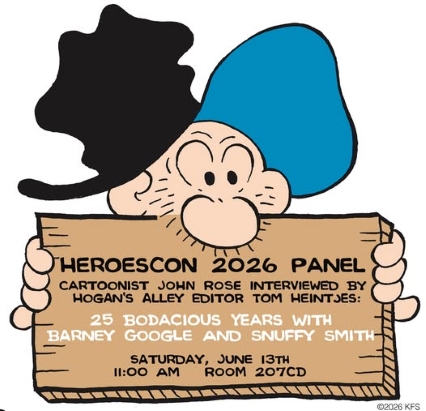
The cartooning world has recently been punctuated by several high-profile events that highlight its diverse reach. In Charlotte, North Carolina, the venerable Heroes Convention (Heroes Con) continues to serve as a bridge between the Golden Age of comic strips and the modern comic book industry. A centerpiece of this year’s programming is the rare public dialogue between John Rose, the current hand behind the century-old Barney Google and Snuffy Smith, and Tom Heintjes, the editor of Hogan’s Alley and a preeminent historian of the medium.
Simultaneously, the industry is celebrating the academic and critical success of modern masters. Mo Willems, a titan of children’s literature, has announced an ambitious 2026 slate that includes new formats and animated expansions. Furthermore, Jerry Craft, the creator of the groundbreaking graphic novel New Kid, has been solidified as a modern classic, appearing on definitive "best-of" lists curated by the nation’s librarians.
The most significant recent achievement in the field of commentary belongs to Ivan Ehlers. As a 2026 Pulitzer Prize Finalist for Illustrated Reporting and Commentary, Ehlers represents a shift toward more inclusive and urgent political satire, proving that the "editorial cartoon" has successfully transitioned from the physical op-ed page to a dynamic digital force.
II. Chronology: From the Underground to the Pulitzer Stage
To understand the current state of the industry, one must look at the timeline of its evolution, which was recently brought back into focus through historical retrospectives.
The 1960s: The Underground Explosion
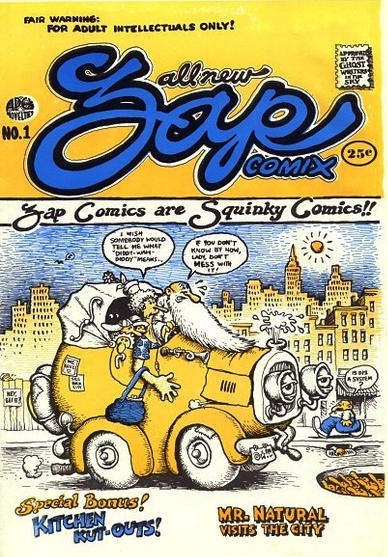
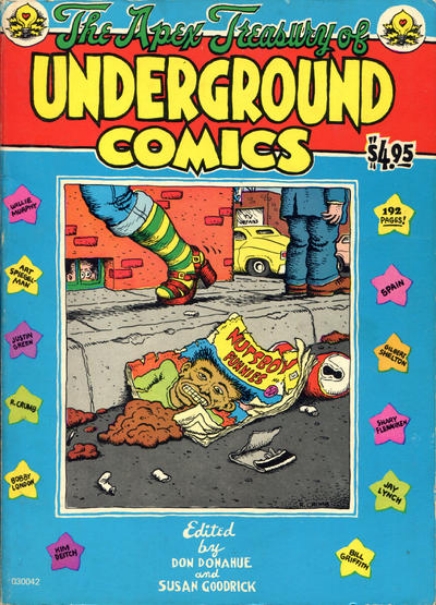
The roots of today’s independent spirit can be traced back to the late 1960s. Historical accounts recently surfaced by comix historian Patrick Rosenkranz detail the pivotal role of Don Donahue. As the printer of Zap #1 (1968), Donahue was instrumental in the "Underground Comix" movement. His work at the Berkeley Barb provided a platform for counter-culture voices, creating a blueprint for the creator-owned independence that modern graphic novelists enjoy today.
The 1970s: The Golden Age of Regional Press
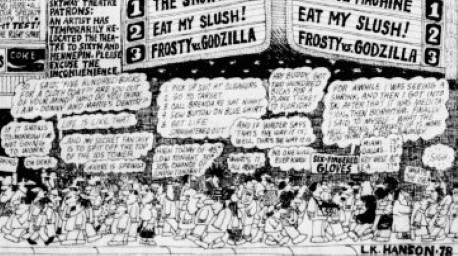
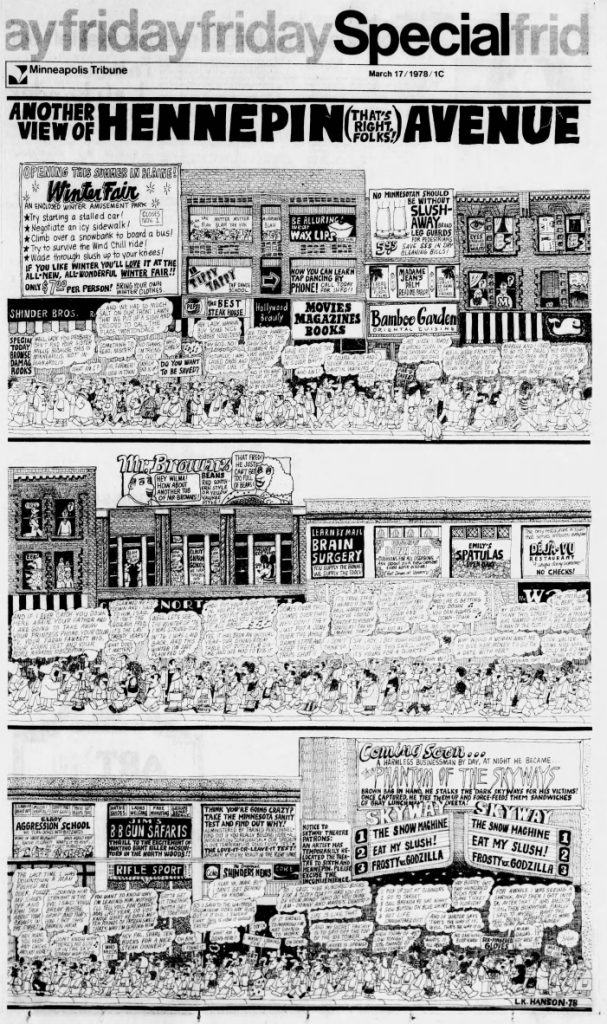
By the late 1970s, the medium had found a sophisticated home in regional newspapers. In 1978, L.K. (Larry) Hanson was redefining the "staff artist" role at the Minneapolis Tribune. His sprawling, full-page illustrations of urban life—specifically the infamous "Block E" of downtown Minneapolis—captured the architectural and social zeitgeist of the era. This period represented a peak for local cartooning, where the artist served as a visual journalist for their specific community.
The 2020s: The Graphic Novel and Multimedia Era
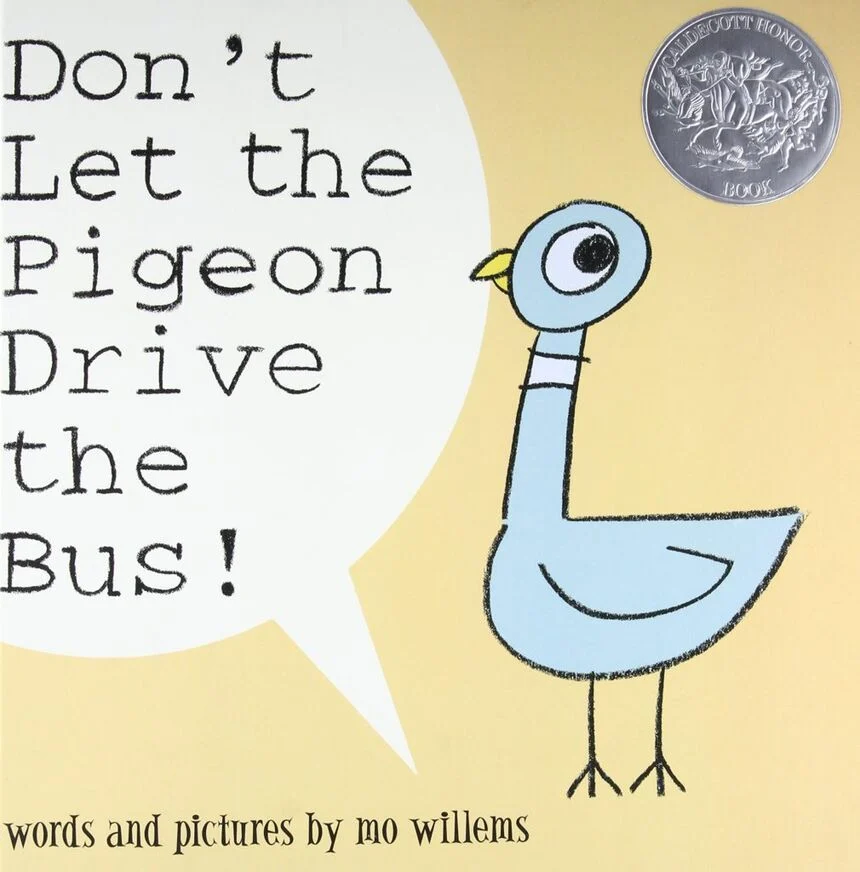
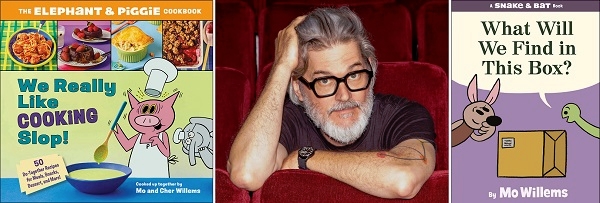
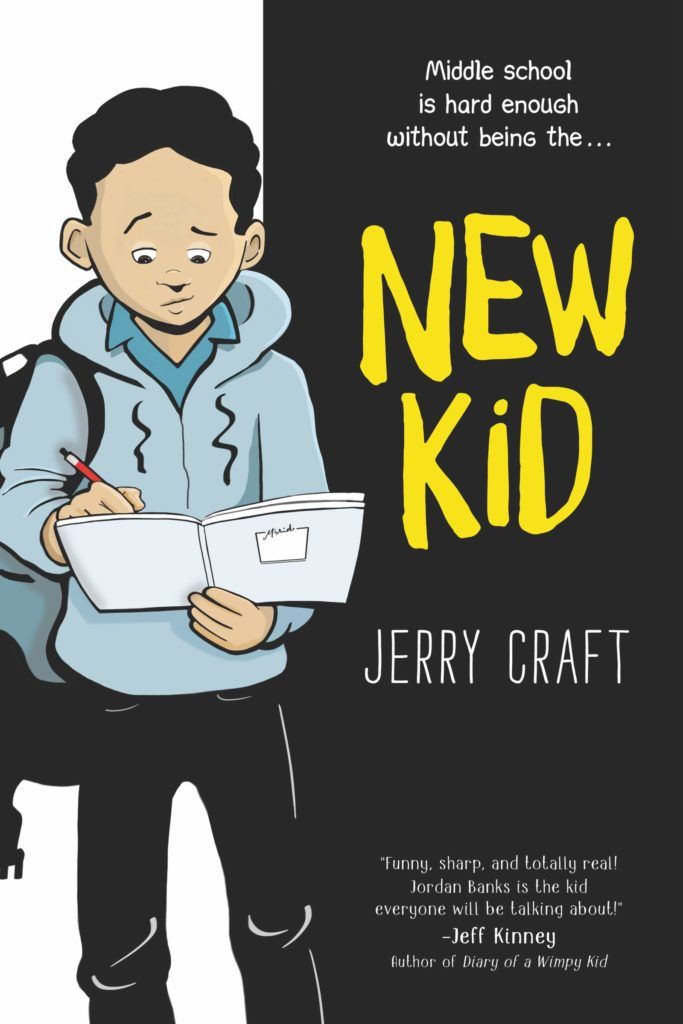
In the current decade, the focus has shifted toward the "Early Reader" and "Middle Grade" graphic novel. Creators like Mo Willems (starting with Don’t Let the Pigeon Drive the Bus! in 2003) and Jerry Craft (winning the Newbery Medal in 2020) have transformed the business model. Cartooning is no longer confined to four panels; it is now a format for long-form storytelling and multi-platform brand expansion, encompassing cookbooks, streaming series, and educational curricula.
III. Supporting Data: Market Trends and Critical Consensus
The health of the cartooning industry is reflected in recent data regarding both consumer habits and critical accolades.
The Librarian’s Choice
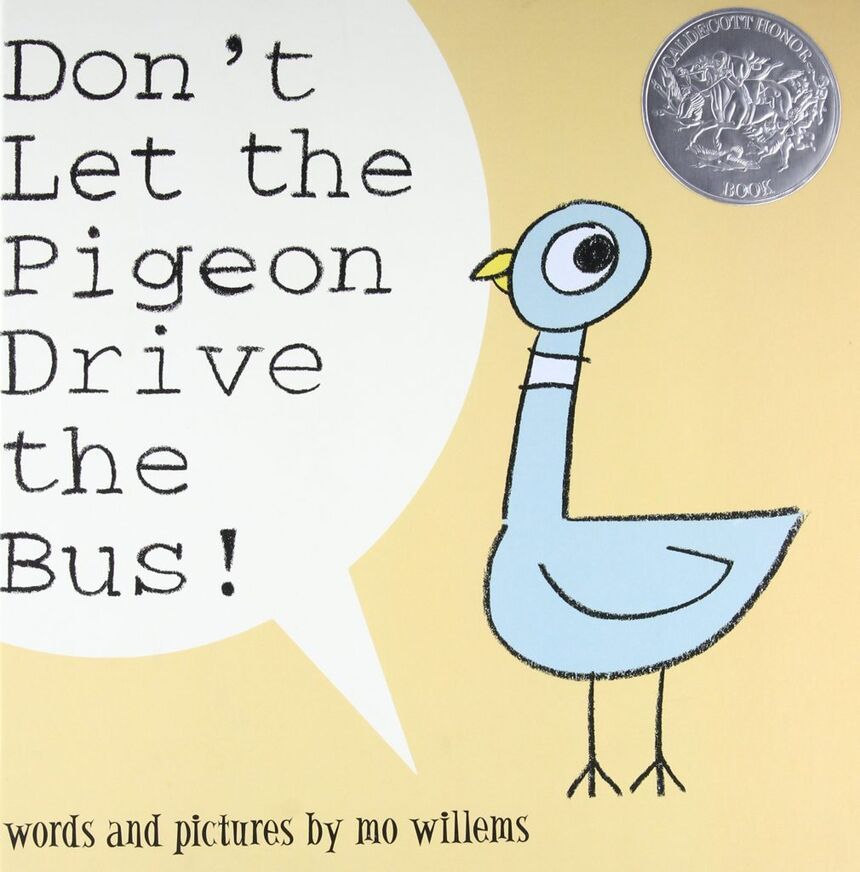
According to a comprehensive list released by Good Housekeeping in collaboration with American librarians, the "49 Best Children’s Books" now feature a significant percentage of graphic novels and cartoon-based narratives. Jerry Craft stands out as a primary example of this shift. His work New Kid is not only a bestseller but is cited by educators as a vital tool for teaching social-emotional learning (SEL). Craft remains the only former syndicated comic strip artist to maintain such a consistent presence on both librarian-curated lists and "Kid’s Choice" awards, highlighting a rare bridge between critical and commercial success.
The Willems Empire
Mo Willems’ 2026 trajectory provides a roadmap for modern creator success. His upcoming projects include:
- The Elephant & Piggie Cookbook: We Really Like Cooking Slop (Sept 2026): A collaboration with Cher Willems, marking a foray into the lucrative children’s lifestyle market.
- Snake and Bat Series: A spin-off of his Elephant & Piggie Like Reading! line, focusing on early literacy.
- Animation: Two new series based on his characters, including the Pigeon, are currently in production, signaling the continued "Disney-fication" of successful literary cartoon properties.
IV. Official Responses and Industry Perspectives
The current state of the industry has elicited varied responses from its most prominent figures, emphasizing a mix of reverence for the past and ambition for the future.
On the Importance of Mentorship
Jim Keefe, the acclaimed artist for the Sally Forth comic strip, recently shared insights after a meeting with L.K. Hanson. Keefe emphasized the importance of preserving the history of local cartooning, stating that the work of artists like Hanson served as a "Mecca" for aspiring creators. "He hit it out of the ballpark with the artwork," Keefe noted, highlighting that the technical mastery of the 1970s remains a benchmark for today’s digital illustrators.
On the Self-Taught Path
In an interview with Printmag, Ivan Ehlers addressed the shifting demographics and educational backgrounds of modern cartoonists. As an Ecuadorian-American and a self-taught artist, Ehlers provides a counter-narrative to the traditional art school trajectory. "Sometimes I think being self-taught is a bonus that allows me to create and problem-solve in a less-restrictive way," Ehlers stated. His status as a Pulitzer finalist serves as an "official" validation of this non-traditional path, encouraging a more diverse pool of talent to enter the field.
On the Continuity of Legacy
John Rose, who continues the legacy of Snuffy Smith, maintains that the "syndicated strip" still holds a unique place in the American heartland. At his Heroes Con panel, the discussion with Tom Heintjes is expected to focus on how a strip created in 1919 remains relevant in 2026 through digital syndication and a commitment to character-driven humor that transcends generational divides.
V. Implications: The Future of Sequential Art
The convergence of these various news items suggests three primary implications for the future of cartooning:
- The "Graphic Novelization" of Literacy: The success of Willems and Craft indicates that cartooning is now the primary gateway to literacy for Generation Alpha. The integration of "slop" cookbooks and early readers suggests that cartoon characters are becoming lifestyle brands rather than just story protagonists.
- The Rise of the "Illustrated Journalist": Ivan Ehlers’ Pulitzer recognition signals that the industry is moving away from simple "gag" political cartoons toward "Illustrated Reporting." This format allows for a more nuanced exploration of complex issues like identity, immigration, and urban policy, making it an essential tool for modern newsrooms.
- The Preservation Crisis and Opportunity: The meeting between Keefe and Hanson highlights a growing need for the formal archiving of regional cartooning history. As the artists who defined the 20th-century newspaper landscape enter retirement, there is a race to digitize and preserve their work before it is lost to the decay of newsprint.
In conclusion, the state of cartooning in 2026 is one of robust health and structural transformation. Whether it is through the preservation of "Block E" in Minneapolis, the expansion of the Elephant & Piggie universe, or the sharp, Pulitzer-worthy critiques of Ivan Ehlers, the medium continues to prove that the combination of word and image is perhaps the most enduring form of human communication. The upcoming panels at Heroes Con and the release of new works by Jerry Craft and Mo Willems are not merely industry updates; they are evidence of a thriving cultural ecosystem.