The Silicon and Glass Alliance: Amazon and Corning Ink Multi-Billion Dollar Deal to Fuel the AI Revolution
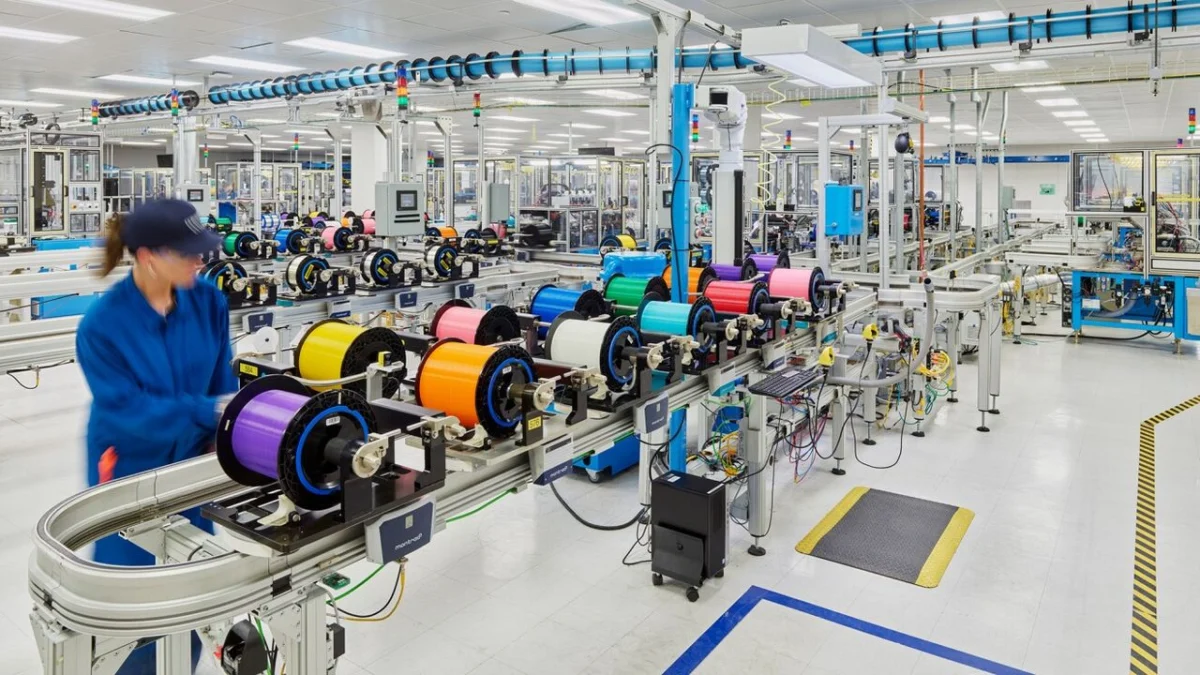
In an era where artificial intelligence (AI) is redefining the limits of computational power, the physical infrastructure supporting the "cloud" is undergoing a radical transformation. Amazon has officially announced a multi-year, multi-billion-dollar agreement with Corning Incorporated, the venerable American glass and ceramics manufacturer, to supply the specialized fiber-optic connectivity required to power the next generation of AI-driven data centers.
This landmark partnership is not merely a supply chain arrangement; it is a strategic alignment designed to fortify the "nervous system" of Amazon Web Services (AWS). As generative AI models grow exponentially in size and complexity, the bottleneck is no longer just the speed of the processor, but the speed and reliability of the data moving between those processors. By securing a massive, domestic supply of cutting-edge optical fiber, Amazon is positioning itself to dominate the AI infrastructure landscape while simultaneously injecting billions into American manufacturing.
Main Facts: A Massive Investment in Connectivity
The agreement between Amazon and Corning represents one of the largest single investments in fiber-optic technology in recent history. While the exact multi-billion-dollar figure remains undisclosed, the scale of the deal is evidenced by its immediate economic impact. The partnership is expected to create upwards of 1,000 new jobs across Corning’s manufacturing facilities and associated construction projects, particularly in North Carolina.
Key components of the deal include:
- Infrastructure Supply: Corning will provide a steady stream of high-density fiber-optic cables and connectivity solutions specifically engineered for AI workloads.
- Economic Impact in North Carolina: The deal builds upon Amazon’s existing $10 billion commitment to cloud infrastructure in the state, bringing its total investment in North Carolina to over $20 billion.
- Workforce Development: A significant portion of the agreement focuses on the expansion of Corning’s Fiber Optic Technician Training Program at Catawba Valley Community College, ensuring a pipeline of skilled labor to maintain this new infrastructure.
- Strategic Domestic Sourcing: By partnering with the New York-based Corning, Amazon is prioritizing a U.S.-centric supply chain, mitigating risks associated with international logistics and geopolitical instability.
Chronology: From Theoretical Graphs to Physical Glass
The path to this multi-billion-dollar agreement has been paved by several months of intensive research and strategic positioning by AWS.
The Architectural Shift
In late 2023 and early 2024, AWS engineers began signaling a shift in how they view data center architecture. Traditional hierarchical network designs, which worked well for standard web hosting and database management, were proving insufficient for the massive, parallel processing required to train Large Language Models (LLMs).
The "Random Network Graph" Reveal
A few weeks prior to the Corning announcement, AWS showcased its "Random Network Graph" architecture. This innovative design moves away from structured, grid-like cabling in favor of a semi-random configuration. Mathematically, this approach increases the number of paths data can take between servers, drastically boosting bandwidth and improving the reliability of the network. However, this architecture requires significantly more physical fiber-optic cable than traditional setups—a requirement that necessitated a partner of Corning’s scale.
The Nvidia Precedent
Amazon is not the first AI giant to realize the importance of Corning’s technology. Earlier this year, Nvidia—the current king of AI hardware—announced its own long-term partnership with Corning. Nvidia’s deal involved backing the construction of three new optical equipment facilities and was linked to a projected "10x increase" in U.S.-based optical connectivity manufacturing capacity. Amazon’s entry into a similar agreement confirms that the industry’s top tier has reached a consensus: the AI race will be won or lost on the quality of the glass.
Supporting Data: The Economic and Technical Scale
The numbers behind this deal reflect the sheer magnitude of the AI "arms race."
Amazon’s Footprint in North Carolina
Amazon’s presence in North Carolina has grown from a distribution network into a high-tech infrastructure hub. According to company data:
- Total Investment: Over $20 billion invested in the state to date.
- Job Creation: These investments have directly contributed to the creation of more than 26,000 jobs across various sectors, from logistics to high-level systems engineering.
- Infrastructure: The $10 billion dedicated specifically to cloud infrastructure represents a massive build-out of server farms that require the very fiber Corning will produce.
Corning’s Market Dominance
Corning, a 175-year-old company that once manufactured the glass for Thomas Edison’s first lightbulbs, has become an "indirect" AI darling.
- Stock Performance: Corning’s shares are up approximately 94.72% Year-to-Date (YTD).
- Manufacturing Expansion: To meet the demands of Amazon and Nvidia, Corning is scaling its U.S. operations at an unprecedented rate. The 1,000 new jobs created by the Amazon deal are part of a broader expansion of the American optical workforce.
The Technical Necessity
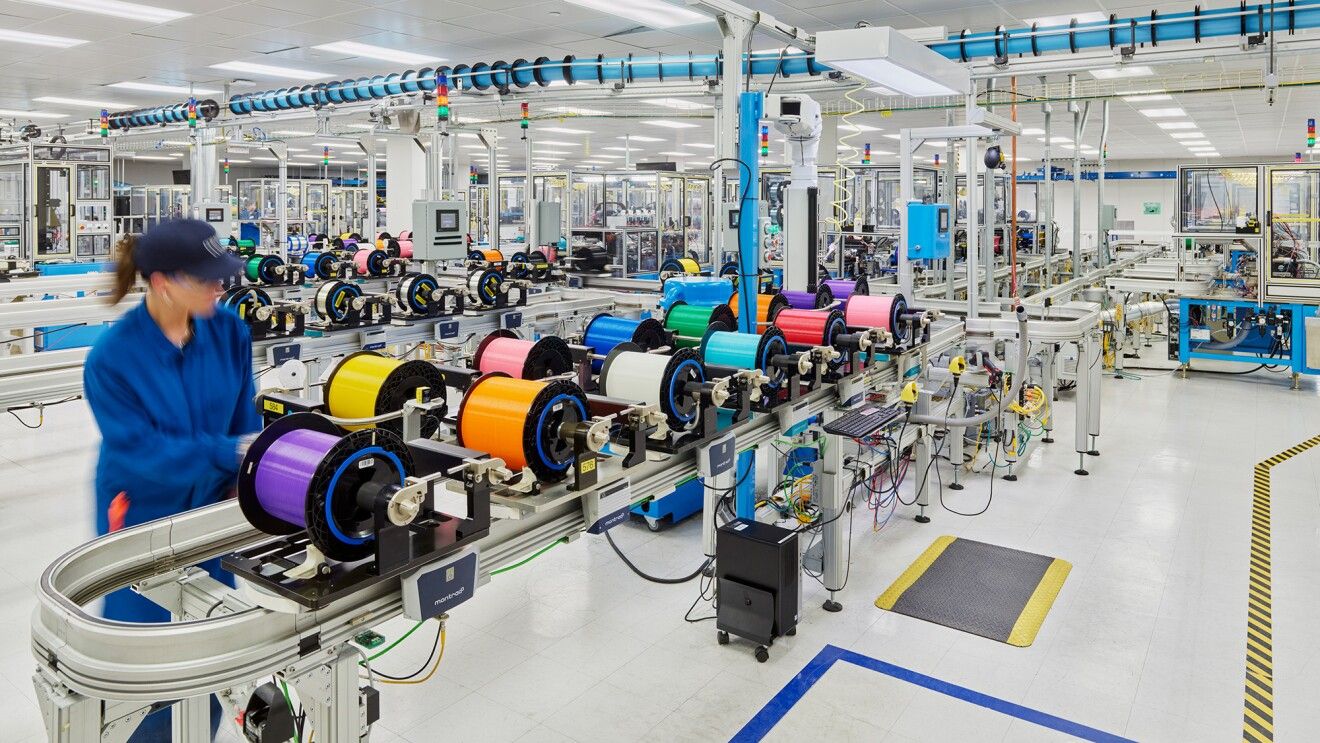
AI data centers operate differently than standard ones. In an AI cluster, thousands of GPUs must work as a single unit. If the data transfer between these units lags by even a fraction of a millisecond, the entire training process slows down. Corning’s specialized fiber allows for "high-density" connectivity, packing more data-carrying strands into smaller spaces, which is essential for the compact, high-heat environments of modern AI server racks.
Official Responses: A Commitment to American Innovation
The leadership of both companies has framed this agreement as a win for both the technology sector and the American worker.
Matt Garman, the CEO of AWS, emphasized the dual nature of the investment: "Amazon’s investments in North Carolina have created more than 26,000 jobs across the state. This multibillion-dollar agreement with Corning continues that commitment, channeling investment into American manufacturing and creating 1,000 new jobs at their facilities near our data centers."
Garman also highlighted the importance of education in this high-tech ecosystem. "We’re also partnering to train North Carolinians for highly skilled roles in fiber optics and fusion splicing. These long-term investments create long-term careers and real opportunity in the communities where we operate."
Corning’s leadership has echoed these sentiments, noting that the demand for "optical compute" is at an all-time high. By aligning with Amazon, Corning ensures that its manufacturing facilities will remain at 100% capacity for years to come, providing the stability needed to invest in further R&D.
Implications: The Future of the AI Infrastructure
The Amazon-Corning deal has profound implications for the future of technology, the economy, and the global supply chain.
1. The End of the "Software Only" Era
For years, the tech industry focused on software as the primary driver of value. This deal signals a return to the importance of physical hardware. You cannot have world-class AI without world-class glass. The "hardware layer"—consisting of GPUs, specialized cooling systems, and fiber-optic networks—is now the primary bottleneck for innovation.
2. The Rise of "Sovereign Supply Chains"
By choosing Corning, a U.S.-based manufacturer with deep roots in North Carolina and New York, Amazon is participating in a broader trend of "friend-shoring" or "on-shoring." In an era of trade tensions and supply chain fragility, having a domestic source for the critical components of the digital economy is a strategic necessity. This deal ensures that the backbone of the American AI industry is built on American soil.
3. Training the Workforce of Tomorrow
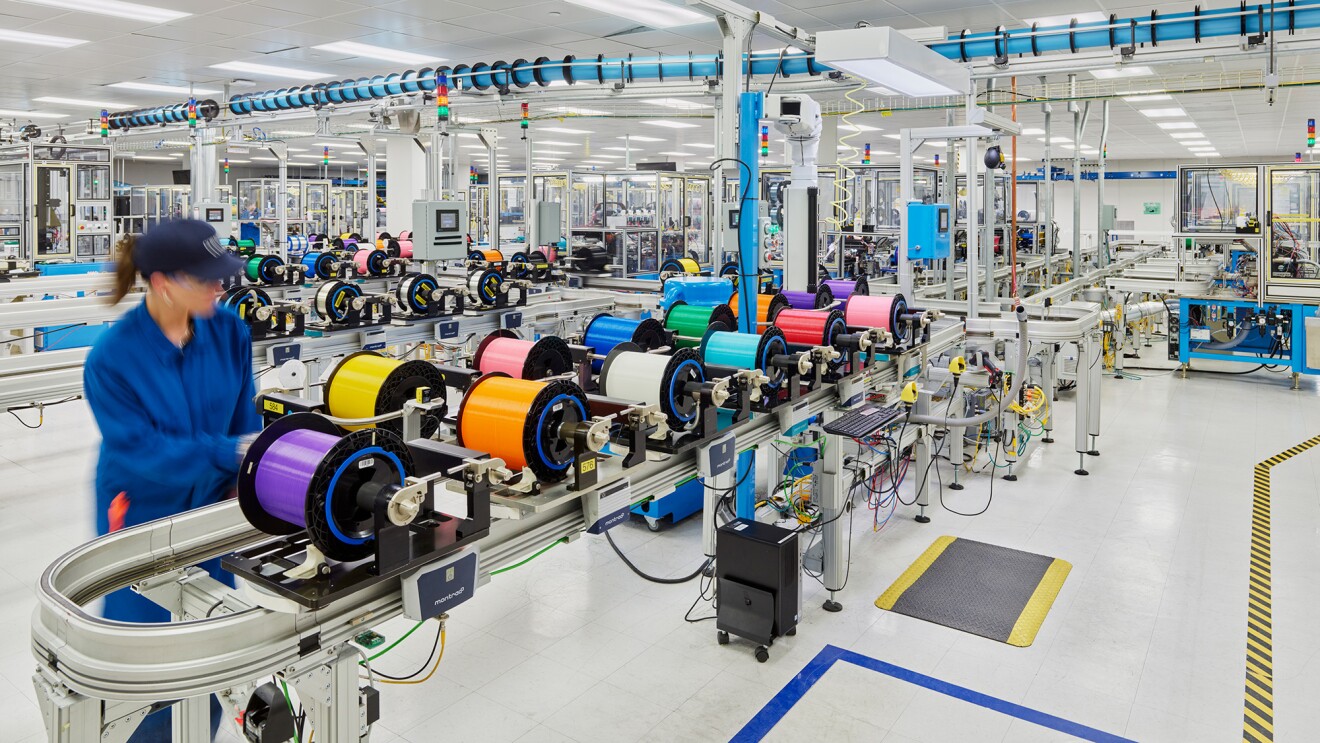
The expansion of the Fiber Optic Technician Training Program at Catawba Valley Community College is a crucial detail. It acknowledges that the AI revolution requires more than just PhD-level computer scientists; it requires a vast army of skilled technicians who can perform "fusion splicing"—the precise process of joining two optical fibers—and maintain complex physical networks. This creates a new path to the middle class for workers who may not have a traditional four-year computer science degree.
4. Bandwidth as the New Currency
As Amazon implements its Random Network Graph architecture, the demand for bandwidth will only grow. This deal suggests that Amazon views bandwidth as a finite and precious resource. By locking in Corning’s capacity now, Amazon is effectively "pre-buying" the ability to scale its AI models faster than its competitors.
5. Environmental and Efficiency Gains
Optical fiber is significantly more energy-efficient than traditional copper cabling for data transmission. As data centers face increasing scrutiny over their power consumption, the shift to advanced fiber optics is a key component of Amazon’s goal to reach net-zero carbon emissions. High-density fiber allows for better airflow in server rooms and reduces the energy required to move data over long distances.
Conclusion
The multi-billion-dollar pact between Amazon and Corning is a definitive statement on the future of the digital world. It bridges the gap between 19th-century material science and 21st-century artificial intelligence. As Amazon continues to build out its massive data center footprint in North Carolina and beyond, the "glass" provided by Corning will be the literal light-speed conduit through which the future of AI flows. For investors, workers, and consumers, this deal marks a significant milestone in the maturation of the AI economy—one built on a foundation of American manufacturing and high-speed connectivity.