John Blanche, Visionary Artist Who Defined Grimdark and Warhammer, Dies at 77
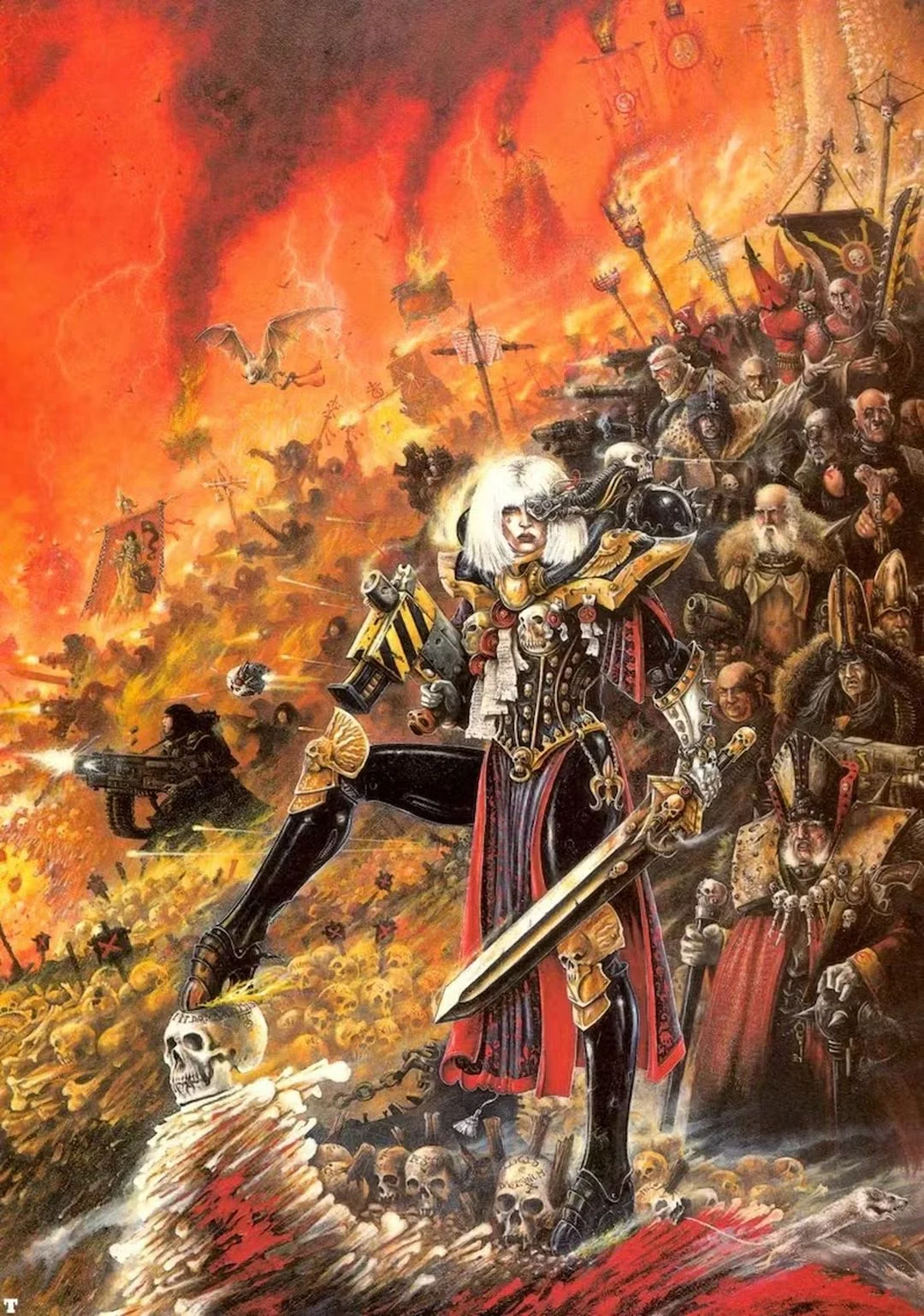
The tabletop gaming world is in mourning following the passing of John Blanche, the legendary illustrator and art director whose distinctive vision irrevocably shaped the visual identity of Warhammer, Dungeons & Dragons, and Fighting Fantasy. Blanche, often credited as the progenitor of the "grimdark" aesthetic, died on June 1, 2026, at the age of 77, leaving behind an unparalleled legacy that has influenced generations of gamers, miniature painters, and fantasy artists.
News of his death was shared by longtime friend and collaborator Trish Carden on behalf of his wife, Lin, prompting an immediate and widespread outpouring of tributes from across the tabletop industry, its vast community, and the wider fantasy art landscape. Blanche’s artwork was not merely supplementary; for millions, it was the world of Warhammer, a stark, gothic, and often unsettling tableau that became synonymous with the brutal, war-torn universes he helped bring to life.
A Career Forged in Fantasy: The Early Years and Ascendancy
Born in 1948, John Blanche began his career as a freelance fantasy illustrator during the vibrant, experimental decade of the 1970s. This era was a fertile ground for imaginative art, fuelled by the nascent popularity of fantasy literature and the burgeoning tabletop role-playing game scene. Blanche’s style, even then, possessed a unique edge, standing apart from the more conventional heroic fantasy art of the time. His early works hinted at the dark, evocative power that would later define his most famous contributions.
His pivotal relationship with Games Workshop began in 1977. At a time when Games Workshop was still a relatively small company, distributing imported games and publishing its own magazine, White Dwarf, Blanche quickly became a key creative force. He contributed striking artwork to White Dwarf and was instrumental in illustrating the company’s early publications, including the very first British edition of Dungeons & Dragons. This initial collaboration laid the groundwork for what would become a decades-long partnership, one that would see Blanche at the very heart of Games Workshop’s creative evolution.
As the company grew, so did Blanche’s influence. His distinctive hand was evident in the visual language of countless products, from rulebooks and supplements to boxed games and advertisements. His ability to convey complex narratives and atmospheric dread through his illustrations quickly made him indispensable.
The Birth of an Empire: Warhammer and Art Direction
Blanche’s influence expanded dramatically with the launch of Warhammer Fantasy Battle in 1983. This seminal wargame, blending dark fantasy with medieval warfare and grotesque horror, featured Blanche’s iconic cover artwork for its first edition. This single image, dense with detail and foreboding atmosphere, immediately established a tone that resonated deeply with players, setting the stage for a universe unlike any other. He helped articulate the game’s distinctive blend of gritty realism and fantastical elements, influencing the appearance of the setting long before miniatures became its primary medium.

Following Games Workshop’s strategic move to Nottingham during the 1980s, a period of rapid expansion and creative consolidation, Blanche’s role evolved significantly. He ascended to the crucial position of art director, a role that extended his impact far beyond his own brushstrokes. As art director, he oversaw a growing team of internal artists, commissioned freelance illustrators from around the world, and, perhaps most crucially, helped shape the appearance and character of Citadel Miniatures. This meant translating the fantastical, often nightmarish, concepts from the page into three-dimensional sculpts that players would collect and paint. His guidance ensured a consistent, cohesive, and deeply atmospheric visual style across all of Games Workshop’s expanding catalogue of worlds and miniature ranges. He was not just an artist; he was a curator of imagination, ensuring that every visual element contributed to the overarching grim and gothic narrative.
The Grimdark Aesthetic: A Universe Defined by Decay and Despair
While his artistic reach extended across various projects, from the arcane depths of Dungeons & Dragons to the adventurous pages of Fighting Fantasy books like Steve Jackson’s Sorcery! series, it was his vision for the far-future Imperium of Man that indelibly cemented his reputation. The aesthetic often described today as "grimdark" owes much of its popularity and widespread understanding to Blanche’s prolific work, particularly for Warhammer 40,000.
The original edition of Warhammer 40,000, subtitled Rogue Trader and launched in 1987, was a stark departure from conventional science fiction. Blanche’s artwork for this game introduced players to a bleak, gothic future, a universe burdened by millennia of war, superstition, and decay. His illustrations depicted a cosmos where towering cathedrals bristled with weaponry, where skulls adorned every banner and piece of armour, and where technology was not sleek and pristine but ancient, arcane, and often grotesque. Religious iconography mingled with impossible machinery, creating a visual language of fanatical devotion and existential despair.
This "grimdark" vision presented a universe that was ancient, oppressive, and steeped in unrelenting conflict. Rather than depicting clean-cut, heroic science fiction protagonists, Blanche imagined worlds populated by weary warriors, zealous fanatics, and monstrous abominations, all struggling in an unforgiving galaxy. His art underscored a core tenet of Warhammer 40,000: "In the grim darkness of the far future, there is only war." This visual style distinguished Warhammer 40,000 from every other science-fiction setting of its time, eschewing utopian ideals or clear-cut heroism for a narrative steeped in moral ambiguity, suffering, and a pervasive sense of dread. More than 40 years later, this aesthetic remains hugely influential, permeating not only Warhammer but also inspiring countless other works in literature, film, and gaming that seek to evoke similar themes of pervasive darkness and despair.
Beyond the Page: Blanchitsu and Miniature Design
Blanche’s impact was not confined to the two-dimensional realm of printed artwork. His ideas and artistic principles profoundly informed miniature design, world-building, and the very culture of the tabletop hobby itself. His expressive, often abstract, and always characterful illustrations provided a rich wellspring of inspiration for the sculptors at Citadel Miniatures, guiding them in translating his unique vision into tangible, three-dimensional models. This symbiotic relationship between art and sculpture was crucial in establishing the iconic look of Warhammer figures, from the grim Space Marines to the grotesque Chaos daemons.
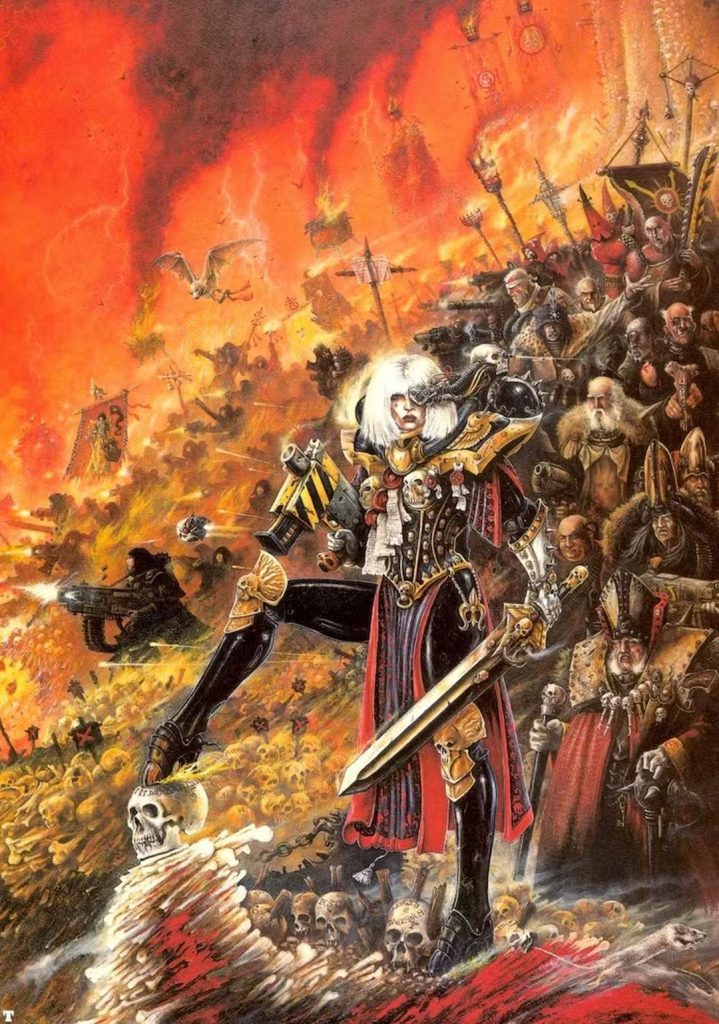
So deep was his influence on the hobby that painters and hobbyists coined the term "Blanchitsu" to describe a specific style of miniature painting and conversion directly inspired by his artistic principles. Blanchitsu emphasizes muted, desaturated colours, heavy weathering, and a focus on texture and narrative over pristine, vibrant displays. It encourages a storytelling approach to miniatures, often incorporating intricate conversions, unique bases, and a palpable sense of history and decay. A Blanchitsu-painted miniature tells a story of survival, struggle, and the relentless wear of a brutal existence, reflecting the very essence of Blanche’s artistic philosophy. This sub-genre of hobbying demonstrates the profound and practical impact he had on how players engage with and express the worlds he helped create.
A Mentor and an Icon: Tributes and Enduring Legacy
John Blanche spent more than four decades with Games Workshop, serving as a creative cornerstone until his retirement in 2023. Even in retirement, his creative output did not cease. He continued to collaborate on various miniature projects, lent his unique artistic style to licensed hobby paint ranges, and remained an active and revered figure within the broader tabletop gaming community. His enduring passion for art and the hobby he helped define was evident right up until his passing.
The tributes that poured in following his death have highlighted not only his immense artistic achievements but also his profound generosity as a mentor and friend. Colleagues, artists, and writers alike remembered him as an inspirational figure whose boundless imagination and unique perspective helped define an entire era of gaming. They spoke of his willingness to share knowledge, his encouragement of nascent talent, and his quiet but powerful influence on those around him.
Fans, meanwhile, have reflected on the countless hours spent poring over his artwork in rulebooks, the distinctive character of the miniatures he inspired, and the rich, immersive worlds brought to life through his singular vision. Social media platforms and hobby forums were awash with heartfelt messages, personal anecdotes, and shared images of his iconic works, each testimonial underscoring the deep personal connection many felt to his art. The collective grief was palpable, a testament to how deeply his work resonated and shaped the imaginative landscapes of so many.
The Unforgettable Imprint: John Blanche’s Lasting Influence
Few creators leave such an indelible and lasting imprint on an entire hobby, let alone an entire genre of fantasy and science fiction. For millions of players across the globe, the worlds of Warhammer Fantasy Battle and Warhammer 40,000 look the way they do because John Blanche imagined them first. His artistry transformed tabletop gaming’s visual landscape, injecting a depth of character, atmosphere, and grim realism that was revolutionary at the time and remains profoundly influential today.
His legacy extends far beyond the specific games he illustrated. Blanche’s vision established a benchmark for dark fantasy and science fiction, proving that narratives of decay, despair, and relentless struggle could be compelling and visually stunning. His work demonstrated the power of art to create immersive worlds, influencing not just subsequent artists within Games Workshop but also inspiring creators across various media. He taught us that beauty could be found in the grotesque, that heroism could emerge from the most desperate of circumstances, and that the darkest visions could be the most enduring.
John Blanche’s artwork will continue to inspire artists, gamers, and hobbyists for generations to come. His pioneering spirit, his unique aesthetic, and his unwavering commitment to creating worlds of profound depth and darkness have secured his place as one of gaming’s most influential and revered artists. He was a true master of atmosphere, a visionary whose grim outlook ironically brought immense joy and inspiration to millions. The tabletop world, and indeed the broader realm of fantasy art, is immeasurably richer for his contributions and will forever bear the mark of his extraordinary imagination.