The Enduring Allure of the Hardboiled Detective: A Deep Dive into Pulp’s Cinematic and Literary Legacy
LOS ANGELES, CA – The gritty, shadowed world of hardboiled fiction continues to captivate audiences, demonstrating a remarkable resilience across various media, from classic novels to modern streaming series. A recent analysis delves into the enduring appeal of iconic detectives like Philip Marlowe, the evolving landscape of genre adaptations, and the surprising platforms making these timeless narratives accessible to new generations.
This exploration, rooted in observations from a long-time genre enthusiast and writer for Black Gate magazine, offers a compelling look at the cultural impact and artistic interpretations of hardboiled and Noir storytelling, examining why these tales of cynicism, moral ambiguity, and stark justice remain profoundly relevant.
The Undiminished Star Power of Philip Marlowe
Philip Marlowe, Raymond Chandler’s quintessential private investigator, has transcended his literary origins to become an indelible figure in popular culture. Born in 1939 with the publication of The Big Sleep, Marlowe was famously "cannibalized" by Chandler from earlier short stories featuring other detectives, a testament to the author’s meticulous craftsmanship in forging a singular character.
Marlowe’s cinematic journey began swiftly, drawing prominent Hollywood talent to embody his weary integrity. Early portrayals included Dick Powell and Humphrey Bogart, who defined the character for a generation. The role continued to attract heavyweights through the decades, with James Garner, Elliot Gould, and Robert Mitchum each offering distinct interpretations. More recently, actors like Powers Boothe, James Caan, and Liam Neeson have stepped into Marlowe’s trench coat, affirming the character’s enduring draw for serious actors.
Unlike other hardboiled legends such as Dashiell Hammett’s Sam Spade or The Continental Op, or Carroll John Daly’s Race Williams, Marlowe consistently commands a unique screen presence. His philosophical musings, moral code, and sharp wit have proven remarkably adaptable, allowing successive generations to rediscover his appeal. This consistent re-envisioning highlights not just Chandler’s brilliant character creation but also Hollywood’s perpetual fascination with the archetype of the lone, flawed hero navigating a corrupt world.
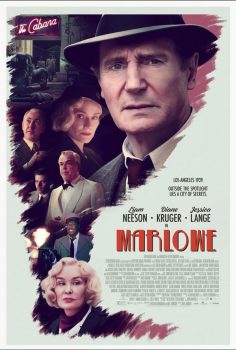
Liam Neeson’s Marlowe (2022): A Visually Striking Commercial Flop
The most recent cinematic outing for Philip Marlowe saw Liam Neeson in the titular role in the 2022 film Marlowe. Based on Benjamin Black’s novel The Black-Eyed Blonde, the film aimed to revive the classic detective for contemporary audiences. Despite its ambition, Marlowe struggled significantly at the box office, grossing a mere $6 million worldwide against a production budget of $20 million, marking it as a commercial disappointment. Critical reception also proved largely unfavorable, with many reviews pointing to a lack of narrative punch.
However, the film, set in 1939 Los Angeles, garnered praise for its exquisite visual style. Its meticulous recreation of the period offered a gorgeous, atmospheric backdrop that faithfully captured the aesthetic essence of hardboiled cinema. Furthermore, Neeson’s performance, while not universally hailed as a definitive Marlowe, was noted for its characteristic professionalism and commitment. Neeson, known for never "mailing it in," delivered a solid portrayal, even if he didn’t perfectly align with every fan’s mental image of the detective. Adding to the film’s artistic merit was the presence of Jessica Lange, lauded as one of her generation’s greatest actresses, who contributed a nuanced and powerful performance that many critics found underappreciated. While perhaps not destined to be a fan-favorite Marlowe film, its visual artistry and strong acting performances make it a noteworthy, if flawed, entry in the character’s extensive filmography.
Mike Hammer: A Polished Echo of Pulp Violence
Mickey Spillane’s Mike Hammer, a character synonymous with brutal violence and uncompromising justice, has carved his own niche in hardboiled lore. While the literary versions, particularly Spillane’s original novels, are often characterized by their graphic content and overt sexuality, the character found broader appeal through adaptations. Stacy Keach’s portrayal of Mike Hammer across two successful television series and numerous radio plays is frequently cited as a definitive interpretation, often preferred by some fans over the original prose. Keach’s distinctive voice even lent itself to narrating the audiobooks, solidifying his connection to the character.
The later collaborations between Spillane and Max Allen Collins, which continued the Hammer saga, are often considered more accessible reads. Hammer’s literary style, with its emphasis on raw power and a distinctly masculine fantasy, draws parallels to Carroll John Daly’s ultra-violent Race Williams, a pioneering figure in hardboiled pulp. While Spillane is generally regarded as a more accomplished writer than Daly, the relentless objectification of women and formulaic plot structures in Hammer’s adventures can be perceived as tiresome. The exaggerated nature of Hammer’s persona, particularly the constant romantic overtures from nearly every female character, often translates into a caricature on screen, further distancing the adaptations from the more serious tone of other hardboiled classics. Despite these criticisms, the enduring popularity of the TV shows and audio adaptations underscores a fascination with Hammer’s brand of vigilante justice, even if the books themselves don’t always achieve the same literary esteem as other genre giants.
Tubi: A Treasure Trove for Hardboiled and Noir Cinema
In an era defined by expensive streaming subscriptions, the rise of free, ad-supported streaming services like Tubi has become a significant resource for genre enthusiasts. For fans of hardboiled and Film Noir, Tubi offers an extensive, easily accessible library of classic and lesser-known titles, providing a valuable alternative for those cutting back on paid services.
The platform boasts a remarkable collection of films featuring legendary actors and iconic narratives from the genre’s golden age. Highlights include Humphrey Bogart in Dead End (alongside the Dead End Kids) and Dead Reckoning, showcasing his quintessential tough-guy persona. Other notable entries include George Raft’s Manpower, the atmospheric Johnny O’Clock, Fritz Lang’s chilling Scarlet Street, the border-crossing suspense of Borderline with Fred MacMurray and Claire Trevor, and Dick Powell’s turn in Pitfall. Robert Mitchum’s highly regarded portrayal of Philip Marlowe in Farewell My Lovely is also available, offering a more nuanced take on the detective than many other adaptations. Even classics like The Roaring Twenties, starring James Cagney and Bogart, are readily available. Tubi’s deep catalog ensures that both recognizable masterpieces and hidden gems of hardboiled and Noir cinema are freely accessible, allowing enthusiasts to delve into the genre’s rich history without financial barriers.
The Bowery Boys: Comedic Hardboiled Hijinks
Beyond the grim realism of classic Noir, the genre’s tropes have also found a comedic home in unexpected places. The Bowery Boys, a beloved ensemble whose filmography spans over a dozen titles available on Tubi, offer a lighter, often zany, take on the hardboiled world. Originating from the earlier, slightly more serious East Side Kids series, The Bowery Boys frequently found themselves entangled with gangsters, masterminds, and nefarious plots, albeit with a distinct comedic flair.
Films like Hardboiled Mahoney even feature the Boys mistakenly believing themselves to be detectives, playfully subverting the genre’s conventions. Their adventures often incorporate classic pulp tropes—grimy cityscapes, newspaper headlines, boxing matches, fake mediums, and wartime spies—but filtered through a lens of slapstick and earnest, if misguided, heroism. While the plots might lack significant variety, consumed individually, these films provide a delightful diversion. The East Side Kids, their predecessor incarnation, offered a touch more narrative depth and slightly less overt silliness, with Leo Gorcey’s character, Muggs McGinnis, being a more grounded version of his later Slip Mahoney. Both series, however, demonstrate the pervasive influence of hardboiled themes on popular entertainment, proving that even a dose of humor couldn’t fully obscure the enduring appeal of tough guys and their urban struggles.
The Disappointment of The Dain Curse Adaptation
While Philip Marlowe enjoys frequent revivals, adaptations of Dashiell Hammett’s foundational works remain notably scarce. Recent years have seen glimpses, such as Samuel L. Jackson’s 2002 film No Good Deed, based on "The House on Turk Street," and the 2024 miniseries Monsieur Spade. However, a comprehensive or consistently faithful cinematic legacy for Hammett’s iconic characters has largely eluded producers. This scarcity makes any new Hammett adaptation a highly anticipated event, though not always a successful one.
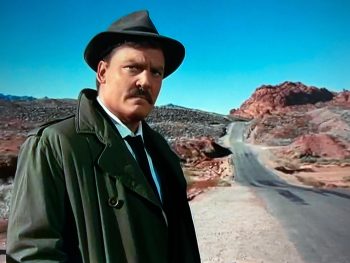
A case in point is the miniseries The Dain Curse, featuring James Coburn as The Continental Op. An enthusiast recently revisited the much-edited version available on Tubi, having previously viewed it on DVD. The experience was marked by significant disappointment, primarily stemming from the creative decision to portray The Continental Op not as Hammett’s enigmatic, unnamed detective, but rather as Hammett himself. This fundamental departure from the source material undermined the character’s essence, alienating those familiar with Hammett’s original vision. The Continental Op is defined by his observational, almost detached, professionalism, and conflating him with his creator fundamentally alters the narrative and thematic integrity of Hammett’s second novel. This adaptation serves as a potent reminder of the challenges and pitfalls inherent in bringing beloved literary works to the screen, particularly when creative liberties obscure the core identity of the source material.
Toby Stephens’s Masterful Radio Rendition of Marlowe
While film adaptations of hardboiled classics can be hit-or-miss, audio dramas have proven to be an exceptionally fertile ground for capturing the nuanced atmosphere and intricate dialogue of authors like Raymond Chandler. The BBC’s radio series featuring Philip Marlowe stands as a prime example of this success. Beginning in 1977 with Ed Bishop in the lead role, these adaptations garnered considerable acclaim, with the final installment airing in 1988.
However, a more recent and equally lauded series emerged in 2011, starring Toby Stephens as Marlowe. Stephens undertook the ambitious task of adapting all six original Chandler novels, along with additional works like Poodle Springs (completed by Robert B. Parker) and Payback (also by Parker, an original story featuring Marlowe). These productions are consistently described as "EXCELLENT" by critics and fans alike, frequently praised for their immersive quality and Stephens’s exceptional performance. Notably, Stephens, a British actor, delivers a flawless American accent, embodying Marlowe with a perfect blend of world-weariness and sharp intelligence. The convenience of these adaptations, often available as a single package on platforms like Audible, allows listeners to revisit them regularly, reinforcing their status as a benchmark for how Marlowe’s voice and inner world can be brought to life through sound. The series is widely considered a five-star experience, demonstrating the power of audio in maintaining fidelity to and enhancing the hardboiled literary tradition.
Spider-Noir: A Web-Slinging Dive into Neo-Noir
The superhero genre’s capacity for innovation was vividly demonstrated with the animated series Spider-Noir, which masterfully blended classic hardboiled and Film Noir aesthetics with the Marvel universe. Following an initial strong impression from its first three episodes, the full eight-episode series delivered on its promise, earning widespread critical and fan approval.
The show, available in both black-and-white and color versions, offers a compelling narrative that seamlessly integrates traditional Noir elements – a morally ambiguous protagonist, shadowy urban landscapes, femme fatales, and cynical dialogue – with the fantastical elements of superhero lore. Nicolas Cage’s voice performance as Spider-Noir received particular praise, with many noting his uncanny channeling of Humphrey Bogart’s iconic Philip Marlowe. The series excelled in both its Noir atmosphere and its superhero/villain action, creating a unique and satisfying viewing experience. While visually striking in color, many aficionados argued that the black-and-white rendition elevated the series to another level, enhancing its stylistic homage to classic Noir. The critical consensus suggests that Marvel meticulously studied the conventions of Film Noir, much like the acclaimed Archer episode that famously paid tribute to The Maltese Falcon, resulting in a sophisticated and deeply satisfying genre hybrid. Spider-Noir stands as a testament to the versatility of Noir, proving its compelling narrative structures and visual language can be successfully transposed into diverse and unexpected settings.
W.T. Ballard’s Bill Lennox: Hollywood’s Hardboiled Fixer
The hardboiled genre isn’t confined to the dark alleys of New York or the sun-drenched, corrupt streets of Los Angeles; it also found a unique home in the glittering yet grimy world of Golden Age Hollywood. W.T. Ballard’s Bill Lennox, a "studio fixer" or trouble-shooter, is a prime example of a character who navigated the unique blend of glamour and vice inherent in the film industry of the 1930s and 40s. Lennox’s adventures, typical of hardboiled private eye fare, are elevated by their distinctive Hollywood backdrop, adding a layer of intrigue and cultural specificity not often found in other pulp narratives.
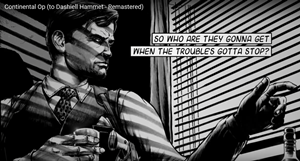
The enduring appeal of Lennox is evident in its influence, inspiring characters like James Scott Bell’s Bill Armbrewster. Enthusiasts are actively working to ensure Ballard’s legacy continues, with Steeger Books committed to reprinting his stories. The author of this analysis has contributed introductions to recent Steeger Books collections of Lennox’s work, including Volume Two, underscoring the character’s revival. Beyond Lennox, Ballard also penned over two dozen stories for Black Mask featuring Red Drake, a horse racing private investigator. The potential for a collected edition of Red Drake’s stories, with an enthusiastic pitch already met with positive reception from publishers, indicates a promising future for more of Ballard’s work to reach new audiences. This sustained interest in Ballard highlights the niche but dedicated readership for pulp-era characters whose unique settings add a fresh dimension to classic hardboiled tropes.
Noir in Full Color: Redefining a Visual Aesthetic
The perception of Film Noir is often inextricably linked to its iconic black-and-white cinematography, a visual language that perfectly captured the genre’s bleakness, moral ambiguity, and stark contrasts. However, the definition of Noir, particularly "Modern Noir" or "Neo-Noir," is evolving, challenging the traditional monochrome aesthetic. While some might dismiss "Neo-Noir" as a trendy label, the essence of Noir – its thematic preoccupations with cynicism, fatalism, and a morally compromised world – can, and does, thrive in color.
The recent success of Spider-Noir, with its optional black-and-white viewing mode, sparked renewed discussion about the genre’s visual identity. Yet, even during the classic era, a few foundational Noir films, such as Alfred Hitchcock’s Dial M for Murder and A Kiss Before Dying, notably utilized color. In the contemporary landscape, a long list of critically acclaimed and beloved films demonstrate the power of color Noir: the Coen Brothers’ Miller’s Crossing, the atmospheric Mulholland Falls, Roman Polanski’s seminal Chinatown, Walter Hill’s Last Man Standing, the intense After Dark My Sweet, the meticulously crafted L.A. Confidential, the elegiac Road to Perdition, and the cult classic Red Rock West. These films prove that the thematic depth and stylistic elements that define Noir are not solely dependent on a grayscale palette. While the classic black-and-white aesthetic remains cherished for its historical significance and artistic power, the vibrant and complex narratives of modern color Noirs affirm the genre’s adaptability and enduring visual versatility.
Concluding Reflections: The Enduring Pulse of Pulp
The landscape of hardboiled and Noir fiction and its adaptations is a dynamic ecosystem, continually evolving while staying true to its gritty roots. From the enduring cinematic appeal of Philip Marlowe, who continues to attract top-tier talent, to the unexpected resurgence of classic pulp authors like W.T. Ballard, the genre demonstrates a remarkable capacity for reinvention and rediscovery.
The challenges faced by new adaptations, such as Liam Neeson’s Marlowe or the contentious portrayal in The Dain Curse, highlight the delicate balance between fidelity to source material and contemporary interpretation. Yet, successes in other media, like Toby Stephens’s highly acclaimed radio Marlowe or the groundbreaking Spider-Noir series, underscore the genre’s versatility and its ability to resonate across different formats and even blend with other genres.
The accessibility offered by platforms like Tubi ensures that a vast catalog of classic Noir remains available to a broad audience, fostering appreciation for its historical and artistic value. Furthermore, the ongoing debate about the visual parameters of Noir, particularly its embrace of color, signals a vibrant future for a genre that, despite its often cynical outlook, remains profoundly alive and culturally significant. The tough-guy heroes, morally ambiguous plots, and shadowy aesthetics of hardboiled fiction continue to offer a compelling mirror to society’s complexities, ensuring its place in the pantheon of storytelling.
About the Author:
Bob Byrne’s "A (Black) Gat in the Hand" debuted on Black Gate in 2018 and has been a popular feature every summer since. His "The Public Life of Sherlock Holmes" column ran weekly from 2014 to 2017, and he irregularly contributes to "Nero Wolfe’s Brownstone." A member of the Praed Street Irregulars, he founded www.SolarPons.com, the definitive website for "the Sherlock Holmes of Praed Street."
Byrne organized Black Gate’s award-nominated "Discovering Robert E. Howard" series and the award-winning "Hither Came Conan" series, which is now part of THE Definitive guide to Conan. He also curated 2023’s "Talking Tolkien." His short stories have appeared in The MX Book of New Sherlock Holmes Stories (Parts III, IV, V, VI, XXI, and XXXIII). He has penned introductions for Steeger Books and contributed to various magazines, including Black Mask, Sherlock Holmes Mystery Magazine, The Strand Magazine, and Sherlock Magazine. For more insights, he can be heard on Jason Waltz’s "24? in 42’ podcast.