The Gemini Growing Pains: Why Google’s AI Transition is Stumbling on Android Auto
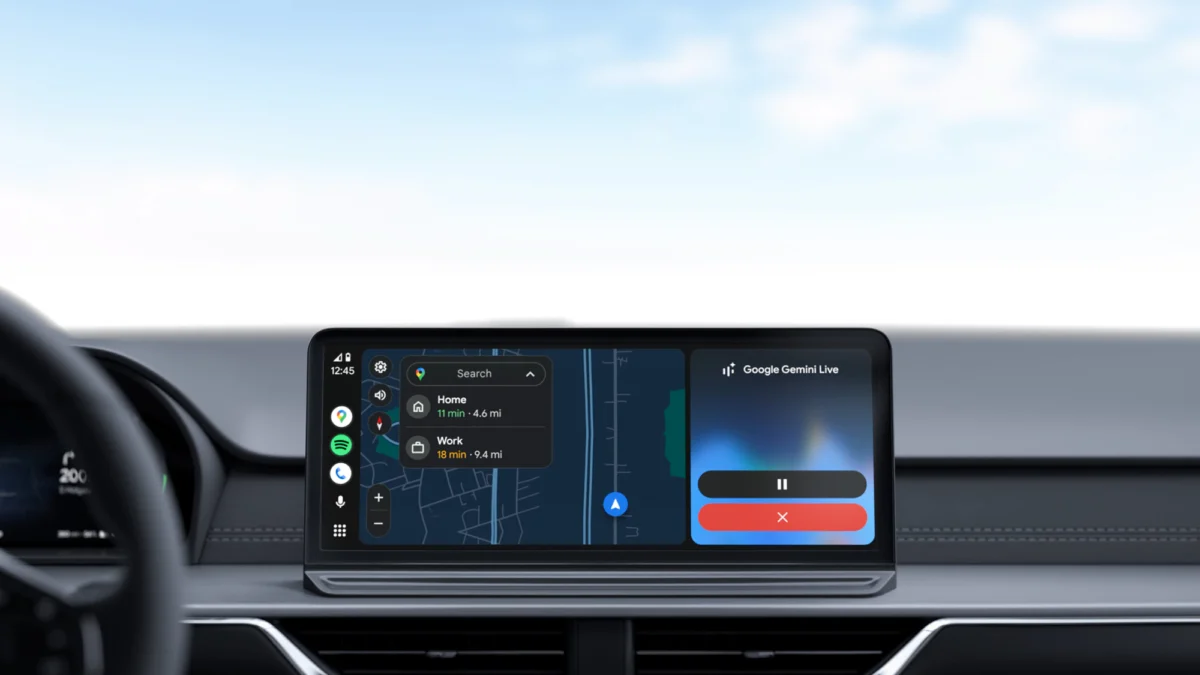
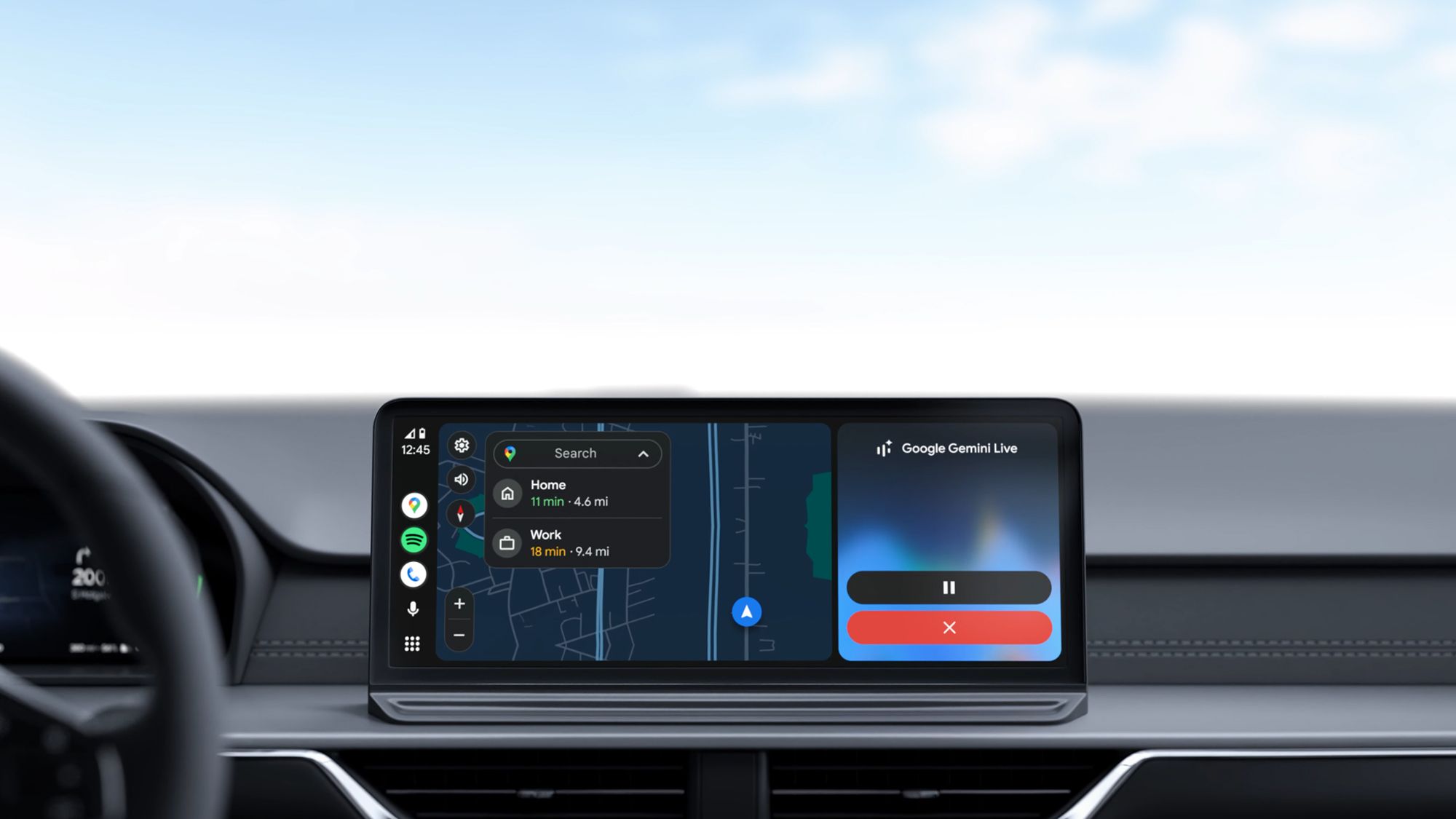
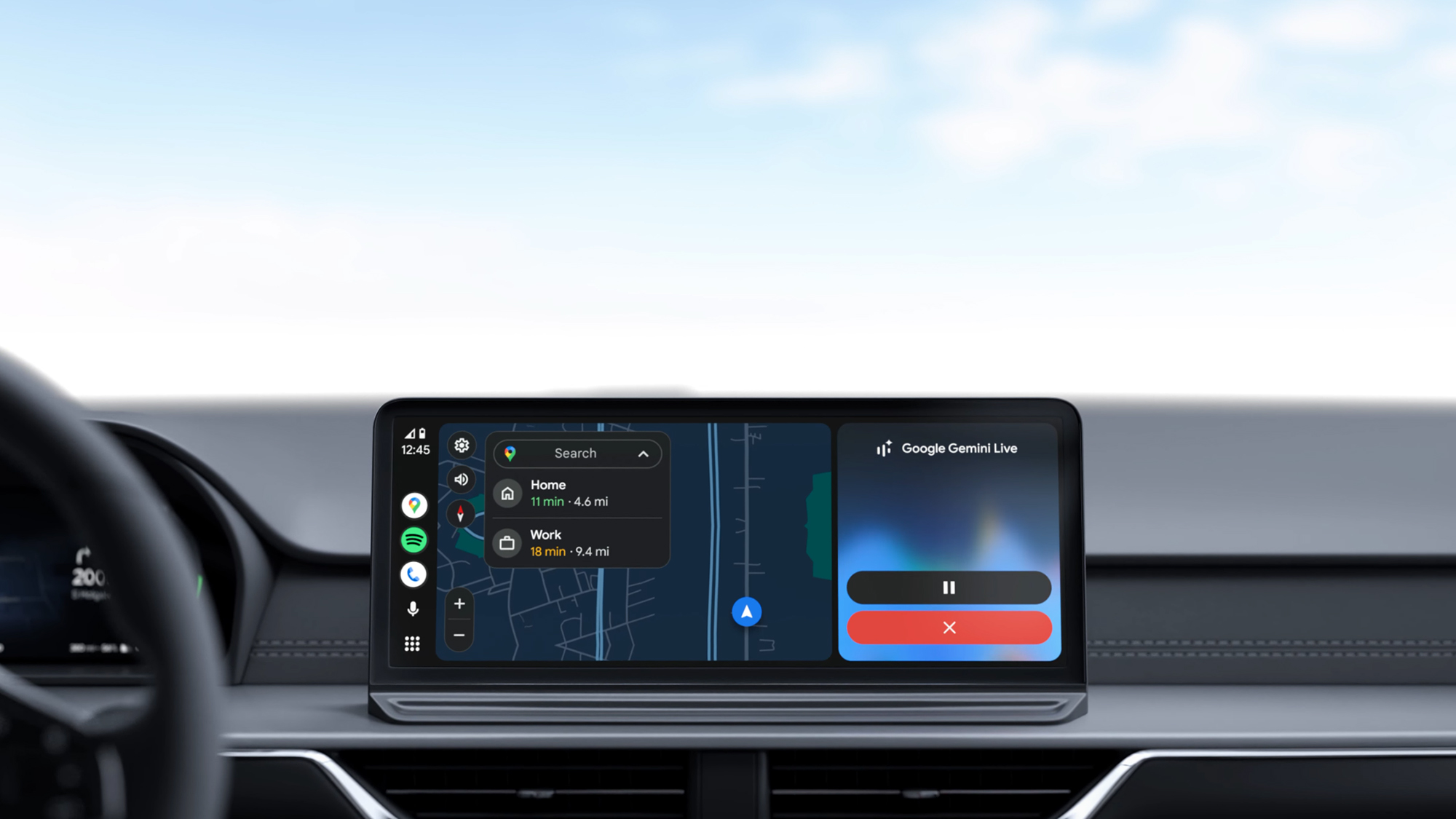
The transition from a legacy software architecture to a future-forward, AI-driven ecosystem is rarely without its hurdles. However, for Google, the latest "growing pain" is hitting users where it hurts most: the dashboard of their vehicles. In recent weeks, Google’s generative AI assistant, Gemini, has faced a wave of criticism as a critical bug has rendered it incapable of performing one of the most fundamental tasks of an in-car system—placing phone calls.
What was intended to be a seamless upgrade from the traditional Google Assistant to the sophisticated Gemini AI has, for many, turned into a source of significant frustration. Reports of failed voice commands, cryptic error messages, and a perceived lack of reliability are prompting a growing number of Android Auto users to retreat to the older, more stable Google Assistant.
Main Facts: A Failure in Core Functionality
The crux of the issue lies in the integration of Gemini within the Android Auto interface. For years, Google Assistant served as the reliable backbone of the hands-free driving experience, allowing users to navigate, message, and call via voice commands. As Google began the phased rollout of Gemini to replace the Assistant, expectations were high for a more conversational and intelligent co-pilot.
Instead, users are encountering a persistent roadblock. When attempting to initiate a phone call via Gemini on Android Auto, the system frequently fails to execute the command, instead displaying a generic error message: "Something went wrong. Please try again."
Key Observations of the Bug:
- Scope of Impact: While the issue is most prominent on Android Auto, reports suggest it has bled over into the standard Gemini app on Android smartphones, indicating a deeper systemic issue with the AI’s "intent handling" for telephony.
- Intermittency: The bug does not appear to affect every user simultaneously. Some report that the feature works occasionally, while others find it completely non-functional, suggesting a server-side instability or a conflict with specific versions of the Google app.
- The "Downgrade" Trend: Frustrated by the inability to make hands-free calls—a vital safety feature while driving—users are actively seeking ways to disable Gemini and return to the legacy Google Assistant.
Chronology: From Launch Hype to Dashboard "Dumpster Fire"
To understand how Google arrived at this point, one must look at the rapid pace of the Gemini deployment.
The Aggressive Rollout
Earlier this year, Google announced a massive AI-powered upgrade for Android Auto. The vision included Gemini summarizing long text messages, providing more contextual replies, and eventually taking over the role of the primary voice interface. The goal was to move away from the rigid, command-based structure of Google Assistant toward the fluid, Large Language Model (LLM) capabilities of Gemini.
Early Warning Signs
As Gemini began appearing on more devices in late spring and early summer, early adopters noticed a lack of parity. While Gemini was excellent at creative writing or summarizing information, it struggled with "low-level" device actions—things Google Assistant had mastered over a decade, such as setting timers, controlling specific smart home switches, and, crucially, interacting with the phone’s dialer.
The Breaking Point
In mid-June 2024, the volume of complaints reached a crescendo. Tech outlets like 9to5Google and various automotive forums began documenting a sudden spike in call failures. What was once an intermittent glitch seemed to become a widespread outage for a significant portion of the user base. By the time the issue hit mainstream Reddit communities, the sentiment had shifted from mild annoyance to outright hostility toward the new AI.
Supporting Data: User Sentiment and Community Feedback
The reaction from the Android community has been uncharacteristically sharp, reflecting the high stakes of automotive software. Unlike a glitch in a weather app, a failure in Android Auto affects the physical safety and utility of a driver.
On the r/GoogleGeminiAI and r/AndroidAuto subreddits, threads detailing the calling bug have garnered hundreds of comments. One user characterized the migration as a "dumpster fire," a sentiment echoed by others who described the current state of Gemini as "absolute rubbish" for utilitarian tasks.
Analysis of User Workarounds
The lack of an immediate official fix led the community to develop its own technical stopgaps:
- The "Update Rollback": Many users found success by uninstalling the most recent updates to the Google app, reverting the software to a factory version that still prioritized the legacy Assistant logic.
- Assistant Reversion: Users discovered they could toggle off "Use Gemini as your primary assistant" in the Google settings. This effectively demotes Gemini back to a standalone app and restores the old Assistant for voice commands.
- The Persistence of the Bug: Data from user comments indicates that even after clearing caches or re-pairing phones to head units, the "Something went wrong" error persists, suggesting the logic failure happens in the cloud-based processing of the voice command rather than on the local hardware.
Official Responses: A Patch in Progress?
Google’s response to the crisis has been relatively quiet, handled primarily through community management channels rather than high-level press releases.
An official Google spokesperson, posting on Reddit, acknowledged the issue and stated that a fix was "rolling out." However, this statement was met with skepticism. In several instances, users replied to the official post claiming that even after updating to the latest versions of the Google and Gemini apps, the calling functionality remained broken.
The discrepancy between Google’s "fix" and the user experience suggests that the resolution may be a multi-stage process involving:
- Server-side updates to how Gemini interprets "Call [Name]" intents.
- App-side updates to the Android Auto stub that bridges the phone to the car’s display.
- Regional staged rollouts, which often result in some users receiving the patch days or weeks before others.
As of late June, the official stance remains that users should keep their apps updated and "sit tight," a directive that offers little solace to those who rely on hands-free calling for their daily commutes.
Implications: The Risks of "Beta-Testing" in the Car
The Gemini calling bug is more than just a technical glitch; it represents a broader challenge in the tech industry’s rush to integrate generative AI into every facet of our lives.
1. Safety and Reliability
Android Auto and Apple CarPlay are not just infotainment systems; they are safety tools designed to keep eyes on the road and hands on the wheel. When a core safety feature like hands-free calling fails, it incentivizes drivers to pick up their phones—the very behavior the system was designed to prevent. By replacing a "boring but reliable" system with an "intelligent but unpredictable" one, Google has inadvertently created a safety liability.
2. The Loss of Feature Parity
The transition highlights a recurring problem with LLM-based assistants: they are often "smarter" in general knowledge but "dumber" in execution. Google Assistant was built on a series of "if-then" triggers that were highly reliable for specific tasks. Gemini, by contrast, attempts to "understand" the request. If the LLM doesn’t correctly map the conversational request to the phone’s hardware API, the system fails. This loss of feature parity is a significant hurdle for Google to overcome if it wants Gemini to be the undisputed successor to Assistant.
3. Brand Trust and Ecosystem Fragmentation
Google has a history of sunsetting beloved products (the "Google Graveyard"), and there is a growing fear among users that Google Assistant is being killed off before its replacement is ready for prime time. If Gemini continues to struggle with basic tasks like calling or smart home control, Google risks alienating its core user base, potentially driving them toward competitors or simply making them more hesitant to adopt new Google features in the future.
4. The Competitive Landscape
With Apple recently announcing "Apple Intelligence" and a revamped Siri, the pressure on Google to deliver a flawless AI experience is immense. Apple’s approach appears to be more cautious, focusing on "on-device" processing for basic tasks to ensure reliability. If Google cannot stabilize Gemini on Android Auto, it may lose the "mindshare" battle for the most helpful AI assistant.
Conclusion: A Long Road Ahead
For now, the advice for Android Auto users is pragmatic: if you need your car to make phone calls reliably, Gemini is not yet ready for your dashboard. Reverting to the legacy Google Assistant remains the only surefire way to ensure that "Something went wrong" doesn’t become the soundtrack to your drive.
While Google will undoubtedly fix the calling bug, the episode serves as a stark reminder that in the world of automotive technology, reliability is the ultimate feature. As we move further into the AI era, the industry must ensure that the "intelligence" of our devices doesn’t come at the cost of their basic utility. For Gemini, the path to becoming a true co-pilot is still being paved—and right now, it’s a very bumpy ride.