The Digital Frontier of Play: ‘Toy Story 5’ Post-Credits Scenes and the Evolution of Pixar’s Narrative Legacy
The release of Toy Story 5 marks a pivotal moment in animation history. For nearly three decades, the Toy Story franchise has served as the flagship for Pixar Animation Studios, charting the emotional lives of playthings while reflecting the changing landscape of childhood. With the fifth installment, the stakes have shifted from the bittersweet pains of growing up to the existential threat of the digital age. As audiences have come to expect from high-profile studio releases, the film does not truly end when the screen fades to black. Instead, it utilizes mid-credits and post-credits sequences to provide both thematic closure and a final, rhythmic flourish.
In this comprehensive breakdown, we explore the intricate details of the Toy Story 5 credits scenes, the technological themes they underscore, and what these narrative beats imply for the future of the beloved franchise.
Main Facts: A Dual Epilogue for a New Era
Toy Story 5 departs from the traditional "blooper reel" format that defined the credits of Toy Story 2 and A Bug’s Life. Instead, it adopts a structure more akin to modern cinematic universes, offering a mid-credits narrative resolution and a post-credits "stinger" designed for comedic relief.
The Mid-Credits Sequence: The Buzz Lightyear Drone Initiative
The mid-credits scene focuses on the "Hi-Tech Buzz Lightyear" army—a fleet of advanced action figures introduced earlier in the film. Unlike the original Buzz (voiced by Tim Allen), these iterations are equipped with internal Wi-Fi, a collective hive-mind, and, most importantly, functional drone technology. The scene depicts these toys fulfilling their programmed purpose: finding children to bring them joy. After the climactic rescue of Lilypad (a sentient tablet interface), the Buzz fleet disperses across a suburban landscape, landing in the hands of lonely children on playgrounds, effectively bridging the gap between high-tech gadgetry and the classic companionship of a physical toy.
The Post-Credits Sequence: "Tryna Make Friends"
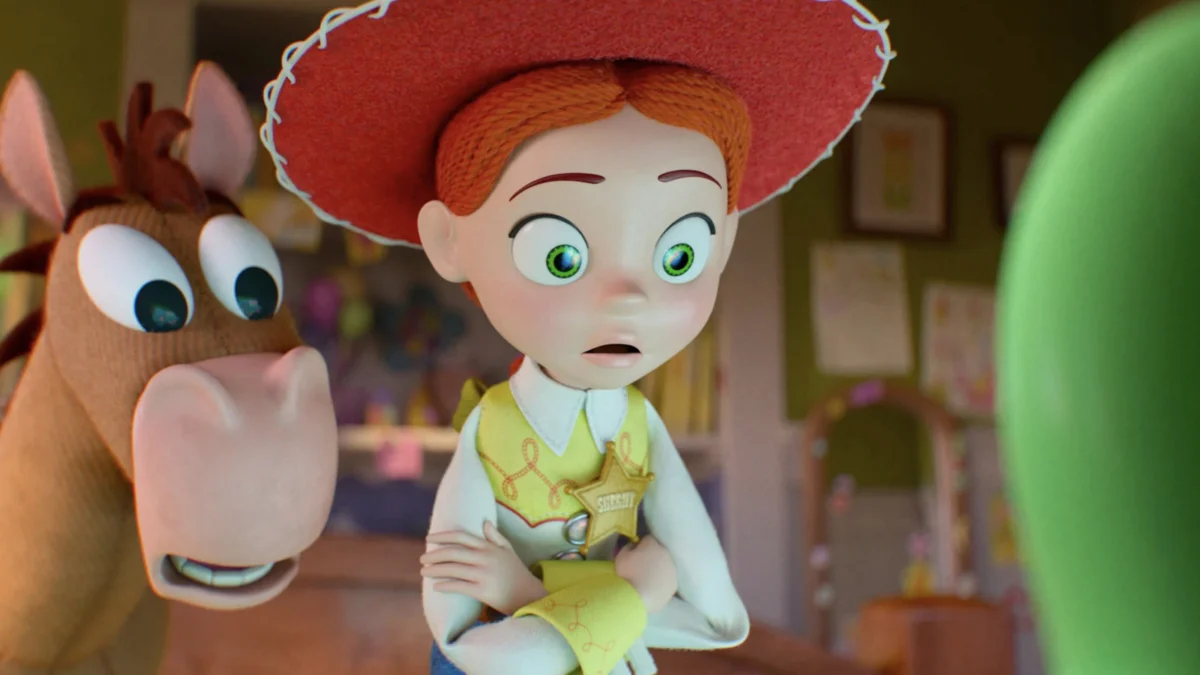
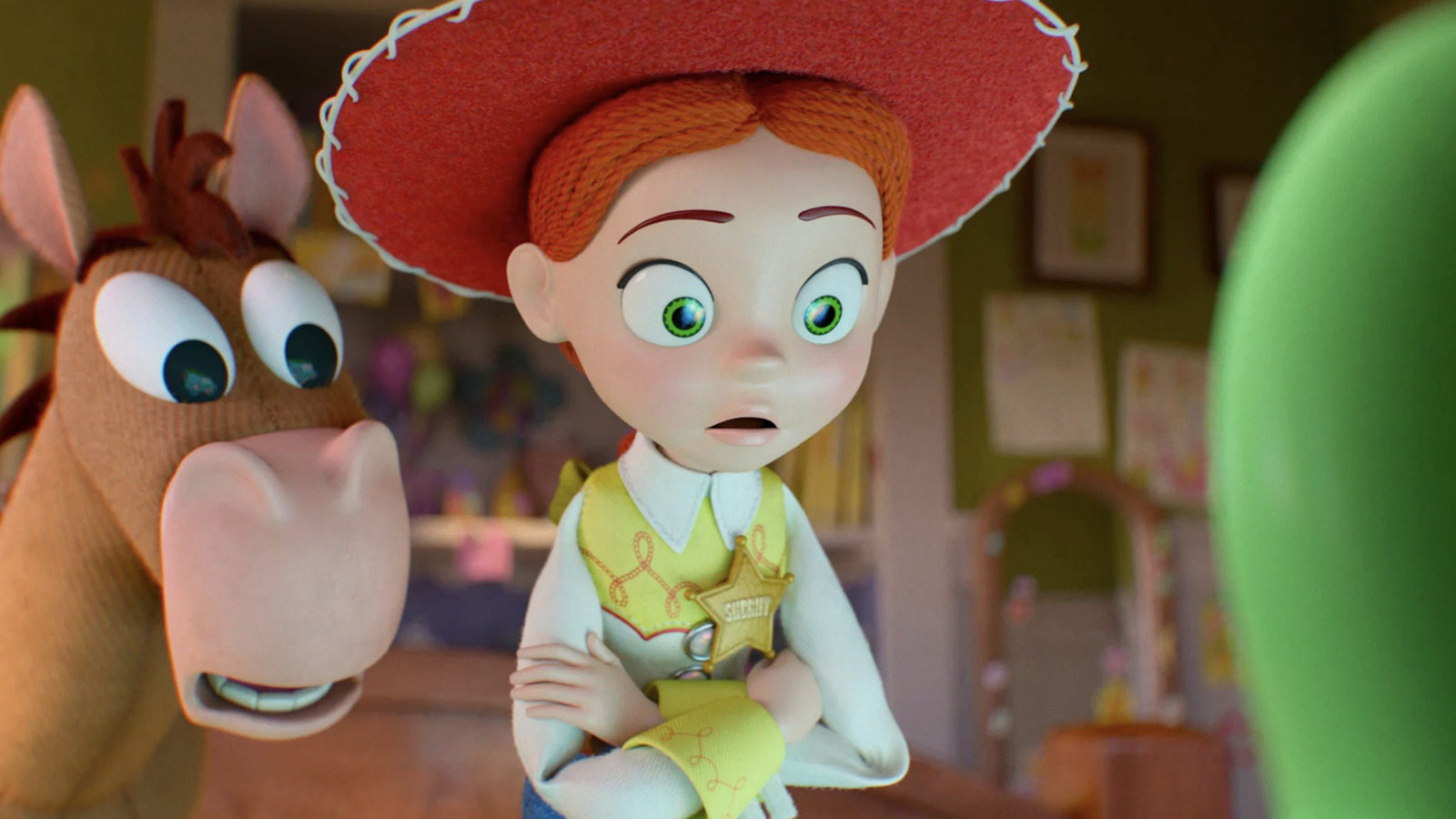
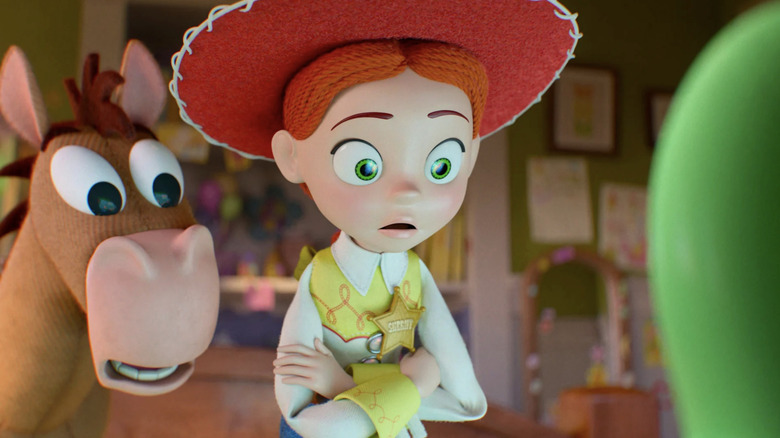
The final stinger is a callback to a pivotal moment of friction between Jessie the Cowgirl (Joan Cusack) and Lilypad. Throughout the film, Jessie struggles with Lilypad’s digital nature. In the post-credits scene, the entire ensemble of Bonnie’s toys—including Rex, Hamm, Trixie, and Buttercup—are seen dancing to a remixed version of Jessie’s earlier frustrations. Lilypad has processed Jessie’s words into a rhythmic hip-hop track titled "Tryna Make Friends" by "Rappin’ Cowgirl." The scene serves as a lighthearted confirmation that the digital and physical toys have finally found a harmonious "frequency."
Chronology: From the Deserted Island to the Playground
To understand the weight of these scenes, one must look at the chronological progression of the film’s secondary plotlines.
- The Cargo Crash: Early in the film, a shipping container carrying thousands of Hi-Tech Buzz Lightyear units is lost at sea, eventually washing up on a deserted island. This sets up a parallel journey where the Buzzes must use their collective intelligence to "return to Star Command."
- The Convergence: While Jessie and Woody (who returns in a mentor capacity) are dealing with Bonnie’s waning interest in traditional toys, the Buzz army constructs a makeshift raft and reaches the mainland. They eventually link up with the original Buzz, recognizing him as their "Commander."
- The Lilypad Crisis: Lilypad, a tablet toy designed to help children socialize, suffers a software-induced identity crisis. Feeling like a failure, she allows herself to be placed in a donation box. The climax of the film involves the Buzz army using their drone capabilities to intercept the donation truck in a high-speed chase.
- The Resolution: The film ends with Lilypad being welcomed into Bonnie’s inner circle. The mid-credits scene then picks up immediately after, showing where the rest of the Buzz "drones" went after the mission was accomplished.
Supporting Data: The Shift from Plastic to Pixels
The inclusion of a "sentient tablet" like Lilypad and an army of "Wi-Fi enabled" Buzz Lightyears is backed by real-world toy industry trends. According to market research cited by industry analysts during the film’s production, "smart toys" and integrated digital play have seen a 12% year-over-year increase in market share.
Pixar’s decision to focus on this conflict highlights the studio’s commitment to "relevance." Where Toy Story 3 dealt with the physical abandonment of toys (Sunnyside Daycare) and Toy Story 4 dealt with the existential purpose of a toy (Forky), Toy Story 5 tackles the "iPad kid" phenomenon. The data within the film’s narrative suggests that children aren’t playing less; they are playing differently. By making the Hi-Tech Buzzes literal drones, Pixar is commenting on the blurring lines between robotics and traditional play.
Furthermore, the "Rappin’ Cowgirl" sequence serves as a meta-commentary on how traditional media (Jessie) is often sampled, remixed, and redistributed by digital platforms (Lilypad) to find a new audience.
Official Responses: Pixar on the "Humanity" of Technology
While Pixar executives have remained tight-lipped about a potential Toy Story 6, director Andrew Stanton and Pixar CCO Pete Docter have provided context regarding the film’s ending and its credits.
In a recent press junket, Stanton noted:
"We wanted the credits scenes to feel earned. The Buzz drone army isn’t just a cool visual; it’s the resolution of their ‘directive.’ In the first movie, Buzz had to learn he wasn’t a space ranger. In the fifth movie, these Buzzes have to learn that even if they are high-tech drones, their primary function is still the emotional support of a child."
Regarding the post-credits rap, songwriters and producers at Pixar emphasized the importance of Lilypad’s "listening" feature. They intended the scene to show that technology isn’t inherently cold or distancing; it can be a tool for creative expression and "remixing" the bonds of friendship.
Implications: What Lies Ahead for the Franchise?
The implications of the Toy Story 5 credits scenes are twofold, affecting both the lore of the series and the broader animation industry.
1. The Expansion of the "Toy" Definition
By successfully integrating Lilypad into the group, Pixar has officially expanded the definition of a "toy" to include smart devices. This opens the door for future films to explore the internet, cloud storage, and AI as part of the "Toy Story" universe. If a tablet can have a soul, can a smart home system? The mid-credits scene suggests a world where toys are no longer stationary objects but active participants in a child’s life through flight and connectivity.

2. The Return of the Ensemble
The post-credits rap scene is significant because it brings the focus back to "Bonnie’s Room." After Toy Story 4 largely separated the group, with Woody becoming a "Lost Toy," Toy Story 5 works hard to re-establish the ensemble dynamic. The credits scenes reinforce that despite the technological upgrades, the heart of the franchise remains the "found family" of the toy box.
3. Commercial Synergy
On a more pragmatic level, the film’s emphasis on high-tech toys serves as a massive marketing engine. The "Lilypad" iPad case mentioned in promotional materials, and the inevitable release of functional Buzz Lightyear drones, show a studio that is fully aligned with its merchandising arm. The credits scenes act as a final "soft sell" for the very technology the film depicts.
4. A New Chapter for Buzz Lightyear
The mid-credits scene effectively "redeems" the brand of Buzz Lightyear after the meta-experiment of Lightyear (2022). By returning to the toy-centric roots but adding a modern "drone" twist, Pixar has found a way to keep the character fresh for a generation of children who find simple plastic wings less impressive than actual quadcopter rotors.
In conclusion, Toy Story 5 uses its final moments not just to entertain, but to solidify a bridge between the nostalgic past and the digital future. Whether through a fleet of flying action figures or a tablet-generated rap, the message remains consistent: the medium of play may change, but the need for a friend remains eternal. As the credits finish rolling, audiences are left with the sense that while the toys have changed, their mission—"To Infinity and Beyond"—is more expansive than ever.