The Frictionless Frontier: How Saily is Redefining the Travel eSIM Experience
In the high-stakes world of international travel, the "connectivity gap" has long been the bane of the modern voyager. For decades, the ritual was the same: landing in a foreign capital, hunting for a kiosk that sells overpriced local SIM cards, and fumbling with a paperclip to swap out tiny pieces of plastic while juggling luggage. Alternatively, many travelers simply braced themselves for the "bill shock" of exorbitant roaming charges from their home carriers.
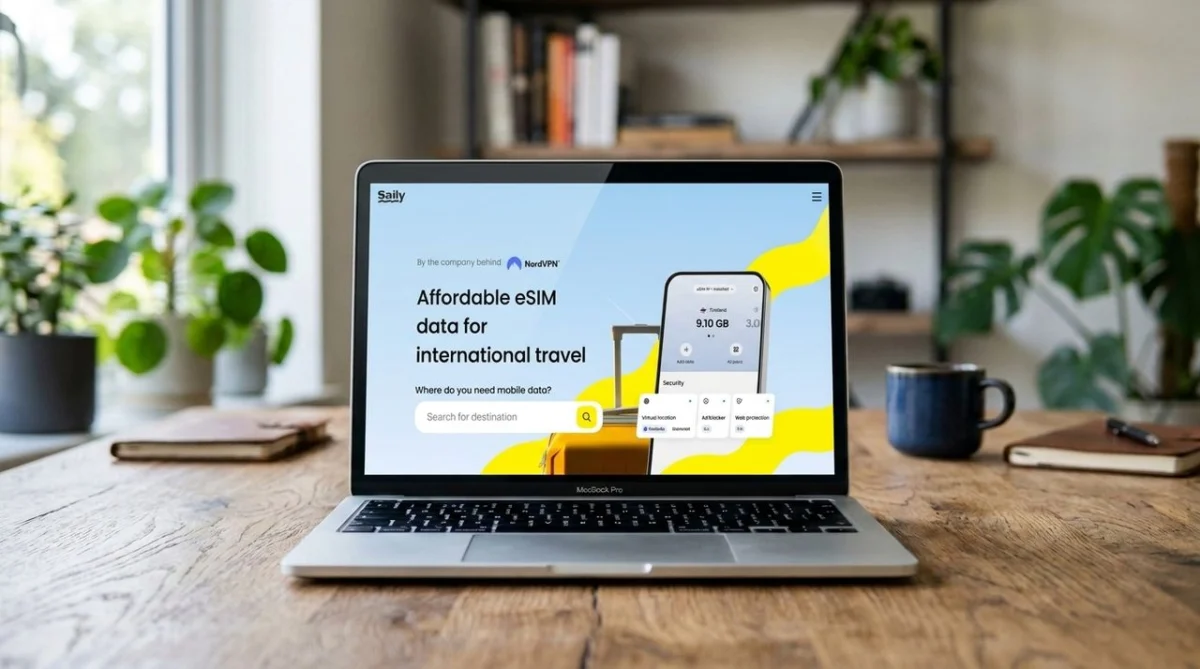
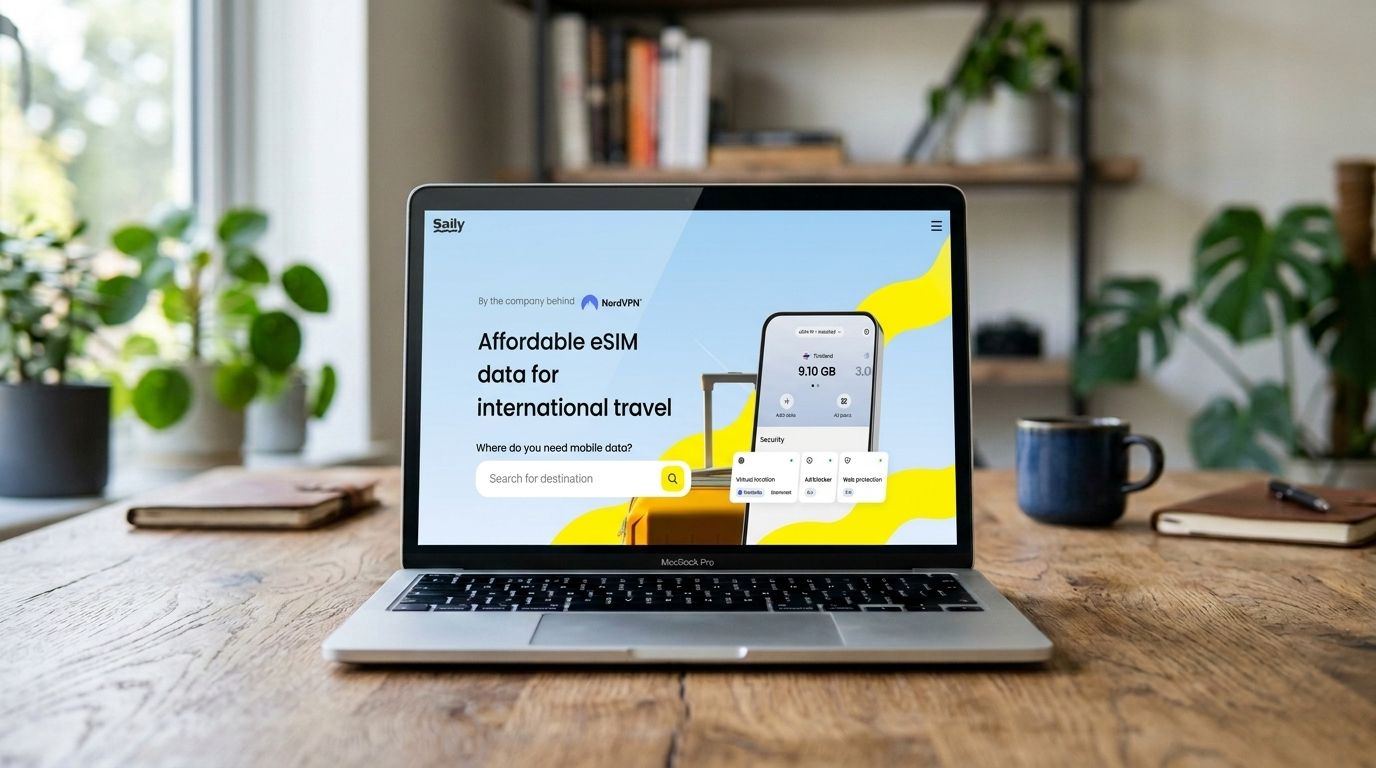
However, a digital revolution is currently underway. Saily, a spinoff from the cybersecurity powerhouse Nord Security, is at the forefront of this transformation. By leveraging eSIM (embedded SIM) technology, Saily aims to democratize access to global networks. Yet, as the company’s leadership points out, providing the technology is only half the battle; the real challenge lies in overcoming the psychological and technical friction that prevents mainstream adoption.
Main Facts: The Current State of the eSIM Market
The transition from physical SIM cards to eSIMs represents one of the most significant shifts in telecommunications since the invention of the smartphone. An eSIM is a programmable SIM card that is embedded directly into a device’s hardware, allowing users to activate a cellular plan from a new carrier without needing a physical card.
Despite the obvious benefits, Saily’s internal data reveals a startling reality: fewer than one-third of their customers have previously used an eSIM. This statistic highlights a massive "novelty gap." While tech-savvy early adopters have embraced digital roaming, the broader public remains hesitant.
The primary barriers to entry include:
- Device Compatibility Uncertainty: Many consumers are unsure if their current hardware supports eSIM technology.
- Configuration Anxiety: The process of switching "lines" in a smartphone’s settings menu remains unintuitive for the average user.
- The Fear of Double Billing: Travelers often worry that even with an eSIM active, their primary SIM will continue to rack up roaming charges in the background.
- Late-Stage Planning: Saily reports that a significant portion of users wait until they have already landed or are lost in a foreign city before attempting to secure a connection, leading to high-stress setups in environments without reliable Wi-Fi.
Chronology: From Plastic Cards to Digital Ecosystems
The evolution of travel connectivity has moved through three distinct eras, culminating in the current push for an all-in-one travel companion.
The Era of Physical Scarcity (1990s–2015)
During this period, travelers were tethered to physical hardware. Roaming was a luxury reserved for business executives. The average tourist relied on "SIM-swapping," which carried the risk of losing one’s primary SIM card or dealing with language barriers at local telecom stalls.
The Rise of the Travel eSIM (2016–2023)
With the launch of the iPhone XS and subsequent Android models, eSIM technology began to percolate into the consumer market. Companies like Airalo and Holafly pioneered the "travel data pack" model. However, these services were often viewed as niche tools for "digital nomads" rather than essential utilities for the general public.
The "Frictionless" Era (2024–Present)
This is where Saily enters the timeline. Launched by Nord Security—the creators of NordVPN—Saily represents a move toward the "super-app" model for travel. The focus has shifted from merely selling data to providing a managed, end-to-end experience that automates the difficult parts of the setup process.
Supporting Data: The Efficiency of Modern Connectivity
Saily’s approach is rooted in data-driven optimization. One of the most compelling metrics provided by the company involves their integrated ad-blocker. By preventing the background download of heavy advertising scripts and video banners, Saily claims users can save up to 28.6% of their total data consumption. In a roaming environment where every megabyte costs money, this represents a significant financial saving for the traveler.
Furthermore, Saily’s efforts to streamline the user interface have yielded measurable results. By breaking down the onboarding process into "bite-sized" instructions rather than long manuals, the company has successfully cut onboarding time in half for the demographic groups that historically struggled the most with the technology.
Market penetration, however, remains lopsided. While flagship devices from Apple, Samsung, and Google have supported eSIMs for several generations, a vast majority of "budget-friendly" Android smartphones—which dominate the global market—still lack this hardware. Saily’s internal projections suggest that while physical SIMs are on the decline, they will remain a necessary secondary option until at least 2030, when eSIM-capable chipsets become the standard for entry-level devices.
Official Responses: Insights from Saily’s Leadership
Matas Čenys, Head of Product at Saily, emphasizes that the company’s mission is to move beyond the "magic word" phase of eSIM technology.
"The most important challenge lies in making sure that ‘eSIM’ is not just some magic word for our future users," Čenys stated in a recent interview. "For earlier adopters, it might seem that everyone already knows what an eSIM is—which is not the case. We want users to understand that this is a convenient technology that can be used by everyone."
Addressing the technical hurdles, Čenys noted that the current operating system (OS) architecture of most smartphones is a major bottleneck. "To turn on an eSIM line and start using data, you still have to go into the settings and flip the switch yourself. As a result, users wonder whether they’ve correctly set up the line and worry that they’ll get billed for roaming."
To combat this, Saily is exploring the integration of Artificial Intelligence. Čenys revealed that the company is looking into AI-driven diagnostic tools. "We could use AI to verify your eSIM settings and suggest fixes to ensure you’re connected," he explained. This would involve the app scanning the device’s configuration and providing a "green light" once it detects that the primary SIM’s roaming is off and the Saily eSIM is correctly prioritized.
Implications: The Future of the "Travel Companion"
The evolution of Saily suggests a broader trend in the tech industry: the convergence of connectivity, security, and lifestyle services. Saily is no longer positioning itself as just a data provider, but as a "one-stop shop" for the international traveler.
1. The Super-App Trajectory
Saily is currently hiring aggressively to expand its feature set. Future iterations of the app are expected to include:
- Virtual Location Changers: Leveraging Nord Security’s VPN expertise to allow users to access home-country content while abroad.
- Airport Perks: Integration of airport lounge access and transit maps.
- Global Phone Numbers: Moving beyond data-only plans to provide temporary local numbers for voice calls and SMS verification.
2. The Death of "Bill Shock"
As AI-driven verification becomes standard, the era of returning home to a $500 roaming bill may finally be coming to an end. By providing "peace of mind" notifications—confirming a user is online via the eSIM before they even open a browser—Saily is addressing the psychological barrier that has kept travelers loyal to expensive traditional carriers.
3. Impact on Traditional Telecoms
The rise of companies like Saily poses a direct threat to the high-margin roaming revenue of major telecom providers. As the "friction" of switching to an eSIM disappears, traditional carriers will be forced to either lower their roaming rates or risk losing their traveling customer base entirely to digital-first competitors.
4. Security and Privacy
With the pedigree of Nord Security, Saily is uniquely positioned to address the security concerns of travelers. Public Wi-Fi in airports and cafes is notoriously insecure. By making mobile data more affordable and easier to use, Saily effectively encourages travelers to stay on encrypted cellular networks rather than connecting to risky open hotspots.
Conclusion
The democratization of global connectivity is entering its most critical phase. The technology—the eSIM—is already here, but the "smooth end-to-end experience" is the new frontier. Through a combination of AI diagnostics, data-saving tools like ad-blockers, and a focus on user education, Saily is attempting to bridge the gap between the tech-savvy elite and the average vacationer.
As Matas Čenys summarizes, the goal is for data to be an invisible utility: "The user can go and enjoy their trip rather than thinking about their data, which should not be an issue in this day and age to begin with." If Saily succeeds, the physical SIM card will soon join the paper map and the traveler’s check in the museum of travel history.